 Atta, Flours & Sooji
 Wheat Atta
 Sooji (Semolina)
 Organic Flours
 Besan (Gram Flour)
 Rice Flour
 Rice & Rice Products
 Rice Cakes
 Poha (Flattened Rice)
 Brown & Red Rice
 Basmati Rice
 Non-Basmati Rice
 Dals & Pulses
 Whole Pulses (Rajma, Chana)
 Masoor Dal
 Chana Dal
 Toor Dal
 Moong Dal
 Edible Oils
 Blended Oils
 Coconut Oil
 Soybean Oil
 Mustard Oil
 Olive Oil
 Sunflower Oil
 Salt, Sugar & Jaggery
 White & Brown Sugar
 Sea Salt & Himalayan Salt
 Table Salt
 Jaggery (Powdered & Block)
 Spices & Seasonings
 Herbs & Seasoning Packets
 Spice Blends (Masalas)
 Whole Spices
 Powdered Spices
 Sauces, Spreads & Condiments
 Honey, Jam & Spreads
 Soy & Chili Sauce
 Chutneys
 Pickles
 Tomato Ketchup
 Mayonnaise & Dressings
 Vinegar
 Dressing Salad
 Sauces / Table Sauces
 Salad Cream
 Breakfast Cereals
 Oats & Muesli
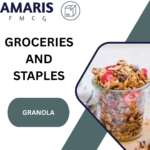 Granola
 Cornflakes
 Canned & Packaged Foods
 Cream Soups / Tomato Soup
 Tea
Tea Tea Bags
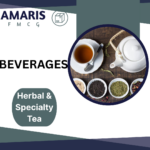 Herbal & Specialty Tea
 Green Tea
 Black Tea
 Coffee
 Instant Coffee
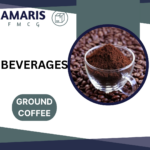 Ground Coffee
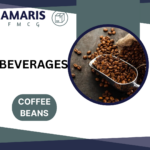 Coffee Beans
 Health & Energy Drinks
 Health Supplements Drinks
 Energy Drinks
 Protein Shakes
 Fruit Juices & Drinks
 Coconut Water
 Nectars & Juice Drinks
 100% Juices
 Soft Drinks & Sodas
 Cola
Cola Diet Sodas
 Fruit Sodas
 Lemonade
 Water
Water Sparkling Water
 Packaged Drinking Water
 Flavored Water
 Powdered Drinks
 Drinking Chocolates
 Namkeen & Savory Snacks
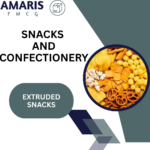 Extruded Snacks
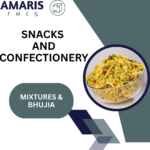 Mixtures & Bhujia
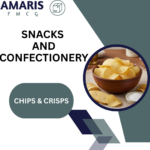 Chips & Crisps
 Biscuits & Cookies
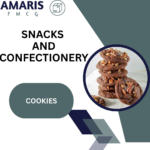 Cookies
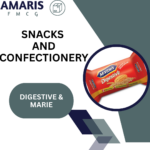 Digestive & Marie
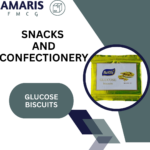 Glucose Biscuits
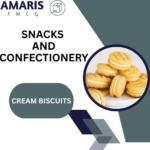 Cream Biscuits
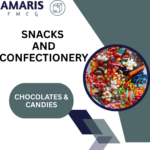 Chocolates & Candies
 Sweets & Bubble Gum
 Toffees & Hard Candies
 Chocolate Bars
 Boxed Chocolates
 Cakes & Pastries
 Pastries & Danish
 Cupcakes
 Birthday & Celebration Cakes
 Desserts & Ice Cream Toppings
 Caramel & Fruit Toppings
 Chocolate Syrup & Sauce
 Whipped Cream
 Sprinkles & Nuts
 Nuts & Dry Fruits
 Raisins & Apricots
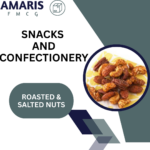 Roasted & Salted Nuts
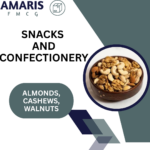 Almonds, Cashews, Walnuts
 Milk
Milk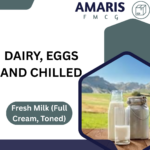 Fresh Milk (Full Cream, Toned)
 Flavored Milk
 Butter & Margarine
 Margarine
 Salted & Unsalted Butter
 Cheese
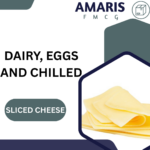 Sliced Cheese
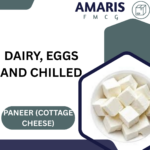 Paneer (Cottage Cheese)
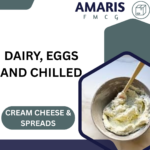 Cream Cheese & Spreads
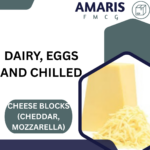 Cheese Blocks (Cheddar, Mozzarella)
 Yogurt & Curd
 Set Curd
 Yogurt Drinks (Lassi, Chaas)
 Greek Yogurt
 Flavored Yogurt
 Cream & Desserts
 Custards & Mousses
 Fresh Cream
 Eggs
Eggs Organic Eggs
 Brown Eggs
 Farm Eggs
 Frozen Vegetables
 Peas, Corn, Mix Veg
 Frozen Snacks & Appetizers
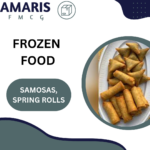 Samosas & Spring Rolls
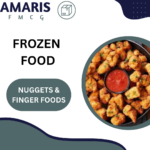 Nuggets & Finger Foods
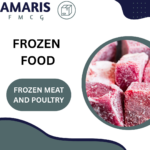 Frozen Meat & Poultry
 Frozen Sausages & Hot Dogs
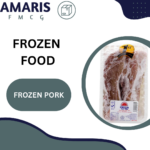 Frozen Pork
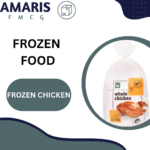 Frozen Chicken
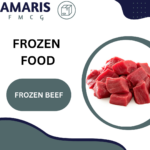 Frozen Beef
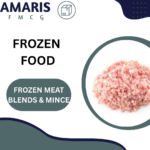 Frozen Meat Blends & Mince
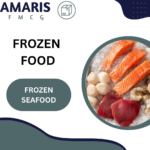 Frozen Seafood
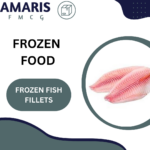 Frozen Fish Fillets
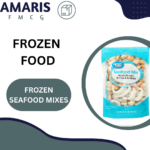 Frozen Seafood Mixes
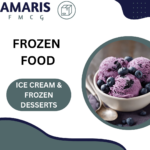 Ice Cream & Frozen Desserts
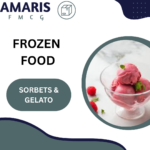 Sorbets & Gelato
 Ice Cream Tubs
 Ice Cream Bars & Cones
 Oral Care
 Mouthwash
 Toothpaste
 Toothbrushes (Manual & Electric)
 Bath & Body
 Deodorants & Antiperspirants
 Body Lotions & Moisturizers
 Soaps & Body Wash
 Hair Care
 Styling Products (Gel, Wax, Spray)
 Hair Oils
 Shampoo & Conditioner
 Skincare
 Lip Balm
 Moisturizers & Creams
 Face Wash & Cleansers
 Feminine Hygiene
 Tampons
 Sanitary Pads
 Shaving Needs
 Razors & Blades
 Shaving Cream & Foam
 Vitamins & Supplements
 Multivitamins
 Protein Powder
 Specialty Supplements (Omega-3, Calcium)
 Ayurveda & Herbal
 Herbal Supplements
 Chyawanprash
 Weight Management
 Fitness & Workout Accessories
 Protein Shakes & Powders
 Sports Nutrition
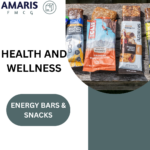 Energy Bars & Snacks
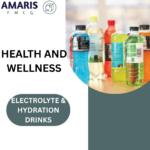 Electrolyte & Hydration Drinks
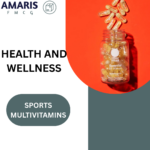 Sports Multivitamins
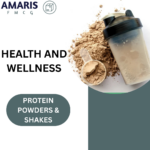 Protein Powders & Shakes
 Dishwashing
 Dishwashing Bars & Liquid
 Dishwasher Detergents
 Laundry
 Fabric Softeners & Whiteners
 Detergent Powder & Liquid
 Detergent Bars
 Floor & Surface Cleaners
 Glass & Mirror Cleaners
 All-Purpose Cleaners
 Floor Cleaners (Liquid, Powder)
 Oven Cleaner
 Polish
 Toilet Cleaners
 Toilet Cleaning Tablets
 Toilet Brush & Cleaner Sets
 Liquid Toilet Cleaners
 Insecticides & Repellents
 Ant & Cockroach Killers
 Mosquito Repellents (Coils, Mats, Sprays)
 Air Fresheners & Fragrances
 Car Air Fresheners
 Essential Oils & Diffusers
 Plug-In Air Fresheners
 Scented Candles
 Room Sprays
 Paper Products
 Tissues & Napkins
 Kitchen Towels
 Toilet Paper
 Household Cleaning Products
 Kitchen & Surface Cleaners
 Kitchen & Dishwashing
 Gloves
 Baby Food & Formula
 Cereals & Purees
 Infant Formula
 Diapers & Wipes
 Baby Wipes
 Disposable Diapers
 Baby Bath & Skincare
 Diaper Rash Cream
 Baby Soap & Shampoo
 Baby Lotion & Oil
 Dog Food
 Dry Dog Food
 Dog Treats
 Wet Dog Food
 Pet Grooming
 Shampoos & Conditioners
 Brushes & Combs
 Flea & Tick Control
 Grooming Tools & Kits
 Pet Accessories
 Litter & Trays (for cats)
 Collars & Leashes
 Toys & Chew Toys
 Bowls & Feeders
 Cat Food
 Wet Cat Food
 Cat Treats
 Dry Cat Food
 Organic Products
 Organic Beverages
 Organic Supplements
 Organic Food & Snacks
 Gluten-Free
 Gluten-Free Beverages
 Gluten-Free Snacks
 Gluten-Free Pasta & Grains
 Gluten-Free Breads & Bakery
 Vegan Products
 Vegan Supplements
 Vegan Food & Snacks
 Vegan Beverages
 Sugar-Free & No Added Sugar
 Sugar-Free Beverages
 Sugar-Free Snacks
 Sugar-Free Desserts & Sweets
 Keto-Friendly
 Keto Beverages
 Keto Supplements
 Keto Snacks
 Diabetic-Friendly
 Diabetic-Friendly Supplements
 Diabetic-Friendly Health Monitors & Devices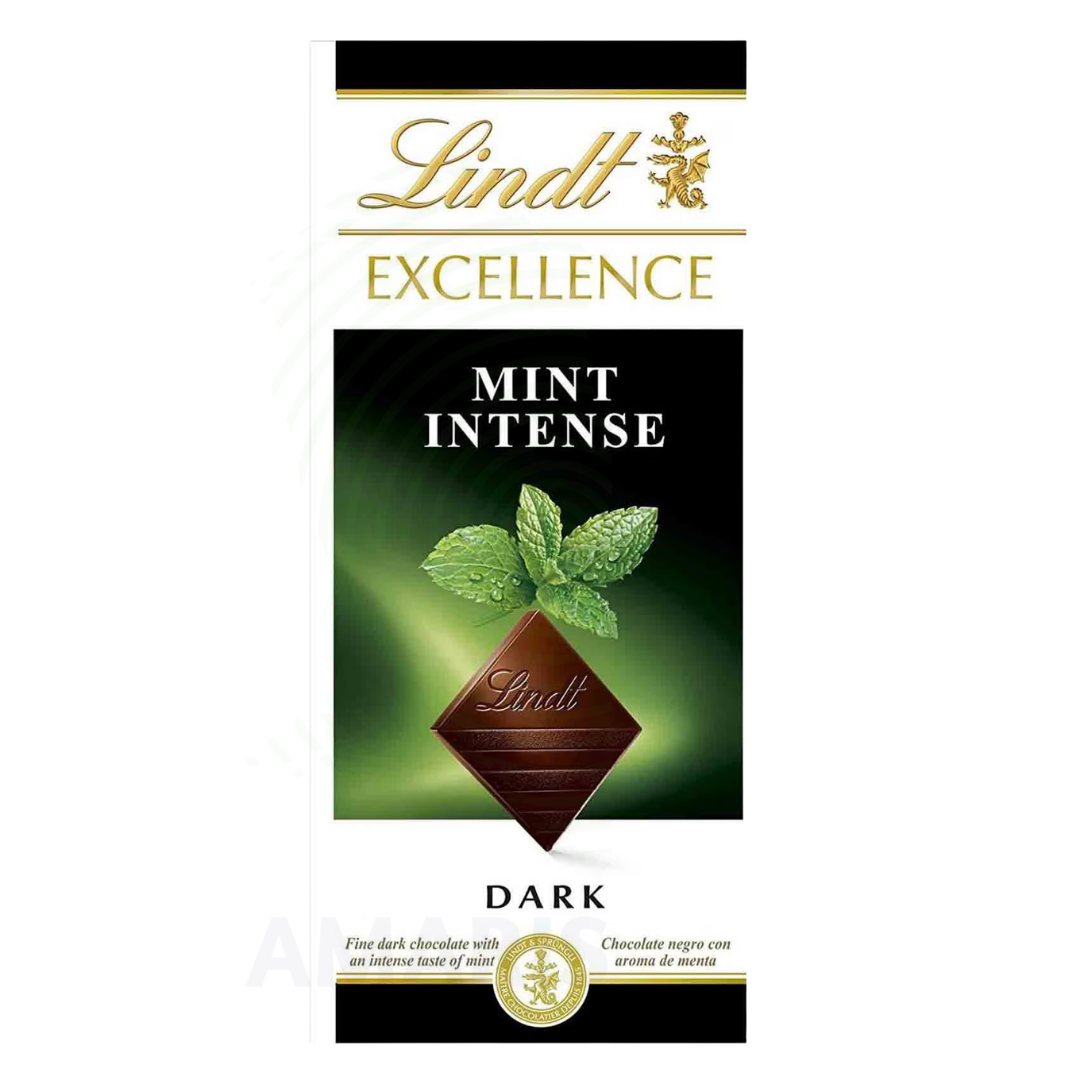

LINDT EXCELLENCE MINT INTENSE
WhatsApp Order
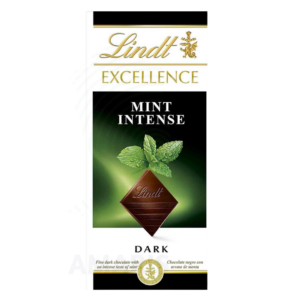
Lindt Excellence Mint Intense is a 70‑75% dark chocolate bar infused with natural peppermint oil. A 20 g serving (3‑4 squares) provides 85‑110 kcal and only 4‑5 g sugar, making it suitable for diabetic patients in moderation. The high flavanol content supports cardiovascular health by improving endothelial function and lowering blood pressure. Natural peppermint oil enhances alertness, reduces anxiety, improves focus, and may help relieve mild nausea – useful in palliative care, oncology, and geriatric settings. The strong mint flavour effectively masks metallic dysgeusia in chemotherapy and renal patients while leaving a clean, fresh aftertaste. However, hard dark chocolate pieces pose a choking hazard – not for patients with dysphagia, poor dentition, or cognitive impairment. Contains soya; may contain traces of milk, nuts, and gluten. Caution in pregnancy due to cadmium. For appropriate patients, a few squares deliver indulgence with cardiovascular, cognitive, and anti‑nausea benefits.
Description
LINDT EXCELLENCE MINT INTENSE
PRIMARY CLINICAL & DIAGNOSTIC USES
1. Antioxidant Support and Cardiovascular Risk Reduction via Cocoa Flavanols
-
Primary Use: Provides a dark chocolate bar (typically 70‑75% cocoa solids) infused with natural peppermint oil, combining cocoa flavanols (for endothelial function and blood pressure reduction) with the cooling, refreshing properties of mint, designed for patients with hypertension, early cardiovascular disease, or those requiring antioxidant support.
-
How it helps: For the cardiologist and dietitian, the flavanols in dark chocolate (Excellence Mint Intense contains ≥70% cocoa) improve nitric oxide bioavailability, reducing blood pressure by 2‑3 mmHg with regular consumption. A 15‑20 g serving (3‑4 squares) provides approximately 85‑110 kcal with 4‑5 g sugar. The natural peppermint oil adds no calories or sugar. For the patient, a few squares of mint‑infused dark chocolate offer a heart‑healthy treat with a refreshing, palate‑cleaning finish.
2. Improved Insulin Sensitivity and Glycaemic Control in Type 2 Diabetes and Prediabetes
-
Primary Use: The high cocoa content (≥70%) and low sugar content (approximately 20‑25 g per 100 g, or 4‑5 g per 20 g serving) make Excellence Mint Intense suitable for patients with type 2 diabetes or prediabetes who require a low‑glycaemic‑index chocolate option, while the mint flavour provides a cooling sensation that may reduce the perception of sweetness, potentially aiding portion control.
-
How it helps: For the endocrinologist and diabetes dietitian, dark chocolate with ≥70% cocoa has a glycaemic index of approximately 22‑25. A 20 g serving contains approximately 8‑10 g of carbohydrates, with 4‑5 g of sugar. The natural peppermint oil has been studied for its potential to improve insulin sensitivity, though evidence is preliminary. For the patient, this product allows chocolate indulgence with minimal blood glucose impact and a refreshing aftertaste that may reduce cravings for additional sweets.
3. Mood Enhancement, Anxiety Reduction, and Cognitive Support
-
Primary Use: The combination of dark chocolate flavanols (which increase cerebral blood flow), theobromine (mild stimulant), and natural peppermint oil (known for its alertness‑enhancing, anxiety‑reducing, and focus‑improving properties) serves as a multi‑sensory intervention for patients with mild depression, anxiety, age‑related cognitive decline, or post‑chemotherapy brain fog.
-
How it helps: For the geriatrician, palliative care physician, and psychologist, dark chocolate triggers endorphin and serotonin release. Peppermint aroma has been shown in clinical studies to improve memory, concentration, and alertness while reducing anxiety and fatigue. The cooling sensation on the tongue provides a grounding sensory experience. For the patient, a small piece of mint dark chocolate can offer a moment of calm, mental clarity, and pleasure.
4. Masking of Unpleasant Tastes (Dysgeusia) and Nausea Relief in Chemotherapy Patients
-
Primary Use: The bold dark chocolate combined with strong, cooling peppermint flavour effectively masks metallic, bitter, or ammonia‑like tastes reported by patients undergoing chemotherapy or haemodialysis, while peppermint is also a well‑known natural remedy for nausea.
-
How it helps: For the oncology dietitian and palliative care nurse, peppermint is frequently used to reduce chemotherapy‑induced nausea. The intense mint flavour can overpower distorted taste perceptions and leave a clean, fresh aftertaste. One or two squares consumed slowly before a meal can help reset the palate. For the patient, this can reduce meal‑related aversion, support nutritional intake, and provide simultaneous nausea relief.
SECONDARY USES
1. Non‑medical comfort for needle phobia or distressing procedures: Offering a square of Excellence Mint Intense as a reward or distraction during venepuncture, cannulation, or vaccinations can reduce anxiety, with the peppermint providing additional calming and alertness‑enhancing aromatherapy benefits.
2. Small, portion‑controlled treat for patients with diabetes: A 20 g serving (3‑4 squares) contains only 4‑5 g sugar, making it one of the lowest‑sugar chocolate options. The refreshing mint aftertaste may reduce desire for additional sweets.
3. Non‑pharmacological intervention for mild nausea in pregnancy, chemotherapy, or post‑operative settings: Peppermint is a recognised natural antiemetic. Patients experiencing mild nausea may find that slowly allowing a square of mint dark chocolate to melt in the mouth provides relief while also delivering calories.
4. Natural breath freshener for patients with xerostomia or halitosis: Patients with dry mouth (e.g., Sjögren’s syndrome, post‑radiation) or halitosis may appreciate the breath‑freshening effect of peppermint oil, which can improve comfort and social confidence.
5. Alternative for patients who find plain dark chocolate too bitter: The strong, cooling mint flavour balances and complements dark chocolate’s bitterness, making high‑cocoa chocolate more palatable to those who typically dislike it.
6. Long shelf‑life, portable snack for homebound or low‑resource patients: Individually wrapped bars have a shelf life of 12‑24 months, making them a practical non‑perishable treat.
7. Occasional treat to combat taste fatigue from long‑term medication use: Patients on medications that cause persistent taste changes may find the intense mint‑chocolate combination provides welcome relief from monotony.
About brand
Lindt is a premium chocolate range known for its smooth, creamy chocolate truffle center and rich flavor. Each truffle has a delicate chocolate shell that melts into a luxurious filling with every bite. It is ideal for enjoying as a personal treat, sharing with family and friends, or giving as a thoughtful gift. Lindt Lindor offers a delicious and indulgent chocolate experience for any occasion.
KEY PRODUCT FEATURES
1. BASIC IDENTIFICATION ATTRIBUTES
-
Device Type: Solid dark chocolate bar with natural peppermint flavouring.
-
Designation: Lindt Excellence Mint Intense, Lindt Excellence Dark Chocolate with Mint.
-
Key Components: Cocoa mass, sugar, cocoa butter, natural peppermint oil, emulsifier (soya lecithin), natural vanilla flavouring. No actual mint pieces – only oil.
-
Cocoa Solids: ≥70% (typically 70‑75%).
2. TECHNICAL & PERFORMANCE PROPERTIES
-
Physical Form: Solid bar (breakable squares) with a smooth surface (no visible inclusions).
-
Flavour Profile: Rich, bitter‑sweet dark chocolate with a strong, cooling, authentic peppermint taste and aroma; no artificial aftertaste.
-
Energy Density: Approximately 540‑570 kcal per 100 g; 85‑110 kcal per 20 g serving (3‑4 squares).
-
Fat Content: 40‑45 g per 100 g (saturated 22‑25 g).
-
Carbohydrate Content: 35‑40 g per 100 g (sugars 20‑25 g).
-
Fibre Content: 8‑10 g per 100 g.
-
Protein Content: 6‑8 g per 100 g.
-
Theobromine Content: Approximately 400‑500 mg per 100 g.
-
Caffeine Content: Approximately 40‑60 mg per 100 g.
-
Shelf Life (unopened): 12‑24 months at 14‑18°C (57‑64°F).
-
Packaging: Foil‑wrapped bar inside cardboard box. Common sizes: 100 g, 150 g.
-
Allergen Information: Contains soya lecithin. May contain milk, tree nuts (hazelnuts, almonds), and gluten (barley malt extract). No milk in the standard recipe but risk of cross‑contamination.
3. PHYSICAL & OPERATIONAL PROPERTIES
-
Preparation: No preparation required. Break into squares. Serve at room temperature.
-
Usage Instructions: Eat slowly, allowing chocolate to melt on the tongue to fully appreciate the cooling mint sensation. Not suitable for patients with dysphagia or poor dentition due to hard chocolate texture.
-
Storage Conditions: Cool (14‑18°C), dry, dark place. Avoid temperature fluctuations.
-
Portion Size: 15‑20 g (3‑4 squares) per day.
4. SAFETY & COMPLIANCE ATTRIBUTES
-
Allergens: Soya; may contain traces of milk, tree nuts, gluten.
-
Nutritional Caution: Lower sugar than milk chocolate but contains saturated fat.
-
Heavy Metal Caution: Dark chocolate may contain measurable cadmium and lead from soil. Pregnant women and children should limit intake to occasional small portions.
-
Choking Hazard: Hard chocolate pieces can cause airway obstruction in patients with dysphagia or cognitive impairment.
-
Quality Assurance: Manufactured under GMP and HACCP. UTZ/Rainforest Alliance certified cocoa.
5. STORAGE & HANDLING ATTRIBUTES
-
Storage: Cool, dark cupboard.
-
Inspection: Discard if mould, rancid odour, or significant bloom with off‑taste. White surface bloom is harmless.
SAFETY HANDLING PRECAUTIONS
1. SAFETY PRECAUTIONS
Choking hazard – contraindicated in dysphagia, poor dentition, cognitive impairment: Hard dark chocolate pieces can cause airway obstruction. Do not use in patients with oropharyngeal dysphagia, after stroke, with Parkinson’s disease, advanced dementia, or requiring texture‑modified diets.
Heavy metal (cadmium, lead) – caution in pregnancy and children: Dark chocolate with high cocoa content may contain higher levels of cadmium absorbed from soil. Pregnant and lactating individuals should limit intake to occasional small portions (≤20 g per day, not daily). Children under 6 years should avoid regular consumption.
Milk allergy – caution due to cross‑contamination: Although the recipe does not contain milk, shared production lines mean traces may be present. Patients with severe cow’s milk protein allergy should exercise caution.
Soya allergy – contains soya lecithin: Avoid in patients with confirmed soya allergy.
Theobromine toxicity – keep away from pets: Dark chocolate is highly toxic to dogs and cats. Store securely.
Theobromine sensitivity in humans: Excessive consumption (>50 g daily) may cause nausea, headache, tremors, palpitations, insomnia in sensitive individuals.
Migraine trigger – avoid in patients with known chocolate or mint sensitivity: Both chocolate and peppermint can be migraine triggers in some individuals. Advise caution.
Gastroesophageal reflux disease (GERD) – caution: Peppermint can relax the lower oesophageal sphincter, potentially worsening GERD symptoms. Patients with frequent heartburn or reflux should avoid or use with caution.
Peppermint oil – potential drug interactions (theoretical): Peppermint oil may inhibit CYP3A4 enzyme, though the amount in chocolate is very small. Patients on medications metabolised by CYP3A4 (e.g., some statins, calcium channel blockers) can likely consume without concern, but extreme caution advised for those on medications with narrow therapeutic windows.
Training requirement: Assess swallowing and allergy status. Educate on portion control, choking hazards, GERD precautions, and heavy metal risks in pregnancy/paediatrics.
2. FIRST AID MEASURES
Choking: Standard back blows and abdominal thrusts. Call emergency services if obstruction persists.
Ingestion of large quantity (>50 g): May cause nausea, headache, palpitations, insomnia. Seek medical attention for severe symptoms.
Allergic reaction (soya, trace milk/nuts): Administer epinephrine if prescribed and seek emergency care.
Mint oil sensitivity (rare): If mouth or throat irritation occurs, discontinue use and rinse mouth with water. Seek medical advice if symptoms persist.
3. FIRE FIGHTING MEASURES
Flammability: Fat‑ and sugar‑based; flammable if exposed to open flame. Peppermint oil is also flammable.
Extinguishing Media: Foam, dry chemical, CO₂. Do not use water.
Fire Response: For small fires, smother or use extinguisher. Evacuate for larger fires.
Related products
CADBURY DAIRY MILK ORIGINAL BAR
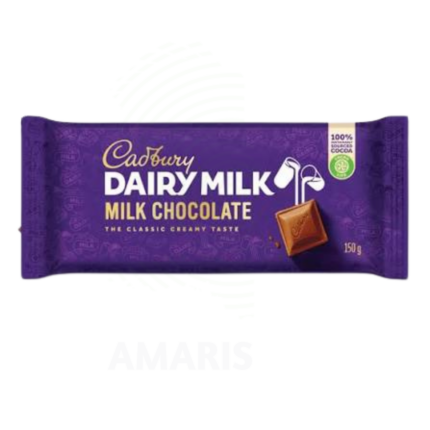
Cadbury Dairy Milk Original features a classic, creamy milk chocolate recipe made with at least 20% cocoa and milk solids. A 27g serving (approx. one row) provides 144 kcal, 8.3g fat, and 15.7g sugar. For clinicians, it offers a palatable, energy-dense treat for patients with poor appetite. Available in multiple sizes from 27g bars to 850g sharing blocks. Contains milk and soya; may contain nuts and gluten. Not suitable for dysphagia patients. Keep away from pets—chocolate is toxic to dogs and cats.
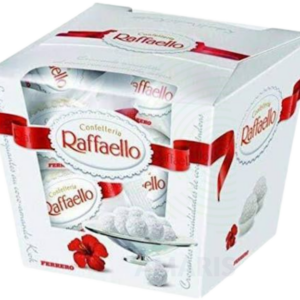
FERRERO RAFFAELLO COCONUT & ALMOND TRUFFLES
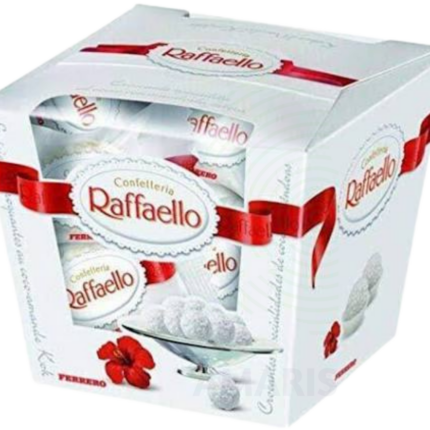
Ferrero Raffaello features a whole blanched almond encased in smooth cream filling, surrounded by a crispy wafer, and coated with delicate coconut flakes . Each 10g piece provides approximately 63 kcal, 4.8g fat, and 3.4g sugar . For clinicians, they offer sensory stimulation for patients with reduced appetite and energy-dense calories. Contains almonds, milk, soya, wheat/gluten . Suitable for vegetarians; Kosher and Halal certified . Not suitable for dysphagia patients. Keep away from pets—chocolate is toxic to dogs and cats.
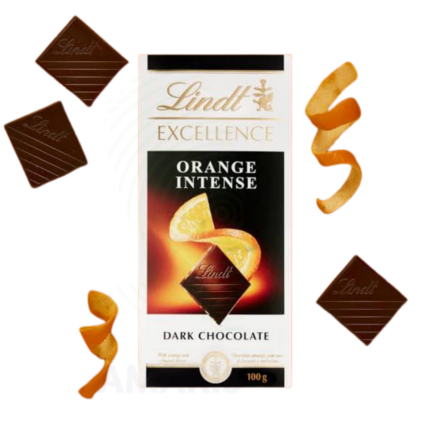
LINDT EXCELLENCE ORANGE INTENSE
Lindt Excellence Orange Intense is a 70‑75% dark chocolate bar with natural orange oil and dried orange pieces. A 20 g serving (3‑4 squares) provides 85‑110 kcal and only 4‑5 g sugar, making it suitable for diabetic patients in moderation. The high flavanol content supports cardiovascular health by improving endothelial function and lowering blood pressure. Dried orange pieces contribute vitamin C (5‑10 mg per serving) for immune support and enhanced iron absorption. The bright orange aroma reduces anxiety and elevates mood, useful in palliative care and oncology. The bold flavour also masks metallic dysgeusia in chemotherapy patients. However, hard chocolate and chewy orange peel pose a choking hazard – not for patients with dysphagia, poor dentition, or cognitive impairment. Contains soya; may contain traces of milk, nuts, and gluten. Caution in pregnancy due to cadmium. For appropriate patients, a few squares deliver pleasure with cardiovascular and metabolic benefits.
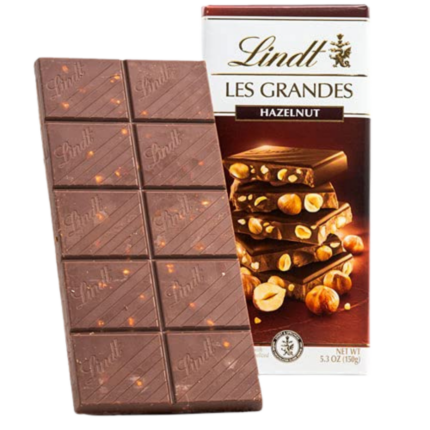
LINDT LES GRANDES DARK HAZELNUT
Lindt LES GRANDES Dark Hazelnut is a premium dark chocolate bar from Lindt's luxury Les Grandes line, containing 43% cocoa solids and 34% hazelnuts in the form of whole roasted hazelnuts and crunchy caramelised hazelnut pieces. A 30 g serving (2 squares) provides approximately 170 kcal, 12 g fat, 11 g sugar, 2 g protein, and 2 g fibre. For the dietitian and geriatrician, this product offers concentrated calories for cachectic patients, plant protein and fibre for frail elderly patients, and dual antioxidant support from cocoa flavanols and hazelnut vitamin E for cardiovascular health. The combination of smooth dark chocolate and crunchy hazelnut pieces provides multi-textural sensory stimulation useful for mood enhancement in palliative care, dementia, and depression settings. However, whole and crunchy hazelnut pieces pose a significant choking hazard – this product is not suitable for patients with oropharyngeal dysphagia, poor dentition, cognitive impairment, or anyone requiring texture‑modified diets. Contains hazelnuts (tree nuts), milk, and soya. Dark chocolate may contain measurable cadmium and lead – caution in pregnancy and children. For appropriate patients without swallowing or allergy concerns, a few squares deliver indulgent pleasure with meaningful nutritional and sensory benefits.
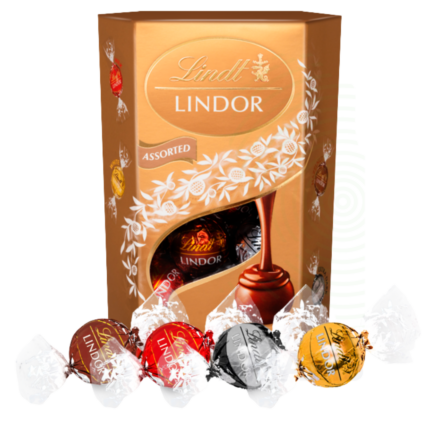
LINDT LINDOR ASSORTED TRUFFLES
Lindt LINDOR Assorted Truffles feature a delicate shell and irresistibly smooth melting centre. The assorted selection includes classic Milk, White, rich Dark (60-70% cocoa), Hazelnut, Salted Caramel, Coconut, and Double Chocolate . A 25g serving (2 truffles) provides approximately 156kcal, 12g fat, and 10g sugar . For clinicians, they offer sensory pleasure for patients with reduced appetite and energy-dense calories. Contains milk, soya, barley; may contain nuts. Gluten-free. Not suitable for dysphagia patients. Keep away from pets.
LINDT LINDOR HAZELNUT
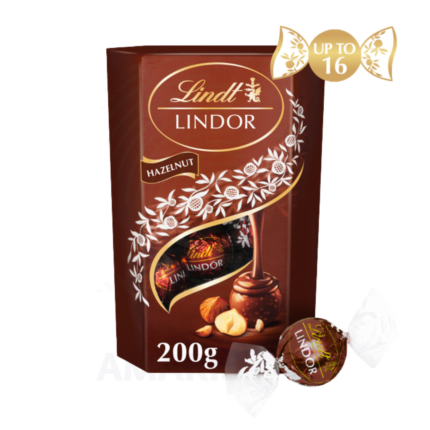
Lindt Lindor Hazelnut is a premium milk chocolate confection from Lindt & Sprüngli, featuring a milk chocolate shell surrounding a smooth, melting hazelnut praline filling, often with finely chopped hazelnut pieces. Each piece (approximately 10‑12 g) provides 75‑85 kcal, 5‑7 g fat, and 6‑7 g sugar. For the dietitian and geriatrician, it serves as a concentrated calorie and protein source for cachectic patients, offers mood and sensory benefits in palliative care, and helps mask dysgeusia. However, hard chocolate shells and crunchy hazelnut pieces pose a significant choking hazard – this product is not suitable for patients with dysphagia, poor dentition, or cognitive impairment. Contraindicated in tree nuts (hazelnut) and milk allergy. For appropriate patients without swallowing or allergy concerns, a small piece offers indulgent pleasure and meaningful nutrition.

LINDT LINDOR MILK HAZELNUT TRUFFLES
Lindt LINDOR Milk Hazelnut Truffles feature a milk chocolate shell with crunchy roasted hazelnut pieces surrounding an irresistibly smooth melting centre. Each 36g serving (3 truffles) provides 220-230 kcal, 18g fat, 15g carbs, and 14g sugar. The hazelnut content adds protein (5.1g/100g) and healthy fats. For clinicians, they offer sensory pleasure for patients with reduced appetite and energy-dense calories. Contains milk, soya, barley, hazelnuts; may contain other nuts. Gluten-free (<20 mg/kg gluten). Not suitable for dysphagia patients. Keep away from pets.