
 Atta, Flours & Sooji
 Wheat Atta
 Sooji (Semolina)
 Organic Flours
 Besan (Gram Flour)
 Rice Flour
 Rice & Rice Products
 Rice Cakes
 Poha (Flattened Rice)
 Brown & Red Rice
 Basmati Rice
 Non-Basmati Rice
 Dals & Pulses
 Whole Pulses (Rajma, Chana)
 Masoor Dal
 Chana Dal
 Toor Dal
 Moong Dal
 Edible Oils
 Blended Oils
 Coconut Oil
 Soybean Oil
 Mustard Oil
 Olive Oil
 Sunflower Oil
 Salt, Sugar & Jaggery
 White & Brown Sugar
 Sea Salt & Himalayan Salt
 Table Salt
 Jaggery (Powdered & Block)
 Spices & Seasonings
 Herbs & Seasoning Packets
 Spice Blends (Masalas)
 Whole Spices
 Powdered Spices
 Sauces, Spreads & Condiments
 Honey, Jam & Spreads
 Soy & Chili Sauce
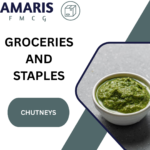 Chutneys
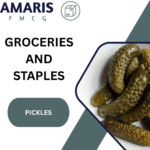 Pickles
 Tomato Ketchup
 Mayonnaise & Dressings
 Breakfast Cereals
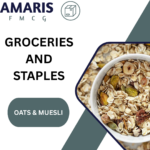 Oats & Muesli
 Granola
 Cornflakes
 Tea
Tea Tea Bags
 Herbal & Specialty Tea
 Green Tea
 Black Tea
 Coffee
 Instant Coffee
 Ground Coffee
 Coffee Beans
 Health & Energy Drinks
 Health Supplements Drinks
 Energy Drinks
 Protein Shakes
 Fruit Juices & Drinks
 Coconut Water
 Nectars & Juice Drinks
 100% Juices
 Soft Drinks & Sodas
 Cola
Cola Diet Sodas
 Fruit Sodas
 Lemonade
 Water
Water Sparkling Water
 Packaged Drinking Water
 Flavored Water
 Namkeen & Savory Snacks
 Extruded Snacks
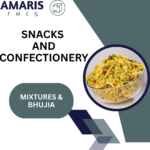 Mixtures & Bhujia
 Chips & Crisps
 Biscuits & Cookies
 Cookies
 Digestive & Marie
 Glucose Biscuits
 Cream Biscuits
 Chocolates & Candies
 Sweets & Bubble Gum
 Toffees & Hard Candies
 Chocolate Bars
 Boxed Chocolates
 Cakes & Pastries
 Pastries & Danish
 Cupcakes
 Birthday & Celebration Cakes
 Desserts & Ice Cream Toppings
 Caramel & Fruit Toppings
 Chocolate Syrup & Sauce
 Whipped Cream
 Sprinkles & Nuts
 Nuts & Dry Fruits
 Raisins & Apricots
 Roasted & Salted Nuts
 Almonds, Cashews, Walnuts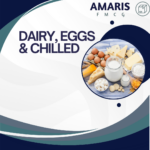
 Milk
Milk Fresh Milk (Full Cream, Toned)
 Flavored Milk
 Butter & Margarine
 Margarine
 Salted & Unsalted Butter
 Cheese
 Sliced Cheese
 Paneer (Cottage Cheese)
 Cream Cheese & Spreads
 Cheese Blocks (Cheddar, Mozzarella)
 Yogurt & Curd
 Set Curd
 Yogurt Drinks (Lassi, Chaas)
 Greek Yogurt
 Flavored Yogurt
 Cream & Desserts
 Custards & Mousses
 Fresh Cream
 Eggs
Eggs Organic Eggs
 Brown Eggs
 Farm Eggs
 Frozen Vegetables
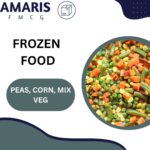 Peas, Corn, Mix Veg
 Frozen Snacks & Appetizers
 Samosas & Spring Rolls
 Nuggets & Finger Foods
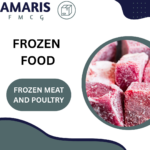 Frozen Meat & Poultry
 Frozen Sausages & Hot Dogs
 Frozen Pork
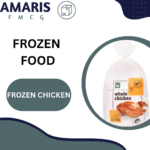 Frozen Chicken
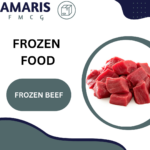 Frozen Beef
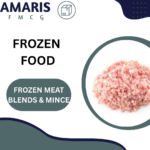 Frozen Meat Blends & Mince
 Frozen Seafood
 Frozen Fish Fillets
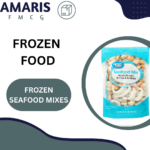 Frozen Seafood Mixes
 Ice Cream & Frozen Desserts
 Sorbets & Gelato
 Ice Cream Tubs
 Ice Cream Bars & Cones
 Oral Care
 Mouthwash
 Toothpaste
 Toothbrushes (Manual & Electric)
 Bath & Body
 Deodorants & Antiperspirants
 Body Lotions & Moisturizers
 Soaps & Body Wash
 Hair Care
 Styling Products (Gel, Wax, Spray)
 Hair Oils
 Shampoo & Conditioner
 Skincare
 Lip Balm
 Moisturizers & Creams
 Face Wash & Cleansers
 Feminine Hygiene
 Tampons
 Sanitary Pads
 Shaving Needs
 Razors & Blades
 Shaving Cream & Foam
 Vitamins & Supplements
 Multivitamins
 Protein Powder
 Specialty Supplements (Omega-3, Calcium)
 Ayurveda & Herbal
 Herbal Supplements
 Chyawanprash
 Weight Management
 Fitness & Workout Accessories
 Protein Shakes & Powders
 Sports Nutrition
 Energy Bars & Snacks
 Electrolyte & Hydration Drinks
 Sports Multivitamins
 Protein Powders & Shakes
 Dishwashing
 Dishwashing Bars & Liquid
 Dishwasher Detergents
 Laundry
 Fabric Softeners & Whiteners
 Detergent Powder & Liquid
 Detergent Bars
 Floor & Surface Cleaners
 Glass & Mirror Cleaners
 All-Purpose Cleaners
 Floor Cleaners (Liquid, Powder)
 Toilet Cleaners
 Toilet Cleaning Tablets
 Toilet Brush & Cleaner Sets
 Liquid Toilet Cleaners
 Insecticides & Repellents
 Ant & Cockroach Killers
 Mosquito Repellents (Coils, Mats, Sprays)
 Air Fresheners & Fragrances
 Car Air Fresheners
 Essential Oils & Diffusers
 Plug-In Air Fresheners
 Scented Candles
 Room Sprays
 Paper Products
 Tissues & Napkins
 Kitchen Towels
 Toilet Paper
 Baby Food & Formula
 Cereals & Purees
 Infant Formula
 Diapers & Wipes
 Baby Wipes
 Disposable Diapers
 Baby Bath & Skincare
 Diaper Rash Cream
 Baby Soap & Shampoo
 Baby Lotion & Oil
 Dog Food
 Dry Dog Food
 Dog Treats
 Wet Dog Food
 Pet Grooming
 Shampoos & Conditioners
 Brushes & Combs
 Flea & Tick Control
 Grooming Tools & Kits
 Pet Accessories
 Litter & Trays (for cats)
 Collars & Leashes
 Toys & Chew Toys
 Bowls & Feeders
 Cat Food
 Wet Cat Food
 Cat Treats
 Dry Cat Food
 Organic Products
 Organic Beverages
 Organic Supplements
 Organic Food & Snacks
 Gluten-Free
 Gluten-Free Beverages
 Gluten-Free Snacks
 Gluten-Free Pasta & Grains
 Gluten-Free Breads & Bakery
 Vegan Products
 Vegan Supplements
 Vegan Food & Snacks
 Vegan Beverages
 Sugar-Free & No Added Sugar
 Sugar-Free Beverages
 Sugar-Free Snacks
 Sugar-Free Desserts & Sweets
 Keto-Friendly
 Keto Beverages
 Keto Supplements
 Keto Snacks
 Diabetic-Friendly
 Diabetic-Friendly Supplements
 Diabetic-Friendly Health Monitors & Devices





Whole Spices comprise a foundational and aromatic category within the spices and seasonings segment, consisting of dried seeds, berries, bark, roots, or fruits used in their complete, unground form. This category is characterized by its superior shelf life, potent flavor, and versatility in cooking techniques. Unlike pre-ground spices, whole spices retain their essential oils and aromatic compounds until they are crushed, toasted, or ground, releasing a fresher, more complex, and nuanced flavor profile into dishes.
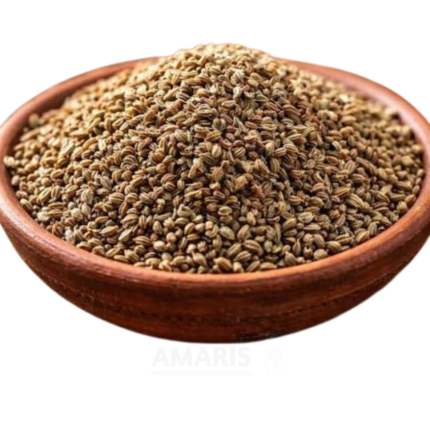
AJWAIN SEEDS
Ajwain Seeds (carom seeds) are the dried fruits of Trachyspermum ammi, a plant in the Apiaceae family. They are valued for their pungent, thyme‑like flavour and their potent digestive, antimicrobial, respiratory, and antispasmodic properties, primarily due to the active compound thymol (35‑60%). For the gastroenterologist, pulmonologist, gynecologist, and primary care physician, ajwain serves as a natural carminative for flatulence and bloating, an antimicrobial for mild gastrointestinal infections, an expectorant for cough and bronchitis, and an antispasmodic for menstrual cramps. For the patient, ajwain seeds can be chewed after meals, brewed as a tea, or added to cooking (breads, lentil dishes, curries) to relieve gas, soothe cough, ease period pain, and support digestion. Ajwain is generally safe in culinary amounts, but high doses (more than 2‑3 teaspoons daily) can cause gastric irritation, and it should be used with caution during pregnancy.
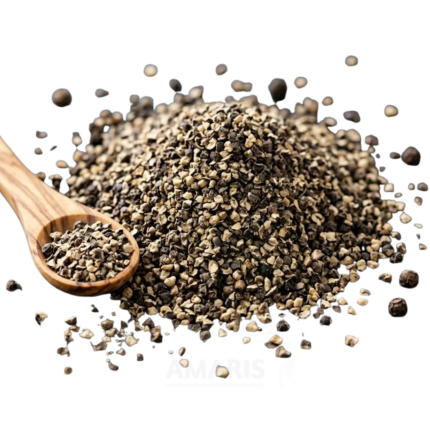
BLACK PEPPER COARSE
Black Pepper Coarse is a coarsely ground spice produced from dried peppercorns (Piper nigrum), containing piperine (2-7%) and volatile essential oils. For the gastroenterologist, nutritionist, and primary care physician, it serves as a potent stimulant of digestive enzymes, an enhancer of nutrient bioavailability (through piperine), a source of antioxidant and anti‑inflammatory compounds, and a mild topical counterirritant for musculoskeletal pain. For the patient, coarse black pepper adds pungent, sharp flavour and textural crunch to soups, stews, meats, vegetables, eggs, and salads while improving digestion, enhancing nutrient absorption, and supporting heart health. The coarser grind provides more intense bursts of flavour and a satisfying mouthfeel compared to fine powder. When used as part of a balanced diet, it contributes to digestive comfort, metabolic health, and overall wellness.
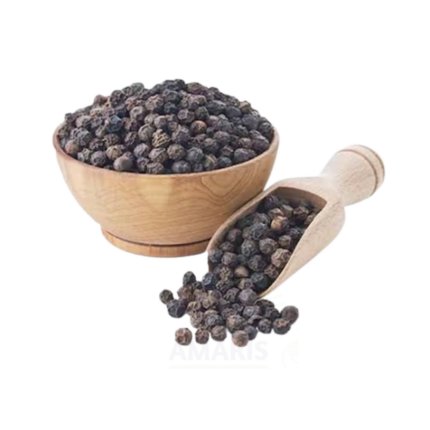
BLACK PEPPER WHOLE
Black Pepper Whole consists of dried, mature peppercorns (Piper nigrum), harvested just before ripening and sun-dried until they become dark and wrinkled. They contain piperine (2-7%) and volatile essential oils, which provide pungent flavour and a wide range of health benefits. For the gastroenterologist, nutritionist, and primary care physician, black pepper whole serves as a potent stimulant of digestive enzymes, an enhancer of nutrient bioavailability (through piperine), a natural antimicrobial for food preservation, and a source of antioxidant and anti‑inflammatory compounds. For the patient, whole peppercorns can be stored for years and ground fresh as needed, providing superior flavour and potency compared to pre‑ground pepper. They add pungent, sharp flavour and textural crunch to soups, stews, meats, vegetables, eggs, and pickles while improving digestion, enhancing nutrient absorption, and supporting heart health. When used as part of a balanced diet, whole black pepper contributes to digestive comfort, metabolic health, and overall wellness.
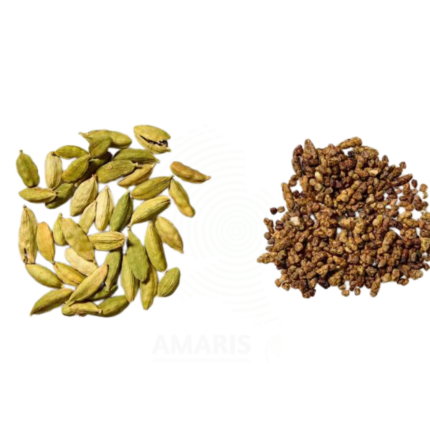
CARDAMOM PODS
Cardamom Pods are the whole dried fruit capsules of Elettaria cardamomum (green cardamom), containing small black seeds rich in volatile oils including cineole, terpinyl acetate, and limonene. For the dentist, gastroenterologist, and primary care physician, cardamom serves as a natural oral deodoriser for halitosis, a carminative that reduces postprandial bloating and flatulence, an appetite stimulant and antiemetic for nauseated or convalescent patients, and a mild respiratory decongestant. For the patient, chewing a pod after meals freshens breath, soothes digestive discomfort, settles nausea, and adds a warm, sweet aroma to tea, milk, rice, curries, and desserts. When used as part of a balanced diet, cardamom pods contribute to improved oral hygiene, digestive comfort, and overall well‑being. The pods can be stored for long periods and used whole or split to release the seeds.

CINNAMON STICKS
Cinnamon Sticks are whole, dried pieces of bark from Cinnamomum trees (primarily Cinnamomum verum for Ceylon cinnamon, or Cinnamomum cassia for cassia cinnamon). They are valued for their warm, sweet, woody flavour and their clinically demonstrated hypoglycemic, lipid-lowering, anti-inflammatory, antioxidant, and antimicrobial properties. For the endocrinologist, cardiologist, primary care physician, and nutritionist, cinnamon sticks serve as a complementary tool for glycemic management (improving insulin sensitivity and reducing blood glucose), cardiovascular risk reduction (lowering LDL cholesterol and triglycerides), anti-inflammatory and antioxidant support, and antimicrobial activity for oral hygiene. For the patient, cinnamon sticks add warm, sweet flavour to tea, coffee, oatmeal, rice pudding, curries, and mulled wine, supporting blood sugar control, heart health, and overall wellness in a simple, affordable, enjoyable way. Ceylon cinnamon is lower in coumarin and recommended for long-term therapeutic use.
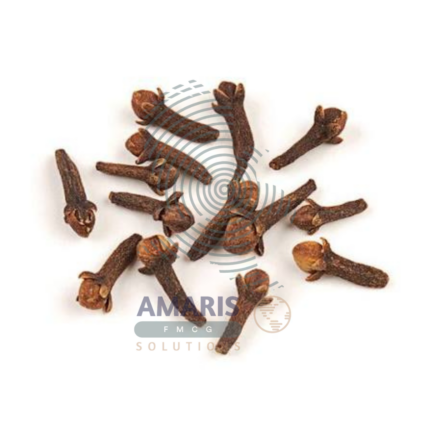
CLOVE WHOLE
Whole Cloves are the dried flower buds of Syzygium aromaticum, prized for their intense warm, sweet, pungent flavour and their potent medicinal properties, primarily due to eugenol (70-90%). For the dentist, gastroenterologist, and primary care physician, whole cloves serve as a topical analgesic for temporary toothache relief (placed near the aching tooth), a broad-spectrum antimicrobial agent for oral hygiene and food preservation, a carminative for reducing flatulence and bloating, and one of the richest dietary sources of antioxidants for reducing oxidative stress. For the patient, whole cloves add warm, pungent flavour to curries, rice (biryani), mulled wine, tea, and pickles, while providing natural pain relief for toothaches, improved digestion, and powerful antioxidant protection. When used in culinary amounts as part of a balanced diet, they contribute to oral health, digestive comfort, and chronic disease prevention.
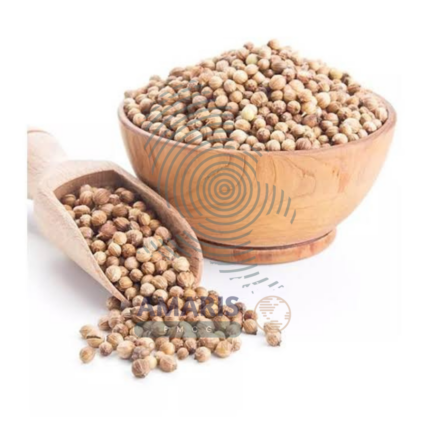
CORIANDER SEEDS
Coriander Seeds are the whole dried seeds of the coriander plant (Coriandrum sativum), valued for their mild, citrusy, slightly sweet flavour and their digestive, hypoglycemic, lipid-lowering, and antioxidant properties. For the gastroenterologist, endocrinologist, cardiologist, and primary care physician, they serve as a carminative to reduce bloating and flatulence, a complementary agent for blood glucose and cholesterol management, and a source of dietary antioxidants for chronic disease prevention. For the patient, coriander seeds add warm, aromatic flavour to curries, lentils, vegetables, rice, pickles, and spice blends while supporting digestive comfort, heart health, and blood sugar control. Whole seeds have a long shelf life and can be stored for years, then crushed or ground as needed. When used as part of a balanced diet, they contribute to metabolic health, gastrointestinal wellness, and overall well-being.
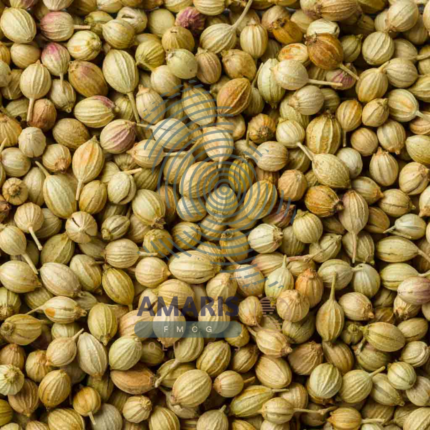
CORIANDER SEEDS (INDIA)
Coriander Seeds (India) are the whole dried seeds of Coriandrum sativum cultivated primarily in the Indian states of Rajasthan, Gujarat, and Madhya Pradesh. India is the world's largest producer and exporter of coriander, accounting for approximately 300,000 tons annually. Indian coriander seeds are distinguished by their high essential oil content (linalool 75‑83%) and a characteristic lemony scent not found in European varieties. For the endocrinologist, cardiologist, gastroenterologist, and primary care physician, Indian coriander seeds serve as a complementary therapeutic agent for blood glucose management in type 2 diabetes (supported by RCT evidence showing reduction in FBS, insulin, and HOMA‑IR), lipid lowering (total cholesterol, LDL, triglycerides), digestive health (antispasmodic effects for IBS, bloating, and flatulence), and antioxidant/anti‑inflammatory support. For the patient, Indian coriander seeds add a warm, lemony, slightly sweet flavour to curries, rice, lentils, pickles, and spice blends while supporting heart health, blood sugar control, and digestive comfort. Whole seeds have a long shelf life and can be stored for years, then crushed or ground as needed. When used as part of a balanced diet, they contribute to metabolic health, gastrointestinal wellness, and overall well‑being. While generally safe in culinary amounts, higher medicinal doses should be used under medical supervision, particularly during pregnancy and in patients on antidiabetic or anticoagulant medications.
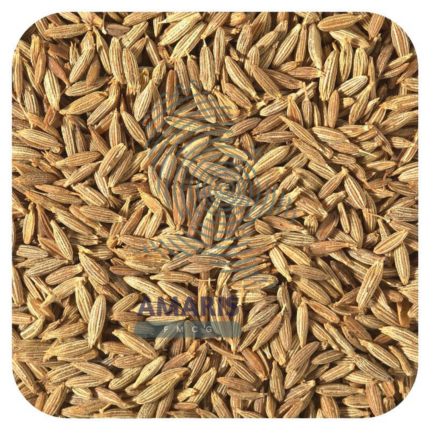
CUMIN SEEDS
Cumin Seeds are the whole dried seeds of Cuminum cyminum, valued for their warm, earthy, slightly bitter flavor and their digestive, hypoglycemic, lipid‑lowering, and nutrient‑absorption‑enhancing properties. For the gastroenterologist, endocrinologist, cardiologist, and primary care physician, cumin seeds serve as a carminative to reduce bloating and flatulence, a complementary agent for blood glucose and cholesterol management, and an enhancer of non‑heme iron absorption for patients at risk of anemia. For the patient, cumin seeds add rich, aromatic flavour to curries, lentils, rice, soups, yoghurt, and marinades while supporting digestive comfort, blood sugar control, heart health, and overall nutrient utilization. Whole seeds have a long shelf life and can be stored for years, then crushed or ground as needed. When used as part of a balanced diet, they contribute to metabolic health, gastrointestinal wellness, and long‑term well‑being.
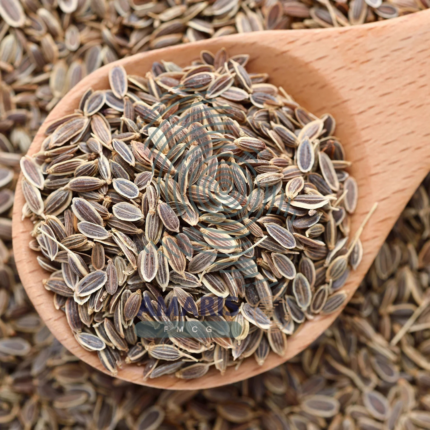
DILL SEEDS
Dill Seeds are the whole dried seeds of Anethum graveolens, valued for their mild, sweet, anise‑like flavour and their digestive, galactagogue, antimicrobial, and antioxidant properties. For the gastroenterologist, pediatrician, lactation consultant, and primary care physician, dill seeds serve as a carminative to reduce flatulence and infantile colic, a galactagogue to support breast milk production, a natural food preservative, and a source of dietary antioxidants for chronic disease prevention. For the patient, dill seeds add a mild, sweet, aromatic flavour to pickles, soups, salads, breads, fish dishes, and teas while soothing digestive discomfort, supporting breastfeeding, freshening breath, and promoting overall wellness. Whole seeds have a long shelf life and can be stored for years, then crushed or ground as needed. When used as part of a balanced diet, they contribute to gastrointestinal comfort, lactation success, and metabolic health.
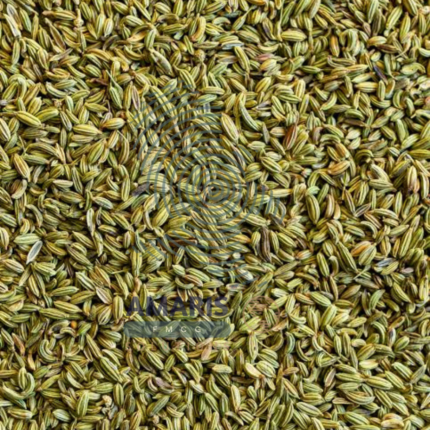
FENNEL SEEDS
Fennel Seeds are the whole dried seeds of Foeniculum vulgare, valued for their sweet, liquorice‑like flavour and their digestive, antispasmodic, galactagogue, and anti‑inflammatory properties. For the pediatrician, gastroenterologist, gynecologist, and primary care physician, fennel seeds serve as a carminative for infantile colic and functional dyspepsia, a natural remedy for menstrual pain (dysmenorrhea), a galactagogue for lactation support, and a digestive aid to reduce bloating and flatulence in patients with IBS. For the patient, fennel seeds add a sweet, aromatic flavour to teas, curries, breads, salads, and spice blends while soothing colic, easing menstrual cramps, supporting breastfeeding, and relieving post‑meal gas and discomfort. Whole seeds have a long shelf life and can be stored for years, then crushed or ground as needed. When used as part of a balanced diet, they contribute to digestive comfort, hormonal balance, and overall well‑being.