 Atta, Flours & Sooji
 Wheat Atta
 Sooji (Semolina)
 Organic Flours
 Besan (Gram Flour)
 Rice Flour
 Rice & Rice Products
 Rice Cakes
 Poha (Flattened Rice)
 Brown & Red Rice
 Basmati Rice
 Non-Basmati Rice
 Dals & Pulses
 Whole Pulses (Rajma, Chana)
 Masoor Dal
 Chana Dal
 Toor Dal
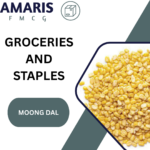 Moong Dal
 Edible Oils
 Blended Oils
 Coconut Oil
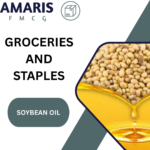 Soybean Oil
 Mustard Oil
 Olive Oil
 Sunflower Oil
 Salt, Sugar & Jaggery
 White & Brown Sugar
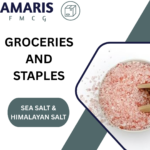 Sea Salt & Himalayan Salt
 Table Salt
 Jaggery (Powdered & Block)
 Spices & Seasonings
 Herbs & Seasoning Packets
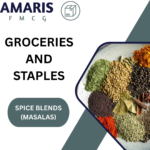 Spice Blends (Masalas)
 Whole Spices
 Powdered Spices
 Sauces, Spreads & Condiments
 Honey, Jam & Spreads
 Soy & Chili Sauce
 Chutneys
 Pickles
 Tomato Ketchup
 Mayonnaise & Dressings
 Breakfast Cereals
 Oats & Muesli
 Granola
 Cornflakes
 Canned & Packaged Foods
 Cream Soups / Tomato Soup
 Tea
Tea Tea Bags
 Herbal & Specialty Tea
 Green Tea
 Black Tea
 Coffee
 Instant Coffee
 Ground Coffee
 Coffee Beans
 Health & Energy Drinks
 Health Supplements Drinks
 Energy Drinks
 Protein Shakes
 Fruit Juices & Drinks
 Coconut Water
 Nectars & Juice Drinks
 100% Juices
 Soft Drinks & Sodas
 Cola
Cola Diet Sodas
 Fruit Sodas
 Lemonade
 Water
Water Sparkling Water
 Packaged Drinking Water
 Flavored Water
 Powdered Drinks
 Drinking Chocolates
 Namkeen & Savory Snacks
 Extruded Snacks
 Mixtures & Bhujia
 Chips & Crisps
 Biscuits & Cookies
 Cookies
 Digestive & Marie
 Glucose Biscuits
 Cream Biscuits
 Chocolates & Candies
 Sweets & Bubble Gum
 Toffees & Hard Candies
 Chocolate Bars
 Boxed Chocolates
 Cakes & Pastries
 Pastries & Danish
 Cupcakes
 Birthday & Celebration Cakes
 Desserts & Ice Cream Toppings
 Caramel & Fruit Toppings
 Chocolate Syrup & Sauce
 Whipped Cream
 Sprinkles & Nuts
 Nuts & Dry Fruits
 Raisins & Apricots
 Roasted & Salted Nuts
 Almonds, Cashews, Walnuts
 Milk
Milk Fresh Milk (Full Cream, Toned)
 Flavored Milk
 Butter & Margarine
 Margarine
 Salted & Unsalted Butter
 Cheese
 Sliced Cheese
 Paneer (Cottage Cheese)
 Cream Cheese & Spreads
 Cheese Blocks (Cheddar, Mozzarella)
 Yogurt & Curd
 Set Curd
 Yogurt Drinks (Lassi, Chaas)
 Greek Yogurt
 Flavored Yogurt
 Cream & Desserts
 Custards & Mousses
 Fresh Cream
 Eggs
Eggs Organic Eggs
 Brown Eggs
 Farm Eggs
 Frozen Vegetables
 Peas, Corn, Mix Veg
 Frozen Snacks & Appetizers
 Samosas & Spring Rolls
 Nuggets & Finger Foods
 Frozen Meat & Poultry
 Frozen Sausages & Hot Dogs
 Frozen Pork
 Frozen Chicken
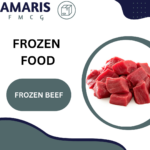 Frozen Beef
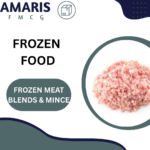 Frozen Meat Blends & Mince
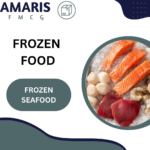 Frozen Seafood
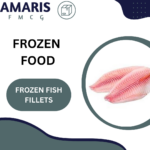 Frozen Fish Fillets
 Frozen Seafood Mixes
 Ice Cream & Frozen Desserts
 Sorbets & Gelato
 Ice Cream Tubs
 Ice Cream Bars & Cones
 Oral Care
 Mouthwash
 Toothpaste
 Toothbrushes (Manual & Electric)
 Bath & Body
 Deodorants & Antiperspirants
 Body Lotions & Moisturizers
 Soaps & Body Wash
 Hair Care
 Styling Products (Gel, Wax, Spray)
 Hair Oils
 Shampoo & Conditioner
 Skincare
 Lip Balm
 Moisturizers & Creams
 Face Wash & Cleansers
 Feminine Hygiene
 Tampons
 Sanitary Pads
 Shaving Needs
 Razors & Blades
 Shaving Cream & Foam
 Vitamins & Supplements
 Multivitamins
 Protein Powder
 Specialty Supplements (Omega-3, Calcium)
 Ayurveda & Herbal
 Herbal Supplements
 Chyawanprash
 Weight Management
 Fitness & Workout Accessories
 Protein Shakes & Powders
 Sports Nutrition
 Energy Bars & Snacks
 Electrolyte & Hydration Drinks
 Sports Multivitamins
 Protein Powders & Shakes
 Dishwashing
 Dishwashing Bars & Liquid
 Dishwasher Detergents
 Laundry
 Fabric Softeners & Whiteners
 Detergent Powder & Liquid
 Detergent Bars
 Floor & Surface Cleaners
 Glass & Mirror Cleaners
 All-Purpose Cleaners
 Floor Cleaners (Liquid, Powder)
 Toilet Cleaners
 Toilet Cleaning Tablets
 Toilet Brush & Cleaner Sets
 Liquid Toilet Cleaners
 Insecticides & Repellents
 Ant & Cockroach Killers
 Mosquito Repellents (Coils, Mats, Sprays)
 Air Fresheners & Fragrances
 Car Air Fresheners
 Essential Oils & Diffusers
 Plug-In Air Fresheners
 Scented Candles
 Room Sprays
 Paper Products
 Tissues & Napkins
 Kitchen Towels
 Toilet Paper
 Baby Food & Formula
 Cereals & Purees
 Infant Formula
 Diapers & Wipes
 Baby Wipes
 Disposable Diapers
 Baby Bath & Skincare
 Diaper Rash Cream
 Baby Soap & Shampoo
 Baby Lotion & Oil
 Dog Food
 Dry Dog Food
 Dog Treats
 Wet Dog Food
 Pet Grooming
 Shampoos & Conditioners
 Brushes & Combs
 Flea & Tick Control
 Grooming Tools & Kits
 Pet Accessories
 Litter & Trays (for cats)
 Collars & Leashes
 Toys & Chew Toys
 Bowls & Feeders
 Cat Food
 Wet Cat Food
 Cat Treats
 Dry Cat Food
 Organic Products
 Organic Beverages
 Organic Supplements
 Organic Food & Snacks
 Gluten-Free
 Gluten-Free Beverages
 Gluten-Free Snacks
 Gluten-Free Pasta & Grains
 Gluten-Free Breads & Bakery
 Vegan Products
 Vegan Supplements
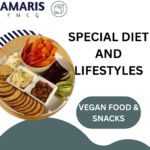 Vegan Food & Snacks
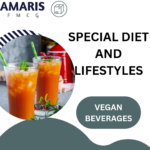 Vegan Beverages
 Sugar-Free & No Added Sugar
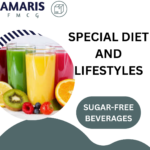 Sugar-Free Beverages
 Sugar-Free Snacks
 Sugar-Free Desserts & Sweets
 Keto-Friendly
 Keto Beverages
 Keto Supplements
 Keto Snacks
 Diabetic-Friendly
 Diabetic-Friendly Supplements
 Diabetic-Friendly Health Monitors & Devices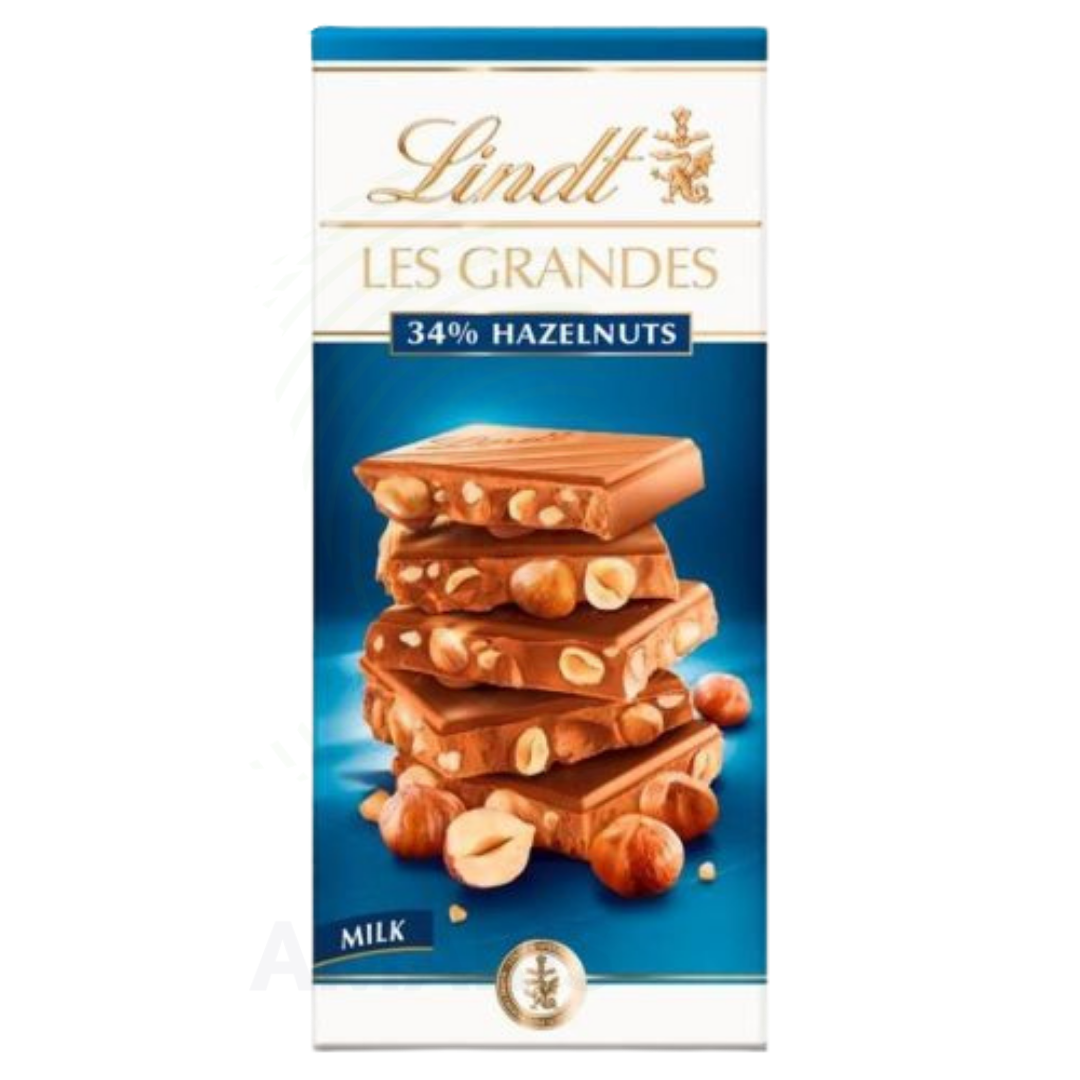

LINDT LES GRANDES MILK HAZELNUT
WhatsApp Order
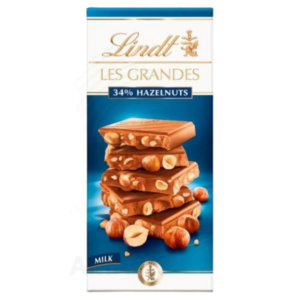
Lindt LES GRANDES Milk Hazelnut is a premium milk chocolate bar from Lindt’s luxury Les Grandes line, containing 35% cocoa solids and 34% hazelnuts in the form of whole roasted hazelnuts and crunchy caramelised hazelnut pieces. A 30 g serving (2 squares) provides approximately 175 kcal, 13 g fat, 12 g sugar, 3 g protein, and 1.5 g fibre. For the dietitian and geriatrician, this product offers concentrated calories for cachectic patients, plant protein and fibre for frail elderly patients, and mood enhancement for palliative care and dementia settings. The sweet, creamy milk chocolate is highly palatable and helps mask metallic dysgeusia in chemotherapy and renal patients. However, whole and crunchy hazelnut pieces pose a significant choking hazard – this product is not suitable for patients with oropharyngeal dysphagia, poor dentition, cognitive impairment, or anyone requiring texture‑modified diets. Contains hazelnuts (tree nuts), milk, and soya. For appropriate patients without swallowing or allergy concerns, a few squares deliver indulgent pleasure with meaningful nutritional and sensory benefits.
Description
LINDT LES GRANDES MILK HAZELNUT
PRIMARY CLINICAL & DIAGNOSTIC USES
1. High-Density Calorie Supplement for Patients with Unintentional Weight Loss or Cachexia
-
Primary Use: Provides an energy-dense milk chocolate bar (approximately 585 kcal per 100 g) containing 34% whole roasted hazelnuts and caramelised hazelnut pieces, designed to supplement oral intake in patients with cancer cachexia, advanced COPD, heart failure, or dementia-related anorexia who require calorie-dense, low-volume nutrition.
-
How it helps: For the dietitian, geriatrician, and palliative care physician, each 30 g serving (2 squares) provides approximately 175 kcal, 13 g fat (including heart‑healthy monounsaturated fats from hazelnuts), 12 g sugar, 3 g protein, and 1.5 g fibre. The creamy milk chocolate (35% cocoa solids) with whole roasted hazelnuts is highly palatable and requires minimal chewing. For the patient, a few squares help maintain weight without feeling overly full, turning a nutritional need into an enjoyable treat.
2. Plant Protein and Dietary Fibre for Malnourished or Frail Elderly Patients
-
Primary Use: The hazelnut component contributes plant-based protein (approximately 2.8 g per serving) and dietary fibre (approximately 1.5 g per serving), complementing the energy density of milk chocolate, making this product suitable for frail elderly patients with sarcopenia, poor appetite, or those requiring increased protein and fibre intake without large food volumes.
-
How it helps: For the geriatrician and dietitian, hazelnuts provide approximately 8 g of protein per 100 g, plus fibre, vitamin E (antioxidant), and magnesium. A 30 g serving provides a meaningful contribution to daily protein and fibre goals, supporting muscle maintenance and digestive regularity. For the patient, a small, enjoyable treat can support strength and comfort.
3. Mood Enhancement and Sensory Stimulation in Palliative Care, Dementia, and Depression
-
Primary Use: Used as a small, comforting treat to elevate mood, provide multi-textural sensory stimulation (smooth milk chocolate, crunchy whole hazelnuts, crisp caramelised pieces), and evoke positive memories in patients receiving palliative care, those with mild to moderate depression, or individuals with dementia.
-
How it helps: For the palliative care physician, hospice nurse, and occupational therapist, the combination of creamy sweet chocolate and crunchy nuts engages multiple senses, improves alertness, and can trigger positive autobiographical memories. Milk chocolate triggers endorphin and serotonin release more readily than dark chocolate due to its higher sugar and fat content. The act of chewing hazelnuts provides proprioceptive and oral motor stimulation. For the patient, a small piece can bring a moment of joy and connection during a difficult illness trajectory.
4. Masking of Unpleasant Tastes (Dysgeusia) in Chemotherapy and Renal Patients
-
Primary Use: The sweet, creamy milk chocolate combined with rich hazelnut flavour effectively masks metallic, bitter, or ammonia‑like tastes reported by patients undergoing chemotherapy, haemodialysis, or those with advanced liver disease, thereby encouraging oral intake when other foods are refused.
-
How it helps: For the oncology dietitian and nephrologist, the strong, pleasant nutty flavour of hazelnut can overpower distorted taste perceptions better than plain chocolate. One or two squares consumed slowly before a meal can help reset the palate. The sweetness of milk chocolate is often better tolerated than the bitterness of dark chocolate by patients with severe taste changes. For the patient, this can reduce meal‑related aversion and support nutritional intake during treatment.
SECONDARY USES
1. Small, portion‑controlled treat for patients with diabetes (in moderation): A 30 g serving (2 squares) contains 12 g sugar. The fibre and fat from hazelnuts help slow gastric emptying and attenuate the glycaemic response compared to plain milk chocolate. Can be incorporated into a diabetic meal plan as an occasional treat, with careful carbohydrate counting.
2. Source of magnesium for patients with muscle cramps or mild deficiency: Hazelnuts are rich in magnesium (approximately 160 mg per 100 g). A 30 g serving provides a small contribution to daily requirements, potentially helping reduce nocturnal leg cramps.
3. Non‑medical comfort for needle phobia or distressing procedures: Offering a square of LES GRANDES Milk Hazelnut as a reward or distraction during venepuncture, cannulation, or vaccinations can reduce anxiety, with the sweet flavour and crunchy texture providing sensory focus.
4. Long shelf‑life, portable snack for homebound or low‑resource patients: Individually packaged 150 g bars have a shelf life of approximately 364 days, making them a practical non‑perishable energy reserve for patients with limited access to fresh snacks.
5. Reward to improve adherence to oral nutritional supplements (ONS): For patients who refuse or struggle to consume prescribed oral nutritional supplements, a small piece offered as positive reinforcement can improve long‑term adherence.
6. Alternative for patients who find dark chocolate too bitter: With 35% cocoa solids and added milk, this bar is sweet, creamy, and mild – suitable for patients, particularly children or older adults, who dislike the bitterness of dark chocolate.
About brand
Lindt is a premium chocolate range known for its smooth, creamy chocolate truffle center and rich flavor. Each truffle has a delicate chocolate shell that melts into a luxurious filling with every bite. It is ideal for enjoying as a personal treat, sharing with family and friends, or giving as a thoughtful gift. Lindt Lindor offers a delicious and indulgent chocolate experience for any occasion.
KEY PRODUCT FEATURES
1. BASIC IDENTIFICATION ATTRIBUTES
-
Device Type: Solid milk chocolate bar with whole roasted hazelnuts and caramelised hazelnut pieces.
-
Designation: Lindt LES GRANDES Milk Hazelnut, Lindt Les Grandes Milk Chocolate with Hazelnut.
-
Key Components: Sugar, hazelnuts (34%) (whole and ground), cocoa butter, whole milk powder, cocoa mass, caramelised hazelnuts (7%) [hazelnuts (70%), sugar], skimmed milk powder, emulsifier (soya lecithin), barley malt extract, natural vanilla flavouring.
-
Cocoa Solids: 35% minimum.
-
Milk Solids: 18% minimum.
-
Hazelnut Content: 34% of total weight.
2. TECHNICAL & PERFORMANCE PROPERTIES
-
Physical Form: Solid bar (breakable squares) with visible whole roasted hazelnuts and smaller caramelised hazelnut pieces.
-
Flavour Profile: Sweet, creamy milk chocolate with rich, roasted, nutty notes from hazelnuts and sweet, crunchy caramelised pieces.
-
Texture: Variable – smooth, creamy milk chocolate matrix with firm, crunchy whole hazelnuts and crispy, sweet caramelised pieces.
-
Energy Density: Approximately 585 kcal per 100 g; 175 kcal per 30 g serving (2 squares).
-
Fat Content: 43 g per 100 g (saturated 21 g).
-
Carbohydrate Content: 44 g per 100 g (sugars 41 g).
-
Protein Content: 9 g per 100 g; 2.7 g per 30 g serving.
-
Fibre Content: Approximately 5 g per 100 g.
-
Shelf Life (unopened): Approximately 364 days when stored at 14‑18°C (57‑64°F).
-
Packaging: Foil‑wrapped bar inside outer packaging. Standard size: 150 g.
-
Allergen Information: Contains hazelnuts (tree nuts), milk, soya, and barley (gluten). Not suitable for patients with tree nut allergy, cow's milk protein allergy, soya allergy, or coeliac disease/gluten sensitivity.
3. PHYSICAL & OPERATIONAL PROPERTIES
-
Preparation: No preparation required. Break into squares. Serve at room temperature (18‑20°C).
-
Usage Instructions: Unwrap and enjoy. Chew carefully due to whole hazelnuts and crunchy pieces. Not suitable for patients with dysphagia, poor dentition, cognitive impairment, or anyone requiring texture‑modified diets.
-
Storage Conditions: Store in a cool (14‑18°C), dry, dark place, away from strong odours. Avoid temperature fluctuations to prevent chocolate bloom.
-
Portion Size: 15‑30 g (1‑2 squares) per day as an occasional treat.
4. SAFETY & COMPLIANCE ATTRIBUTES
-
Allergens: Contains hazelnuts, milk, soya, barley (gluten). Contraindicated in patients with tree nut allergy, cow's milk protein allergy, soya allergy, or coeliac disease. May contain other tree nuts.
-
Nutritional Caution: High in sugar (41 g per 100 g) and saturated fat (21 g per 100 g). Patients with diabetes, hypertriglyceridemia, obesity, or hypercholesterolaemia should use sparingly.
-
Choking Hazard: Whole hazelnuts and crunchy pieces pose a significant risk of airway obstruction. Contraindicated in patients with oropharyngeal dysphagia, following stroke, with Parkinson's disease, advanced dementia, poor dentition, or any condition requiring texture‑modified diets.
-
Quality Assurance: Manufactured under GMP and HACCP in Switzerland.
5. STORAGE & HANDLING ATTRIBUTES
-
Storage: Keep unopened in a cool, dark cupboard (14‑18°C). Avoid temperature fluctuations.
-
Shelf Life: Refer to "best before" date on package (approx. 364 days).
-
Usage: Remove wrapper before serving. Do not give to patients with swallowing difficulties or young children.
-
Inspection: Discard if mould, rancid odour, or significant colour change (green/grey) is observed. Rancid hazelnuts have a bitter, paint‑like smell. White surface bloom is harmless.
SAFETY HANDLING PRECAUTIONS
1. SAFETY PRECAUTIONS
Choking hazard – contraindicated in dysphagia, poor dentition, cognitive impairment: Whole hazelnuts and crunchy caramelised pieces can cause airway obstruction. Do not use in patients with oropharyngeal dysphagia, after stroke, with Parkinson's disease, advanced dementia, poor dentition, or anyone requiring texture‑modified diets (IDDSI Levels 0‑5). For patients cleared for solid crunchy foods, extreme caution (supervision, small pieces, careful chewing) is required.
Tree nut allergy – contraindicated: Contains hazelnuts (34% of product weight). Patients with confirmed tree nut allergy (including hazelnut) must avoid. Cross‑contamination with other nuts is possible.
Milk allergy – contraindicated: Contains whole and skimmed milk powder. Patients with cow's milk protein allergy must avoid.
Soya allergy – contraindicated: Contains soya lecithin.
Gluten/coeliac – contraindicated: Contains barley malt extract. Not suitable for patients with coeliac disease or gluten sensitivity.
Sugar content – monitor in diabetes: 30 g serving contains 12 g sugar. Account in carbohydrate counting.
Saturated fat – caution in hypercholesterolaemia: 30 g serving contains approximately 6.5 g saturated fat.
Dental caries risk – high sugar and sticky texture: Advise brushing or rinsing after consumption. Hazelnut pieces may lodge between teeth.
Dental damage – hard hazelnuts may fracture teeth: Patients with fragile teeth or dental restorations should avoid or exercise extreme caution.
Theobromine content – lower than dark chocolate but present: Excessive consumption (>75 g daily) may cause nausea, headache, palpitations in sensitive individuals.
Migraine trigger – avoid in patients with known chocolate or nut sensitivity.
Pet toxicity – keep away from animals: Milk chocolate and hazelnuts are harmful to dogs and cats.
Infant and toddler safety – not suitable for children under 3 years: Choking hazard, high sugar, and theobromine.
Training requirement: Assess swallowing, dental, and allergy status before recommending. Educate on portion control, choking risk, and allergen awareness.
2. FIRST AID MEASURES
Choking: Standard back blows and abdominal thrusts. Call emergency services if obstruction persists.
Ingestion of large quantity (>50‑75 g): May cause nausea, vomiting, abdominal pain, diarrhoea, headache, palpitations. Large amounts of hazelnuts may cause gastrointestinal obstruction. Seek medical attention for severe symptoms.
Allergic reaction (hazelnuts, milk, soya, gluten): Administer epinephrine if prescribed and seek emergency care immediately.
Dental injury (fractured tooth): Advise dental evaluation. Rinse mouth with warm water. Apply cold compress if swelling.
3. FIRE FIGHTING MEASURES
Flammability: Fat‑ and sugar‑based; flammable if exposed to open flame. Hazelnut oils intensify burning.
Extinguishing Media: Use foam, dry chemical, or CO₂. Do not use water.
Fire Response: For small fires, smother or use extinguisher. Evacuate for larger fires.
Related products
CADBURY CARAMILK GOLDEN CARAMEL BAR
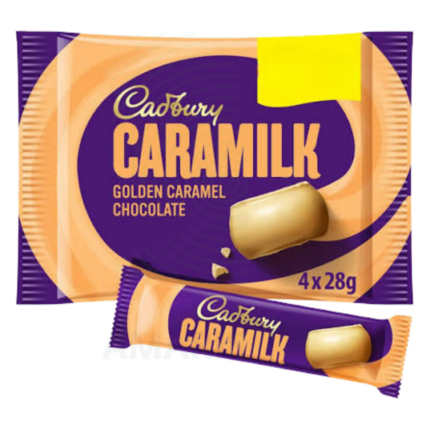
Cadbury Caramilk is a golden caramel chocolate bar featuring a unique blend of white chocolate and caramelised milk powder developed for the UK, Ireland, Australia, and South Africa . Each 25g serving provides approximately 136-151 kcal and 8-9g fat . Available in 80g, 90g, and 180g blocks, plus P.S. wafer bars and Marble variants . For clinicians, it offers a palatable, energy-dense treat for patients with poor appetite. Contains milk, soya; may contain nuts and gluten. Vegetarian-friendly. Not suitable for dysphagia patients. Keep away from pets—chocolate is toxic to dogs and cats.
CADBURY CARAMILK MINI BARS
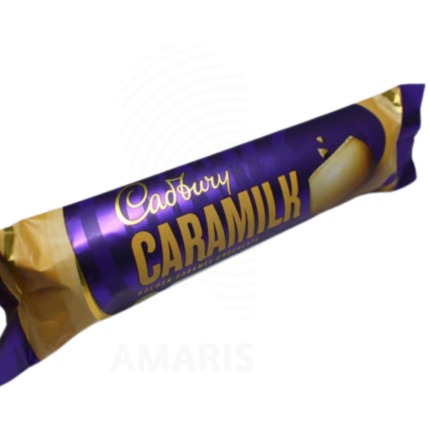
Cadbury Caramilk Mini Bars feature a golden caramelised white chocolate exterior with a soft-flowing caramel centre. Each 10.5g bar is individually wrapped; a 147g share pack contains 14 bars . For clinicians, they offer a palatable, energy-dense supplement for patients with poor appetite. Contains milk, soya; may contain peanuts and tree nuts. Not suitable for patients with dysphagia. The caramelised white chocolate is a unique flavour—less sweet than standard chocolate with a creamy, toasty profile. Keep away from pets—chocolate is toxic to dogs and cats.
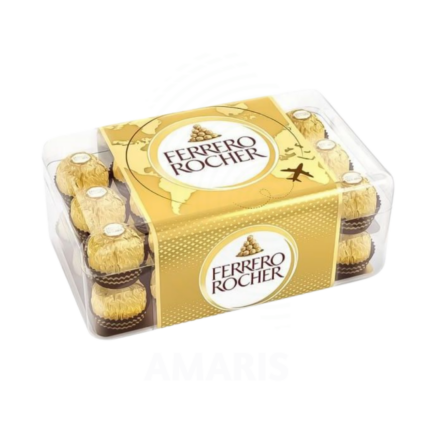
FERRERO ROCHER HAZELNUT TRUFFLES
Ferrero Rocher features a whole roasted hazelnut encased in smooth hazelnut filling, surrounded by a crispy wafer, and coated in milk chocolate with hazelnut pieces. Each 25g serving (2 pieces) provides 150 calories, 11g fat, and 10g sugar. For clinicians, they offer sensory stimulation for patients with reduced appetite and energy-dense calories. Contains hazelnuts, wheat, milk, soya; may contain almonds. Not suitable for dysphagia patients. Keep away from pets—chocolate is toxic to dogs and cats.
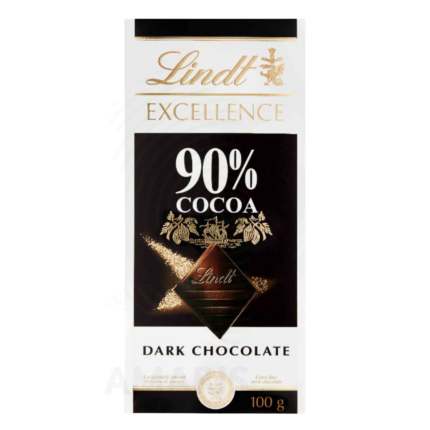
LINDT EXCELLENCE COCOA
Lindt Excellence Cocoa (Cocoa Pure 82%) is a revolutionary no‑added‑sugar dark chocolate bar where 100% of the ingredients come from the natural cocoa fruit. It combines 82% cocoa mass with 18% naturally sweet and sour cocoa pulp, resulting in a pure, intense chocolate experience without refined sugar. A 20g serving (4 squares) provides approx. 95 kcal, <1g sugar, and less than 1g net carbs. For the cardiologist and endocrinologist, this bar delivers high‑density cocoa flavanols for cardiovascular support without the sugar burden for diabetic or prediabetic patients. The pure, bitter‑fruity flavour effectively masks dysgeusia in chemotherapy and renal patients. The theobromine content provides a gentle mood and energy lift. However, hard dark chocolate pieces pose a choking hazard – not for patients with dysphagia, poor dentition, or cognitive impairment. Contains cocoa mass, cocoa butter, and milk fat; may contain traces of nuts, soya, and gluten. Caution in pregnancy due to cadmium. For appropriate patients, this bar offers the purest chocolate indulgence with meaningful cardiometabolic and sensory benefits.
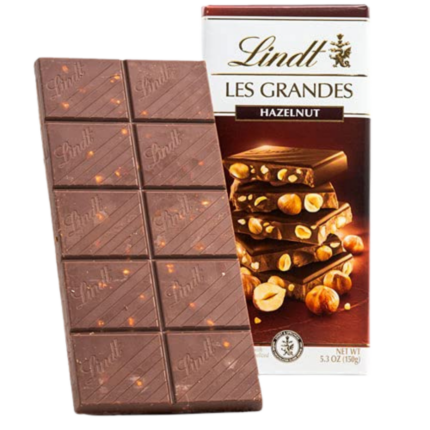
LINDT LES GRANDES DARK HAZELNUT
Lindt LES GRANDES Dark Hazelnut is a premium dark chocolate bar from Lindt's luxury Les Grandes line, containing 43% cocoa solids and 34% hazelnuts in the form of whole roasted hazelnuts and crunchy caramelised hazelnut pieces. A 30 g serving (2 squares) provides approximately 170 kcal, 12 g fat, 11 g sugar, 2 g protein, and 2 g fibre. For the dietitian and geriatrician, this product offers concentrated calories for cachectic patients, plant protein and fibre for frail elderly patients, and dual antioxidant support from cocoa flavanols and hazelnut vitamin E for cardiovascular health. The combination of smooth dark chocolate and crunchy hazelnut pieces provides multi-textural sensory stimulation useful for mood enhancement in palliative care, dementia, and depression settings. However, whole and crunchy hazelnut pieces pose a significant choking hazard – this product is not suitable for patients with oropharyngeal dysphagia, poor dentition, cognitive impairment, or anyone requiring texture‑modified diets. Contains hazelnuts (tree nuts), milk, and soya. Dark chocolate may contain measurable cadmium and lead – caution in pregnancy and children. For appropriate patients without swallowing or allergy concerns, a few squares deliver indulgent pleasure with meaningful nutritional and sensory benefits.
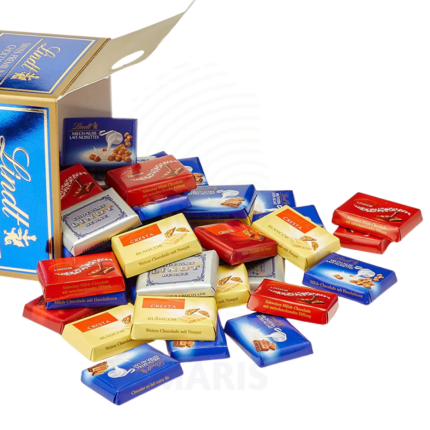
LINDT LINDOR MILK HAZELNUT TRUFFLES
Lindt LINDOR Milk Hazelnut Truffles feature a milk chocolate shell with crunchy roasted hazelnut pieces surrounding an irresistibly smooth melting centre. Each 36g serving (3 truffles) provides 220-230 kcal, 18g fat, 15g carbs, and 14g sugar. The hazelnut content adds protein (5.1g/100g) and healthy fats. For clinicians, they offer sensory pleasure for patients with reduced appetite and energy-dense calories. Contains milk, soya, barley, hazelnuts; may contain other nuts. Gluten-free (<20 mg/kg gluten). Not suitable for dysphagia patients. Keep away from pets.
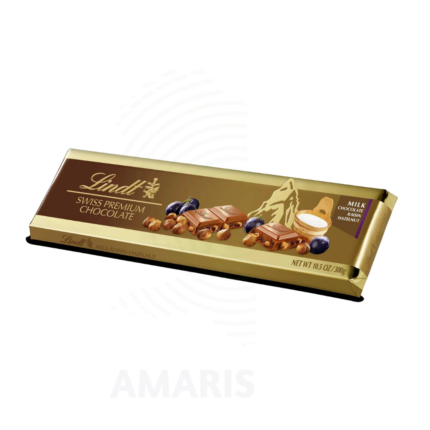
SWISS RAISIN & HAZELNUT
Swiss Raisin & Hazelnut is a premium milk chocolate confection from Swiss chocolatiers (Lindt, Cailler, Villars), combining creamy milk chocolate with sweet raisins and roasted hazelnut pieces. Per 100 g: approximately 520‑550 kcal, 28‑33 g fat, 50‑55 g carbohydrates, 6‑8 g protein, and 7‑9 g fibre. For the dietitian and geriatrician, it provides a concentrated calorie and nutrient source for cachectic patients, dietary fibre for constipation management, and antioxidants (polyphenols, vitamin E) for cardiovascular support. However, hard hazelnut pieces and chewy raisins pose a significant choking hazard – this product is not suitable for patients with dysphagia, poor dentition, or cognitive impairment. Contraindicated in tree nut (hazelnut) and milk allergy. For appropriate patients without swallowing or allergy concerns, a small piece offers indulgent pleasure and meaningful nutrition.