 Atta, Flours & Sooji
 Wheat Atta
 Sooji (Semolina)
 Organic Flours
 Besan (Gram Flour)
 Rice Flour
 Rice & Rice Products
 Rice Cakes
 Poha (Flattened Rice)
 Brown & Red Rice
 Basmati Rice
 Non-Basmati Rice
 Dals & Pulses
 Whole Pulses (Rajma, Chana)
 Masoor Dal
 Chana Dal
 Toor Dal
 Moong Dal
 Edible Oils
 Blended Oils
 Coconut Oil
 Soybean Oil
 Mustard Oil
 Olive Oil
 Sunflower Oil
 Salt, Sugar & Jaggery
 White & Brown Sugar
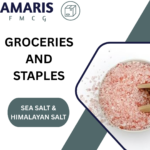 Sea Salt & Himalayan Salt
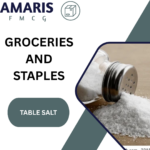 Table Salt
 Jaggery (Powdered & Block)
 Spices & Seasonings
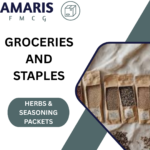 Herbs & Seasoning Packets
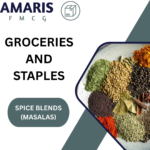 Spice Blends (Masalas)
 Whole Spices
 Powdered Spices
 Sauces, Spreads & Condiments
 Honey, Jam & Spreads
 Soy & Chili Sauce
 Chutneys
 Pickles
 Tomato Ketchup
 Mayonnaise & Dressings
 Breakfast Cereals
 Oats & Muesli
 Granola
 Cornflakes
 Tea
Tea Tea Bags
 Herbal & Specialty Tea
 Green Tea
 Black Tea
 Coffee
 Instant Coffee
 Ground Coffee
 Coffee Beans
 Health & Energy Drinks
 Health Supplements Drinks
 Energy Drinks
 Protein Shakes
 Fruit Juices & Drinks
 Coconut Water
 Nectars & Juice Drinks
 100% Juices
 Soft Drinks & Sodas
 Cola
Cola Diet Sodas
 Fruit Sodas
 Lemonade
 Water
Water Sparkling Water
 Packaged Drinking Water
 Flavored Water
 Namkeen & Savory Snacks
 Extruded Snacks
 Mixtures & Bhujia
 Chips & Crisps
 Biscuits & Cookies
 Cookies
 Digestive & Marie
 Glucose Biscuits
 Cream Biscuits
 Chocolates & Candies
 Sweets & Bubble Gum
 Toffees & Hard Candies
 Chocolate Bars
 Boxed Chocolates
 Cakes & Pastries
 Pastries & Danish
 Cupcakes
 Birthday & Celebration Cakes
 Desserts & Ice Cream Toppings
 Caramel & Fruit Toppings
 Chocolate Syrup & Sauce
 Whipped Cream
 Sprinkles & Nuts
 Nuts & Dry Fruits
 Raisins & Apricots
 Roasted & Salted Nuts
 Almonds, Cashews, Walnuts
 Milk
Milk Fresh Milk (Full Cream, Toned)
 Flavored Milk
 Butter & Margarine
 Margarine
 Salted & Unsalted Butter
 Cheese
 Sliced Cheese
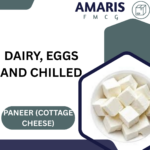 Paneer (Cottage Cheese)
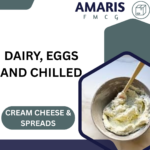 Cream Cheese & Spreads
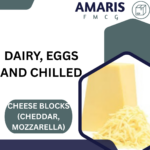 Cheese Blocks (Cheddar, Mozzarella)
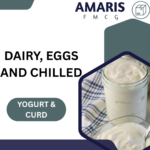 Yogurt & Curd
 Set Curd
 Yogurt Drinks (Lassi, Chaas)
 Greek Yogurt
 Flavored Yogurt
 Cream & Desserts
 Custards & Mousses
 Fresh Cream
 Eggs
Eggs Organic Eggs
 Brown Eggs
 Farm Eggs
 Frozen Vegetables
 Peas, Corn, Mix Veg
 Frozen Snacks & Appetizers
 Samosas & Spring Rolls
 Nuggets & Finger Foods
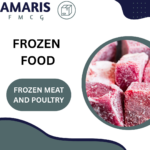 Frozen Meat & Poultry
 Frozen Sausages & Hot Dogs
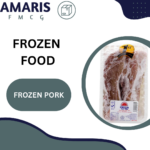 Frozen Pork
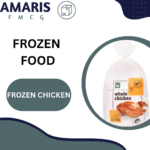 Frozen Chicken
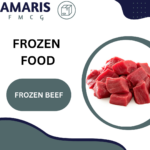 Frozen Beef
 Frozen Meat Blends & Mince
 Frozen Seafood
 Frozen Fish Fillets
 Frozen Seafood Mixes
 Ice Cream & Frozen Desserts
 Sorbets & Gelato
 Ice Cream Tubs
 Ice Cream Bars & Cones
 Oral Care
 Mouthwash
 Toothpaste
 Toothbrushes (Manual & Electric)
 Bath & Body
 Deodorants & Antiperspirants
 Body Lotions & Moisturizers
 Soaps & Body Wash
 Hair Care
 Styling Products (Gel, Wax, Spray)
 Hair Oils
 Shampoo & Conditioner
 Skincare
 Lip Balm
 Moisturizers & Creams
 Face Wash & Cleansers
 Feminine Hygiene
 Tampons
 Sanitary Pads
 Shaving Needs
 Razors & Blades
 Shaving Cream & Foam
 Vitamins & Supplements
 Multivitamins
 Protein Powder
 Specialty Supplements (Omega-3, Calcium)
 Ayurveda & Herbal
 Herbal Supplements
 Chyawanprash
 Weight Management
 Fitness & Workout Accessories
 Protein Shakes & Powders
 Sports Nutrition
 Energy Bars & Snacks
 Electrolyte & Hydration Drinks
 Sports Multivitamins
 Protein Powders & Shakes
 Dishwashing
 Dishwashing Bars & Liquid
 Dishwasher Detergents
 Laundry
 Fabric Softeners & Whiteners
 Detergent Powder & Liquid
 Detergent Bars
 Floor & Surface Cleaners
 Glass & Mirror Cleaners
 All-Purpose Cleaners
 Floor Cleaners (Liquid, Powder)
 Toilet Cleaners
 Toilet Cleaning Tablets
 Toilet Brush & Cleaner Sets
 Liquid Toilet Cleaners
 Insecticides & Repellents
 Ant & Cockroach Killers
 Mosquito Repellents (Coils, Mats, Sprays)
 Air Fresheners & Fragrances
 Car Air Fresheners
 Essential Oils & Diffusers
 Plug-In Air Fresheners
 Scented Candles
 Room Sprays
 Paper Products
 Tissues & Napkins
 Kitchen Towels
 Toilet Paper
 Baby Food & Formula
 Cereals & Purees
 Infant Formula
 Diapers & Wipes
 Baby Wipes
 Disposable Diapers
 Baby Bath & Skincare
 Diaper Rash Cream
 Baby Soap & Shampoo
 Baby Lotion & Oil
 Dog Food
 Dry Dog Food
 Dog Treats
 Wet Dog Food
 Pet Grooming
 Shampoos & Conditioners
 Brushes & Combs
 Flea & Tick Control
 Grooming Tools & Kits
 Pet Accessories
 Litter & Trays (for cats)
 Collars & Leashes
 Toys & Chew Toys
 Bowls & Feeders
 Cat Food
 Wet Cat Food
 Cat Treats
 Dry Cat Food
 Organic Products
 Organic Beverages
 Organic Supplements
 Organic Food & Snacks
 Gluten-Free
 Gluten-Free Beverages
 Gluten-Free Snacks
 Gluten-Free Pasta & Grains
 Gluten-Free Breads & Bakery
 Vegan Products
 Vegan Supplements
 Vegan Food & Snacks
 Vegan Beverages
 Sugar-Free & No Added Sugar
 Sugar-Free Beverages
 Sugar-Free Snacks
 Sugar-Free Desserts & Sweets
 Keto-Friendly
 Keto Beverages
 Keto Supplements
 Keto Snacks
 Diabetic-Friendly
 Diabetic-Friendly Supplements
 Diabetic-Friendly Health Monitors & Devices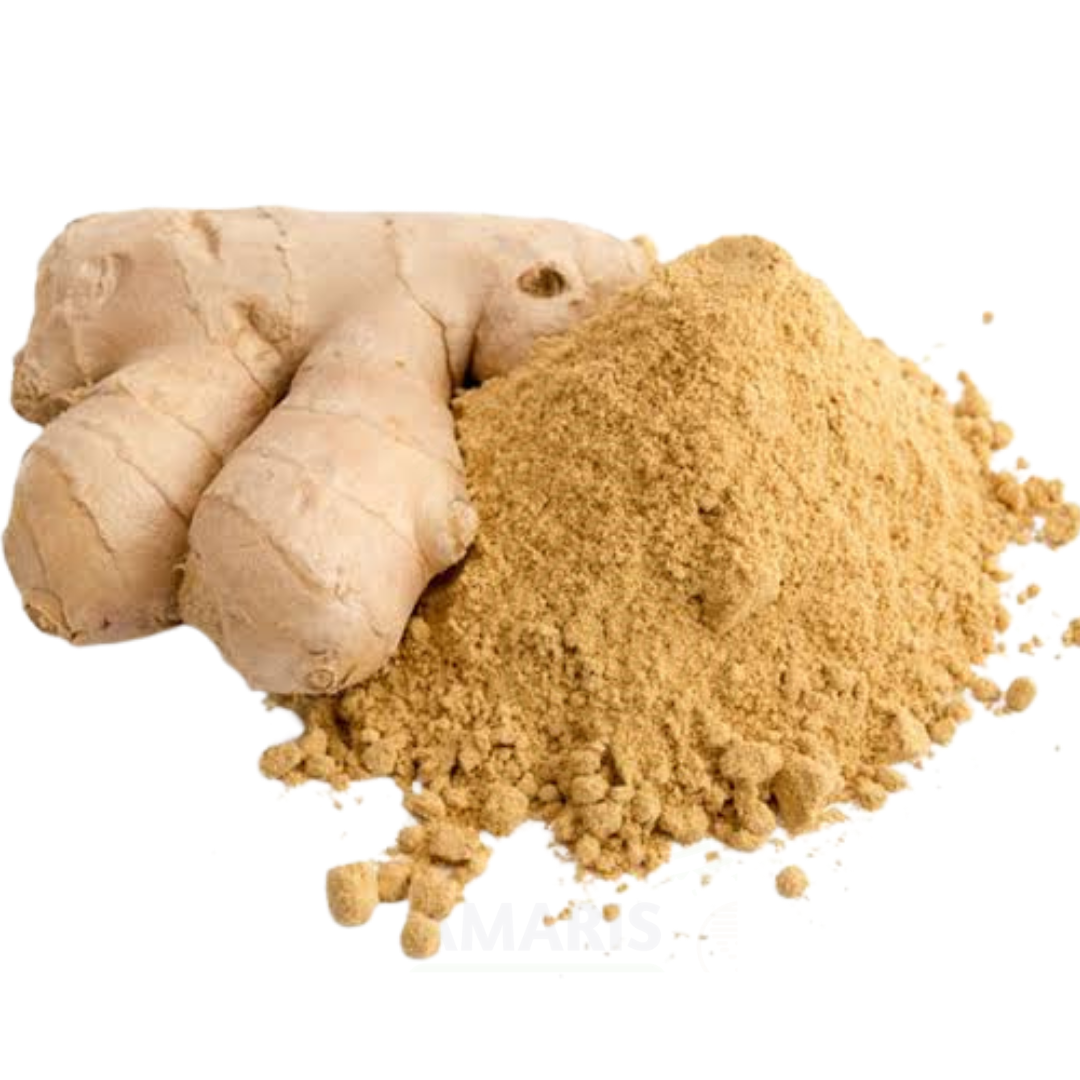
GINGER POWDER
WhatsApp Order
Ginger Powder is a finely ground spice made from dried ginger root (Zingiber officinale), valued for its warm, pungent flavor and its clinically demonstrated antiemetic, anti-inflammatory, prokinetic, and cardiovascular properties. For the gastroenterologist, rheumatologist, obstetrician, and primary care physician, it serves as an effective natural remedy for nausea (post-operative, chemotherapy-induced, pregnancy-related morning sickness), osteoarthritis pain, functional dyspepsia, and modest blood pressure/lipid modulation. For the patient, ginger powder adds warmth and spice to teas, curries, soups, baked goods, and smoothies while soothing nausea, reducing joint pain, improving digestion, and supporting heart health. When used as part of a balanced diet, it contributes to gastrointestinal comfort, inflammatory balance, and overall wellness.
Description
GINGER POWDER
PRIMARY CLINICAL & DIAGNOSTIC USES
1. Management of Nausea and Vomiting (Post-Operative, Chemotherapy, Pregnancy)
• Primary Use: Provides finely ground dried ginger root (Zingiber officinale) containing gingerols and shogaols, which have antiemetic properties that reduce nausea and vomiting in various clinical settings, including post-operative recovery, chemotherapy-induced nausea, and pregnancy-related morning sickness.
• How it helps: For the anesthesiologist, oncologist, and obstetrician, multiple systematic reviews and meta-analyses have demonstrated that ginger is more effective than placebo and comparable to some antiemetic drugs (e.g., metoclopramide, ondansetron) for reducing post-operative nausea and vomiting. For morning sickness, 1 gram of ginger daily has been shown to significantly reduce nausea severity without increasing miscarriage risk. For the patient, taking ginger powder as tea (½ to 1 teaspoon in warm water) or in capsules provides a natural, well-tolerated option for nausea relief, though pregnant women should consult their obstetrician before use.
2. Anti-inflammatory Support for Osteoarthritis and Joint Pain
• Primary Use: Gingerols and shogaols in ginger have potent anti-inflammatory properties that inhibit cyclooxygenase (COX) and lipoxygenase pathways, reducing joint pain and stiffness in patients with osteoarthritis, particularly of the knee.
• How it helps: For the rheumatologist and primary care physician, randomized controlled trials have shown that ginger extract (equivalent to 1-2 teaspoons of ginger powder daily) can reduce pain and disability in knee osteoarthritis by 30-40%, comparable to ibuprofen in some studies. The anti-inflammatory effects are dose-dependent. For the patient, adding ginger powder to meals, tea, or smoothies provides a complementary, non-pharmacological option for managing chronic joint pain, though it should not replace prescribed anti-inflammatory medications.
3. Gastrointestinal Motility and Management of Functional Dyspepsia
• Primary Use: Ginger stimulates gastric emptying and enhances antral contractions, reducing symptoms of functional dyspepsia (bloating, fullness, epigastric discomfort) and improving gastrointestinal motility in patients with gastroparesis or slow digestion.
• How it helps: For the gastroenterologist, clinical studies have demonstrated that ginger accelerates gastric emptying by 20-50% in patients with functional dyspepsia, reducing postprandial fullness, bloating, and nausea. The prokinetic effects are mediated through serotonin (5-HT3) receptor antagonism and cholinergic pathways. For the patient, taking ginger powder 30 minutes before meals (½ teaspoon in warm water) can reduce digestive discomfort and improve meal tolerance.
3. Cardiovascular Health through Blood Pressure and Lipid Modulation
• Primary Use: Ginger has been shown to modestly reduce systolic and diastolic blood pressure, lower total cholesterol and triglycerides, and improve endothelial function, supporting cardiovascular health in patients with hypertension or metabolic syndrome.
• How it helps: For the cardiologist and primary care physician, meta-analyses have reported that ginger supplementation (equivalent to 1-2 teaspoons of ginger powder daily) can lower systolic blood pressure by 5-10 mmHg and reduce triglycerides by 15-25 mg/dL. The effects are attributed to vasodilation, inhibition of calcium channels, and antioxidant properties. For the patient, incorporating ginger powder into daily cooking or tea provides a simple, flavorful way to support heart health alongside prescribed medications.
SECONDARY & SUPPORTIVE USES
1. Menstrual Pain Relief (Dysmenorrhea): Ginger has been shown to reduce the severity and duration of primary dysmenorrhea, with effects comparable to ibuprofen or mefenamic acid in some trials. Taking 1 gram of ginger powder daily (in divided doses) starting 2-3 days before menstruation can significantly reduce pelvic pain.
2. Antimicrobial Activity Against Respiratory Pathogens: Gingerols exhibit antimicrobial activity against certain bacteria and viruses. Ginger tea may provide symptomatic relief for sore throat and mild upper respiratory infections, though it is not a substitute for antibiotics.
3. Antioxidant Protection for Chronic Disease Prevention: Ginger powder is rich in gingerols, shogaols, and other phenolic compounds that neutralize free radicals, reduce oxidative stress, and protect against aging-related diseases.
4. Natural Decongestant for Sinusitis and Colds: The warming effect and mild expectorant properties of ginger may help thin nasal secretions and soothe sore throat. A pinch of ginger powder added to honey and warm water provides temporary relief.
5. Flavor Enhancer for Low-Sodium Diets in Hypertensive Patients: The warm, pungent flavor of ginger allows patients to reduce added salt while still producing palatable dishes, supporting sodium restriction.
6. Management of Chemotherapy-Induced Nausea (Adjunct): Ginger can be used as an adjunct to standard antiemetic medications for chemotherapy-induced nausea, though patients should inform their oncologist before use to avoid interactions with other drugs metabolized by CYP3A4.
7. Topical Anti-inflammatory for Muscle Soreness (Diluted Paste): A paste of ginger powder mixed with water or carrier oil (1:10 dilution) may be applied topically to sore muscles or arthritic joints, though patients should test a small area first due to risk of skin irritation.
KEY PRODUCT FEATURES
1. BASIC IDENTIFICATION ATTRIBUTES
-
Device Type: A finely ground powder made from dried ginger root.
-
Designation: Ginger Powder, Ground Ginger, Adrak Powder.
-
Key Components: Ground dried ginger root (Zingiber officinale). Major bioactive compounds: gingerols (6-gingerol, 8-gingerol, 10-gingerol), shogaols (6-shogaol), zingerone, paradols.
2. TECHNICAL & PERFORMANCE PROPERTIES
-
Physical Form: Dry, free-flowing powder with a fine to medium grind consistency.
-
Flavor Profile: Warm, pungent, slightly sweet, with a characteristic spicy and peppery note.
-
Color: Light tan to pale brown (can range from off-white to light brown depending on freshness and processing).
-
Gingerol Content: 1-3% (primary bioactive responsible for anti-inflammatory and antiemetic effects).
-
Shelf Life (unopened): 12-24 months when stored in a cool, dry place away from direct sunlight.
-
Shelf Life (opened): Best used within 6-12 months; store in an airtight container.
-
Packaging: Available in glass jars, plastic jars, stand-up resealable pouches, or bulk bags. Common sizes include 25g, 50g, 100g, 200g, 500g, and 1kg.
-
Allergen Information: Naturally free from common allergens. May be processed in facilities that handle mustard, wheat, nuts, or other spices.
3. PHYSICAL & OPERATIONAL PROPERTIES
-
Preparation: No preparation required. Add to dishes during cooking or as a finishing spice. Use ½ to 1 teaspoon per dish, adjusted to taste.
-
Usage Instructions: Widely used in curries, soups, stews, marinades, teas (ginger tea), baked goods (gingerbread, cookies), smoothies, and spice blends. For nausea relief, steep ½ to 1 teaspoon in hot water for 5-10 minutes.
-
Storage Conditions: Store in a cool, dry place, away from heat, humidity, and direct sunlight. Keep container tightly sealed after each use.
4. SAFETY & COMPLIANCE ATTRIBUTES
-
Regulatory Status: General food seasoning. In Kenya, subject to KEBS (Kenya Bureau of Standards) food safety regulations for spices and seasonings.
-
Allergen Information: Generally free from major allergens. Suitable for most individuals.
-
Antiplatelet Effect — Bleeding Risk (Theoretical, High Doses Only): Ginger may inhibit platelet aggregation at very high doses (more than 4 grams daily). Patients on anticoagulants (warfarin, rivaroxaban, apixaban) or antiplatelet drugs (aspirin, clopidogrel) should use normal culinary amounts (½-1 teaspoon daily) and avoid high-dose supplements. Discontinue high-dose ginger supplements 1-2 weeks before elective surgery.
-
Gallstone Disease (Theoretical): Ginger may stimulate bile flow. Patients with known gallstones should use in moderation and consult their physician if experiencing pain.
-
Pregnancy and Breastfeeding: Culinary amounts are considered safe. For morning sickness, up to 1 gram of ginger powder daily is generally accepted as safe during pregnancy, but patients should consult their obstetrician before use. Avoid large medicinal doses in the third trimester (theoretical risk of uterine stimulation).
-
Gastroesophageal Reflux Disease (GERD): Ginger may cause mild heartburn in some sensitive individuals, especially on an empty stomach. Advise taking with food.
-
Diabetes Interaction (Theoretical): Ginger may lower blood glucose. Patients with diabetes should monitor blood glucose when increasing ginger intake, though culinary amounts are unlikely to cause significant changes.
-
Sodium Content: Contains no sodium. Suitable for low-sodium diets.
-
Quality Assurance: Manufactured under GMP (Good Manufacturing Practices) and subject to quality control for microbial contaminants, heavy metals, and pesticide residues per local regulations.
5. STORAGE & HANDLING ATTRIBUTES
-
Storage: Store in a cool, dry place, away from heat, humidity, and direct sunlight. Do not refrigerate (condensation may cause clumping).
-
Shelf Life: Refer to "best by" date on the package. Once opened, use within 6-12 months for optimal flavor and gingerol content.
-
Usage: Use a clean, dry spoon to remove powder from the container. Avoid introducing moisture.
-
Inspection: Discard if mold, off-odor (rancid or musty), insect infestation, or significant colour change (darkening) is observed.
SAFETY HANDLING PRECAUTIONS
1. SAFETY PRECAUTIONS
-
Bleeding Risk — Anticoagulant and Antiplatelet Interaction (High Doses Only): Ginger has mild antiplatelet effects at very high doses (more than 4 grams daily, equivalent to 2-3 tablespoons). Patients on anticoagulants (warfarin, rivaroxaban, apixaban, heparin) or antiplatelet drugs (aspirin, clopidogrel, ticagrelor) can safely use normal culinary amounts (½-1 teaspoon daily). Advise against high-dose supplements without physician approval. Discontinue high-dose ginger supplements 1-2 weeks before elective surgery.
-
Pregnancy — Morning Sickness Use (Safe, but Consult Physician): Up to 1 gram of ginger powder daily is generally recognized as safe for morning sickness in the first and second trimesters. However, patients should consult their obstetrician before use. Avoid high doses (more than 1 gram daily) in the third trimester due to theoretical risk of uterine stimulation (limited evidence).
-
Gastrointestinal Irritation — Heartburn and GERD: Some individuals may experience mild heartburn, bloating, or gastric irritation when taking ginger powder, especially on an empty stomach. Advise taking with food or in tea. Discontinue if severe discomfort occurs.
-
Gallbladder Disease — Potential Bile Stimulation: Ginger may stimulate gallbladder contraction. Patients with known gallstones, cholecystitis, or biliary obstruction should use in moderation and consult their physician. If abdominal pain occurs after ginger consumption, discontinue use.
-
Diabetes — Blood Glucose Monitoring (Theoretical): Ginger may lower blood glucose modestly. Patients with diabetes taking insulin or oral hypoglycemic agents should monitor blood glucose when significantly increasing ginger intake (e.g., taking high-dose supplements). Culinary amounts are safe.
-
Allergy (Rare — Ginger Sensitivity): True ginger allergy is rare but may occur. Symptoms may include oral itching, hives, or gastrointestinal distress. Advise testing a small amount first.
-
Children and Elderly: Ginger powder is safe in small culinary amounts for children over 2 years and elderly patients. Avoid high doses without medical supervision.
-
Inhalation Hazard (Powder Dust): Fine powder can cause coughing or throat irritation if inhaled. Open containers away from the face.
-
Training Requirement: Healthcare providers (gastroenterologists, rheumatologists, obstetricians, primary care physicians) should educate patients on the antiemetic, anti-inflammatory, and prokinetic benefits of ginger, appropriate dosing for morning sickness (up to 1 gram daily), the minimal bleeding risk at culinary doses, and the need to inform their physician if using high-dose supplements while on anticoagulants or before surgery.
2. FIRST AID MEASURES
-
Inhalation (Powder Dust): If accidental inhalation causes coughing or throat irritation, move to fresh air. Drink cool water. Symptoms usually resolve spontaneously. Seek medical attention if wheezing or difficulty breathing develops.
-
Eye Contact: If powder particles enter the eyes, flush immediately with copious amounts of cool water for at least 15 minutes. Avoid rubbing. If irritation persists, seek medical advice.
-
Skin Irritation (Rare): Ginger powder is generally non-irritating to skin. If irritation occurs, wash the affected area with cool water and mild soap. For topical ginger paste, discontinue use if burning occurs.
-
Ingestion of Large Quantity: If a large quantity (e.g., several tablespoons) is accidentally ingested, offer water or milk. Seek medical attention if severe abdominal pain, persistent vomiting, diarrhea, or signs of bleeding (easy bruising, blood in stool) occur.
-
Allergic Reaction (Rare): If hives, facial swelling, difficulty breathing, or vomiting occur after ingestion, discontinue use and administer epinephrine if prescribed. Seek immediate emergency medical care.
-
Heartburn (Mild): If ginger powder causes heartburn, drink a glass of water or eat a small piece of bread. Antacids may be used. Discontinue if persistent.
3. FIRE FIGHTING MEASURES
-
Flammability: As a dry, powdered organic product, Ginger Powder is combustible and will burn if exposed to an open flame or high heat. Standard kitchen fire safety measures apply.
-
Extinguishing Media: Use water, foam, dry chemical, or carbon dioxide (CO₂) for fires involving spice products.
-
Fire Response: For a small fire in the kitchen (e.g., on a stovetop), turn off the heat source and cover with a pot lid or use a fire extinguisher. For larger fires, evacuate and call emergency services.
Related products
COCO POPS BALLS
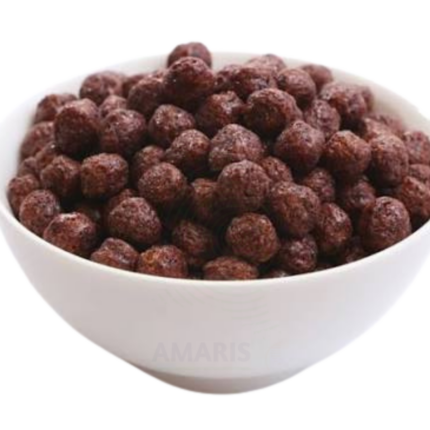
Coco Pops Balls is a chocolate‑flavored, ball‑shaped crispy rice breakfast cereal fortified with essential vitamins and minerals, including iron, B vitamins, and vitamin D. For the pediatrician, nutritionist, occupational therapist, and public health professional, it serves as a palatable, energy‑dense, visually engaging option to support children with poor appetite, selective eating, increased caloric demands, or limited food variety, and can be used in emergency feeding programs, school breakfast initiatives, and pediatric feeding therapy. For the parent, it offers a convenient, shelf‑stable, and child‑appealing breakfast that helps bridge nutritional gaps, reduce mealtime battles, provide quick energy, and support fine motor skill development through self‑feeding practice. While not a substitute for whole foods, it can be a useful adjunct in a balanced pediatric diet.
CORN FLAKES
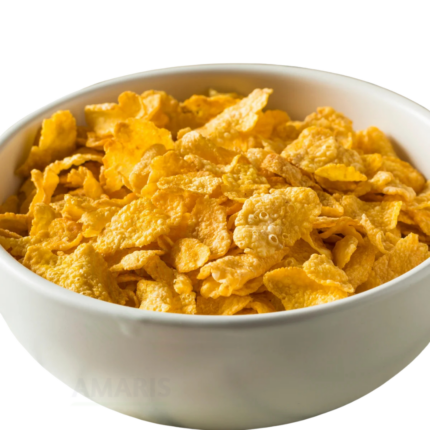
Corn Flakes is a low‑sugar, whole grain corn breakfast cereal fortified with essential vitamins and minerals, including iron, B vitamins, and vitamin D. For the gastroenterologist, cardiologist, endocrinologist, and public health professional, it serves as a versatile, low‑fat, low‑sugar option to support bowel regularity, cardiovascular health, glycemic management, and micronutrient delivery in vulnerable populations. For the patient, it offers a simple, familiar, and satisfying breakfast that can be easily incorporated into a balanced diet, paired with fruit, milk, or yogurt. While not a substitute for whole grains and fresh produce, it provides a convenient, shelf‑stable foundation for a nutritious morning meal.

CRUNCHY NUT
Crunchy Nut is a honey‑coated, nut‑infused corn flake breakfast cereal fortified with essential vitamins and minerals, including iron, B vitamins, and vitamin D. For the dietitian, endocrinologist, cardiologist, and public health professional, it offers a higher energy density and improved nutrient profile compared to plain corn flakes, with the added benefits of healthy fats, plant protein, and fiber from nuts. It supports patients with poor appetite, increased caloric needs, glycemic management, and cardiovascular health, and can be used in food assistance programs. For the patient, it provides a satisfying, crunchy, sweet‑and‑nutty breakfast that helps control hunger, supports heart health, and delivers essential micronutrients. While not a substitute for whole foods, it serves as a convenient, shelf‑stable foundation for a nutritious morning meal.
GRANOLA CHOCOLATE & NUTS
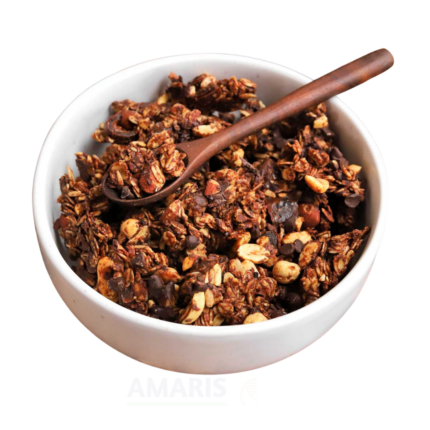
Granola Chocolate & Nuts is a baked, oat‑based breakfast cereal containing whole grain oats, nuts, seeds, and chocolate pieces (dark or milk chocolate), providing a rich source of dietary fiber (6‑10 g per serving), healthy fats, plant protein, antioxidants (flavonoids, vitamin E), and essential nutrients. For the gastroenterologist, cardiologist, endocrinologist, and dietitian, it serves as a high‑fiber, heart‑healthy, satiating option to support bowel regularity, lower cholesterol, manage weight, provide antioxidant support, and potentially improve mood. For the patient, it offers a crunchy, versatile, and chocolate‑infused breakfast that can be enjoyed with milk, yogurt, or as a dry snack, promoting digestive wellness, cardiovascular health, and sustained energy throughout the morning while satisfying chocolate cravings in a controlled manner.
GRANOLA CLASSIC OATS
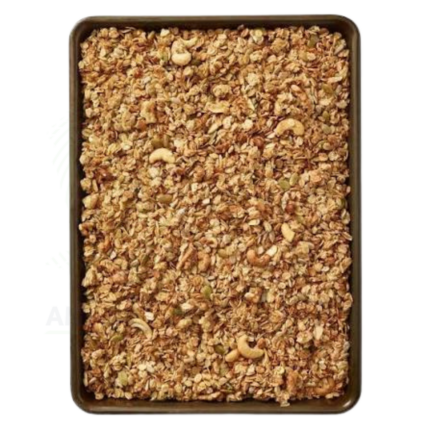
Granola Classic Oats is a baked, oat‑based breakfast cereal containing whole grain oats, nuts, seeds, and dried fruit, providing a rich source of dietary fiber (5‑8 g per serving), healthy fats, plant protein, and essential nutrients. For the gastroenterologist, cardiologist, endocrinologist, and dietitian, it serves as a high‑fiber, heart‑healthy, satiating option to support bowel regularity, lower cholesterol, manage weight, and improve glycemic control. For the patient, it offers a crunchy, versatile, and satisfying breakfast that can be enjoyed with milk, yogurt, or as a dry snack, promoting digestive wellness, cardiovascular health, and sustained energy throughout the morning.
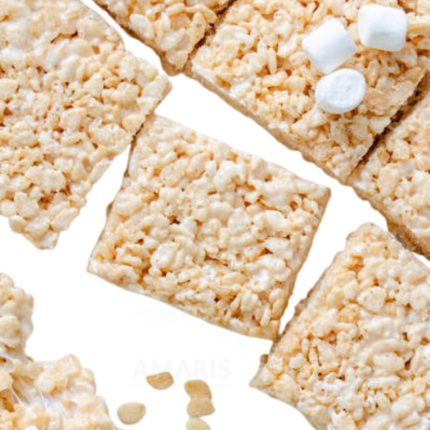
RICE KRISPIES
Rice Krispies is a low‑fat, low‑sugar, puffed rice breakfast cereal fortified with essential vitamins and minerals, including iron, B vitamins, and vitamin D. For the gastroenterologist, pediatrician, dietitian, and public health professional, it serves as a bland, easily digestible option for post‑illness refeeding, a safe food for children with sensory processing disorders or selective eating, and a naturally gluten‑free, low‑allergen fortified cereal for vulnerable populations. For the patient, it offers a simple, familiar, and versatile breakfast that can be enjoyed with milk, as a dry snack, or used in homemade treats. While not a substitute for whole grains and fresh produce, it provides a convenient, shelf‑stable foundation for a nutritious morning meal.
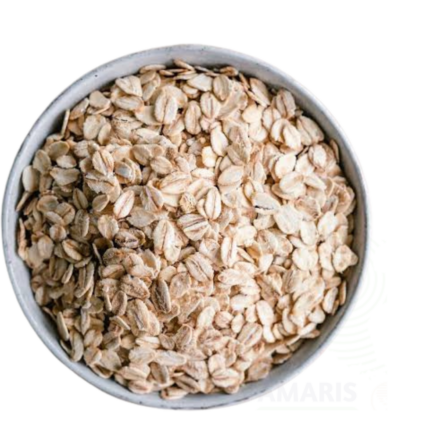
ROLLED OATS
Rolled oats are whole grain oats that have been steamed and flattened, providing a rich source of soluble fiber (beta‑glucan), complex carbohydrates, plant protein, and essential minerals including iron, magnesium, and zinc. For the gastroenterologist, cardiologist, endocrinologist, and dietitian, they serve as a high‑fiber, heart‑healthy, low‑glycemic option to support bowel regularity, lower LDL cholesterol, manage blood glucose, promote satiety for weight management, and provide prebiotic benefits. For the patient, they offer a versatile, comforting, and affordable breakfast that can be prepared sweet or savory, hot or as overnight oats, supporting digestive wellness, cardiovascular health, and sustained energy throughout the morning.