 Atta, Flours & Sooji
 Wheat Atta
 Sooji (Semolina)
 Organic Flours
 Besan (Gram Flour)
 Rice Flour
 Rice & Rice Products
 Rice Cakes
 Poha (Flattened Rice)
 Brown & Red Rice
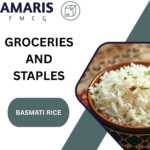 Basmati Rice
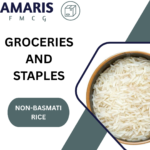 Non-Basmati Rice
 Dals & Pulses
 Whole Pulses (Rajma, Chana)
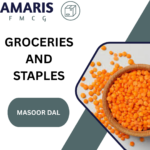 Masoor Dal
 Chana Dal
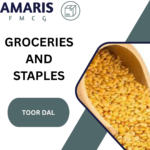 Toor Dal
 Moong Dal
 Edible Oils
 Blended Oils
 Coconut Oil
 Soybean Oil
 Mustard Oil
 Olive Oil
 Sunflower Oil
 Salt, Sugar & Jaggery
 White & Brown Sugar
 Sea Salt & Himalayan Salt
 Table Salt
 Jaggery (Powdered & Block)
 Spices & Seasonings
 Herbs & Seasoning Packets
 Spice Blends (Masalas)
 Whole Spices
 Powdered Spices
 Sauces, Spreads & Condiments
 Honey, Jam & Spreads
 Soy & Chili Sauce
 Chutneys
 Pickles
 Tomato Ketchup
 Mayonnaise & Dressings
 Breakfast Cereals
 Oats & Muesli
 Granola
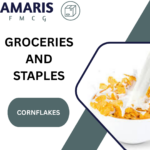 Cornflakes
 Tea
Tea Tea Bags
 Herbal & Specialty Tea
 Green Tea
 Black Tea
 Coffee
 Instant Coffee
 Ground Coffee
 Coffee Beans
 Health & Energy Drinks
 Health Supplements Drinks
 Energy Drinks
 Protein Shakes
 Fruit Juices & Drinks
 Coconut Water
 Nectars & Juice Drinks
 100% Juices
 Soft Drinks & Sodas
 Cola
Cola Diet Sodas
 Fruit Sodas
 Lemonade
 Water
Water Sparkling Water
 Packaged Drinking Water
 Flavored Water
 Namkeen & Savory Snacks
 Extruded Snacks
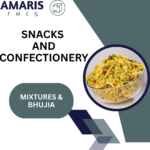 Mixtures & Bhujia
 Chips & Crisps
 Biscuits & Cookies
 Cookies
 Digestive & Marie
 Glucose Biscuits
 Cream Biscuits
 Chocolates & Candies
 Sweets & Bubble Gum
 Toffees & Hard Candies
 Chocolate Bars
 Boxed Chocolates
 Cakes & Pastries
 Pastries & Danish
 Cupcakes
 Birthday & Celebration Cakes
 Desserts & Ice Cream Toppings
 Caramel & Fruit Toppings
 Chocolate Syrup & Sauce
 Whipped Cream
 Sprinkles & Nuts
 Nuts & Dry Fruits
 Raisins & Apricots
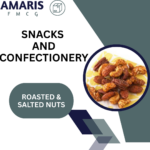 Roasted & Salted Nuts
 Almonds, Cashews, Walnuts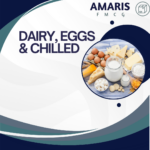
 Milk
Milk Fresh Milk (Full Cream, Toned)
 Flavored Milk
 Butter & Margarine
 Margarine
 Salted & Unsalted Butter
 Cheese
 Sliced Cheese
 Paneer (Cottage Cheese)
 Cream Cheese & Spreads
 Cheese Blocks (Cheddar, Mozzarella)
 Yogurt & Curd
 Set Curd
 Yogurt Drinks (Lassi, Chaas)
 Greek Yogurt
 Flavored Yogurt
 Cream & Desserts
 Custards & Mousses
 Fresh Cream
 Eggs
Eggs Organic Eggs
 Brown Eggs
 Farm Eggs
 Frozen Vegetables
 Peas, Corn, Mix Veg
 Frozen Snacks & Appetizers
 Samosas & Spring Rolls
 Nuggets & Finger Foods
 Frozen Meat & Poultry
 Frozen Sausages & Hot Dogs
 Frozen Pork
 Frozen Chicken
 Frozen Beef
 Frozen Meat Blends & Mince
 Frozen Seafood
 Frozen Fish Fillets
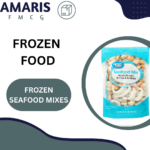 Frozen Seafood Mixes
 Ice Cream & Frozen Desserts
 Sorbets & Gelato
 Ice Cream Tubs
 Ice Cream Bars & Cones
 Oral Care
 Mouthwash
 Toothpaste
 Toothbrushes (Manual & Electric)
 Bath & Body
 Deodorants & Antiperspirants
 Body Lotions & Moisturizers
 Soaps & Body Wash
 Hair Care
 Styling Products (Gel, Wax, Spray)
 Hair Oils
 Shampoo & Conditioner
 Skincare
 Lip Balm
 Moisturizers & Creams
 Face Wash & Cleansers
 Feminine Hygiene
 Tampons
 Sanitary Pads
 Shaving Needs
 Razors & Blades
 Shaving Cream & Foam
 Vitamins & Supplements
 Multivitamins
 Protein Powder
 Specialty Supplements (Omega-3, Calcium)
 Ayurveda & Herbal
 Herbal Supplements
 Chyawanprash
 Weight Management
 Fitness & Workout Accessories
 Protein Shakes & Powders
 Sports Nutrition
 Energy Bars & Snacks
 Electrolyte & Hydration Drinks
 Sports Multivitamins
 Protein Powders & Shakes
 Dishwashing
 Dishwashing Bars & Liquid
 Dishwasher Detergents
 Laundry
 Fabric Softeners & Whiteners
 Detergent Powder & Liquid
 Detergent Bars
 Floor & Surface Cleaners
 Glass & Mirror Cleaners
 All-Purpose Cleaners
 Floor Cleaners (Liquid, Powder)
 Toilet Cleaners
 Toilet Cleaning Tablets
 Toilet Brush & Cleaner Sets
 Liquid Toilet Cleaners
 Insecticides & Repellents
 Ant & Cockroach Killers
 Mosquito Repellents (Coils, Mats, Sprays)
 Air Fresheners & Fragrances
 Car Air Fresheners
 Essential Oils & Diffusers
 Plug-In Air Fresheners
 Scented Candles
 Room Sprays
 Paper Products
 Tissues & Napkins
 Kitchen Towels
 Toilet Paper
 Baby Food & Formula
 Cereals & Purees
 Infant Formula
 Diapers & Wipes
 Baby Wipes
 Disposable Diapers
 Baby Bath & Skincare
 Diaper Rash Cream
 Baby Soap & Shampoo
 Baby Lotion & Oil
 Dog Food
 Dry Dog Food
 Dog Treats
 Wet Dog Food
 Pet Grooming
 Shampoos & Conditioners
 Brushes & Combs
 Flea & Tick Control
 Grooming Tools & Kits
 Pet Accessories
 Litter & Trays (for cats)
 Collars & Leashes
 Toys & Chew Toys
 Bowls & Feeders
 Cat Food
 Wet Cat Food
 Cat Treats
 Dry Cat Food
 Organic Products
 Organic Beverages
 Organic Supplements
 Organic Food & Snacks
 Gluten-Free
 Gluten-Free Beverages
 Gluten-Free Snacks
 Gluten-Free Pasta & Grains
 Gluten-Free Breads & Bakery
 Vegan Products
 Vegan Supplements
 Vegan Food & Snacks
 Vegan Beverages
 Sugar-Free & No Added Sugar
 Sugar-Free Beverages
 Sugar-Free Snacks
 Sugar-Free Desserts & Sweets
 Keto-Friendly
 Keto Beverages
 Keto Supplements
 Keto Snacks
 Diabetic-Friendly
 Diabetic-Friendly Supplements
 Diabetic-Friendly Health Monitors & Devices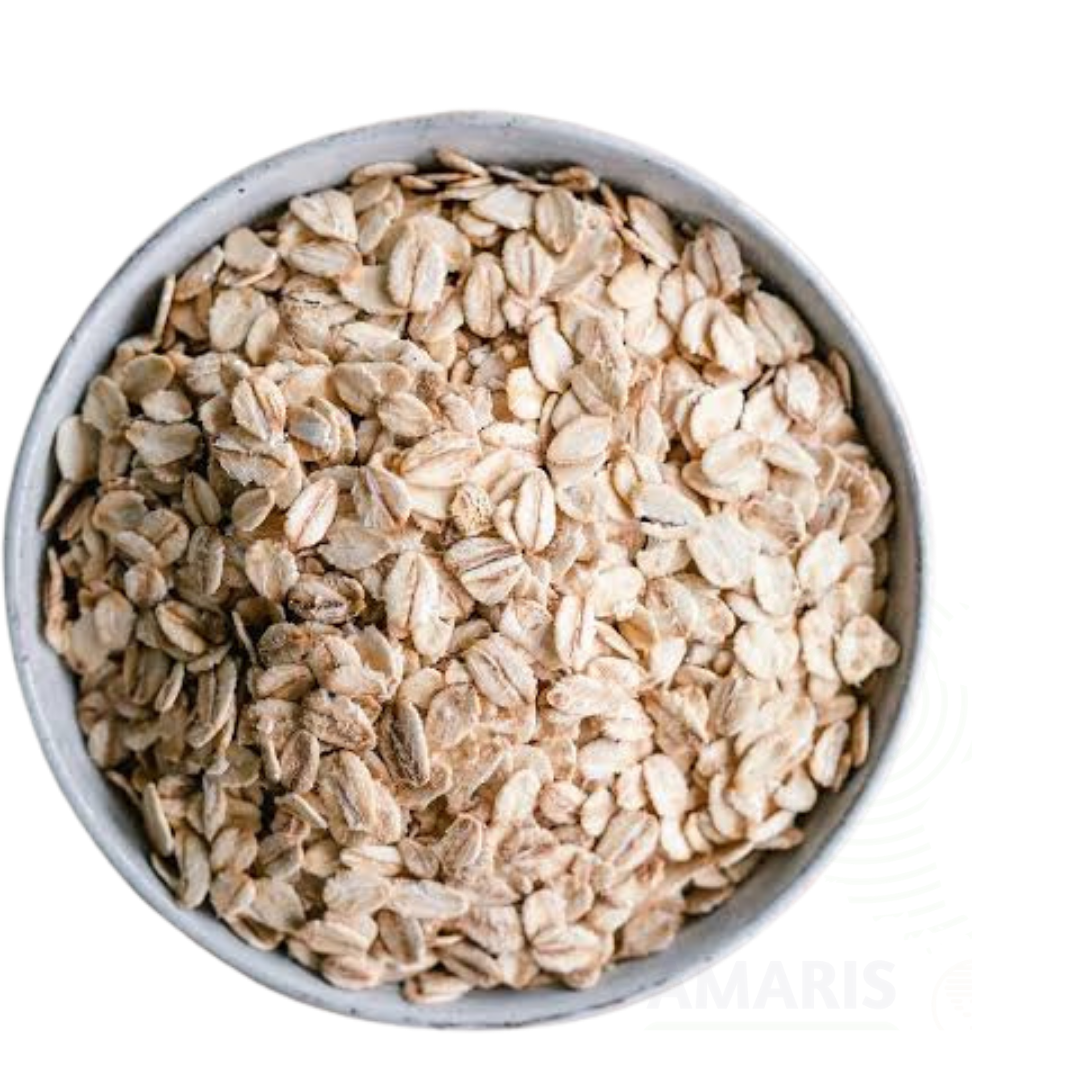

ROLLED OATS
WhatsApp Order
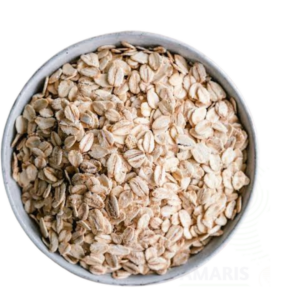
Rolled oats are whole grain oats that have been steamed and flattened, providing a rich source of soluble fiber (beta‑glucan), complex carbohydrates, plant protein, and essential minerals including iron, magnesium, and zinc. For the gastroenterologist, cardiologist, endocrinologist, and dietitian, they serve as a high‑fiber, heart‑healthy, low‑glycemic option to support bowel regularity, lower LDL cholesterol, manage blood glucose, promote satiety for weight management, and provide prebiotic benefits. For the patient, they offer a versatile, comforting, and affordable breakfast that can be prepared sweet or savory, hot or as overnight oats, supporting digestive wellness, cardiovascular health, and sustained energy throughout the morning.
Description
ROLLED OATS
PRIMARY CLINICAL & DIAGNOSTIC USES
1. Management of Constipation through High Soluble Fiber Intake
• Primary Use: Provides whole grain rolled oats (old‑fashioned oats) that are steamed and flattened, rich in soluble fiber (beta‑glucan), designed to increase daily dietary fiber intake and promote regular bowel movements in individuals with mild to moderate constipation.
• How it helps: For the gastroenterologist and primary care physician, rolled oats deliver a concentrated source of soluble fiber (approximately 4‑5 g per 40 g serving), which forms a gel‑like substance in the gut, softening stool and facilitating passage. The beta‑glucan also acts as a prebiotic, supporting healthy gut microbiota. For the patient, a daily bowl of oatmeal helps relieve bloating, reduce straining, and establish a predictable bowel pattern without the need for stimulant laxatives.
2. Cardiovascular Health Support through Cholesterol Reduction
• Primary Use: Serves as a heart‑healthy breakfast option rich in beta‑glucan soluble fiber, which has been shown to lower total and LDL cholesterol levels, helping to reduce the risk of coronary heart disease in patients with hyperlipidemia or metabolic syndrome.
• How it helps: For the cardiologist and dietitian, numerous clinical studies have demonstrated that daily consumption of 3 g or more of oat beta‑glucan can reduce LDL cholesterol by 5‑10%. Rolled oats provide an easy, palatable way to achieve this intake. For the patient, incorporating oatmeal into the daily routine supports lipid management, reduces cardiovascular risk, and provides a satisfying, warm breakfast.
3. Glycemic Management in Type 2 Diabetes and Prediabetes
• Primary Use: Used as a low‑glycemic index, high‑fiber breakfast option that slows carbohydrate absorption, reduces postprandial glucose spikes, and improves insulin sensitivity in individuals with type 2 diabetes, prediabetes, or insulin resistance.
• How it helps: For the endocrinologist and diabetes educator, the soluble fiber in rolled oats delays gastric emptying and blunts the glycemic response compared to refined breakfast cereals. Regular consumption may also improve long‑term glycemic control (lower HbA1c). For the patient, a bowl of oatmeal with added protein (e.g., milk, nuts, yogurt) provides sustained energy, helps avoid mid‑morning hypoglycemia, and supports diabetes management without the need for medication adjustments.
4. Sustained Satiety and Weight Management
• Primary Use: Serves as a high‑satiety, nutrient‑dense breakfast option that promotes fullness, reduces mid‑morning hunger, and supports adherence to calorie‑controlled diets for overweight or obese patients.
• How it helps: For the endocrinologist and weight management specialist, the combination of soluble fiber, complex carbohydrates, and protein (when prepared with milk) enhances satiety and reduces subsequent calorie intake. Oatmeal has a low energy density and can be bulked with water or low‑fat milk without adding significant calories. For the patient, starting the day with a bowl of rolled oats helps control appetite, reduce snacking, and achieve weight loss goals more effectively.
SECONDARY & SUPPORTIVE USES
1. Prebiotic Support for Gut Health: The beta‑glucan and resistant starch in rolled oats serve as prebiotics, promoting the growth of beneficial gut bacteria (e.g., Bifidobacteria, Lactobacilli), which supports digestive health, immune function, and may reduce the risk of colorectal disease.
2. Iron Supplementation for Menstruating Women and Vegetarians: Rolled oats provide a modest source of non‑heme iron (approximately 2‑3 mg per serving). For vegetarians, vegans, or menstruating women with mild iron deficiency, regular consumption can contribute to daily iron requirements, especially when paired with vitamin C‑rich foods (e.g., berries, orange juice) to enhance absorption.
3. Convenient Breakfast for Older Adults with Chewing Difficulties: When cooked, rolled oats become soft and easy to chew, making them an ideal breakfast for elderly patients with dental issues, dentures, or mild dysphagia, while still providing a nutrient‑dense meal.
4. Post‑Illness Refeeding in Adults and Children with Temporary Anorexia: After a febrile illness or gastrointestinal infection, the bland, easily digestible nature of oatmeal makes it suitable for reintroducing solid food, providing gentle carbohydrates and soluble fiber to restore energy without irritating the gut.
5. Gluten‑Free Alternative (if certified): Rolled oats are naturally gluten‑free, but cross‑contamination with wheat, barley, or rye during processing is common. Patients with celiac disease or gluten sensitivity should select certified gluten‑free rolled oats. When certified, they provide a safe, versatile whole grain option.
6. Emergency Shelf‑Stable Food for Disaster Preparedness: The long shelf life (12‑24 months), light weight, and minimal preparation requirements (only need water and heat) make rolled oats a practical addition to home emergency kits, disaster relief supplies, or food pantries.
7. Base for Homemade Granola or Baked Goods: Rolled oats can be used as a base for homemade granola, oatmeal cookies, muffins, and breads, extending their use beyond breakfast and increasing dietary fiber intake in a variety of forms.
KEY PRODUCT FEATURES
1. BASIC IDENTIFICATION ATTRIBUTES
-
Device Type: A whole grain, minimally processed oat product made by steaming and flattening oat groats.
-
Designation: Rolled Oats, Old‑Fashioned Oats, Whole Grain Oats, Porridge Oats.
-
Key Components: Whole grain oats (100% with no additives in plain form; may be fortified with vitamins/minerals in some brands).
2. TECHNICAL & PERFORMANCE PROPERTIES
-
Serving size: Typically 40 grams (approximately ½ cup dry, yields about 1 cup cooked).
-
Calories per serving: Approximately 150‑160 kcal.
-
Sugar content per serving: Less than 1 gram (plain, unsweetened).
-
Fat content: Approximately 2‑3 grams per serving (primarily unsaturated fats).
-
Protein content: Approximately 5‑6 grams per serving.
-
Fiber content: Approximately 4‑5 grams per serving (primarily soluble beta‑glucan).
-
Iron content: Approximately 2‑3 mg (15‑20% daily value for adult men; 10‑15% for menstruating women).
-
Magnesium content: Approximately 35‑40 mg (10% daily value).
-
Zinc content: Approximately 1‑1.5 mg (10% daily value).
-
Gluten status: Naturally gluten‑free, but cross‑contamination is common. Certified gluten‑free options available.
-
Shelf life: 12‑24 months when stored in a cool, dry place.
-
Storage conditions: Keep in an airtight container away from heat, humidity, and pests. Refrigeration not required but may extend freshness.
3. PHYSICAL & OPERATIONAL PROPERTIES
-
Appearance: Flat, slightly irregular, rolled flakes, light tan to golden brown in color.
-
Taste Profile: Mild, slightly nutty, earthy flavor; takes on the taste of added ingredients.
-
Texture: Dry flakes are crisp; cooked oats become soft, creamy, and slightly chewy.
-
Preparation: Stovetop (simmer 5‑10 minutes in water or milk), microwave (2‑3 minutes), or overnight soaking (refrigerated with liquid). Can also be used raw in granola, muesli, or smoothies.
-
Packaging: Cardboard box with inner plastic liner, stand‑up resealable pouch, or bulk bag. Available in sizes from 400 g to 2 kg.
4. SAFETY & COMPLIANCE ATTRIBUTES
-
Regulatory Status: Food product regulated as a whole grain cereal; meets FDA, EFSA, or local food safety standards for labeling and contaminants.
-
Allergen Information: Naturally free from major allergens, but may be processed in facilities that handle wheat, nuts, milk, or soy. Certified gluten‑free options are available for celiac patients.
-
Dietary Suitability: Suitable for vegetarians, vegans, and most religious diets. Naturally cholesterol‑free and low in sodium.
-
Glycemic Index: Medium (55‑60) due to soluble fiber; lower than refined cereals.
-
Phytate Content: Contains phytic acid, which may slightly reduce mineral absorption. Soaking or cooking reduces phytate levels.
-
Safety Warning: Raw dry oats are safe for consumption (e.g., in overnight oats or muesli); no special handling required.
5. STORAGE & HANDLING ATTRIBUTES
-
Storage: Store in a cool, dry place away from direct sunlight and moisture. After opening, transfer to an airtight container to prevent weevil infestation and moisture absorption.
-
Shelf Life: Refer to "best by" or "use by" date on the package. Once opened, use within 6‑12 months for best quality.
-
Usage: Cook with water, milk, or plant‑based milk. Add sweeteners, fruit, nuts, or spices as desired. For young children, ensure oats are cooked soft to prevent choking.
SAFETY HANDLING PRECAUTIONS
1. SAFETY PRECAUTIONS
- Choking Hazard — Young Children and Elderly: Dry rolled oats can be a choking hazard for children under 4 years of age if eaten uncooked. Cooked oatmeal should be cooled to a safe temperature and served in appropriate texture (soft, creamy). For elderly individuals with dysphagia, ensure oatmeal is well‑hydrated and smooth.
- Celiac Disease — Gluten Cross‑Contamination Risk: Standard rolled oats are often contaminated with wheat, barley, or rye during harvesting, transport, or processing. Patients with celiac disease or severe gluten sensitivity must select certified gluten‑free rolled oats. Even small amounts of gluten can trigger symptoms and intestinal damage.
- Phytate Content — Mineral Absorption Interference: The phytic acid in oats can bind to minerals such as iron, zinc, and calcium, reducing their bioavailability. Soaking oats overnight with an acidic medium (e.g., yogurt, lemon juice) or cooking them thoroughly can reduce phytate levels. Patients at risk for mineral deficiencies should consider this or consume oats with vitamin C‑rich foods to enhance absorption.
- Fiber Overload — Gastrointestinal Distress: Abruptly increasing dietary fiber intake can cause bloating, gas, abdominal cramping, and changes in bowel habits. Healthcare providers should advise patients to start with a small serving (e.g., 20 g dry) and gradually increase over 1‑2 weeks, ensuring adequate fluid intake.
- Inadequate Fluid Intake — Risk of Worsening Constipation: Insoluble fiber from other sources may be present in rolled oats, but the primary fiber is soluble, which requires adequate fluid to form a gel. Patients should drink sufficient water (at least 8 glasses daily) when increasing oat consumption to prevent hard stools.
- Allergy — Oat Allergy (Rare): Although rare, some individuals have a true allergy to oat proteins (avenin). Symptoms may include hives, itching, swelling, or gastrointestinal distress. Patients with known oat allergy should avoid all oat products.
- Medication Interaction — Reduced Absorption of Certain Drugs: The high fiber content of oats can bind to some medications (e.g., certain antidepressants, diabetes drugs) and reduce their absorption. Patients should take medications at least 1‑2 hours before or 4‑6 hours after consuming a large oat‑based meal.
- Training Requirement: Healthcare providers (dietitians, primary care physicians, gastroenterologists) should educate patients on proper serving sizes, the importance of choosing certified gluten‑free oats for celiac disease, adequate fluid intake, and strategies to incorporate oats into a varied, nutrient‑dense diet.
2. FIRST AID MEASURES
- Choking: If a person chokes on dry oats, perform back blows and abdominal thrusts (Heimlich maneuver) appropriate for the individual's age. Seek emergency medical attention if the object is not dislodged.
- Allergic Reaction (Oat Allergy, Rare): If hives, facial swelling, difficulty breathing, or vomiting occur after ingestion, discontinue use and administer epinephrine if prescribed. Seek immediate emergency medical care.
- Gluten Exposure (Celiac Patient): If a patient with celiac disease accidentally consumes non‑certified oats and experiences abdominal pain, diarrhea, bloating, or fatigue, advise supportive care (hydration, rest) and contact a gastroenterologist for follow‑up.
- Fiber Overload (Severe Bloating or Pain): If a patient experiences severe abdominal distention, pain, or vomiting after consuming a large quantity of oats, discontinue use, encourage hydration, and seek medical attention if symptoms persist or worsen.
3. FIRE FIGHTING MEASURES
- Flammability: As a dry, powdered cereal product, rolled oats are combustible and will burn if exposed to an open flame or high heat. They are not, however, an explosive or rapid‑spreading hazard.
- Extinguishing Media: Use water, foam, dry chemical, or carbon dioxide (CO₂) for fires involving dry cereal products. Standard kitchen fire safety measures apply.
- Fire Response: In case of a small fire in the kitchen (e.g., stovetop or toaster), turn off the heat source and cover with a pot lid or use a fire extinguisher. For larger fires, evacuate and call emergency services.
Related products

BEEF MASALA
Beef Masala is a spice blend designed to season beef dishes, typically containing cumin, coriander, turmeric, black pepper, cardamom, cinnamon, cloves, ginger, garlic, and chili peppers. For the nutritionist, gastroenterologist, and primary care physician, it serves as a flavorful tool to enhance dietary iron absorption, stimulate digestive function, improve appetite in convalescent patients, and modestly support metabolic rate through thermogenic spices. For the patient, Beef Masala transforms ordinary beef into a palatable, aromatic, and culturally familiar dish that encourages protein intake and makes healthy eating more enjoyable, while the spice-derived antioxidants and anti-inflammatory compounds offer additional wellness benefits. When used as part of a balanced diet, it can contribute to improved nutritional status and mealtime satisfaction.

COCO POPS TRIX
Coco Pops Trix is a fruit‑flavored, brightly colored (red, green, yellow, orange, purple), sweetened puffed corn and rice breakfast cereal fortified with essential vitamins and minerals, including iron, B vitamins, and vitamin D. For the pediatrician, nutritionist, feeding therapist, and public health professional, it serves as a palatable, energy‑dense, visually appealing option to support children with selective eating, sensory aversions, increased caloric demands, or limited food variety, and can be used in emergency feeding programs and behavioral feeding therapy. For the parent, it offers a convenient, shelf‑stable, and child‑appealing breakfast that helps bridge nutritional gaps, reduce mealtime battles, provide quick energy, and serve as a positive reinforcement tool during picky eating phases or illness recovery. While not a substitute for whole foods, it can be a useful adjunct in a balanced pediatric diet.
CORN FLAKES
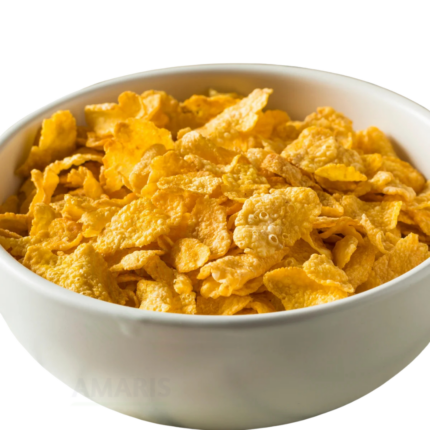
Corn Flakes is a low‑sugar, whole grain corn breakfast cereal fortified with essential vitamins and minerals, including iron, B vitamins, and vitamin D. For the gastroenterologist, cardiologist, endocrinologist, and public health professional, it serves as a versatile, low‑fat, low‑sugar option to support bowel regularity, cardiovascular health, glycemic management, and micronutrient delivery in vulnerable populations. For the patient, it offers a simple, familiar, and satisfying breakfast that can be easily incorporated into a balanced diet, paired with fruit, milk, or yogurt. While not a substitute for whole grains and fresh produce, it provides a convenient, shelf‑stable foundation for a nutritious morning meal.
CORN FLAKES ORIGINAL
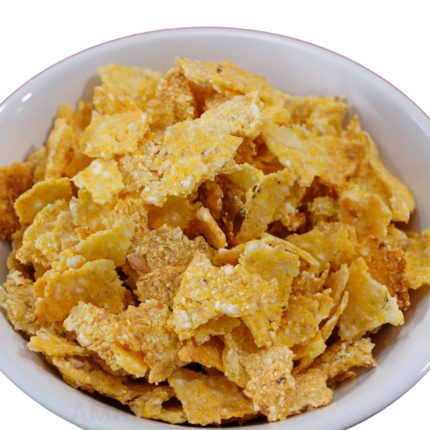
Corn Flakes Original is a low‑sugar, whole grain corn breakfast cereal fortified with essential vitamins and minerals, including iron, B vitamins, and vitamin D. For the gastroenterologist, cardiologist, endocrinologist, and public health professional, it serves as a versatile, low‑fat, low‑sugar option to support bowel regularity, cardiovascular health, glycemic management, and micronutrient delivery in vulnerable populations. For the patient, it offers a simple, familiar, and satisfying breakfast that can be easily incorporated into a balanced diet, paired with fruit, milk, or yogurt. While not a substitute for whole grains and fresh produce, it provides a convenient, shelf‑stable foundation for a nutritious morning meal.
CORN FLAKES WITH HONEY & NUTS
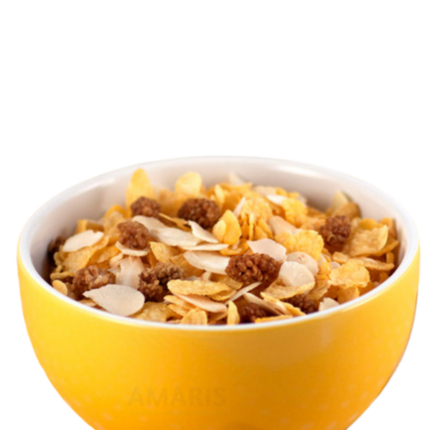
Corn Flakes with Honey & Nuts is a fortified breakfast cereal combining crispy whole grain corn flakes, natural honey sweetness, and real nut pieces (e.g., almonds, hazelnuts). For the dietitian, endocrinologist, and public health professional, it offers a higher energy density and improved nutrient profile compared to plain corn flakes, with the added benefits of healthy fats, plant protein, and fiber from nuts. It supports patients with increased caloric needs, poor appetite, or those requiring glycemic management, and can be used in food assistance programs. For the patient, it provides a satisfying, crunchy, sweet‑but‑balanced breakfast that helps control hunger, supports heart health, and delivers essential vitamins and minerals. While not a substitute for whole foods, it serves as a convenient, shelf‑stable foundation for a nutritious morning meal.

GARAM MASALA
Garam Masala is a warm, aromatic spice blend used in South Asian and East African cuisines, typically added at the end of cooking to preserve its volatile oils and fragrance. It contains cardamom, cinnamon, cloves, black pepper, cumin, coriander, nutmeg, mace, and sometimes bay leaves or fennel. For the gastroenterologist, dietitian, and primary care physician, it serves as a digestive aid (reducing bloating and flatulence), appetite stimulant, source of antioxidants and anti-inflammatory compounds, and modest metabolic support through thermogenic spices. For the patient, Garam Masala transforms plain rice, lentils, vegetables, meat, or soups into a fragrant, comforting, and flavorful dish that encourages nutrient intake, reduces post-meal discomfort, and makes healthy eating enjoyable without adding significant calories, fat, or sodium.
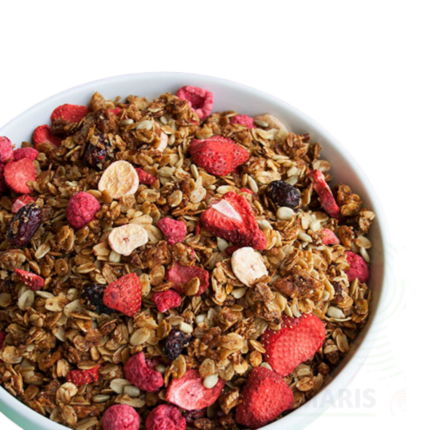
GRANOLA MIXED FRUIT
Granola Mixed Fruit is a baked, oat‑based breakfast cereal containing whole grain oats, nuts, seeds, and a blend of dried mixed fruits (e.g., raisins, cranberries, apricots, dates), providing a rich source of dietary fiber (6‑10 g per serving), healthy fats, plant protein, antioxidants, and essential nutrients. For the gastroenterologist, cardiologist, endocrinologist, and dietitian, it serves as a high‑fiber, heart‑healthy, satiating option to support bowel regularity, lower cholesterol, manage weight, improve glycemic control (with careful portioning), and provide antioxidant support. For the patient, it offers a crunchy, versatile, and naturally sweet breakfast that can be enjoyed with milk, yogurt, or as a dry snack, promoting digestive wellness, cardiovascular health, and sustained energy throughout the morning.