
 Atta, Flours & Sooji
 Wheat Atta
 Sooji (Semolina)
 Organic Flours
 Besan (Gram Flour)
 Rice Flour
 Rice & Rice Products
 Rice Cakes
 Poha (Flattened Rice)
 Brown & Red Rice
 Basmati Rice
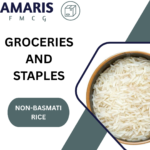 Non-Basmati Rice
 Dals & Pulses
 Whole Pulses (Rajma, Chana)
 Masoor Dal
 Chana Dal
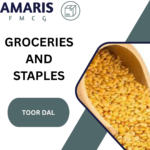 Toor Dal
 Moong Dal
 Edible Oils
 Blended Oils
 Coconut Oil
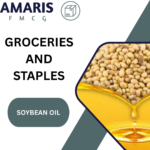 Soybean Oil
 Mustard Oil
 Olive Oil
 Sunflower Oil
 Salt, Sugar & Jaggery
 White & Brown Sugar
 Sea Salt & Himalayan Salt
 Table Salt
 Jaggery (Powdered & Block)
 Spices & Seasonings
 Herbs & Seasoning Packets
 Spice Blends (Masalas)
 Whole Spices
 Powdered Spices
 Sauces, Spreads & Condiments
 Honey, Jam & Spreads
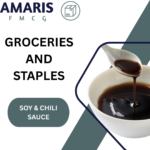 Soy & Chili Sauce
 Chutneys
 Pickles
 Tomato Ketchup
 Mayonnaise & Dressings
 Vinegar
 Dressing Salad
 Sauces / Table Sauces
 Salad Cream
 Breakfast Cereals
 Oats & Muesli
 Granola
 Cornflakes
 Canned & Packaged Foods
 Cream Soups / Tomato Soup
 Tea
Tea Tea Bags
 Herbal & Specialty Tea
 Green Tea
 Black Tea
 Coffee
 Instant Coffee
 Ground Coffee
 Coffee Beans
 Health & Energy Drinks
 Health Supplements Drinks
 Energy Drinks
 Protein Shakes
 Fruit Juices & Drinks
 Coconut Water
 Nectars & Juice Drinks
 100% Juices
 Soft Drinks & Sodas
 Cola
Cola Diet Sodas
 Fruit Sodas
 Lemonade
 Water
Water Sparkling Water
 Packaged Drinking Water
 Flavored Water
 Powdered Drinks
 Drinking Chocolates
 Namkeen & Savory Snacks
 Extruded Snacks
 Mixtures & Bhujia
 Chips & Crisps
 Biscuits & Cookies
 Cookies
 Digestive & Marie
 Glucose Biscuits
 Cream Biscuits
 Chocolates & Candies
 Sweets & Bubble Gum
 Toffees & Hard Candies
 Chocolate Bars
 Boxed Chocolates
 Cakes & Pastries
 Pastries & Danish
 Cupcakes
 Birthday & Celebration Cakes
 Desserts & Ice Cream Toppings
 Caramel & Fruit Toppings
 Chocolate Syrup & Sauce
 Whipped Cream
 Sprinkles & Nuts
 Nuts & Dry Fruits
 Raisins & Apricots
 Roasted & Salted Nuts
 Almonds, Cashews, Walnuts
 Milk
Milk Fresh Milk (Full Cream, Toned)
 Flavored Milk
 Butter & Margarine
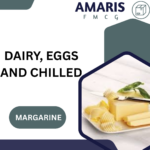 Margarine
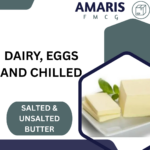 Salted & Unsalted Butter
 Cheese
 Sliced Cheese
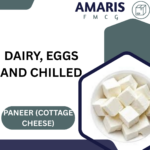 Paneer (Cottage Cheese)
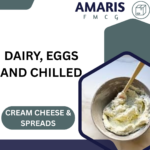 Cream Cheese & Spreads
 Cheese Blocks (Cheddar, Mozzarella)
 Yogurt & Curd
 Set Curd
 Yogurt Drinks (Lassi, Chaas)
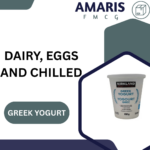 Greek Yogurt
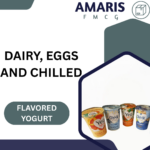 Flavored Yogurt
 Cream & Desserts
 Custards & Mousses
 Fresh Cream
 Eggs
Eggs Organic Eggs
 Brown Eggs
 Farm Eggs
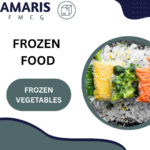 Frozen Vegetables
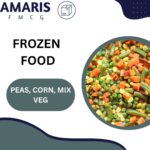 Peas, Corn, Mix Veg
 Frozen Snacks & Appetizers
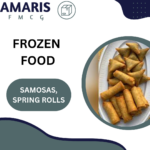 Samosas & Spring Rolls
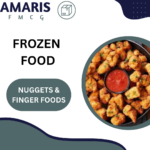 Nuggets & Finger Foods
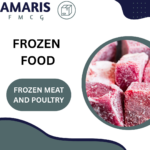 Frozen Meat & Poultry
 Frozen Sausages & Hot Dogs
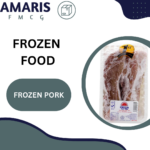 Frozen Pork
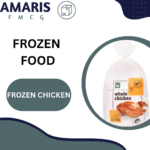 Frozen Chicken
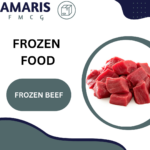 Frozen Beef
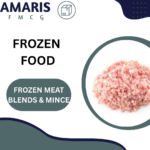 Frozen Meat Blends & Mince
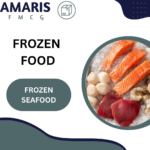 Frozen Seafood
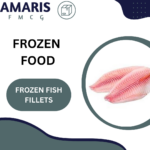 Frozen Fish Fillets
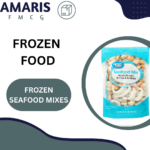 Frozen Seafood Mixes
 Ice Cream & Frozen Desserts
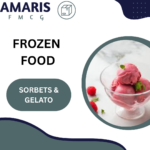 Sorbets & Gelato
 Ice Cream Tubs
 Ice Cream Bars & Cones
 Oral Care
 Mouthwash
 Toothpaste
 Toothbrushes (Manual & Electric)
 Bath & Body
 Deodorants & Antiperspirants
 Body Lotions & Moisturizers
 Soaps & Body Wash
 Hair Care
 Styling Products (Gel, Wax, Spray)
 Hair Oils
 Shampoo & Conditioner
 Skincare
 Lip Balm
 Moisturizers & Creams
 Face Wash & Cleansers
 Feminine Hygiene
 Tampons
 Sanitary Pads
 Shaving Needs
 Razors & Blades
 Shaving Cream & Foam
 Vitamins & Supplements
 Multivitamins
 Protein Powder
 Specialty Supplements (Omega-3, Calcium)
 Ayurveda & Herbal
 Herbal Supplements
 Chyawanprash
 Weight Management
 Fitness & Workout Accessories
 Protein Shakes & Powders
 Sports Nutrition
 Energy Bars & Snacks
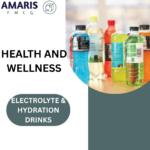 Electrolyte & Hydration Drinks
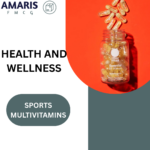 Sports Multivitamins
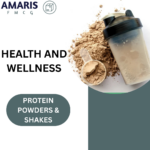 Protein Powders & Shakes
 Dishwashing
 Dishwashing Bars & Liquid
 Dishwasher Detergents
 Laundry
 Fabric Softeners & Whiteners
 Detergent Powder & Liquid
 Detergent Bars
 Floor & Surface Cleaners
 Glass & Mirror Cleaners
 All-Purpose Cleaners
 Floor Cleaners (Liquid, Powder)
 Oven Cleaner
 Polish
 Toilet Cleaners
 Toilet Cleaning Tablets
 Toilet Brush & Cleaner Sets
 Liquid Toilet Cleaners
 Insecticides & Repellents
 Ant & Cockroach Killers
 Mosquito Repellents (Coils, Mats, Sprays)
 Air Fresheners & Fragrances
 Car Air Fresheners
 Essential Oils & Diffusers
 Plug-In Air Fresheners
 Scented Candles
 Room Sprays
 Paper Products
 Tissues & Napkins
 Kitchen Towels
 Toilet Paper
 Household Cleaning Products
 Kitchen & Surface Cleaners
 Kitchen & Dishwashing
 Gloves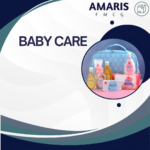
 Baby Food & Formula
 Cereals & Purees
 Infant Formula
 Diapers & Wipes
 Baby Wipes
 Disposable Diapers
 Baby Bath & Skincare
 Diaper Rash Cream
 Baby Soap & Shampoo
 Baby Lotion & Oil
 Dog Food
 Dry Dog Food
 Dog Treats
 Wet Dog Food
 Pet Grooming
 Shampoos & Conditioners
 Brushes & Combs
 Flea & Tick Control
 Grooming Tools & Kits
 Pet Accessories
 Litter & Trays (for cats)
 Collars & Leashes
 Toys & Chew Toys
 Bowls & Feeders
 Cat Food
 Wet Cat Food
 Cat Treats
 Dry Cat Food
 Organic Products
 Organic Beverages
 Organic Supplements
 Organic Food & Snacks
 Gluten-Free
 Gluten-Free Beverages
 Gluten-Free Snacks
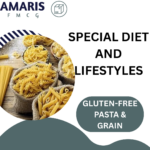 Gluten-Free Pasta & Grains
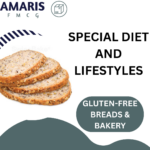 Gluten-Free Breads & Bakery
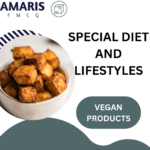 Vegan Products
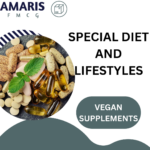 Vegan Supplements
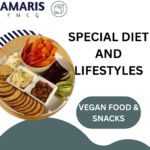 Vegan Food & Snacks
 Vegan Beverages
 Sugar-Free & No Added Sugar
 Sugar-Free Beverages
 Sugar-Free Snacks
 Sugar-Free Desserts & Sweets
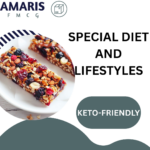 Keto-Friendly
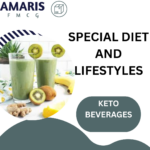 Keto Beverages
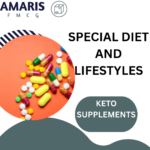 Keto Supplements
 Keto Snacks
 Diabetic-Friendly
 Diabetic-Friendly Supplements
 Diabetic-Friendly Health Monitors & Devices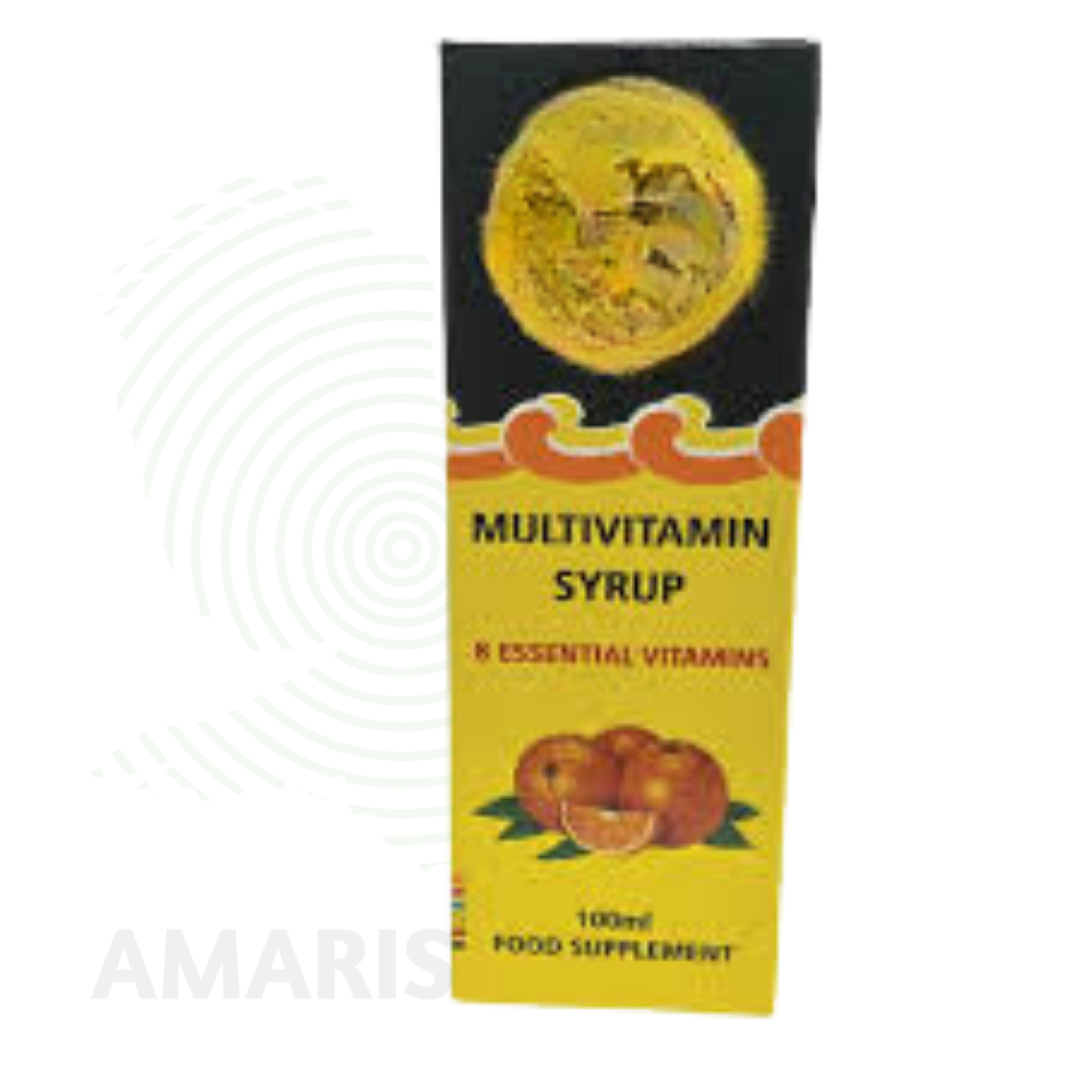
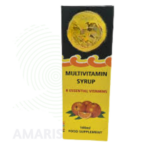
MULTIVITAMIN SYRUP
WhatsApp Order
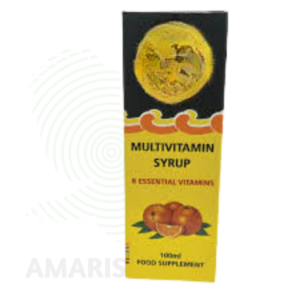
Multivitamin syrup is a liquid nutritional supplement providing essential vitamins and minerals, primarily indicated for children to prevent deficiencies and support growth, appetite, and immunity. Formulations typically include vitamins A, C, D, and the B-complex . Some variants also contain lysine to stimulate appetite or minerals like zinc and iron for comprehensive support . The pleasant-tasting liquid format ensures easy administration, making it ideal for picky eaters, children unable to swallow tablets, or patients recovering from illness . Dosages vary by age: generally 2.5ml–10ml daily depending on age . Not a substitute for a balanced diet. Do not exceed recommended dose . Contains sugar in most formulations . Keep out of reach of children.
Description
MULTIVITAMIN SYRUP
PRIMARY USES
1. Comprehensive Nutritional Support for Growing Children
Primary Use: Provides a broad spectrum of essential vitamins and minerals in a palatable liquid formulation, indicated for the prevention of vitamin deficiencies and for the maintenance of normal growth and health during the early years of infancy and childhood.
How it helps: For the paediatrician and primary care physician, ensuring adequate micronutrient intake is fundamental to supporting growth and development. Multivitamin syrup is typically indicated for children with poor eating habits, loss of appetite, or during convalescence after illness. The liquid format ensures easy administration for children who cannot swallow tablets, with a pleasant taste that improves compliance. For the parent, this provides a convenient, child-friendly way to address nutritional gaps and support their child’s immunity, energy, and concentration.
2. Restoration of Energy and Appetite During Recovery
Primary Use: Formulated with B-complex vitamins and lysine to help boost appetite, reduce fatigue, and build up resistance during periods of illness, recovery, or poor dietary intake.
How it helps: For the general practitioner, the combination of B vitamins supports energy metabolism, while lysine (in some formulations) is included to stimulate appetite and support protein synthesis for growth. The syrup is particularly useful for patients experiencing loss of appetite after a brief illness or during convalescence following surgery. For the patient, this means a supplement that not only fills nutritional gaps but also supports the body’s recovery processes.
SECONDARY USES
1. Nutritional supplementation for adolescents and adults: While primarily designed for children, some multivitamin syrups can be used in adolescents and adults, particularly those who cannot take solid dosage forms or who experience gastrointestinal side effects from tablets, as they provide a gentle, easily absorbed alternative .
2. Support for patients on restricted diets: For patients following dietary restrictions (e.g., picky eaters, children with food aversions, or those with limited dietary diversity), the syrup helps fill nutritional gaps and supports overall health .
3. Maintenance during pregnancy and lactation: Certain multivitamin syrups may be used during pregnancy and breastfeeding to support increased nutritional demands, though patients should always consult their healthcare provider before use .
KEY PRODUCT FEATURES
1. BASIC IDENTIFICATION ATTRIBUTES
-
Device Type: Food supplement; liquid oral syrup; not a medicinal product
-
Available Formulations: Standard multivitamin; multivitamin + lysine; multivitamin + minerals (iron, zinc)
-
Format: Liquid syrup; typically reddish-yellow or clear coloured
-
Flavours: Usually orange or fruit-flavoured for palatability
-
Key Ingredients (typical per 5ml): Vitamin A 800–1600 IU, Vitamin D3 100–200 IU, Vitamin B1 0.7–1.5mg, Vitamin B2 0.85–1mg, Vitamin B3 (Niacinamide) 5–10mg, Vitamin B6 0.5–1mg, Vitamin C 20–60mg, Lysine (in some formulations) 20mg, Zinc (in some formulations) 5–10mg
-
Excipients: May contain sugar, sorbitol, glycerin, preservatives, flavourings, and colourants
-
Pack Sizes: 60ml, 100ml, 120ml, 150ml, 250ml, 300ml depending on brand
-
Shelf Life: Typically 24–36 months
2. TECHNICAL & PERFORMANCE PROPERTIES
-
Primary Action: Supplies essential vitamins and minerals to prevent deficiencies, support growth, immunity, energy production, and overall health
-
B Vitamins: Support energy metabolism, nervous system function, and cellular health
-
Vitamin C: Supports immune function, collagen production, and antioxidant protection
-
Vitamin A: Supports vision, immune function, and skin health
-
Vitamin D: Supports bone health, calcium absorption, and immune function
-
Lysine (select formulations): Stimulates appetite, supports protein synthesis, and promotes growth
-
Sugar Content: Contains sugar; not recommended for diabetics
-
Administration: Oral; can be given directly or mixed with water, juice, or food
3. PHYSICAL & OPERATIONAL PROPERTIES
-
Dosage Form: Liquid syrup
-
Paediatric Dosage (typical): Infants 1-2 years: 2.5ml daily; 3-6 years: 5ml daily; 7-12 years: 5–10ml daily
-
Administration: Use provided measuring spoon or cup. Shake well before use
-
Timing: Best taken after meals to aid absorption
-
Storage Conditions: Store below 25–30°C, in a cool, dry place protected from light. Refrigerate after opening (specific brands)
-
Shelf Life: Check expiry date printed on pack
4. SAFETY & COMPLIANCE ATTRIBUTES
-
Contraindications: Hypersensitivity to any ingredient; hypervitaminosis
-
Allergens: May contain sugar; check formulation for specific allergens
-
Pregnancy and Lactation: Generally considered safe but consult a healthcare professional before use
-
Drug Interactions: Vitamin B6 may reduce effects of levodopa; vitamin D effects may be reduced by barbiturates or anticonvulsants
-
Caution: Do not exceed recommended dose; excessive vitamin A and D may lead to hypervitaminosis
-
Sugar Content: Not recommended for diabetics (sugar-based formulations)
-
Quality Assurance: Manufactured under ISO and GMP standards by various pharmaceutical companies
-
Halal Certification: Some brands are halal-certified
SAFETY HANDLING PRECAUTIONS
1. SAFETY PRECAUTIONS
-
Do not exceed recommended dose: Excessive intake of fat-soluble vitamins (A and D) may lead to hypervitaminosis . Large doses of vitamin C may cause diarrhoea and gastrointestinal disturbances .
-
Sugar content: Most formulations contain sugar; not recommended for diabetics . Consider sugar-free alternatives if available.
-
Combination with other supplements: When prescribing multivitamin syrup, allowance should be made for vitamins obtained from other sources. No other vitamin supplement containing vitamins A and D should be taken unless under medical supervision .
-
Phenylketonurics: Some formulations may contain aspartame; check label .
-
Allergic reactions: Contraindicated in patients with hypersensitivity to any ingredients. Patients with rare hereditary problems of fructose intolerance, glucose-galactose malabsorption, or sucrase-isomaltase insufficiency should not take this medicine .
-
Medical consultation: Consult a doctor before use if pregnant, breastfeeding, or taking other medications.
-
Storage: Keep out of reach of children. Shake well before use. Refrigerate after opening as per specific brand instructions .
-
Not a substitute for a balanced diet: Multivitamins are designed to complement a balanced diet, not replace it .
2. FIRST AID MEASURES
-
Ingestion (overdose): Seek medical attention immediately. Symptoms of overdose may include nausea, vomiting, headache, and gastrointestinal disturbances. Call a poison control centre or emergency department.
-
Eye contact (liquid): If syrup enters the eye, rinse immediately with plenty of clean, lukewarm water for several minutes. Seek medical attention if irritation persists.
-
Allergic reaction: If signs of hypersensitivity occur (rash, itching, swelling, difficulty breathing), discontinue use immediately and seek medical attention.
3. FIRE FIGHTING MEASURES
-
Flammability: The liquid syrup contains sugar and alcohol (in some formulations), which may be combustible. Packaging materials may burn if exposed to open flame.
-
Extinguishing Media: Use water spray, foam, dry chemical powder, or carbon dioxide (CO₂).
-
Fire Response: For small fires involving packaging, use an appropriate extinguisher. Firefighters should wear self-contained breathing apparatus (SCBA) for fires involving burning liquids and plastics.
Related products
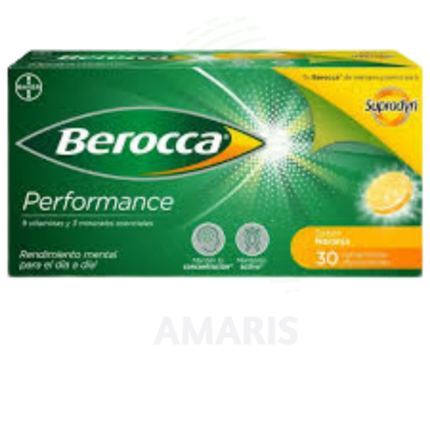

BEROCCA PERFORMANCE ORANGE EFFERVESCENT TABLETS
Berocca Performance Orange is a caffeine-free, sugar-free effervescent multivitamin supplement that combines 12 essential vitamins and minerals—including all eight B vitamins, high-dose vitamin C, magnesium, zinc, and calcium—to support energy release from food, reduce tiredness and fatigue, and improve mental and physical stamina . Backed by 7 clinical studies, it helps enhance alertness, concentration, and immune defence . Dissolve one tablet in a glass of water daily for a refreshing orange-flavoured drink with only 6-8 calories per serve . Suitable for vegetarians and vegans, and contains no artificial colours or stimulants .


COCO POPS
Coco Pops is a chocolate‑flavored, crispy rice breakfast cereal fortified with essential vitamins and minerals, including iron, B vitamins, and vitamin D. For the pediatrician, nutritionist, feeding therapist, and public health professional, it serves as a palatable, energy‑dense, child‑appealing option to support children with poor appetite, selective eating, increased caloric demands, or limited food variety, and can be used in emergency feeding programs and behavioral feeding therapy. For the parent, it offers a convenient, shelf‑stable, and familiar breakfast that helps bridge nutritional gaps, reduce mealtime battles, provide quick energy, and serve as a positive reinforcement tool during picky eating phases or illness recovery. While not a substitute for whole foods, it can be a useful adjunct in a balanced pediatric diet.
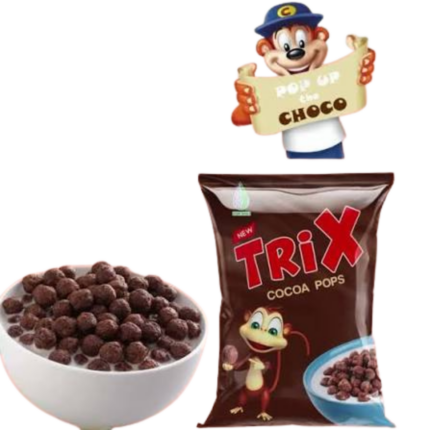
COCO POPS TRIX
Coco Pops Trix is a fruit‑flavored, brightly colored (red, green, yellow, orange, purple), sweetened puffed corn and rice breakfast cereal fortified with essential vitamins and minerals, including iron, B vitamins, and vitamin D. For the pediatrician, nutritionist, feeding therapist, and public health professional, it serves as a palatable, energy‑dense, visually appealing option to support children with selective eating, sensory aversions, increased caloric demands, or limited food variety, and can be used in emergency feeding programs and behavioral feeding therapy. For the parent, it offers a convenient, shelf‑stable, and child‑appealing breakfast that helps bridge nutritional gaps, reduce mealtime battles, provide quick energy, and serve as a positive reinforcement tool during picky eating phases or illness recovery. While not a substitute for whole foods, it can be a useful adjunct in a balanced pediatric diet.
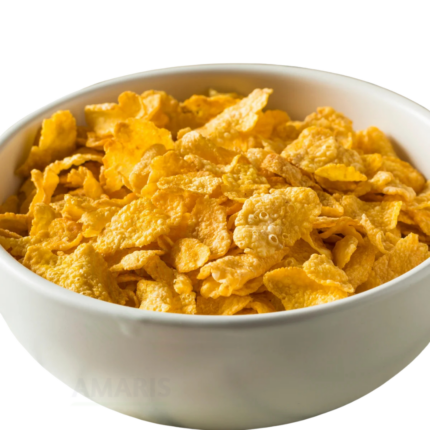
CORN FLAKES
Corn Flakes is a low‑sugar, whole grain corn breakfast cereal fortified with essential vitamins and minerals, including iron, B vitamins, and vitamin D. For the gastroenterologist, cardiologist, endocrinologist, and public health professional, it serves as a versatile, low‑fat, low‑sugar option to support bowel regularity, cardiovascular health, glycemic management, and micronutrient delivery in vulnerable populations. For the patient, it offers a simple, familiar, and satisfying breakfast that can be easily incorporated into a balanced diet, paired with fruit, milk, or yogurt. While not a substitute for whole grains and fresh produce, it provides a convenient, shelf‑stable foundation for a nutritious morning meal.
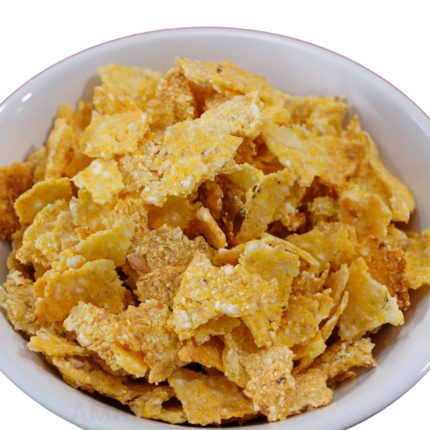
CORN FLAKES ORIGINAL
Corn Flakes Original is a low‑sugar, whole grain corn breakfast cereal fortified with essential vitamins and minerals, including iron, B vitamins, and vitamin D. For the gastroenterologist, cardiologist, endocrinologist, and public health professional, it serves as a versatile, low‑fat, low‑sugar option to support bowel regularity, cardiovascular health, glycemic management, and micronutrient delivery in vulnerable populations. For the patient, it offers a simple, familiar, and satisfying breakfast that can be easily incorporated into a balanced diet, paired with fruit, milk, or yogurt. While not a substitute for whole grains and fresh produce, it provides a convenient, shelf‑stable foundation for a nutritious morning meal.

CRUNCHY NUT
Crunchy Nut is a honey‑coated, nut‑infused corn flake breakfast cereal fortified with essential vitamins and minerals, including iron, B vitamins, and vitamin D. For the dietitian, endocrinologist, cardiologist, and public health professional, it offers a higher energy density and improved nutrient profile compared to plain corn flakes, with the added benefits of healthy fats, plant protein, and fiber from nuts. It supports patients with poor appetite, increased caloric needs, glycemic management, and cardiovascular health, and can be used in food assistance programs. For the patient, it provides a satisfying, crunchy, sweet‑and‑nutty breakfast that helps control hunger, supports heart health, and delivers essential micronutrients. While not a substitute for whole foods, it serves as a convenient, shelf‑stable foundation for a nutritious morning meal.
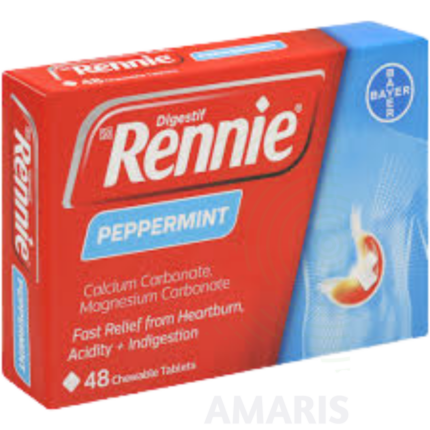
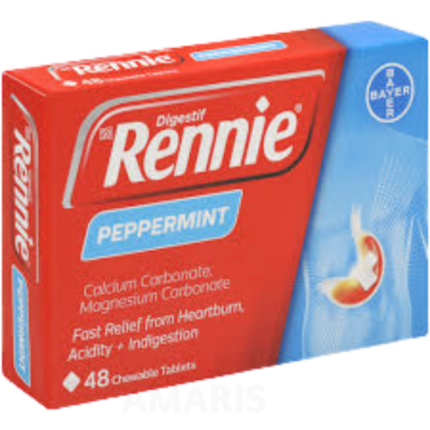
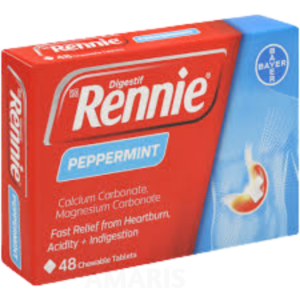
RENNIE PEPPERMINT ANTACID CHEWABLE TABLETS
Rennie Peppermint is a chewable antacid tablet containing calcium carbonate 680mg and magnesium carbonate 80mg per tablet, providing fast and effective relief from heartburn, acid indigestion, and dyspepsia . The dual-antacid formulation rapidly neutralises excess stomach acid, typically achieving clinically relevant pH change within minutes . Indicated for adults and children over 12 years, with a usual dosage of 1-2 tablets as required, up to a maximum of 10-16 tablets per day depending on regional guidelines . Suitable for use during pregnancy and breastfeeding when taken as instructed . Duration of treatment should not exceed 14 days without medical advice . Contains sugar (sucrose and glucose) . Not recommended for children under 12 years . Keep out of reach of children.