 Atta, Flours & Sooji
 Wheat Atta
 Sooji (Semolina)
 Organic Flours
 Besan (Gram Flour)
 Rice Flour
 Rice & Rice Products
 Rice Cakes
 Poha (Flattened Rice)
 Brown & Red Rice
 Basmati Rice
 Non-Basmati Rice
 Dals & Pulses
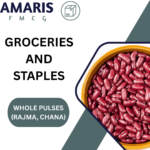 Whole Pulses (Rajma, Chana)
 Masoor Dal
 Chana Dal
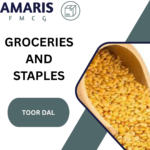 Toor Dal
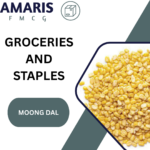 Moong Dal
 Edible Oils
 Blended Oils
 Coconut Oil
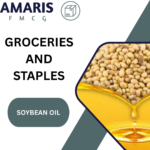 Soybean Oil
 Mustard Oil
 Olive Oil
 Sunflower Oil
 Salt, Sugar & Jaggery
 White & Brown Sugar
 Sea Salt & Himalayan Salt
 Table Salt
 Jaggery (Powdered & Block)
 Spices & Seasonings
 Herbs & Seasoning Packets
 Spice Blends (Masalas)
 Whole Spices
 Powdered Spices
 Sauces, Spreads & Condiments
 Honey, Jam & Spreads
 Soy & Chili Sauce
 Chutneys
 Pickles
 Tomato Ketchup
 Mayonnaise & Dressings
 Vinegar
 Dressing Salad
 Sauces / Table Sauces
 Salad Cream
 Breakfast Cereals
 Oats & Muesli
 Granola
 Cornflakes
 Canned & Packaged Foods
 Cream Soups / Tomato Soup
 Tea
Tea Tea Bags
 Herbal & Specialty Tea
 Green Tea
 Black Tea
 Coffee
 Instant Coffee
 Ground Coffee
 Coffee Beans
 Health & Energy Drinks
 Health Supplements Drinks
 Energy Drinks
 Protein Shakes
 Fruit Juices & Drinks
 Coconut Water
 Nectars & Juice Drinks
 100% Juices
 Soft Drinks & Sodas
 Cola
Cola Diet Sodas
 Fruit Sodas
 Lemonade
 Water
Water Sparkling Water
 Packaged Drinking Water
 Flavored Water
 Powdered Drinks
 Drinking Chocolates
 Namkeen & Savory Snacks
 Extruded Snacks
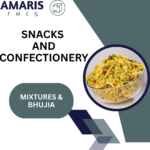 Mixtures & Bhujia
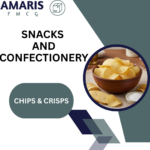 Chips & Crisps
 Biscuits & Cookies
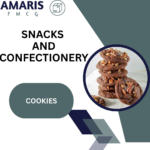 Cookies
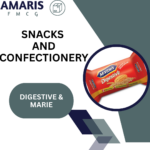 Digestive & Marie
 Glucose Biscuits
 Cream Biscuits
 Chocolates & Candies
 Sweets & Bubble Gum
 Toffees & Hard Candies
 Chocolate Bars
 Boxed Chocolates
 Cakes & Pastries
 Pastries & Danish
 Cupcakes
 Birthday & Celebration Cakes
 Desserts & Ice Cream Toppings
 Caramel & Fruit Toppings
 Chocolate Syrup & Sauce
 Whipped Cream
 Sprinkles & Nuts
 Nuts & Dry Fruits
 Raisins & Apricots
 Roasted & Salted Nuts
 Almonds, Cashews, Walnuts
 Milk
Milk Fresh Milk (Full Cream, Toned)
 Flavored Milk
 Butter & Margarine
 Margarine
 Salted & Unsalted Butter
 Cheese
 Sliced Cheese
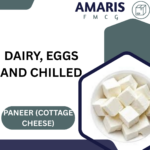 Paneer (Cottage Cheese)
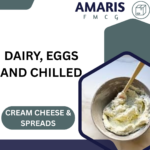 Cream Cheese & Spreads
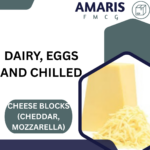 Cheese Blocks (Cheddar, Mozzarella)
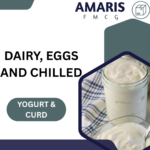 Yogurt & Curd
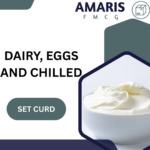 Set Curd
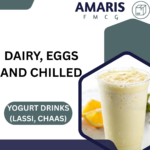 Yogurt Drinks (Lassi, Chaas)
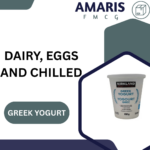 Greek Yogurt
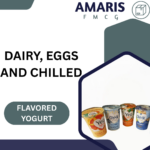 Flavored Yogurt
 Cream & Desserts
 Custards & Mousses
 Fresh Cream
 Eggs
Eggs Organic Eggs
 Brown Eggs
 Farm Eggs
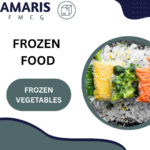 Frozen Vegetables
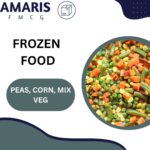 Peas, Corn, Mix Veg
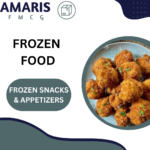 Frozen Snacks & Appetizers
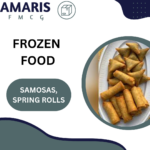 Samosas & Spring Rolls
 Nuggets & Finger Foods
 Frozen Meat & Poultry
 Frozen Sausages & Hot Dogs
 Frozen Pork
 Frozen Chicken
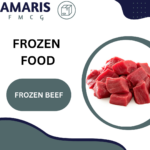 Frozen Beef
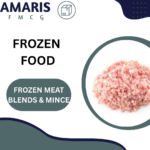 Frozen Meat Blends & Mince
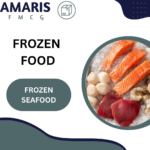 Frozen Seafood
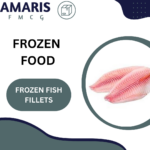 Frozen Fish Fillets
 Frozen Seafood Mixes
 Ice Cream & Frozen Desserts
 Sorbets & Gelato
 Ice Cream Tubs
 Ice Cream Bars & Cones
 Oral Care
 Mouthwash
 Toothpaste
 Toothbrushes (Manual & Electric)
 Bath & Body
 Deodorants & Antiperspirants
 Body Lotions & Moisturizers
 Soaps & Body Wash
 Hair Care
 Styling Products (Gel, Wax, Spray)
 Hair Oils
 Shampoo & Conditioner
 Skincare
 Lip Balm
 Moisturizers & Creams
 Face Wash & Cleansers
 Feminine Hygiene
 Tampons
 Sanitary Pads
 Shaving Needs
 Razors & Blades
 Shaving Cream & Foam
 Vitamins & Supplements
 Multivitamins
 Protein Powder
 Specialty Supplements (Omega-3, Calcium)
 Ayurveda & Herbal
 Herbal Supplements
 Chyawanprash
 Weight Management
 Fitness & Workout Accessories
 Protein Shakes & Powders
 Sports Nutrition
 Energy Bars & Snacks
 Electrolyte & Hydration Drinks
 Sports Multivitamins
 Protein Powders & Shakes
 Dishwashing
 Dishwashing Bars & Liquid
 Dishwasher Detergents
 Laundry
 Fabric Softeners & Whiteners
 Detergent Powder & Liquid
 Detergent Bars
 Floor & Surface Cleaners
 Glass & Mirror Cleaners
 All-Purpose Cleaners
 Floor Cleaners (Liquid, Powder)
 Oven Cleaner
 Polish
 Toilet Cleaners
 Toilet Cleaning Tablets
 Toilet Brush & Cleaner Sets
 Liquid Toilet Cleaners
 Insecticides & Repellents
 Ant & Cockroach Killers
 Mosquito Repellents (Coils, Mats, Sprays)
 Air Fresheners & Fragrances
 Car Air Fresheners
 Essential Oils & Diffusers
 Plug-In Air Fresheners
 Scented Candles
 Room Sprays
 Paper Products
 Tissues & Napkins
 Kitchen Towels
 Toilet Paper
 Household Cleaning Products
 Kitchen & Surface Cleaners
 Kitchen & Dishwashing
 Gloves
 Baby Food & Formula
 Cereals & Purees
 Infant Formula
 Diapers & Wipes
 Baby Wipes
 Disposable Diapers
 Baby Bath & Skincare
 Diaper Rash Cream
 Baby Soap & Shampoo
 Baby Lotion & Oil
 Dog Food
 Dry Dog Food
 Dog Treats
 Wet Dog Food
 Pet Grooming
 Shampoos & Conditioners
 Brushes & Combs
 Flea & Tick Control
 Grooming Tools & Kits
 Pet Accessories
 Litter & Trays (for cats)
 Collars & Leashes
 Toys & Chew Toys
 Bowls & Feeders
 Cat Food
 Wet Cat Food
 Cat Treats
 Dry Cat Food
 Organic Products
 Organic Beverages
 Organic Supplements
 Organic Food & Snacks
 Gluten-Free
 Gluten-Free Beverages
 Gluten-Free Snacks
 Gluten-Free Pasta & Grains
 Gluten-Free Breads & Bakery
 Vegan Products
 Vegan Supplements
 Vegan Food & Snacks
 Vegan Beverages
 Sugar-Free & No Added Sugar
 Sugar-Free Beverages
 Sugar-Free Snacks
 Sugar-Free Desserts & Sweets
 Keto-Friendly
 Keto Beverages
 Keto Supplements
 Keto Snacks
 Diabetic-Friendly
 Diabetic-Friendly Supplements
 Diabetic-Friendly Health Monitors & Devices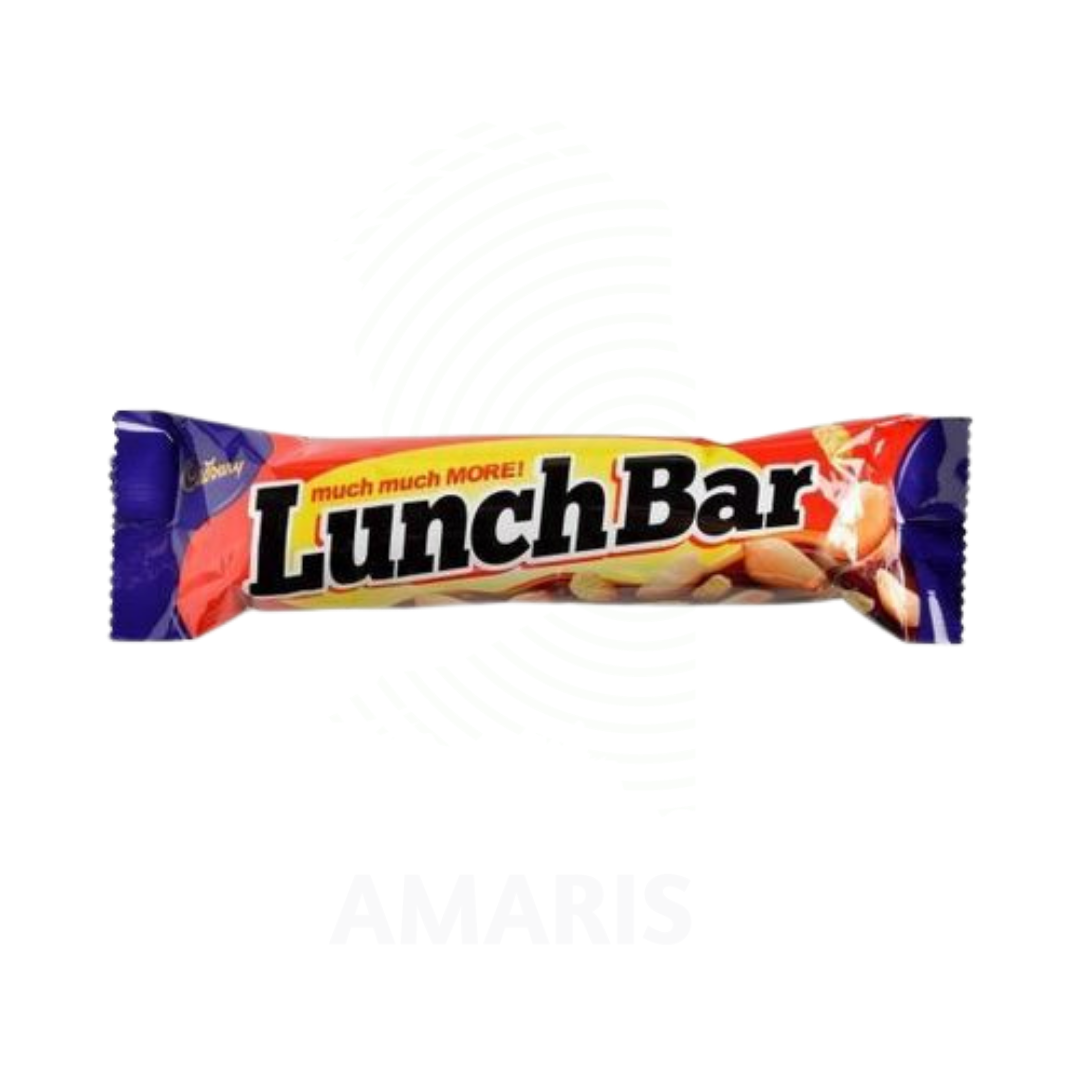

CADBURY LUNCH BAR MINI BARS
WhatsApp Order
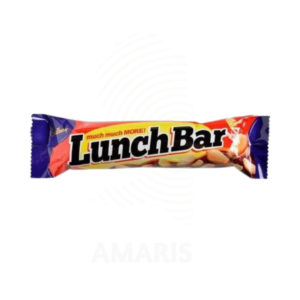
Cadbury Lunch Bar Mini features wafer biscuit, chewy caramel, peanuts, and crisped rice coated in smooth milk chocolate. Each individually wrapped 21-23g bar provides approximately 110-120 calories. For clinicians, they offer a palatable, energy-dense supplement for patients with poor appetite and portion-controlled treats for dietary monitoring. Contains milk, soya, peanuts, wheat/gluten; may contain tree nuts. Not suitable for patients with dysphagia or severe nut allergies. Keep away from pets—chocolate is toxic to dogs and cats.
Description
CADBURY LUNCH BAR MINI BARS
PRIMARY USES
1. Energy-Dense Snacking for Patients Requiring Caloric Supplementation
Primary Use: Provides a portion-controlled, individually wrapped chocolate bar containing wafer biscuit, chewy caramel, peanuts, and crisped rice coated in smooth Cadbury milk chocolate, offering a concentrated source of energy and a satisfying mix of sweet and nutty flavours .
How it helps: For the dietitian and clinician, patients with poor appetite, cancer cachexia, or recovering from illness often struggle to maintain adequate caloric intake. The mini format (21-23g per bar) provides approximately 110-120 calories per serving, with the combination of carbohydrates from wafer, caramel, and crisped rice, plus fat and protein from milk chocolate and peanuts . The individually wrapped bars allow for portion control and can be offered between meals as a palatable, energy-dense supplement that requires no preparation.
2. Mood Enhancement and Sensory Stimulation for Patients with Reduced Appetite
Primary Use: The combination of smooth milk chocolate, crunchy wafer, chewy caramel, crispy rice puffs, and roasted peanuts creates a multi-textural, multi-sensory experience that triggers dopamine release and can stimulate appetite in patients with taste alterations or reduced oral intake.
How it helps: For the oncology dietitian and palliative care nurse, patients undergoing treatment often experience reduced appetite and taste changes. The varied textures and flavours—crunchy, chewy, crispy, and smooth—offer sensory variety that can appeal to altered taste perceptions . The familiar, indulgent taste of Cadbury milk chocolate can provide comfort and lift spirits during challenging health journeys. For the patient, this offers an accessible, enjoyable way to increase caloric intake without feeling overwhelmed.
SECONDARY USES
1. Non-medical comfort for needle phobia or distressing procedures: Offering a Lunch Bar Mini as a reward or distraction during venepuncture, cannulation, or vaccinations can reduce anxiety, with the familiar, comforting chocolate flavour providing a pleasant sensory focus.
2. Portable, shelf-stable snack for healthcare staff and carers: The individually wrapped, long shelf life (6-12 months) format makes these bars practical for inclusion in staff break rooms, nursing stations, or carers’ bags for quick energy during long shifts .
3. Portion-controlled treat for patients with dietary restrictions: The mini format (21-23g) allows for easy portion control, making it suitable for patients who need to monitor their intake of sugar or carbohydrates. Carers can offer one bar at a time as a controlled treat .
4. Reward to improve adherence to oral nutritional supplements (ONS): For patients who refuse or struggle to consume prescribed oral nutritional supplements, offering a small, familiar chocolate bar as a reward can serve as positive reinforcement.
About brand
Cadbury is a well-known chocolate brand loved for its smooth, creamy taste and rich chocolate flavor. It offers a variety of chocolate bars, treats, and confectionery products for different occasions. Cadbury is ideal for enjoying as a snack, sharing with family and friends, or giving as a gift. It brings a delicious and enjoyable chocolate experience with every bite.
KEY PRODUCT FEATURES
1. BASIC IDENTIFICATION ATTRIBUTES
-
Device Type: Individually wrapped milk chocolate confectionery bar; not a medical device
-
Designation: Cadbury Lunch Bar Mini, Cadbury Lunch Bar Minis
-
Key Components: Milk chocolate coating, wafer biscuit, caramel, peanuts, crisped rice
-
Weight per Bar: 21g to 23g depending on market variant
-
Pack Sizes: 168g bag (8 x 21g bars), 184g bag, 24-bar box (23g each), 168g treat bag
-
Cocoa Solids: 20% minimum
-
Milk Solids: 20% minimum
-
Key Features: Portion-controlled mini format, individually wrapped, multi-textural (crunchy, chewy, crispy, smooth), shelf-stable (6-12 months), convenient for on-the-go snacking
2. TECHNICAL & PERFORMANCE PROPERTIES
-
Primary Action: Palatable, energy-dense food supplement; sensory stimulation; appetite stimulation
-
Energy Density: Approximately 110-120 kcal per 21-23g bar
-
Allergen Information: Contains milk, soya, peanuts, wheat/gluten. May contain tree nuts
-
Dietary Status: Not suitable for vegans; contains animal-derived ingredients (milk)
-
Shelf Life: 6-12 months depending on packaging variant
-
Storage: Store in a cool, dry place away from direct sunlight, heat, and humidity
3. PHYSICAL & OPERATIONAL PROPERTIES
-
Preparation: No preparation required. Remove from wrapper and enjoy.
-
Usage Instructions: Eat as a snack between meals, or offer to patients as a palatable supplement. Recommended serving is 1-2 bars per day as an occasional treat.
-
Storage Conditions: Store in a cool, dry place away from direct sunlight, heat, and humidity.
-
Portion Size: 1 bar (21-23g) per serving
-
Packaging: Individually foil-wrapped or film-wrapped bars in bags or boxes
4. SAFETY & COMPLIANCE ATTRIBUTES
-
Allergens: Contains milk, soya, peanuts, wheat/gluten. May contain tree nuts. Patients with confirmed allergies should avoid .
-
Nutritional Caution: Contains sugar, saturated fat, and calories. Patients with diabetes, prediabetes, or insulin resistance should limit consumption to 1 bar per day and account for carbohydrates in their meal plan .
-
Choking Hazard: Hard wafer and peanut pieces can cause airway obstruction in patients with dysphagia, poor dentition, or cognitive impairment. Not suitable for these patients.
-
Theobromine Toxicity: Keep away from pets—chocolate is highly toxic to dogs and cats.
-
Migraine Trigger: Avoid in patients with known chocolate sensitivity.
-
Dental Health: Sugar content makes this product cariogenic. Advise brushing or rinsing after consumption.
-
Training Requirement: Assess swallowing and allergy status. Educate on portion control and choking hazards.
SAFETY HANDLING PRECAUTIONS
1. SAFETY PRECAUTIONS
-
Choking hazard – contraindicated in dysphagia, poor dentition, cognitive impairment: Hard wafer and peanut pieces can cause airway obstruction. Do not use in patients with oropharyngeal dysphagia, after stroke, with Parkinson's disease, advanced dementia, or requiring texture‑modified diets.
-
Allergen alert – contains multiple allergens: Contains milk, soya, peanuts, and wheat/gluten. May contain tree nuts . Patients with confirmed allergies should avoid.
-
High sugar and saturated fat – caution in diabetes and hyperlipidaemia: Contains sugar and saturated fat. Patients with diabetes, prediabetes, or insulin resistance should limit consumption to 1 bar per day and account for carbohydrates in their meal plan .
-
Peanut allergy – contains peanuts: Contains peanuts (9%). Patients with peanut allergy should avoid .
-
Theobromine toxicity – keep away from pets: Chocolate is highly toxic to dogs and cats. Store securely.
-
Migraine trigger – avoid in patients with known chocolate sensitivity.
-
Dental health: Sugar content makes this product cariogenic. Advise brushing or rinsing after consumption.
-
Training requirement: Assess swallowing and allergy status. Educate on portion control and choking hazards.
2. FIRST AID MEASURES
-
Choking: Follow standard choking protocols (back blows, abdominal thrusts). Call emergency services if obstruction persists.
-
Allergic reaction (milk, soya, peanuts, wheat/gluten): Administer epinephrine if prescribed and seek emergency care.
-
Theobromine toxicity (pets): If ingested by a pet, contact a veterinarian immediately. Symptoms include vomiting, diarrhoea, restlessness, rapid breathing, increased heart rate, seizures.
3. FIRE FIGHTING MEASURES
-
Flammability: Fat- and sugar-based; flammable if exposed to open flame.
-
Extinguishing Media: Use foam, dry chemical, or CO₂. Do not use water.
-
Fire Response: For small fires, turn off heat source and smother or use extinguisher. Evacuate for larger fires. Firefighters should wear self-contained breathing apparatus (SCBA) and full protective gear for fires involving burning sugar and fats.
Related products
CADBURY CARAMILK GOLDEN CARAMEL BAR
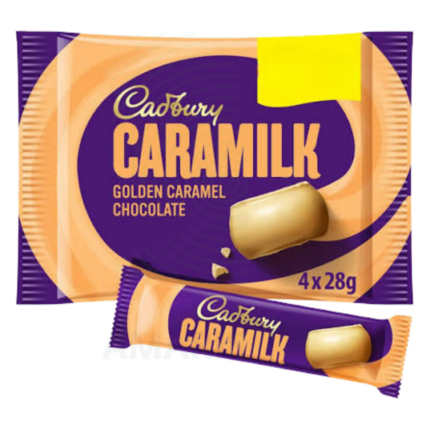
Cadbury Caramilk is a golden caramel chocolate bar featuring a unique blend of white chocolate and caramelised milk powder developed for the UK, Ireland, Australia, and South Africa . Each 25g serving provides approximately 136-151 kcal and 8-9g fat . Available in 80g, 90g, and 180g blocks, plus P.S. wafer bars and Marble variants . For clinicians, it offers a palatable, energy-dense treat for patients with poor appetite. Contains milk, soya; may contain nuts and gluten. Vegetarian-friendly. Not suitable for dysphagia patients. Keep away from pets—chocolate is toxic to dogs and cats.
FERRERO RAFFAELLO COCONUT & ALMOND TRUFFLES
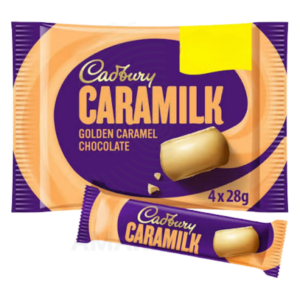
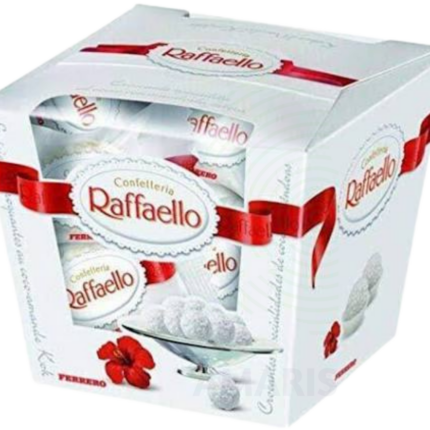
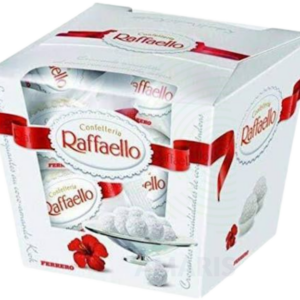
Ferrero Raffaello features a whole blanched almond encased in smooth cream filling, surrounded by a crispy wafer, and coated with delicate coconut flakes . Each 10g piece provides approximately 63 kcal, 4.8g fat, and 3.4g sugar . For clinicians, they offer sensory stimulation for patients with reduced appetite and energy-dense calories. Contains almonds, milk, soya, wheat/gluten . Suitable for vegetarians; Kosher and Halal certified . Not suitable for dysphagia patients. Keep away from pets—chocolate is toxic to dogs and cats.
FERRERO ROCHER HAZELNUT TRUFFLES
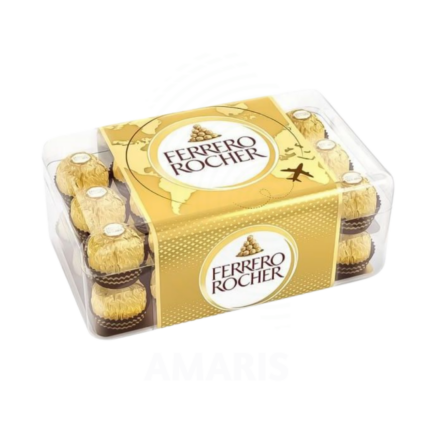
Ferrero Rocher features a whole roasted hazelnut encased in smooth hazelnut filling, surrounded by a crispy wafer, and coated in milk chocolate with hazelnut pieces. Each 25g serving (2 pieces) provides 150 calories, 11g fat, and 10g sugar. For clinicians, they offer sensory stimulation for patients with reduced appetite and energy-dense calories. Contains hazelnuts, wheat, milk, soya; may contain almonds. Not suitable for dysphagia patients. Keep away from pets—chocolate is toxic to dogs and cats.
LINDT EXCELLENCE MINT INTENSE
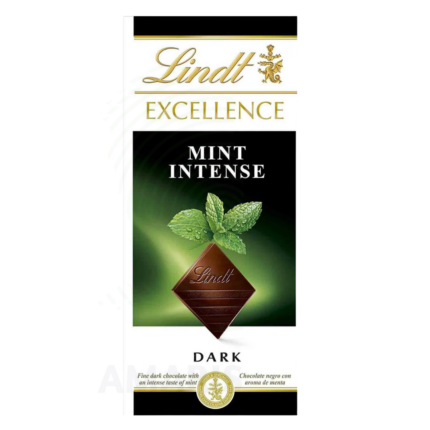
Lindt Excellence Mint Intense is a 70‑75% dark chocolate bar infused with natural peppermint oil. A 20 g serving (3‑4 squares) provides 85‑110 kcal and only 4‑5 g sugar, making it suitable for diabetic patients in moderation. The high flavanol content supports cardiovascular health by improving endothelial function and lowering blood pressure. Natural peppermint oil enhances alertness, reduces anxiety, improves focus, and may help relieve mild nausea – useful in palliative care, oncology, and geriatric settings. The strong mint flavour effectively masks metallic dysgeusia in chemotherapy and renal patients while leaving a clean, fresh aftertaste. However, hard dark chocolate pieces pose a choking hazard – not for patients with dysphagia, poor dentition, or cognitive impairment. Contains soya; may contain traces of milk, nuts, and gluten. Caution in pregnancy due to cadmium. For appropriate patients, a few squares deliver indulgence with cardiovascular, cognitive, and anti‑nausea benefits.
LINDT GRAND WHITE ALMONDS
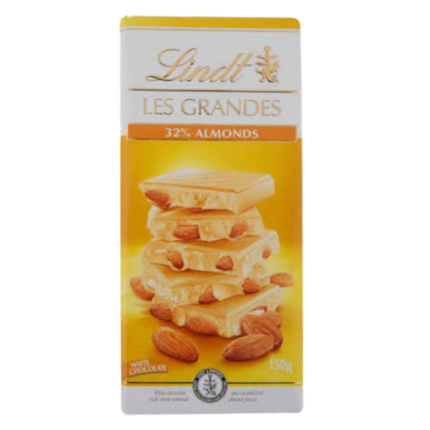
Grand White Almonds are whole, blanched almonds, with the skin removed, offering a versatile, nutrient-dense food rich in heart-healthy monounsaturated fats, vitamin E, plant sterols, and fibre . Clinically shown to reduce LDL cholesterol, improve inflammation markers (CRP, IL-6, TNF-α), and support glycaemic control, they are suitable for patients with cardiovascular risk factors, type 2 diabetes, and those seeking weight management support . Contains approximately 20-24 almonds per 30g serving. Also a source of calcium, magnesium, and plant protein. Warning: Contains almonds (tree nuts). Not suitable for individuals with tree nut allergies. Store in an airtight container in a cool, dry place or refrigerate to prevent rancidity .
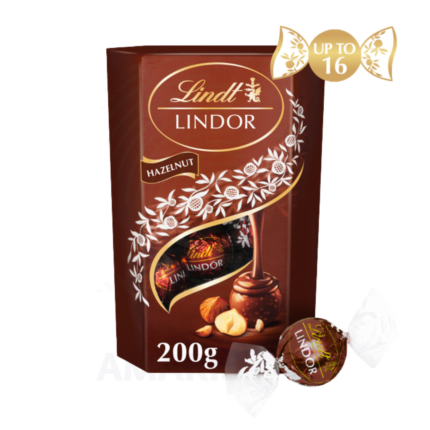
LINDT LINDOR HAZELNUT
Lindt Lindor Hazelnut is a premium milk chocolate confection from Lindt & Sprüngli, featuring a milk chocolate shell surrounding a smooth, melting hazelnut praline filling, often with finely chopped hazelnut pieces. Each piece (approximately 10‑12 g) provides 75‑85 kcal, 5‑7 g fat, and 6‑7 g sugar. For the dietitian and geriatrician, it serves as a concentrated calorie and protein source for cachectic patients, offers mood and sensory benefits in palliative care, and helps mask dysgeusia. However, hard chocolate shells and crunchy hazelnut pieces pose a significant choking hazard – this product is not suitable for patients with dysphagia, poor dentition, or cognitive impairment. Contraindicated in tree nuts (hazelnut) and milk allergy. For appropriate patients without swallowing or allergy concerns, a small piece offers indulgent pleasure and meaningful nutrition.

LINDT LINDOR MILK HAZELNUT TRUFFLES
Lindt LINDOR Milk Hazelnut Truffles feature a milk chocolate shell with crunchy roasted hazelnut pieces surrounding an irresistibly smooth melting centre. Each 36g serving (3 truffles) provides 220-230 kcal, 18g fat, 15g carbs, and 14g sugar. The hazelnut content adds protein (5.1g/100g) and healthy fats. For clinicians, they offer sensory pleasure for patients with reduced appetite and energy-dense calories. Contains milk, soya, barley, hazelnuts; may contain other nuts. Gluten-free (<20 mg/kg gluten). Not suitable for dysphagia patients. Keep away from pets.