 Atta, Flours & Sooji
 Wheat Atta
 Sooji (Semolina)
 Organic Flours
 Besan (Gram Flour)
 Rice Flour
 Rice & Rice Products
 Rice Cakes
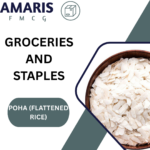 Poha (Flattened Rice)
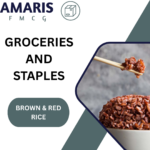 Brown & Red Rice
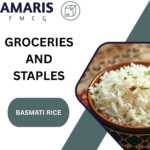 Basmati Rice
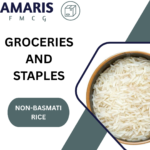 Non-Basmati Rice
 Dals & Pulses
 Whole Pulses (Rajma, Chana)
 Masoor Dal
 Chana Dal
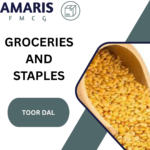 Toor Dal
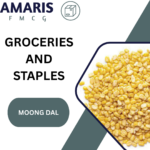 Moong Dal
 Edible Oils
 Blended Oils
 Coconut Oil
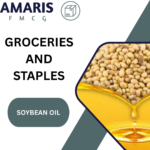 Soybean Oil
 Mustard Oil
 Olive Oil
 Sunflower Oil
 Salt, Sugar & Jaggery
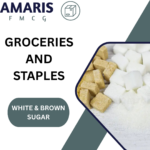 White & Brown Sugar
 Sea Salt & Himalayan Salt
 Table Salt
 Jaggery (Powdered & Block)
 Spices & Seasonings
 Herbs & Seasoning Packets
 Spice Blends (Masalas)
 Whole Spices
 Powdered Spices
 Sauces, Spreads & Condiments
 Honey, Jam & Spreads
 Soy & Chili Sauce
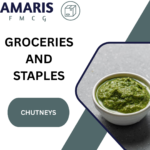 Chutneys
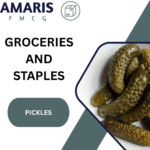 Pickles
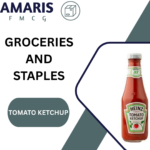 Tomato Ketchup
 Mayonnaise & Dressings
 Breakfast Cereals
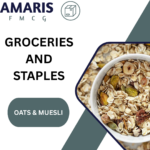 Oats & Muesli
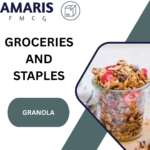 Granola
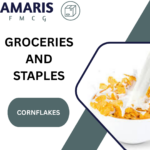 Cornflakes
 Canned & Packaged Foods
 Cream Soups / Tomato Soup
 Tea
Tea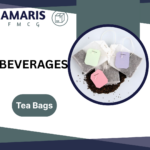 Tea Bags
 Herbal & Specialty Tea
 Green Tea
 Black Tea
 Coffee
 Instant Coffee
 Ground Coffee
 Coffee Beans
 Health & Energy Drinks
 Health Supplements Drinks
 Energy Drinks
 Protein Shakes
 Fruit Juices & Drinks
 Coconut Water
 Nectars & Juice Drinks
 100% Juices
 Soft Drinks & Sodas
 Cola
Cola Diet Sodas
 Fruit Sodas
 Lemonade
 Water
Water Sparkling Water
 Packaged Drinking Water
 Flavored Water
 Powdered Drinks
 Drinking Chocolates
 Namkeen & Savory Snacks
 Extruded Snacks
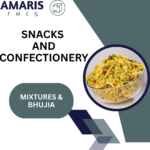 Mixtures & Bhujia
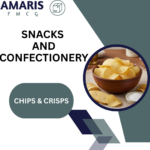 Chips & Crisps
 Biscuits & Cookies
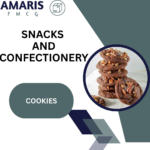 Cookies
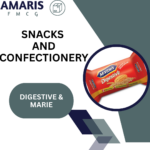 Digestive & Marie
 Glucose Biscuits
 Cream Biscuits
 Chocolates & Candies
 Sweets & Bubble Gum
 Toffees & Hard Candies
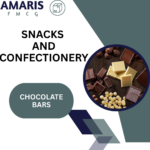 Chocolate Bars
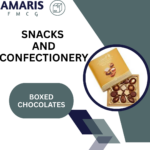 Boxed Chocolates
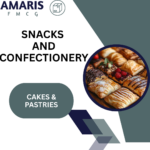 Cakes & Pastries
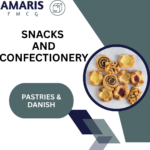 Pastries & Danish
 Cupcakes
 Birthday & Celebration Cakes
 Desserts & Ice Cream Toppings
 Caramel & Fruit Toppings
 Chocolate Syrup & Sauce
 Whipped Cream
 Sprinkles & Nuts
 Nuts & Dry Fruits
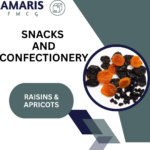 Raisins & Apricots
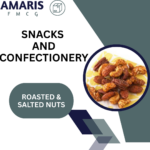 Roasted & Salted Nuts
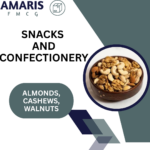 Almonds, Cashews, Walnuts
 Milk
Milk Fresh Milk (Full Cream, Toned)
 Flavored Milk
 Butter & Margarine
 Margarine
 Salted & Unsalted Butter
 Cheese
 Sliced Cheese
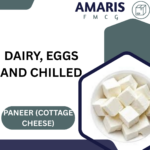 Paneer (Cottage Cheese)
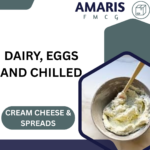 Cream Cheese & Spreads
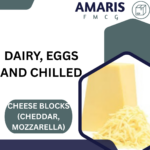 Cheese Blocks (Cheddar, Mozzarella)
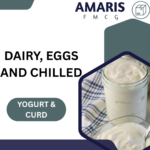 Yogurt & Curd
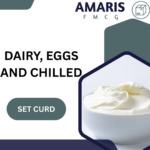 Set Curd
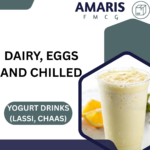 Yogurt Drinks (Lassi, Chaas)
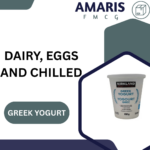 Greek Yogurt
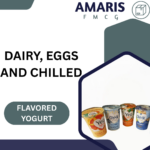 Flavored Yogurt
 Cream & Desserts
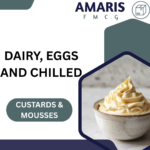 Custards & Mousses
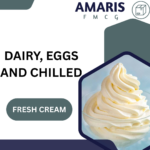 Fresh Cream
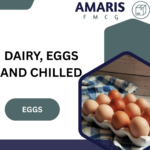 Eggs
Eggs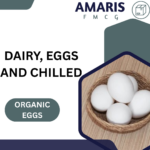 Organic Eggs
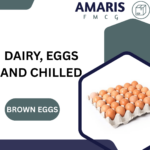 Brown Eggs
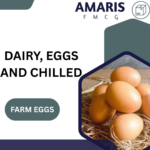 Farm Eggs
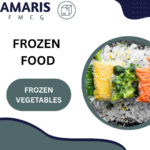 Frozen Vegetables
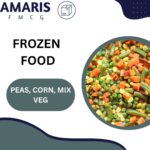 Peas, Corn, Mix Veg
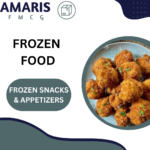 Frozen Snacks & Appetizers
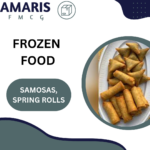 Samosas & Spring Rolls
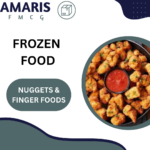 Nuggets & Finger Foods
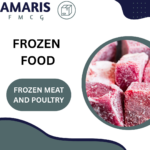 Frozen Meat & Poultry
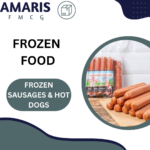 Frozen Sausages & Hot Dogs
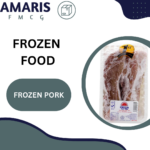 Frozen Pork
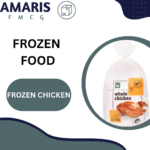 Frozen Chicken
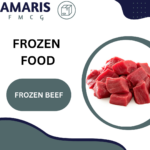 Frozen Beef
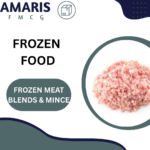 Frozen Meat Blends & Mince
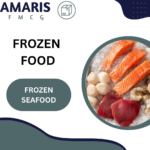 Frozen Seafood
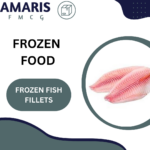 Frozen Fish Fillets
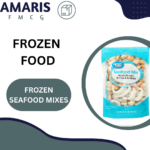 Frozen Seafood Mixes
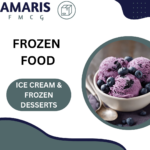 Ice Cream & Frozen Desserts
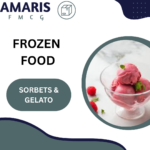 Sorbets & Gelato
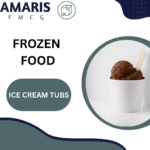 Ice Cream Tubs
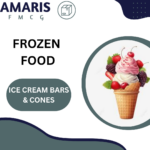 Ice Cream Bars & Cones
 Oral Care
 Mouthwash
 Toothpaste
 Toothbrushes (Manual & Electric)
 Bath & Body
 Deodorants & Antiperspirants
 Body Lotions & Moisturizers
 Soaps & Body Wash
 Hair Care
 Styling Products (Gel, Wax, Spray)
 Hair Oils
 Shampoo & Conditioner
 Skincare
 Lip Balm
 Moisturizers & Creams
 Face Wash & Cleansers
 Feminine Hygiene
 Tampons
 Sanitary Pads
 Shaving Needs
 Razors & Blades
 Shaving Cream & Foam
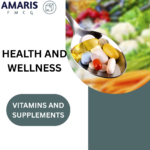 Vitamins & Supplements
 Multivitamins
 Protein Powder
 Specialty Supplements (Omega-3, Calcium)
 Ayurveda & Herbal
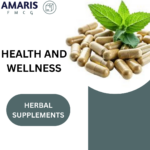 Herbal Supplements
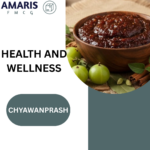 Chyawanprash
 Weight Management
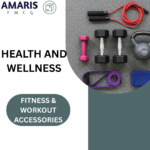 Fitness & Workout Accessories
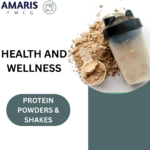 Protein Shakes & Powders
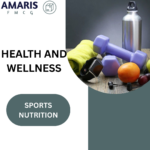 Sports Nutrition
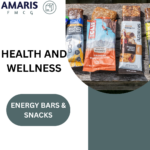 Energy Bars & Snacks
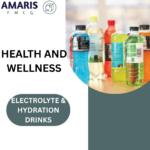 Electrolyte & Hydration Drinks
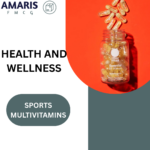 Sports Multivitamins
 Protein Powders & Shakes
 Dishwashing
 Dishwashing Bars & Liquid
 Dishwasher Detergents
 Laundry
 Fabric Softeners & Whiteners
 Detergent Powder & Liquid
 Detergent Bars
 Floor & Surface Cleaners
 Glass & Mirror Cleaners
 All-Purpose Cleaners
 Floor Cleaners (Liquid, Powder)
 Toilet Cleaners
 Toilet Cleaning Tablets
 Toilet Brush & Cleaner Sets
 Liquid Toilet Cleaners
 Insecticides & Repellents
 Ant & Cockroach Killers
 Mosquito Repellents (Coils, Mats, Sprays)
 Air Fresheners & Fragrances
 Car Air Fresheners
 Essential Oils & Diffusers
 Plug-In Air Fresheners
 Scented Candles
 Room Sprays
 Paper Products
 Tissues & Napkins
 Kitchen Towels
 Toilet Paper
 Baby Food & Formula
 Cereals & Purees
 Infant Formula
 Diapers & Wipes
 Baby Wipes
 Disposable Diapers
 Baby Bath & Skincare
 Diaper Rash Cream
 Baby Soap & Shampoo
 Baby Lotion & Oil
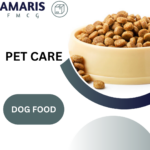 Dog Food
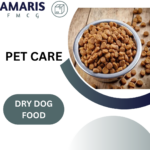 Dry Dog Food
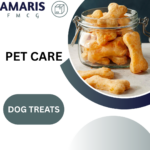 Dog Treats
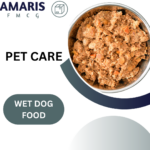 Wet Dog Food
 Pet Grooming
 Shampoos & Conditioners
 Brushes & Combs
 Flea & Tick Control
 Grooming Tools & Kits
 Pet Accessories
 Litter & Trays (for cats)
 Collars & Leashes
 Toys & Chew Toys
 Bowls & Feeders
 Cat Food
 Wet Cat Food
 Cat Treats
 Dry Cat Food
 Organic Products
 Organic Beverages
 Organic Supplements
 Organic Food & Snacks
 Gluten-Free
 Gluten-Free Beverages
 Gluten-Free Snacks
 Gluten-Free Pasta & Grains
 Gluten-Free Breads & Bakery
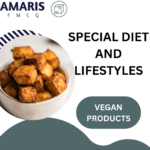 Vegan Products
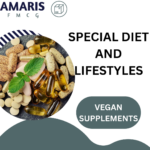 Vegan Supplements
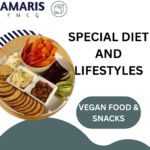 Vegan Food & Snacks
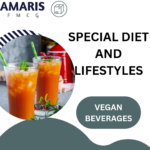 Vegan Beverages
 Sugar-Free & No Added Sugar
 Sugar-Free Beverages
 Sugar-Free Snacks
 Sugar-Free Desserts & Sweets
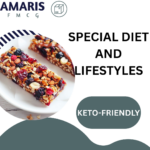 Keto-Friendly
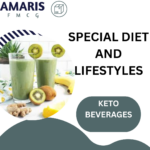 Keto Beverages
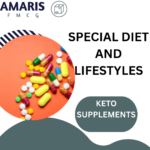 Keto Supplements
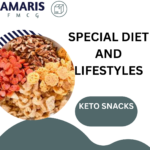 Keto Snacks
 Diabetic-Friendly
 Diabetic-Friendly Supplements
 Diabetic-Friendly Health Monitors & Devices




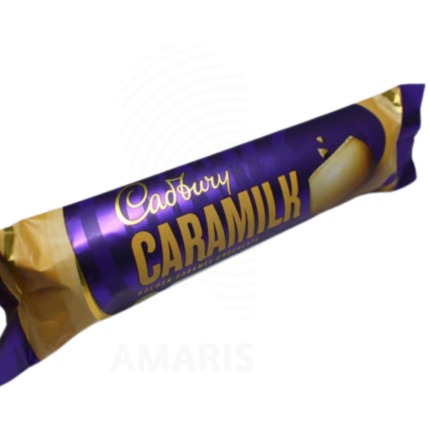
CADBURY CARAMILK MINI BARS
Cadbury Caramilk Mini Bars feature a golden caramelised white chocolate exterior with a soft-flowing caramel centre. Each 10.5g bar is individually wrapped; a 147g share pack contains 14 bars . For clinicians, they offer a palatable, energy-dense supplement for patients with poor appetite. Contains milk, soya; may contain peanuts and tree nuts. Not suitable for patients with dysphagia. The caramelised white chocolate is a unique flavour—less sweet than standard chocolate with a creamy, toasty profile. Keep away from pets—chocolate is toxic to dogs and cats.
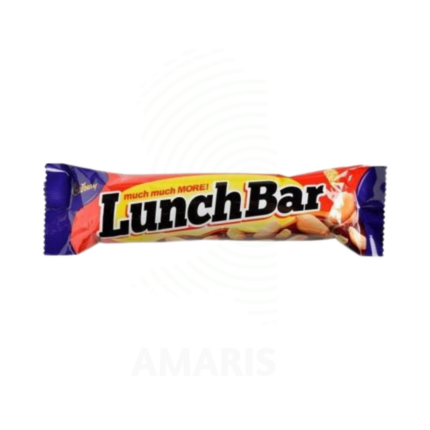
CADBURY LUNCH BAR MINI BARS
Cadbury Lunch Bar Mini features wafer biscuit, chewy caramel, peanuts, and crisped rice coated in smooth milk chocolate. Each individually wrapped 21-23g bar provides approximately 110-120 calories. For clinicians, they offer a palatable, energy-dense supplement for patients with poor appetite and portion-controlled treats for dietary monitoring. Contains milk, soya, peanuts, wheat/gluten; may contain tree nuts. Not suitable for patients with dysphagia or severe nut allergies. Keep away from pets—chocolate is toxic to dogs and cats.
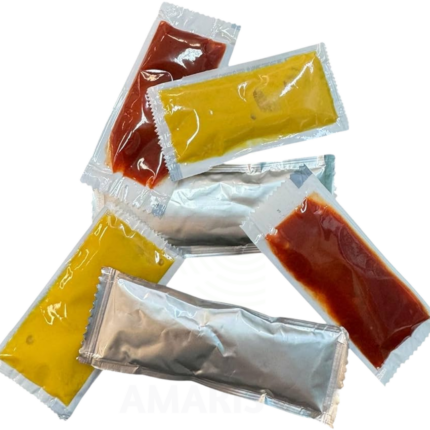
CONDIMENT SACHETS
Condiment Sachets (Sugar 5g / Salt, Pepper, Chilli 1.7g) are single‑use, sealed portions of common flavourings and sweeteners, widely used in food service, hospitals, and home care. The sugar sachet contains 5 g of granulated white sugar (approximately 20 kcal). The salt, pepper, and chilli sachets each contain 1.7 g of product, providing precise, hygienic dosing. For the dietitian, physician, and speech‑language pathologist, these sachets offer a practical tool for portion‑controlled nutrient supplementation (sugar for energy, salt for sodium repletion or flavour, pepper/chilli for appetite stimulation). They are particularly valuable in institutional settings (hospitals, nursing homes) and for homebound patients who need to follow precise dietary modifications. For the patient or caregiver, condiment sachets simplify meal preparation, reduce waste, and enable accurate tracking of sugar, salt, and spice intake, supporting better adherence to therapeutic diets.
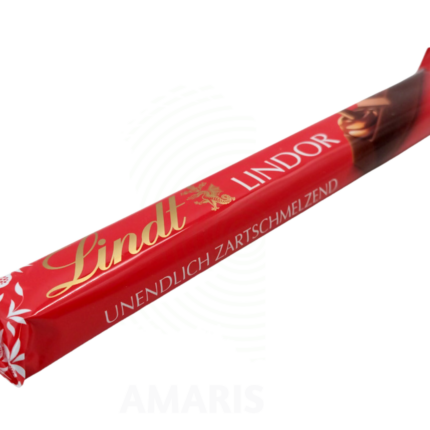
LINDOR MILK CHOCOLATE STICKS
Lindor Milk Chocolate Sticks are individually wrapped, stick‑shaped chocolate confections produced by Lindt & Sprüngli. Each stick consists of a delicate milk chocolate shell surrounding an exceptionally smooth, melting truffle‑style filling. The lindor milk chocolate sticks have a net weight of approximately 10‑12 g and provide approximately 75‑80 kcal, 5‑6 g of fat, and 6‑7 g of sugar per stick. The lindor milk chocolate stick are characterised by their premium cocoa butter content (no palm oil in the original recipe), which gives a low melting point (slightly below body temperature), resulting in the signature “melts in your mouth” experience. For the dietitian, palliative care physician, and speech‑language pathologist, Lindor Milk Chocolate Sticks serve several supportive roles: providing a concentrated, low‑volume calorie source for cachectic or malnourished patients, offering sensory pleasure and mood enhancement in end‑of‑life care, and (with careful modification) serving as a melt‑in‑the‑mouth treat for selected dysphagia patients. For the patient, a Lindor stick is a moment of simple, indulgent pleasure that can lift spirits, reward effort, and make a difficult day feel a little brighter.
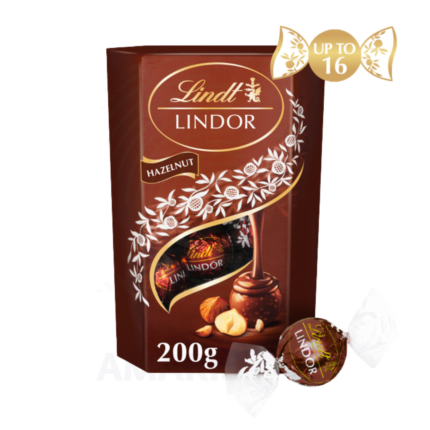
LINDT LINDOR HAZELNUT
Lindt Lindor Hazelnut is a premium milk chocolate confection from Lindt & Sprüngli, featuring a milk chocolate shell surrounding a smooth, melting hazelnut praline filling, often with finely chopped hazelnut pieces. Each piece (approximately 10‑12 g) provides 75‑85 kcal, 5‑7 g fat, and 6‑7 g sugar. For the dietitian and geriatrician, it serves as a concentrated calorie and protein source for cachectic patients, offers mood and sensory benefits in palliative care, and helps mask dysgeusia. However, hard chocolate shells and crunchy hazelnut pieces pose a significant choking hazard – this product is not suitable for patients with dysphagia, poor dentition, or cognitive impairment. Contraindicated in tree nuts (hazelnut) and milk allergy. For appropriate patients without swallowing or allergy concerns, a small piece offers indulgent pleasure and meaningful nutrition.
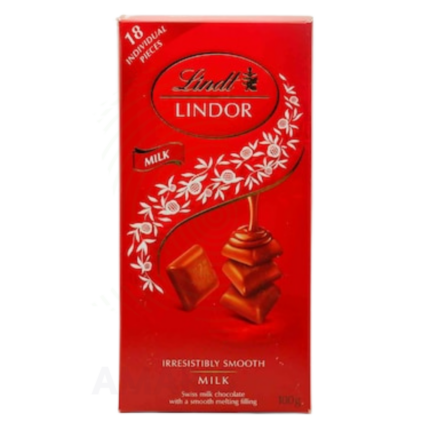
LINDT LINDOR MILK
Lindt Lindor Milk is a premium milk chocolate confection from Lindt & Sprüngli, featuring a delicate milk chocolate shell surrounding an exceptionally smooth, melting truffle filling. Each piece (stick or ball, approximately 10‑12 g) provides 75‑80 kcal, 5‑6 g fat, and 6‑7 g sugar. For the dietitian and palliative care physician, it serves as a concentrated, low‑volume calorie source for cachectic patients, a mood‑enhancing comfort treat in end‑of‑life care, and a dysgeusia‑masking snack for chemotherapy patients. With careful modification (broken into small pieces, allowed to melt completely), it can be offered to selected patients with mild dysphagia. However, the hard shell poses a choking hazard if not properly melted. Contains milk and soya; may contain traces of nuts and gluten. For appropriate patients, a Lindor Milk piece offers a moment of indulgent pleasure that can lift spirits and support nutritional intake.
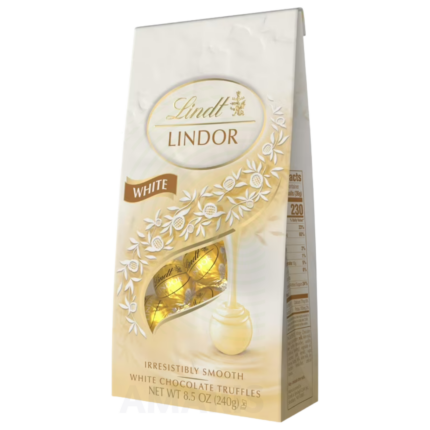
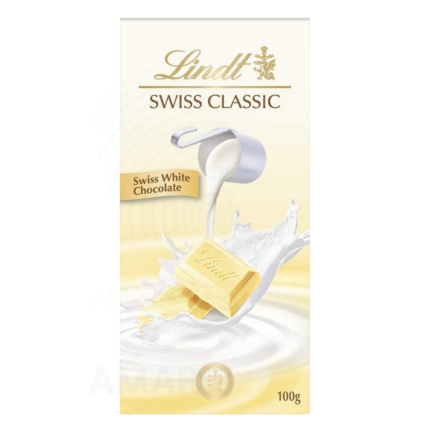
Lindt Lindor White
Lindt Lindor White is a premium white chocolate confection produced by Lindt & Sprüngli, consisting of an individual stick (approximately 10-12 g) with a delicate white chocolate shell surrounding an exceptionally smooth, melting truffle-style filling. The product is characterised by its high cocoa butter content (no palm oil in the original recipe), which gives a low melting point (slightly below body temperature), resulting in the signature "melts in your mouth" experience. Each stick provides approximately 75-80 kcal, 5-6 g of fat, and 6-7 g of sugar. For the dietitian, palliative care physician, and speech-language pathologist, Lindor White serves several supportive roles: providing a concentrated, low-volume calorie source for cachectic or malnourished patients; offering sensory pleasure and mood enhancement in end-of-life care; serving as a melt-in-the-mouth treat for selected dysphagia patients (with careful modification); and providing a quick energy source for fatigued patients undergoing rehabilitation. Unlike dark or milk chocolate, Lindt Lindor White contains no cocoa solids, making it suitable for patients who cannot tolerate the bitterness or theobromine content of other chocolates. For the patient, a Lindt Lindor White stick is a moment of simple, indulgent pleasure that can lift spirits, reward effort, and make a difficult day feel a little brighter.
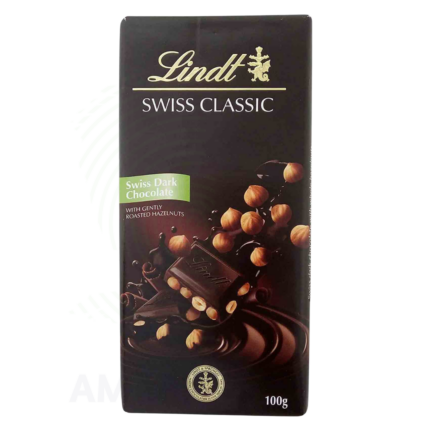
Lindt Swiss Dark Chocolate
Lindt Swiss dark chocolate is a premium confection made from cocoa mass, cocoa butter, sugar, and often additional cocoa powder, produced by renowned Swiss chocolatiers including Lindt & Sprüngli, Cailler (Nestlé), Villars, Favarger, and Läderach. The cocoa content typically ranges from 50 % to over 90 %, with 70 % being a common benchmark for balancing flavour intensity with health benefits. Nutritional composition varies with cocoa percentage: a typical 70 % cocoa Lindt Swiss dark chocolate provides approximately 572 kcal, 43.4 g fat (26.4 g saturated), 31.8 g carbohydrates (27.1 g sugar), and 11.3 g fibre per 100 g. Lindt Swiss dark chocolate is characterised by its smooth texture, rich flavour profile (notes of fruit, earth, coffee, or spice depending on origin), and low melting point (approximately 30–33 °C) due to high cocoa butter content. For the cardiologist, endocrinologist, and dietitian, Lindt Swiss dark chocolate (particularly ≥70 % cocoa) serves multiple clinical purposes: providing flavanol‑rich antioxidant support for cardiovascular health, improving cognitive function and mood in older adults, and enhancing insulin sensitivity for glycaemic control in type 2 diabetes and prediabetes. For the patient, a small daily piece of Lindt Swiss dark chocolate offers a moment of indulgent pleasure that can also support heart, brain, and metabolic health.
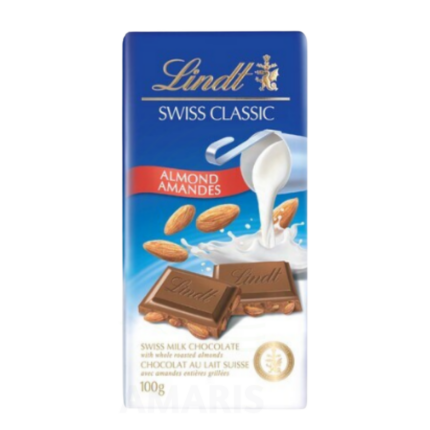
Lindt Swiss Milk with Almond
Lindt Swiss Milk with Almond is a premium confection produced by renowned Swiss chocolatiers such as Lindt & Sprüngli, Cailler, Villars, or Läderach, combining smooth, creamy milk chocolate with roasted almond pieces. The milk chocolate is made from cocoa mass, cocoa butter, whole milk powder, sugar, and natural vanilla flavouring, with a minimum cocoa solids content of 25‑30 % and milk solids of 14‑23 %. The almond content typically ranges from 15‑25 % of the product weight. The almonds are usually roasted to enhance flavour and crunch, then mixed into the chocolate before moulding. Nutritional composition (per 100 g): approximately 540‑570 kcal, 33‑38 g fat (saturated 16‑20 g, monounsaturated 8‑12 g), 48‑52 g carbohydrates (sugars 45‑50 g), 8‑10 g protein (approximately 2‑3 g from almonds), and 5‑7 g fibre. For the dietitian, geriatrician, and speech‑language pathologist, Swiss milk chocolate with almonds serves multiple supportive roles: providing a concentrated, low‑volume calorie and protein source for cachectic or malnourished patients; offering sensory stimulation and mood enhancement in palliative care and dementia; and delivering a quick energy boost for pre‑rehabilitation fuel. However, the presence of almond pieces introduces a significant choking hazard, and this product is not suitable for patients with dysphagia, moderate to severe swallowing difficulties, or those requiring texture‑modified diets (IDDSI Levels 0‑5). It is also contraindicated in patients with tree nut allergy. For appropriate patients without swallowing or allergy concerns, a small piece of Swiss milk chocolate with almonds offers a moment of indulgent pleasure that can lift spirits, reward effort, and contribute meaningful nutrition.
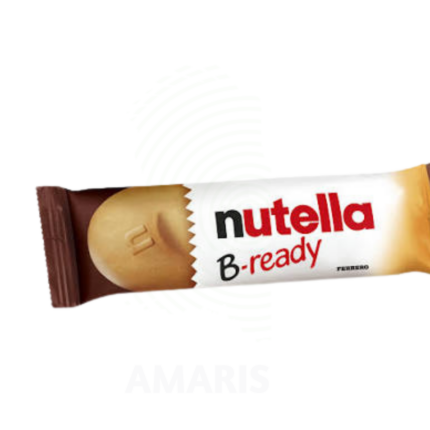
NUTELLA B-READY WAFER BAR
Nutella B-Ready is a 22g pre-portioned snack bar featuring a crunchy wafer shell filled with creamy hazelnut spread with cocoa (81.5%) and puffed wheat crispies . Each individually wrapped bar provides 110-115 kcal, 5.9g fat, and 10.4g sugar . Produced in Italy and Poland, the bar is free from artificial colors and preservatives, halal certified, and suitable for vegetarians . Contains hazelnuts, wheat (gluten), milk, barley, and soy . For clinicians, it offers a convenient, palatable energy supplement for patients with poor appetite, with controlled portion size . Not suitable for dysphagia patients. Keep away from pets.
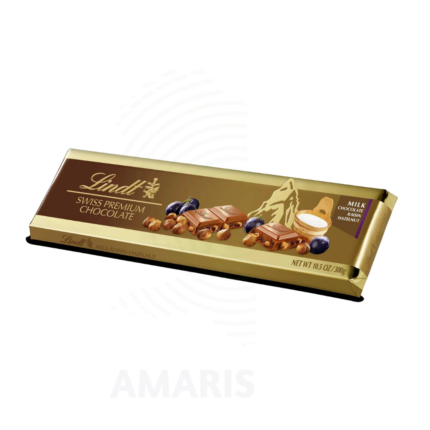
SWISS RAISIN & HAZELNUT
Swiss Raisin & Hazelnut is a premium milk chocolate confection from Swiss chocolatiers (Lindt, Cailler, Villars), combining creamy milk chocolate with sweet raisins and roasted hazelnut pieces. Per 100 g: approximately 520‑550 kcal, 28‑33 g fat, 50‑55 g carbohydrates, 6‑8 g protein, and 7‑9 g fibre. For the dietitian and geriatrician, it provides a concentrated calorie and nutrient source for cachectic patients, dietary fibre for constipation management, and antioxidants (polyphenols, vitamin E) for cardiovascular support. However, hard hazelnut pieces and chewy raisins pose a significant choking hazard – this product is not suitable for patients with dysphagia, poor dentition, or cognitive impairment. Contraindicated in tree nut (hazelnut) and milk allergy. For appropriate patients without swallowing or allergy concerns, a small piece offers indulgent pleasure and meaningful nutrition.