 Atta, Flours & Sooji
 Wheat Atta
 Sooji (Semolina)
 Organic Flours
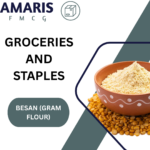 Besan (Gram Flour)
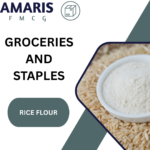 Rice Flour
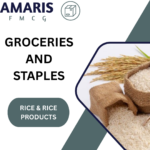 Rice & Rice Products
 Rice Cakes
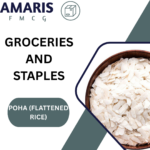 Poha (Flattened Rice)
 Brown & Red Rice
 Basmati Rice
 Non-Basmati Rice
 Dals & Pulses
 Whole Pulses (Rajma, Chana)
 Masoor Dal
 Chana Dal
 Toor Dal
 Moong Dal
 Edible Oils
 Blended Oils
 Coconut Oil
 Soybean Oil
 Mustard Oil
 Olive Oil
 Sunflower Oil
 Salt, Sugar & Jaggery
 White & Brown Sugar
 Sea Salt & Himalayan Salt
 Table Salt
 Jaggery (Powdered & Block)
 Spices & Seasonings
 Herbs & Seasoning Packets
 Spice Blends (Masalas)
 Whole Spices
 Powdered Spices
 Sauces, Spreads & Condiments
 Honey, Jam & Spreads
 Soy & Chili Sauce
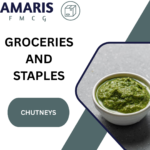 Chutneys
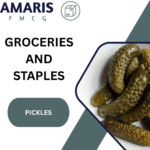 Pickles
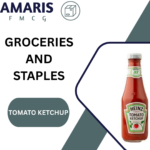 Tomato Ketchup
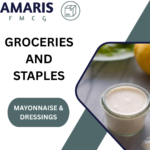 Mayonnaise & Dressings
 Breakfast Cereals
 Oats & Muesli
 Granola
 Cornflakes
 Canned & Packaged Foods
 Cream Soups / Tomato Soup
 Tea
Tea Tea Bags
 Herbal & Specialty Tea
 Green Tea
 Black Tea
 Coffee
 Instant Coffee
 Ground Coffee
 Coffee Beans
 Health & Energy Drinks
 Health Supplements Drinks
 Energy Drinks
 Protein Shakes
 Fruit Juices & Drinks
 Coconut Water
 Nectars & Juice Drinks
 100% Juices
 Soft Drinks & Sodas
 Cola
Cola Diet Sodas
 Fruit Sodas
 Lemonade
 Water
Water Sparkling Water
 Packaged Drinking Water
 Flavored Water
 Powdered Drinks
 Drinking Chocolates
 Namkeen & Savory Snacks
 Extruded Snacks
 Mixtures & Bhujia
 Chips & Crisps
 Biscuits & Cookies
 Cookies
 Digestive & Marie
 Glucose Biscuits
 Cream Biscuits
 Chocolates & Candies
 Sweets & Bubble Gum
 Toffees & Hard Candies
 Chocolate Bars
 Boxed Chocolates
 Cakes & Pastries
 Pastries & Danish
 Cupcakes
 Birthday & Celebration Cakes
 Desserts & Ice Cream Toppings
 Caramel & Fruit Toppings
 Chocolate Syrup & Sauce
 Whipped Cream
 Sprinkles & Nuts
 Nuts & Dry Fruits
 Raisins & Apricots
 Roasted & Salted Nuts
 Almonds, Cashews, Walnuts
 Milk
Milk Fresh Milk (Full Cream, Toned)
 Flavored Milk
 Butter & Margarine
 Margarine
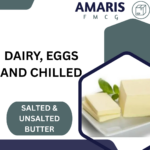 Salted & Unsalted Butter
 Cheese
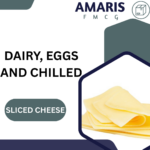 Sliced Cheese
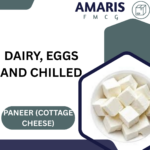 Paneer (Cottage Cheese)
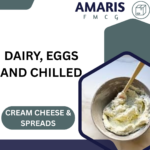 Cream Cheese & Spreads
 Cheese Blocks (Cheddar, Mozzarella)
 Yogurt & Curd
 Set Curd
 Yogurt Drinks (Lassi, Chaas)
 Greek Yogurt
 Flavored Yogurt
 Cream & Desserts
 Custards & Mousses
 Fresh Cream
 Eggs
Eggs Organic Eggs
 Brown Eggs
 Farm Eggs
 Frozen Vegetables
 Peas, Corn, Mix Veg
 Frozen Snacks & Appetizers
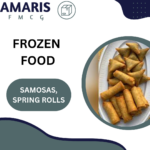 Samosas & Spring Rolls
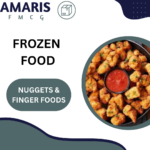 Nuggets & Finger Foods
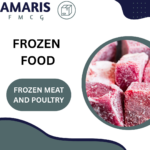 Frozen Meat & Poultry
 Frozen Sausages & Hot Dogs
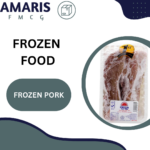 Frozen Pork
 Frozen Chicken
 Frozen Beef
 Frozen Meat Blends & Mince
 Frozen Seafood
 Frozen Fish Fillets
 Frozen Seafood Mixes
 Ice Cream & Frozen Desserts
 Sorbets & Gelato
 Ice Cream Tubs
 Ice Cream Bars & Cones
 Oral Care
 Mouthwash
 Toothpaste
 Toothbrushes (Manual & Electric)
 Bath & Body
 Deodorants & Antiperspirants
 Body Lotions & Moisturizers
 Soaps & Body Wash
 Hair Care
 Styling Products (Gel, Wax, Spray)
 Hair Oils
 Shampoo & Conditioner
 Skincare
 Lip Balm
 Moisturizers & Creams
 Face Wash & Cleansers
 Feminine Hygiene
 Tampons
 Sanitary Pads
 Shaving Needs
 Razors & Blades
 Shaving Cream & Foam
 Vitamins & Supplements
 Multivitamins
 Protein Powder
 Specialty Supplements (Omega-3, Calcium)
 Ayurveda & Herbal
 Herbal Supplements
 Chyawanprash
 Weight Management
 Fitness & Workout Accessories
 Protein Shakes & Powders
 Sports Nutrition
 Energy Bars & Snacks
 Electrolyte & Hydration Drinks
 Sports Multivitamins
 Protein Powders & Shakes
 Dishwashing
 Dishwashing Bars & Liquid
 Dishwasher Detergents
 Laundry
 Fabric Softeners & Whiteners
 Detergent Powder & Liquid
 Detergent Bars
 Floor & Surface Cleaners
 Glass & Mirror Cleaners
 All-Purpose Cleaners
 Floor Cleaners (Liquid, Powder)
 Toilet Cleaners
 Toilet Cleaning Tablets
 Toilet Brush & Cleaner Sets
 Liquid Toilet Cleaners
 Insecticides & Repellents
 Ant & Cockroach Killers
 Mosquito Repellents (Coils, Mats, Sprays)
 Air Fresheners & Fragrances
 Car Air Fresheners
 Essential Oils & Diffusers
 Plug-In Air Fresheners
 Scented Candles
 Room Sprays
 Paper Products
 Tissues & Napkins
 Kitchen Towels
 Toilet Paper
 Baby Food & Formula
 Cereals & Purees
 Infant Formula
 Diapers & Wipes
 Baby Wipes
 Disposable Diapers
 Baby Bath & Skincare
 Diaper Rash Cream
 Baby Soap & Shampoo
 Baby Lotion & Oil
 Dog Food
 Dry Dog Food
 Dog Treats
 Wet Dog Food
 Pet Grooming
 Shampoos & Conditioners
 Brushes & Combs
 Flea & Tick Control
 Grooming Tools & Kits
 Pet Accessories
 Litter & Trays (for cats)
 Collars & Leashes
 Toys & Chew Toys
 Bowls & Feeders
 Cat Food
 Wet Cat Food
 Cat Treats
 Dry Cat Food
 Organic Products
 Organic Beverages
 Organic Supplements
 Organic Food & Snacks
 Gluten-Free
 Gluten-Free Beverages
 Gluten-Free Snacks
 Gluten-Free Pasta & Grains
 Gluten-Free Breads & Bakery
 Vegan Products
 Vegan Supplements
 Vegan Food & Snacks
 Vegan Beverages
 Sugar-Free & No Added Sugar
 Sugar-Free Beverages
 Sugar-Free Snacks
 Sugar-Free Desserts & Sweets
 Keto-Friendly
 Keto Beverages
 Keto Supplements
 Keto Snacks
 Diabetic-Friendly
 Diabetic-Friendly Supplements
 Diabetic-Friendly Health Monitors & Devices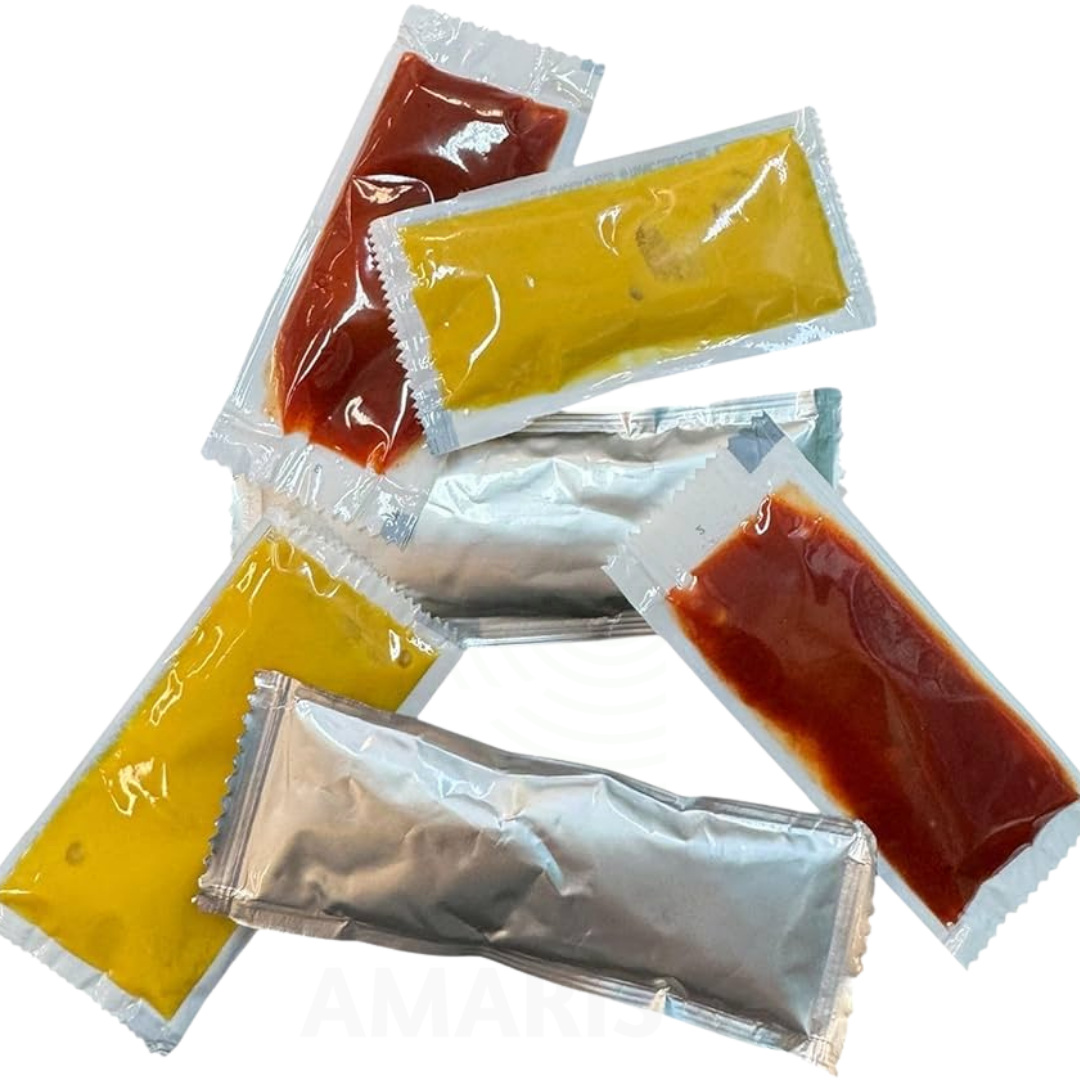
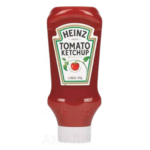
CONDIMENT SACHETS
WhatsApp Order
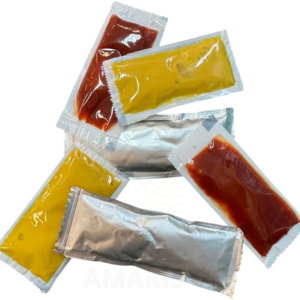
Condiment Sachets (Sugar 5g / Salt, Pepper, Chilli 1.7g) are single‑use, sealed portions of common flavourings and sweeteners, widely used in food service, hospitals, and home care. The sugar sachet contains 5 g of granulated white sugar (approximately 20 kcal). The salt, pepper, and chilli sachets each contain 1.7 g of product, providing precise, hygienic dosing. For the dietitian, physician, and speech‑language pathologist, these sachets offer a practical tool for portion‑controlled nutrient supplementation (sugar for energy, salt for sodium repletion or flavour, pepper/chilli for appetite stimulation). They are particularly valuable in institutional settings (hospitals, nursing homes) and for homebound patients who need to follow precise dietary modifications. For the patient or caregiver, condiment sachets simplify meal preparation, reduce waste, and enable accurate tracking of sugar, salt, and spice intake, supporting better adherence to therapeutic diets.
Description
CONDIMENT SACHETS
PRIMARY CLINICAL & DIAGNOSTIC USES
1. Portion‑Controlled Nutrient Supplementation for Patients with Increased Energy Needs
-
Primary Use: Provides a single‑serve, 5 g sugar sachet designed for precise carbohydrate supplementation in patients with malnutrition, hypoglycemia, or increased energy requirements (e.g., post‑operative recovery, cancer cachexia, chronic infections).
-
How it helps: For the dietitian and primary care physician, the 5 g sugar sachet delivers approximately 20 kcal of rapid‑acting carbohydrate. This is ideal for correcting mild hypoglycemia in diabetic patients (15 g rule: three sachets) or for adding to tea, porridge, or oral nutrition supplements to improve palatability and energy density without guesswork. For the patient, a standardized sugar sachet removes the need for measuring spoons, reducing dosing errors and supporting consistent nutritional intake.
2. Calorie Enhancement for Undernourished or Anorexic Patients
-
Primary Use: Used as a convenient, sterile, single‑dose sweetener to increase the caloric content of beverages, pureed foods, or oral nutrition supplements for underweight elderly patients, children with failure to thrive, or individuals with anorexia nervosa.
-
How it helps: For the geriatrician and pediatric dietitian, adding one 5 g sugar sachet to a cup of milk, porridge, or a commercial supplement adds 20 kcal with minimal volume. Multiple sachets can be used as tolerated. The sealed, hygienic packaging prevents contamination and is ideal for bedside use in hospitals or long‑term care. For the patient, a slightly sweetened drink or puree is often more acceptable, encouraging voluntary intake.
3. Sodium and Flavor Enhancement for Patients on Low‑Palatability Diets
-
Primary Use: The salt sachet (1.7 g) provides a measured dose of sodium chloride (approximately 660 mg sodium) to improve the taste of bland, low‑sodium medical diets, pureed foods, or oral rehydration solutions when sodium restriction is not required.
-
How it helps: For the dietitian and speech‑language pathologist, bland texture‑modified diets are often poorly accepted. A single salt sachet (1.7 g) contains a known amount of sodium, allowing precise addition to a full meal or pitcher of soup. This enhances palatability for patients with age‑related hypogeusia or those taking medications that alter taste. For the patient, a pinch of salt (in convenient sachet form) can make pureed meats or vegetables edible again, supporting hydration and nutrition.
4. Oral Stimulation and Appetite Enhancement Using Pepper and Chilli
-
Primary Use: The pepper (1.7 g) and chilli (1.7 g) sachets provide measured doses of pungent spices to stimulate salivary flow, gastric secretions, and appetite in patients with dysphagia, xerostomia, or age‑related anorexia.
-
How it helps: For the geriatrician and speech therapist, black pepper (piperine) and chilli (capsaicin) activate TRP channels in the oral cavity, increasing saliva production and triggering the cephalic phase of digestion. A small amount (one‑quarter of a sachet mixed into 200 g of pureed food) can be sufficient. The pre‑measured sachet prevents overuse, which could cause irritation. For the patient, a mildly spiced soft meal is more interesting, reducing the monotony of texture‑modified diets.
5 . Precision Dosing for Oral Rehydration Solutions in Dehydrated Patients
-
Primary Use: The salt sachet (1.7 g) and sugar sachet (5 g) can be combined with 500 mL of clean water to approximate a homemade oral rehydration solution (ORS) for patients with mild‑to‑moderate dehydration due to diarrhoea or vomiting, particularly in resource‑limited settings.
-
How it helps: For the primary care physician and community health worker, the WHO recommended ORS contains 2.6 g sodium chloride and 13.5 g glucose per litre. Using one salt sachet (1.7 g) and two sugar sachets (10 g) in 500 mL water provides a close approximation (actual sodium ~660 mg per 500 mL, equivalent to 1.3 g NaCl, slightly lower than standard but safe). This allows bedside ORS preparation without scales. For the patient or caregiver, the individual sachets simplify mixing, reducing errors and improving access to life‑saving rehydration.
SECONDARY USES
1. Bedside glucose correction for hospital inpatients: For diabetic patients with mild hypoglycemia (blood glucose 55–70 mg/dL), three sugar sachets (15 g carbohydrate) can be given orally, followed by re‑check in 15 minutes, following standard hypoglycemia protocols.
2. Individualised salt restriction for hypertensive patients: A patient advised to limit sodium to 1500 mg/day can use the 1.7 g salt sachet to track exactly how much salt is added to meals (one sachet = ~660 mg sodium). This promotes awareness and adherence.
3. Spice titration for patients with taste changes from chemotherapy: Patients with dysgeusia can start with a quarter of a chilli or pepper sachet and increase slowly, finding the minimum amount needed to overcome metallic tastes without causing burning.
4. Portion control for weight management: The 5 g sugar sachet helps patients on low‑sugar diets visualise exactly how much sugar they add to tea or coffee, supporting behaviour change.
5. Emergency kit component for disaster preparedness or homebound care: Condiment sachets are lightweight, shelf‑stable, and individually sealed, making them ideal for inclusion in emergency food supplies, home‑care medication kits, or travel health kits for patients with special dietary needs.
6. Training tool for nutrition education: Healthcare providers can use the sachets as visual aids to teach patients about serving sizes, sodium content, and carbohydrate counting.
KEY PRODUCT FEATURES
1. BASIC IDENTIFICATION ATTRIBUTES
-
Device Type: Single‑use, sealed, portion‑control condiment sachets.
-
Designation: Sugar Sachet (5g), Salt Sachet (1.7g), Pepper Sachet (1.7g), Chilli Sachet (1.7g), Condiment Sachet Set.
-
Key Components:
-
Sugar sachet: Refined granulated sucrose (100% sugar).
-
Salt sachet: Sodium chloride (NaCl), may contain anti‑caking agent (e.g., sodium aluminosilicate or magnesium carbonate).
-
Pepper sachet: Ground black pepper (piperine content varies).
-
Chilli sachet: Ground dried chilli peppers (capsaicin content varies), sometimes with added salt or anti‑caking agents.
-
2. TECHNICAL & PERFORMANCE PROPERTIES
-
Physical Form: Free‑flowing granules (sugar, salt) or fine powder (pepper, chilli).
-
Sachet Weight: Sugar – 5 g ±5%; Salt/Pepper/Chilli – 1.7 g ±5%.
-
Caloric Content (Sugar): Approximately 20 kcal per sachet (5 g carbohydrates).
-
Sodium Content (Salt): 1.7 g salt contains approximately 660 mg sodium.
-
Sodium Content (Pepper/Chilli): Negligible (<5 mg per sachet) unless salt is added (check label).
-
Capsaicin/Piperine Content: Variable; not standardised across brands. For therapeutic use, assume mild to moderate pungency.
-
Shelf Life (unopened): 24–36 months when stored in a cool, dry place.
-
Packaging: Individual sealed sachets made of paper/polyethylene/aluminium laminate or food‑grade plastic; available in bulk boxes (e.g., 100 sachets per box) or individual dispensing.
3. PHYSICAL & OPERATIONAL PROPERTIES
-
Preparation: Tear or cut open sachet at the notch and pour contents directly into food, beverage, or recipe. No additional preparation required.
-
Usage Instructions:
-
Sugar: Stir into tea, coffee, porridge, yogurt, pureed fruit, or oral nutrition supplements.
-
Salt: Sprinkle onto savoury dishes, soups, or vegetables; or dissolve in water for saline solutions.
-
Pepper: Sprinkle onto meats, eggs, soups, or pureed vegetables for flavour.
-
Chilli: Add to savoury dishes, stews, or sauces for heat; start with a small portion of the sachet for sensitive patients.
-
-
Storage Conditions: Store unopened sachets in a cool, dry place away from direct sunlight. Once opened, any unused contents cannot be resealed; discard the empty sachet.
4. SAFETY & COMPLIANCE ATTRIBUTES
-
Regulatory Status: General food product. Subject to local food safety regulations (e.g., KEBS in Kenya, FDA in the US, EU Food Information Regulation). Sachets are often considered “low‑risk” condiments.
-
Allergen Information: Sugar, salt, pepper, and pure chilli are generally free from major allergens. However, cross‑contamination may occur during manufacturing (e.g., facilities handling mustard, gluten, soy). Pepper may cause reactions in individuals with spice allergies. Always check packaging.
-
Additives: Salt sachets may contain anti‑caking agents (sodium aluminosilicate, magnesium carbonate, calcium silicate) – safe in small amounts. Pepper and chilli may contain anti‑caking agents or preservatives. Check the label.
-
Quality Assurance: Manufactured under GMP. Sachets are inspected for seal integrity, weight accuracy, and microbial safety.
5. STORAGE & HANDLING ATTRIBUTES
-
Storage: Keep unopened sachets in the original box in a cool, dry pantry. Avoid exposure to moisture, heat, or direct sunlight, which may cause clumping (especially salt and sugar).
-
Shelf Life: Refer to printed expiry date on outer box or individual sachet. Once the outer box is opened, use sachets within 6–12 months for best quality, provided they remain dry.
-
Usage: Tear sachet at the designated notch. For partial use (e.g., quarter of a chilli sachet), empty the entire sachet onto a clean surface, measure desired portion with a dry utensil, and discard remainder – do not attempt to reseal.
-
Inspection: Discard any sachet that is torn, punctured, clumped (indicating moisture ingress), or discoloured.
SAFETY HANDLING PRECAUTIONS
1. SAFETY PRECAUTIONS
-
Sugar sachet – glycemic impact in diabetes: Each sugar sachet contains 5 g (≈20 kcal) of simple carbohydrate. Patients with diabetes should account for this in their carbohydrate counting. For hypoglycemia treatment, use as directed (typically 15 g carbohydrate = 3 sachets). For routine use, advise patients to consider sugar‑free alternatives if tight glycemic control is needed.
-
Salt sachet – sodium overload in hypertension, heart failure, CKD: A single salt sachet (1.7 g) contains ~660 mg sodium, which is approximately 30% of the daily recommended limit for hypertensive patients (1500–2000 mg). Advise patients to use sparingly and track total sodium from all sources. Low‑sodium salt substitutes (potassium chloride) are not provided in this standard set.
-
Pepper and chilli – gastrointestinal irritation: Patients with active peptic ulcer disease, severe GERD, gastritis, or inflammatory bowel disease may experience exacerbation. Start with a small portion (e.g., ¼ sachet) and discontinue if burning pain, heartburn, or diarrhoea occurs.
-
Chilli – capsaicin sensitivity and accidental exposure: Capsaicin can cause intense burning of mucous membranes. Advise patients to wash hands thoroughly after handling chilli sachets and avoid touching eyes. If eye contact occurs, rinse with cool water for 15 minutes.
-
Aspiration risk in severe dysphagia: Powdered spices (pepper, chilli) are fine particles that may be inhaled by patients with severe oropharyngeal dysphagia. Use these sachets only by mixing the powder thoroughly into thick pureed foods or liquids (pudding consistency). Do not place dry powder directly on the tongue of a patient with impaired swallowing.
-
Pepper – potential interaction with medications: Piperine in black pepper can inhibit certain drug‑metabolising enzymes (CYP3A4, CYP2D6) and may increase bioavailability of some medications (e.g., phenytoin, propranolol, theophylline). At dietary doses (one 1.7 g sachet per meal), significant interactions are unlikely but advise caution with narrow‑therapeutic‑index drugs.
-
Allergy – rare but possible: True allergy to sugar (sucrose) is extremely rare. Salt allergy does not exist (sodium is essential). Pepper and chilli allergies (capsicum, piper nigrum) can occur and may cause oral itching, hives, or anaphylaxis. Discontinue and seek emergency care if symptoms develop.
-
Infant and young child use: Sugar sachets should not be added to infant formula or foods for children under 12 months due to risk of dental caries and developing sweet preference. Salt sachets are not suitable for infants (kidney immaturity). Chilli and pepper are not suitable for young children under 3 years due to mucosal sensitivity and aspiration risk.
-
Training requirement: Healthcare providers should educate patients and caregivers on appropriate use of each sachet type, including portion titration, sodium and sugar counting, mixing into appropriate consistencies for dysphagia, and safe handling (especially chilli). Provide written instructions for emergency ORS preparation using sugar and salt sachets.
2. FIRST AID MEASURES
-
Ingestion of multiple sugar sachets (e.g., child eating 10 sachets): Rapid ingestion of 50 g sugar may cause transient hyperglycemia, followed by reactive hypoglycemia in some individuals. Monitor for nausea, vomiting, or lethargy. Offer water. Seek medical attention if altered mental status or persistent vomiting occurs.
-
Ingestion of excessive salt (e.g., child eating multiple salt sachets): Acute salt toxicity (sodium >3 g in a child) can cause vomiting, diarrhoea, lethargy, seizures. Administer milk or water and seek immediate emergency medical care.
-
Inhalation of pepper or chilli powder: Move patient to fresh air. Encourage coughing. If wheezing or difficulty breathing develops, administer bronchodilator if available (in asthmatics) and seek medical help. Rinse your mouth with cold milk or yogurt to soothe.
-
Eye contact with chilli or pepper powder: Immediately rinse eyes with copious cool water for 15 minutes, holding eyelids open. Do not rub. If burning persists after 15 minutes, seek ophthalmologic evaluation.
-
Skin contact (chilli): Wash with dish soap and warm water, then apply cold milk or yogurt to soothe. Avoid touching eyes or mucous membranes until thoroughly cleaned.
-
Allergic reaction (rare): If hives, facial swelling, difficulty breathing, or vomiting occur after handling or ingesting any sachet, discontinue use, administer epinephrine if prescribed, and seek immediate emergency medical care.
3. FIRE FIGHTING MEASURES
-
Flammability: Sugar powder is combustible; fine sugar dust can form explosive mixtures in air (unlikely in sachet form). Salt, pepper, and chilli are not flammable but may burn if heated to high temperatures. Keep away from open flames.
-
Extinguishing Media: Use water, dry chemical, or CO₂ for fires involving sachets or packaging. Do not use water on sugar dust fires (if bulk sugar ignites, use dry chemical or CO₂).
-
Fire Response: For a small fire in a kitchen or storeroom, evacuate and call emergency services if the fire spreads. Sachets are small; remove from the area if safe to do so.
Related products
BEEF MASALA
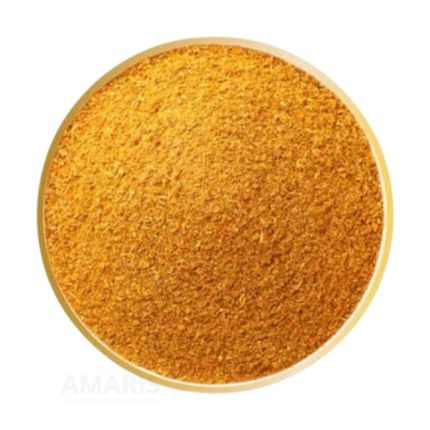
Beef Masala is a spice blend designed to season beef dishes, typically containing cumin, coriander, turmeric, black pepper, cardamom, cinnamon, cloves, ginger, garlic, and chili peppers. For the nutritionist, gastroenterologist, and primary care physician, it serves as a flavorful tool to enhance dietary iron absorption, stimulate digestive function, improve appetite in convalescent patients, and modestly support metabolic rate through thermogenic spices. For the patient, Beef Masala transforms ordinary beef into a palatable, aromatic, and culturally familiar dish that encourages protein intake and makes healthy eating more enjoyable, while the spice-derived antioxidants and anti-inflammatory compounds offer additional wellness benefits. When used as part of a balanced diet, it can contribute to improved nutritional status and mealtime satisfaction.
COCO POPS BALLS
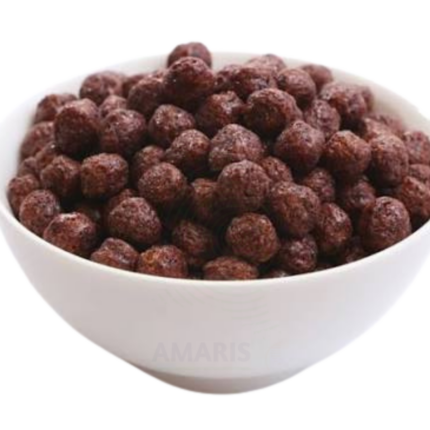
Coco Pops Balls is a chocolate‑flavored, ball‑shaped crispy rice breakfast cereal fortified with essential vitamins and minerals, including iron, B vitamins, and vitamin D. For the pediatrician, nutritionist, occupational therapist, and public health professional, it serves as a palatable, energy‑dense, visually engaging option to support children with poor appetite, selective eating, increased caloric demands, or limited food variety, and can be used in emergency feeding programs, school breakfast initiatives, and pediatric feeding therapy. For the parent, it offers a convenient, shelf‑stable, and child‑appealing breakfast that helps bridge nutritional gaps, reduce mealtime battles, provide quick energy, and support fine motor skill development through self‑feeding practice. While not a substitute for whole foods, it can be a useful adjunct in a balanced pediatric diet.
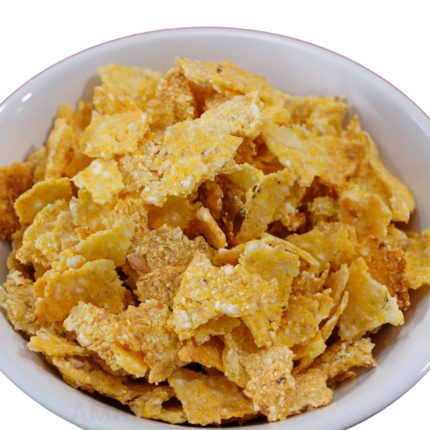
CORN FLAKES ORIGINAL
Corn Flakes Original is a low‑sugar, whole grain corn breakfast cereal fortified with essential vitamins and minerals, including iron, B vitamins, and vitamin D. For the gastroenterologist, cardiologist, endocrinologist, and public health professional, it serves as a versatile, low‑fat, low‑sugar option to support bowel regularity, cardiovascular health, glycemic management, and micronutrient delivery in vulnerable populations. For the patient, it offers a simple, familiar, and satisfying breakfast that can be easily incorporated into a balanced diet, paired with fruit, milk, or yogurt. While not a substitute for whole grains and fresh produce, it provides a convenient, shelf‑stable foundation for a nutritious morning meal.
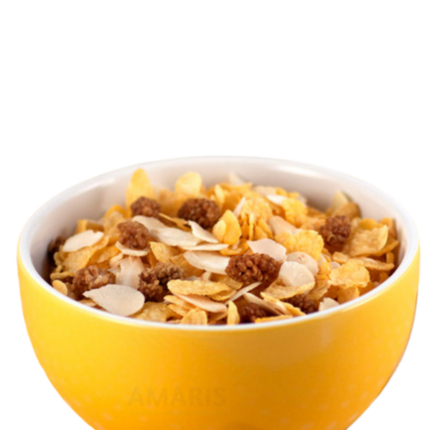
CORN FLAKES WITH HONEY & NUTS
Corn Flakes with Honey & Nuts is a fortified breakfast cereal combining crispy whole grain corn flakes, natural honey sweetness, and real nut pieces (e.g., almonds, hazelnuts). For the dietitian, endocrinologist, and public health professional, it offers a higher energy density and improved nutrient profile compared to plain corn flakes, with the added benefits of healthy fats, plant protein, and fiber from nuts. It supports patients with increased caloric needs, poor appetite, or those requiring glycemic management, and can be used in food assistance programs. For the patient, it provides a satisfying, crunchy, sweet‑but‑balanced breakfast that helps control hunger, supports heart health, and delivers essential vitamins and minerals. While not a substitute for whole foods, it serves as a convenient, shelf‑stable foundation for a nutritious morning meal.
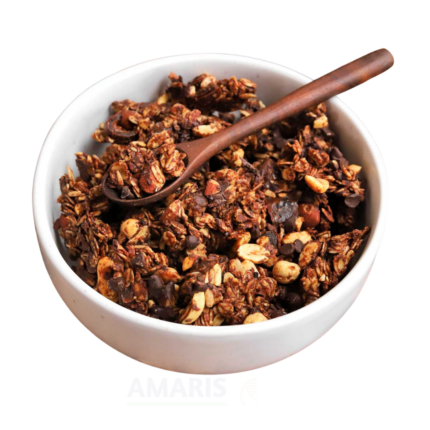
GRANOLA CHOCOLATE & NUTS
Granola Chocolate & Nuts is a baked, oat‑based breakfast cereal containing whole grain oats, nuts, seeds, and chocolate pieces (dark or milk chocolate), providing a rich source of dietary fiber (6‑10 g per serving), healthy fats, plant protein, antioxidants (flavonoids, vitamin E), and essential nutrients. For the gastroenterologist, cardiologist, endocrinologist, and dietitian, it serves as a high‑fiber, heart‑healthy, satiating option to support bowel regularity, lower cholesterol, manage weight, provide antioxidant support, and potentially improve mood. For the patient, it offers a crunchy, versatile, and chocolate‑infused breakfast that can be enjoyed with milk, yogurt, or as a dry snack, promoting digestive wellness, cardiovascular health, and sustained energy throughout the morning while satisfying chocolate cravings in a controlled manner.
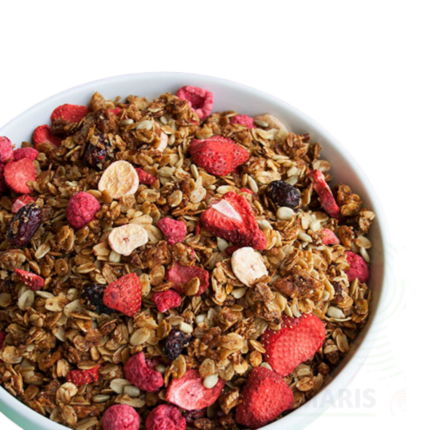
GRANOLA MIXED FRUIT
Granola Mixed Fruit is a baked, oat‑based breakfast cereal containing whole grain oats, nuts, seeds, and a blend of dried mixed fruits (e.g., raisins, cranberries, apricots, dates), providing a rich source of dietary fiber (6‑10 g per serving), healthy fats, plant protein, antioxidants, and essential nutrients. For the gastroenterologist, cardiologist, endocrinologist, and dietitian, it serves as a high‑fiber, heart‑healthy, satiating option to support bowel regularity, lower cholesterol, manage weight, improve glycemic control (with careful portioning), and provide antioxidant support. For the patient, it offers a crunchy, versatile, and naturally sweet breakfast that can be enjoyed with milk, yogurt, or as a dry snack, promoting digestive wellness, cardiovascular health, and sustained energy throughout the morning.
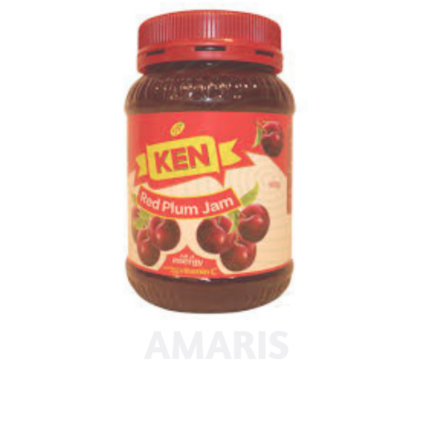
KEN JAM
KEN Jam is a sweet, soft, semi-solid fruit spread made from a mixture of fruit pulp, sugar, pectin, and citric acid. It is an affordable, staple commodity in Kenyan households, valued for its energy-dense composition and palatable taste. For community health workers, dietitians, and primary care physicians, it serves as a practical, accessible tool for dietary management, providing a concentrated source of carbohydrates (approx. 239-278 kcal per 100g) to support weight gain in malnourished individuals, offer quick energy for those with poor appetite, and enhance the palatability of bland foods for the elderly and convalescing.