

 Atta, Flours & Sooji
 Wheat Atta
 Sooji (Semolina)
 Organic Flours
 Besan (Gram Flour)
 Rice Flour
 Rice & Rice Products
 Rice Cakes
 Poha (Flattened Rice)
 Brown & Red Rice
 Basmati Rice
 Non-Basmati Rice
 Dals & Pulses
 Whole Pulses (Rajma, Chana)
 Masoor Dal
 Chana Dal
 Toor Dal
 Moong Dal
 Edible Oils
 Blended Oils
 Coconut Oil
 Soybean Oil
 Mustard Oil
 Olive Oil
 Sunflower Oil
 Salt, Sugar & Jaggery
 White & Brown Sugar
 Sea Salt & Himalayan Salt
 Table Salt
 Jaggery (Powdered & Block)
 Spices & Seasonings
 Herbs & Seasoning Packets
 Spice Blends (Masalas)
 Whole Spices
 Powdered Spices
 Sauces, Spreads & Condiments
 Honey, Jam & Spreads
 Soy & Chili Sauce
 Chutneys
 Pickles
 Tomato Ketchup
 Mayonnaise & Dressings
 Breakfast Cereals
 Oats & Muesli
 Granola
 Cornflakes
 Tea
Tea Tea Bags
 Herbal & Specialty Tea
 Green Tea
 Black Tea
 Coffee
 Instant Coffee
 Ground Coffee
 Coffee Beans
 Health & Energy Drinks
 Health Supplements Drinks
 Energy Drinks
 Protein Shakes
 Fruit Juices & Drinks
 Coconut Water
 Nectars & Juice Drinks
 100% Juices
 Soft Drinks & Sodas
 Cola
Cola Diet Sodas
 Fruit Sodas
 Lemonade
 Water
Water Sparkling Water
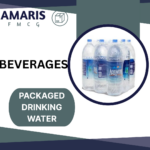 Packaged Drinking Water
 Flavored Water
 Namkeen & Savory Snacks
 Extruded Snacks
 Mixtures & Bhujia
 Chips & Crisps
 Biscuits & Cookies
 Cookies
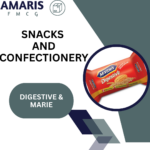 Digestive & Marie
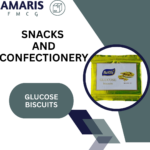 Glucose Biscuits
 Cream Biscuits
 Chocolates & Candies
 Sweets & Bubble Gum
 Toffees & Hard Candies
 Chocolate Bars
 Boxed Chocolates
 Cakes & Pastries
 Pastries & Danish
 Cupcakes
 Birthday & Celebration Cakes
 Desserts & Ice Cream Toppings
 Caramel & Fruit Toppings
 Chocolate Syrup & Sauce
 Whipped Cream
 Sprinkles & Nuts
 Nuts & Dry Fruits
 Raisins & Apricots
 Roasted & Salted Nuts
 Almonds, Cashews, Walnuts
 Milk
Milk Fresh Milk (Full Cream, Toned)
 Flavored Milk
 Butter & Margarine
 Margarine
 Salted & Unsalted Butter
 Cheese
 Sliced Cheese
 Paneer (Cottage Cheese)
 Cream Cheese & Spreads
 Cheese Blocks (Cheddar, Mozzarella)
 Yogurt & Curd
 Set Curd
 Yogurt Drinks (Lassi, Chaas)
 Greek Yogurt
 Flavored Yogurt
 Cream & Desserts
 Custards & Mousses
 Fresh Cream
 Eggs
Eggs Organic Eggs
 Brown Eggs
 Farm Eggs
 Frozen Vegetables
 Peas, Corn, Mix Veg
 Frozen Snacks & Appetizers
 Samosas & Spring Rolls
 Nuggets & Finger Foods
 Frozen Meat & Poultry
 Frozen Sausages & Hot Dogs
 Frozen Pork
 Frozen Chicken
 Frozen Beef
 Frozen Meat Blends & Mince
 Frozen Seafood
 Frozen Fish Fillets
 Frozen Seafood Mixes
 Ice Cream & Frozen Desserts
 Sorbets & Gelato
 Ice Cream Tubs
 Ice Cream Bars & Cones
 Oral Care
 Mouthwash
 Toothpaste
 Toothbrushes (Manual & Electric)
 Bath & Body
 Deodorants & Antiperspirants
 Body Lotions & Moisturizers
 Soaps & Body Wash
 Hair Care
 Styling Products (Gel, Wax, Spray)
 Hair Oils
 Shampoo & Conditioner
 Skincare
 Lip Balm
 Moisturizers & Creams
 Face Wash & Cleansers
 Feminine Hygiene
 Tampons
 Sanitary Pads
 Shaving Needs
 Razors & Blades
 Shaving Cream & Foam
 Vitamins & Supplements
 Multivitamins
 Protein Powder
 Specialty Supplements (Omega-3, Calcium)
 Ayurveda & Herbal
 Herbal Supplements
 Chyawanprash
 Weight Management
 Fitness & Workout Accessories
 Protein Shakes & Powders
 Sports Nutrition
 Energy Bars & Snacks
 Electrolyte & Hydration Drinks
 Sports Multivitamins
 Protein Powders & Shakes
 Dishwashing
 Dishwashing Bars & Liquid
 Dishwasher Detergents
 Laundry
 Fabric Softeners & Whiteners
 Detergent Powder & Liquid
 Detergent Bars
 Floor & Surface Cleaners
 Glass & Mirror Cleaners
 All-Purpose Cleaners
 Floor Cleaners (Liquid, Powder)
 Toilet Cleaners
 Toilet Cleaning Tablets
 Toilet Brush & Cleaner Sets
 Liquid Toilet Cleaners
 Insecticides & Repellents
 Ant & Cockroach Killers
 Mosquito Repellents (Coils, Mats, Sprays)
 Air Fresheners & Fragrances
 Car Air Fresheners
 Essential Oils & Diffusers
 Plug-In Air Fresheners
 Scented Candles
 Room Sprays
 Paper Products
 Tissues & Napkins
 Kitchen Towels
 Toilet Paper
 Baby Food & Formula
 Cereals & Purees
 Infant Formula
 Diapers & Wipes
 Baby Wipes
 Disposable Diapers
 Baby Bath & Skincare
 Diaper Rash Cream
 Baby Soap & Shampoo
 Baby Lotion & Oil
 Dog Food
 Dry Dog Food
 Dog Treats
 Wet Dog Food
 Pet Grooming
 Shampoos & Conditioners
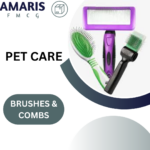 Brushes & Combs
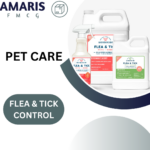 Flea & Tick Control
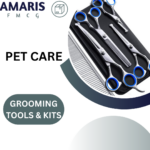 Grooming Tools & Kits
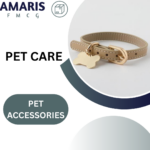 Pet Accessories
 Litter & Trays (for cats)
 Collars & Leashes
 Toys & Chew Toys
 Bowls & Feeders
 Cat Food
 Wet Cat Food
 Cat Treats
 Dry Cat Food
 Organic Products
 Organic Beverages
 Organic Supplements
 Organic Food & Snacks
 Gluten-Free
 Gluten-Free Beverages
 Gluten-Free Snacks
 Gluten-Free Pasta & Grains
 Gluten-Free Breads & Bakery
 Vegan Products
 Vegan Supplements
 Vegan Food & Snacks
 Vegan Beverages
 Sugar-Free & No Added Sugar
 Sugar-Free Beverages
 Sugar-Free Snacks
 Sugar-Free Desserts & Sweets
 Keto-Friendly
 Keto Beverages
 Keto Supplements
 Keto Snacks
 Diabetic-Friendly
 Diabetic-Friendly Supplements
 Diabetic-Friendly Health Monitors & Devices
ORAL-B ORTHODONTIC MANUAL TOOTHBRUSH (SOFT BRISTLES)
Oral-B Orthodontic Manual Toothbrush features a V-cut bristle configuration with a raised centre and outer rows that effectively clean around orthodontic brackets, wires, and bands. Power Tip bristles reach interproximal spaces, behind back molars, and beneath the gum line. The soft, end-rounded bristles are gentle on enamel and gums while providing thorough plaque removal. Blue indicator bristles fade to signal replacement time (every 3 months or sooner during orthodontic treatment). Ergonomic non-slip handle provides optimal control for angled brushing around appliances. Developed for patients with fixed braces, retainers, and other orthodontic appliances. Replace every 3 months. Warning: Keep out of reach of small children. Do not share toothbrushes.
ORAL-B ORTHODONTIC MANUAL TOOTHBRUSH (SOFT BRISTLES)
PRIMARY USES
1. Specialised Plaque Removal for Patients with Fixed Braces
Primary Use: Provides a specially designed V-cut bristle configuration with a raised centre and outer rows of bristles that effectively clean around orthodontic brackets, wires, and bands, removing plaque from the tooth surfaces that are typically difficult to reach with standard toothbrushes during orthodontic treatment .
How it helps: For the orthodontist and dental hygienist, patients with fixed braces are at significantly increased risk for white spot lesions (decalcification), gingivitis, and enamel demineralisation due to plaque accumulation around orthodontic appliances. The V-cut bristle design features longer centre bristles with shorter outer bristles, creating a channel that fits over brackets and wires, allowing the bristles to clean simultaneously above and below the appliance . This specialised configuration ensures that plaque is removed from all tooth surfaces, including the areas directly adjacent to brackets where decay most commonly develops. For the orthodontic patient, this means a toothbrush specifically engineered to maintain oral hygiene throughout treatment, reducing the risk of permanent white spots and gum disease.
2. Power Tip Bristles for Interproximal and Posterior Access
Primary Use: Features extra-long Power Tip bristles designed to reach deep into interdental spaces, around archwires, behind back molars, and beneath the gum line, providing comprehensive cleaning of areas that are particularly challenging for orthodontic patients .
How it helps: For the orthodontic patient, orthodontic wires create a barrier that traps plaque against the tooth surface, while brackets create new retentive areas for biofilm accumulation. The Power Tip bristles are extended in length compared to surrounding bristles, allowing them to probe deeper into these challenging zones, including the distal surfaces of last molars (often partially covered by molar bands) and the interproximal spaces between teeth . The longer bristles flex to navigate around archwires and between brackets, ensuring thorough cleaning without damaging orthodontic components. For the patient, this means comprehensive cleaning of all tooth surfaces, even those blocked or partially obscured by orthodontic hardware.
3. Indicator Bristles for Optimal Replacement Timing
Primary Use: Features blue Indicator bristles that fade halfway with use, providing a visual cue for patients and parents to know when the toothbrush needs to be replaced for optimal cleaning performance, typically every 3 months or sooner during orthodontic treatment .
How it helps: For the orthodontist, orthodontic patients tend to wear out toothbrushes more quickly due to the abrasive effect of brackets and wires, yet many patients fail to replace their toothbrush frequently enough. The Indicator bristles gradually fade to show usage—when the blue colour fades to about halfway, it is time to replace the brush . During orthodontic treatment, more frequent replacement (every 2-3 months or when bristles show visible wear) is often recommended. For the patient and parent, this means a simple, visual reminder to change the toothbrush at the optimal time, ensuring continued cleaning effectiveness throughout treatment.
4. Ergonomic Handle for Optimal Control During Orthodontic Brushing
Primary Use: Features an ergonomically designed handle with a comfortable, non-slip grip that provides optimal control and manoeuvrability, allowing patients to angle the brush appropriately to clean around brackets, wires, and bands from multiple directions .
How it helps: For the orthodontic patient and parent, brushing with braces requires more time (often 3-5 minutes versus the standard 2 minutes), more precise angles, and greater manoeuvrability than brushing without orthodontic appliances. The ergonomic handle with non-slip grip allows patients to rotate and angle the brush head to access all surfaces of each bracket, clean under archwires, and reach behind the back molars . The comfortable grip reduces hand fatigue during the longer brushing sessions required for thorough orthodontic hygiene. For the patient, this means greater control, less frustration, and more effective cleaning around complex orthodontic hardware.
5. Professional-Grade Cleaning Endorsed by Orthodontic Specialists
Primary Use: Developed by Oral-B, the #1 brand used by orthodontists worldwide, with features specifically designed based on clinical insights into the unique oral hygiene challenges faced by patients undergoing fixed appliance therapy .
How it helps: For the orthodontist, recommending a toothbrush that has been developed with input from orthodontic specialists provides confidence that the product addresses the specific needs of brace-wearing patients. The Oral-B Orthodontic toothbrush incorporates design features based on clinical understanding of plaque accumulation patterns around brackets and wires . As the #1 brand used by orthodontists worldwide, this toothbrush is recognised as a trusted tool for maintaining oral health during orthodontic treatment. For the patient and parent, this means using a toothbrush that has been clinically designed and professionally endorsed for their specific treatment phase.
SECONDARY USES
1. Periodontal maintenance for patients with fixed prosthetics: For patients with fixed bridges, dental implants with abutments, or other fixed prosthodontic appliances, the V-cut bristle configuration can help clean around abutments and under pontics (false teeth), reducing plaque accumulation around prosthetic margins .
2. Cleaning around bonded retainers following orthodontic treatment: For patients who have completed orthodontic treatment and have fixed lingual (tongue-side) or labial retainers, the specialised bristle configuration helps clean around retainer wires and bonding pads, maintaining oral hygiene during the retention phase .
3. Post-orthodontic debonding care: Immediately following bracket removal, patients may have residual adhesive on enamel surfaces and some gum irritation. The soft bristles are gentle on recently debonded teeth while still providing effective cleaning around any remaining adhesive .
4. Cleaning around temporary crowns and bridges: For patients with provisional restorations awaiting permanent cementation, the orthodontic toothbrush design helps clean around the margins of temporary crowns without dislodging them .
5. Patients with dental implants in the healing phase: For patients with healing abutments or cover screws, the soft, specialised bristles can gently clean around implant components without damaging the peri-implant soft tissues, supporting proper osseointegration .
1. BASIC IDENTIFICATION ATTRIBUTES
-
Device Type: Manual toothbrush for orthodontic oral hygiene; not a medical device
-
Brand: Oral-B
-
Designation: Orthodontic Manual Toothbrush, Ortho Toothbrush, Braces Toothbrush
-
Bristle Firmness: Soft
-
Bristle Material: Nylon with end-rounded, polished tips
-
Bristle Configuration: V-cut (raised centre bristles, shorter outer bristles) to fit over brackets and wires
-
Special Features: Power Tip bristles for interdental and posterior access
-
Handle Material: Plastic with ergonomic, non-slip textured grip
-
Indicator Bristles: Blue bristles fade with use to signal replacement time
-
Target Group: Orthodontic patients (adolescents and adults) with fixed braces, wires, bands, or retainers
-
Number of Items: 1 toothbrush per pack (multi-packs available)
-
Manufacturer: Procter & Gamble (Oral-B)
2. TECHNICAL & PERFORMANCE PROPERTIES
-
Primary Action: V-cut bristle configuration fits over brackets and wires for simultaneous cleaning above and below appliances
-
Interproximal Cleaning: Power Tip bristles clean between teeth and around archwires
-
Posterior Access: Extra-long bristles reach behind back molars and under wires
-
Gum Line Cleaning: End-rounded bristles clean along gingival margin without trauma
-
Enamel Protection: Soft bristles safe for enamel; reduces risk of abrasion around brackets
-
Plaque Removal: Removes plaque from tooth surfaces adjacent to brackets where white spot lesions commonly form
-
Indicator Bristles: Fade to show usage; replace when colour fades halfway (every 3 months)
-
Handle Design: Ergonomic, non-slip grip for precise angling and manoeuvrability
-
Recommended Brushing Duration: 3-5 minutes twice daily (longer than standard brushing due to orthodontic hardware)
-
Brushing Frequency: Twice daily (morning and evening); after meals if possible
-
Brushing Technique: Small circular motions; angle brush to clean above and below brackets; use Power Tip for interproximal cleaning
-
Toothpaste Recommendation: Use with fluoride toothpaste; prescription fluoride gel may be recommended by orthodontist
-
Replacement Schedule: Every 3 months or sooner if bristles become frayed or worn (orthodontic patients may need more frequent replacement)
-
Power Source: Manual (hand-powered)
-
Patient Education: Should be used as part of comprehensive orthodontic oral hygiene routine including interdental brushes, floss threaders, and fluoride rinse
3. PHYSICAL & OPERATIONAL PROPERTIES
-
Preparation: Remove from packaging. Rinse before first use.
-
Usage Instructions: Apply fluoride toothpaste. Place brush at 45-degree angle to gums. Use V-cut bristles to straddle brackets and wires. Brush each tooth surface: above bracket, below bracket, and the bracket itself. Use Power Tip bristles to clean between teeth and behind back molars. Use gentle circular motions for 3-5 minutes twice daily. Rinse thoroughly after use. Inspect bristles for wear after each use .
-
Storage Conditions: Store in a clean, dry area with bristles facing upward. Allow brush to air dry between uses. Do not store in closed containers where moisture cannot evaporate. Replace toothbrush cover if used, ensuring brush is dry before covering .
-
Portion Size: One toothbrush per patient. Do not share toothbrushes.
-
Disposal: Dispose of used toothbrush in general waste when worn.
4. SAFETY & COMPLIANCE ATTRIBUTES
-
Age Warning: Suitable for adolescents and adults undergoing orthodontic treatment. Children should be supervised by adults.
-
Supervision Warning: Adult supervision recommended for younger orthodontic patients. Do not allow child to use toothbrush unsupervised .
-
Choking Hazard: Keep toothbrush out of reach of small children. The brush head and loose bristles may pose a choking hazard if swallowed.
-
Cross-Contamination Warning: Do not share toothbrushes to prevent spread of infectious agents.
-
Bristle Shedding: Orthodontic patients experience accelerated bristle wear due to bracket abrasion. If bristles become loose, frayed, or bent, discontinue use and replace immediately .
-
Brushing Technique Warning: Use gentle pressure only. Aggressive brushing may damage orthodontic appliances (bent wires, loose brackets) and injure gum tissue.
-
Appliance Care: Do not use brush to clean archwires or brackets aggressively, as this may damage orthodontic components. A soft bristle brush is recommended; hard bristles are contraindicated .
-
Toothpaste Selection: Use fluoride toothpaste. Avoid whitening toothpastes during orthodontic treatment, as they may cause uneven colouration when brackets are removed .
-
Replacement Reminder: Replace toothbrush every 3 months or sooner if bristles show visible wear. Orthodontic patients typically need more frequent replacement than non-orthodontic patients .
-
Storage Hygiene: Do not store in closed containers; allow to air dry between uses to prevent bacterial growth .
-
Quality Assurance: Oral-B is the #1 brand used by orthodontists worldwide .
1. SAFETY PRECAUTIONS
-
Appropriate use: Designed specifically for patients with fixed orthodontic appliances. Not necessary for patients without braces, though it can be used for general oral care.
-
Gentle brushing: Use gentle pressure only. Aggressive brushing may damage orthodontic appliances (bent wires, dislodged brackets) and injure gum tissue. Soft bristles are recommended; hard bristles are contraindicated for orthodontic patients .
-
Bristle wear: Orthodontic patients experience accelerated bristle wear due to abrasion against brackets and wires. Inspect the brush after each use and replace immediately if bristles appear frayed, bent, or worn .
-
Replacement frequency: Replace toothbrush every 3 months or sooner if bristles show visible wear. Many orthodontic patients require replacement every 2 months due to increased bristle wear .
-
Do not share: Do not share toothbrushes as this can transmit infectious agents, including bacteria and viruses.
-
Not a toy: Do not allow children to play with the toothbrush as a toy, especially if they are not orthodontic patients.
-
Toothpaste safety: Use fluoride toothpaste appropriate for the patient's age. For young orthodontic patients, supervise to minimise swallowing.
-
Comprehensive hygiene: The toothbrush should be used as part of a complete orthodontic hygiene routine that includes interdental brushes, floss threaders or superfloss, and fluoride mouthwash as recommended by the orthodontist.
-
Professional guidance: Patients should receive instruction from their orthodontist or dental hygienist on proper brushing technique for their specific appliance type.
2. FIRST AID MEASURES
-
Ingestion of bristles: If a bristle is accidentally swallowed, monitor for signs of choking, gagging, difficulty breathing, or abdominal pain. Seek medical attention immediately if symptoms develop.
-
Gum injury: If gums are cut or injured by toothbrush bristles or orthodontic appliances during brushing, rinse the mouth gently with warm salt water. Apply gentle pressure with clean gauze if bleeding. If bleeding persists or injury appears significant, consult orthodontist or dentist.
-
Loose or damaged orthodontic appliance: If brushing causes a bracket to loosen or a wire to become dislodged, contact your orthodontist immediately for repair. Do not attempt to fix the appliance yourself.
-
Eye contact: If toothpaste or bristle fragments contact the eye, rinse immediately with plenty of lukewarm water for several minutes. Seek ophthalmologic advice if irritation persists.
-
Toothpaste ingestion: If a large amount of fluoride toothpaste is swallowed, contact a poison control centre or seek medical attention immediately.
3. FIRE FIGHTING MEASURES
-
Flammability: Plastic handle and nylon bristles are combustible. Will melt and burn if exposed to open flame.
-
Extinguishing Media: Use water spray, foam, dry chemical powder, or carbon dioxide (CO₂).
-
Fire Response: For small fires, use an appropriate extinguisher. Firefighters should wear self-contained breathing apparatus (SCBA) and full protective gear for fires involving burning plastics.
Related products
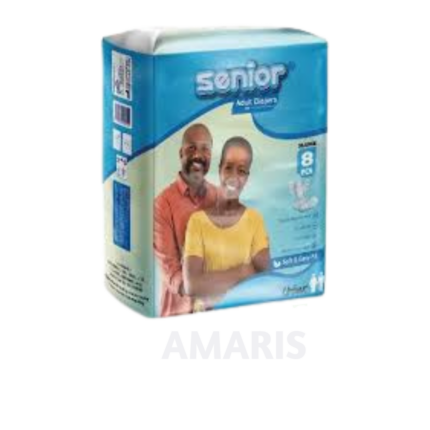
ADULT DIAPERS
Adult diapers are high-absorbency disposable incontinence products designed for moderate to severe urinary or faecal incontinence. Available in tape-style (with re-fastenable closures for changes in lying/sitting positions) and pant-style (pull-up design for ambulatory users). Features include multi-layer construction (soft non-woven topsheet, super-absorbent polymer core with ADL technology, waterproof backsheet), 3D leak guards for side protection, wetness indicators, hypoallergenic materials, and up to 10-hour protection . Suitable for urge/stress/overflow incontinence, postpartum lochia, bedbound patients, dementia care, and severe diarrhoea. Sizes range from Medium (28-45 inch waist) to XXL. Warning: Keep plastic packaging away from children. Do not flush. Change every 4-6 hours or when saturated. Dispose in waste container.
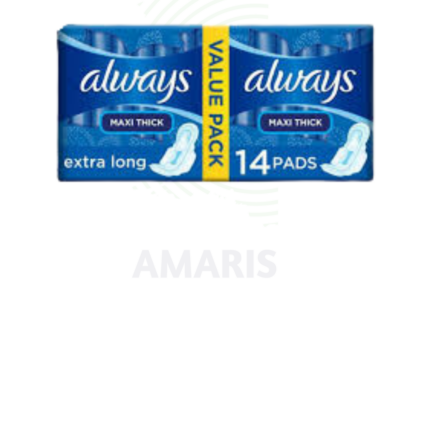
ALWAYS MAXI THICK EXTRA LONG DAY & NIGHT
Always Maxi Thick Extra Long Day & Night sanitary pads are maximum-absorbency menstrual pads specifically designed for heavy flow management around the clock. Key features: extra-long length for extended front-to-back coverage; thick, super-absorbent core with maximum absorption capacity; anti-leakage barriers at front, centre, back, and flexible sides; breathable, cotton-like topsheet; dermatologically tested for sensitive skin; individually wrapped for hygienic portability . Specially designed for heavy flow days and nights, providing maximum leakage protection for the heaviest menstrual flow . Suitable for heavy flow days, overnight protection, postpartum lochia, post-gynaecological procedure bleeding, and heavy bleeding associated with anticoagulant therapy, menorrhagia, perimenopause, endometriosis, and adenomyosis. Warning: To avoid danger of suffocation, keep plastic bags away from babies and children . Do not dispose of pads in toilet bowls—use a waste container .
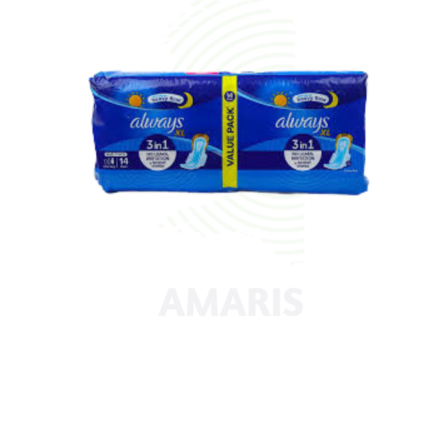
ALWAYS MAXI THICK EXTRA LONG NIGHT
Always Maxi Thick Extra Long Night pads are maximum-absorbency overnight pads with a thick, super-absorbent core and extra-long length for heavy flow protection during sleep. Features include extra-long posterior coverage, soft cushiony topsheet, anti-leakage barriers, flexible wings for secure positioning, and dermatologically tested design for sensitive skin. Specially designed leak guard barriers prevent leaks even during restless sleep. Suitable for heavy flow nights, postpartum, menorrhagia, perimenopause, and anticoagulant-related bleeding. Warning: Keep plastic bags away from children. Do not flush.
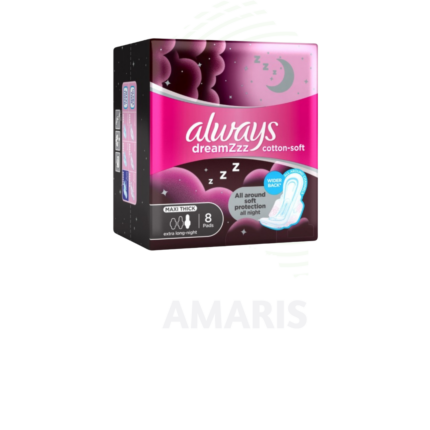
ALWAYS SOFT MAXI THICK EXTRA LONG NIGHT
Always Soft Maxi Thick Extra Long Night pads are maximum-absorbency overnight pads with a thick, super-absorbent core and extra-long length for heavy flow protection during sleep. Features include extra-long posterior coverage (wider at the back), soft cushiony topsheet, Roxanne Lite 100% breathable technology, anti-leakage barriers, flexible wings for secure positioning, and dermatologically tested design for sensitive skin. Specially designed leak guard barriers prevent leaks even during restless sleep. Suitable for heavy flow nights, postpartum, menorrhagia, perimenopause, and anticoagulant-related bleeding. Warning: Keep plastic bags away from children. Do not flush.
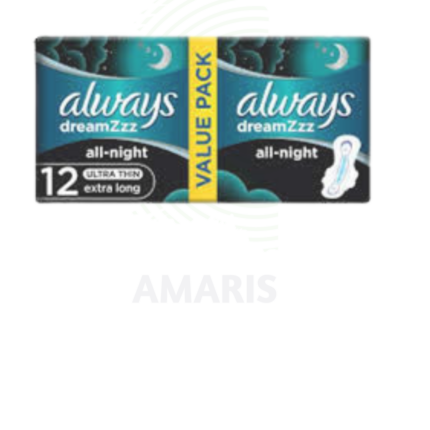
ALWAYS ULTRA THIN EXTRA LONG DUO NIGHT
Always Ultra Thin Extra Long Night Duo pads are a value pack of maximum-absorbency, ultra-thin overnight pads with extra-long length (approximately 40% longer than ordinary pads) for heavy flow protection during sleep. Features include 3in1 protection (leak, odour, wetness), Ultra Gel Technology for instant absorption, anti-leakage barriers, flexible wings for secure positioning, and ultra-thin, flexible design for comfortable sleep. The duo pack provides two quantities in one economical purchase. Suitable for heavy flow nights, postpartum, menorrhagia, perimenopause, and anticoagulant-related bleeding. Warning: Keep plastic bags away from children. Do not flush.
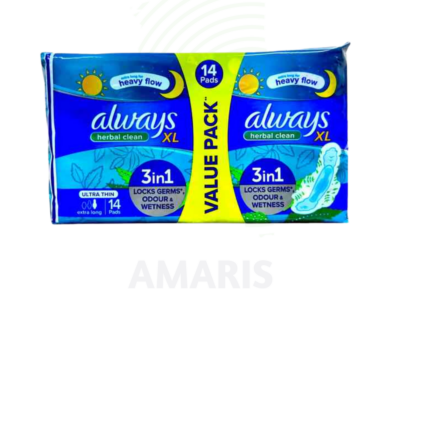
ALWAYS ULTRA THIN LONG DUO
Always Ultra Thin Long Duo sanitary pads are a value pack combining two absorbency levels for complete cycle protection. The pack contains Size 2 Long Super pads (26-40 count depending on variant) for heavy daytime flow and Size 4 Overnight pads (18-34 count) for extended nighttime protection. Both feature the 3x Protection System: RapidDRY technology absorbs gushes 2-3x faster than leading store brands; LeakGUARD core locks in leaks for long-lasting protection; and OdorLOCK helps prevent unwanted odours to keep users feeling fresh. Features include ultra-thin, flexible design for comfort; Flexi-Wings for secure positioning; long length for extended coverage; and up to 8 hours of reliable protection. The pack is made with 50% recycled plastic. Suitable for heavy flow days, overnight protection, postpartum, and post-gynaecological procedures. Warning: To avoid danger of suffocation, keep plastic bags away from babies and children. Do not dispose of pads in toilet bowls—use a waste container.
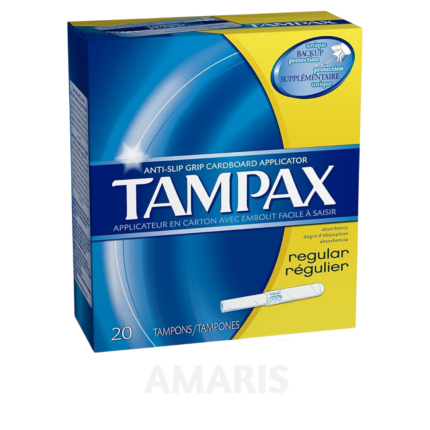
TAMPAX PEARL REGULAR TAMPONS WITH APPLICATOR
Tampax Pearl Regular tampons are designed for light to medium menstrual flow, featuring regular absorbency (6-9 grams) with up to eight hours of protection. The Dual Protection System combines a LeakGuard braid that helps stop leaks before they happen and FormFit technology that gently expands to fit your body's unique shape. The SmoothTouch plastic applicator features an anti-slip grip and rounded tip for comfortable, easy insertion—5x smoother than cardboard applicators . Made without perfume, dyes (core), chlorine bleaching, latex, or BPA . Clinically tested to be gentle on skin and Oeko-Tex certified .
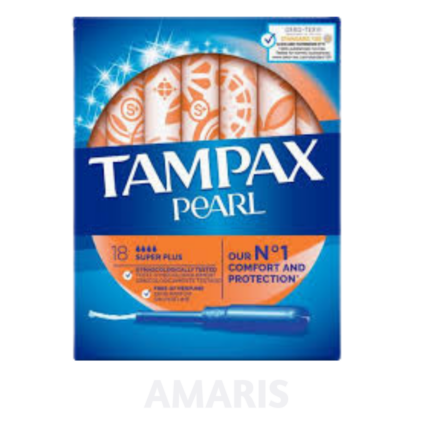
TAMPAX PEARL SUPER PLUS TAMPONS WITH APPLICATOR
Tampax Pearl Super Plus tampons are designed for heavy to extra heavy menstrual flow, featuring super plus absorbency (12-15 grams) with up to eight hours of protection. The Dual Protection System combines a LeakGuard braid that helps stop leaks before they happen and FormFit technology that gently expands to fit your body's unique shape. The SmoothTouch plastic applicator features an anti-slip grip and rounded tip for comfortable, easy insertion—5x smoother than cardboard applicators. Made without perfume, dyes (core), chlorine bleaching, latex, or BPA. Clinically tested to be gentle on skin and Oeko-Tex certified. Gynaecologically tested and #1 U.S. gynaecologist recommended tampon brand.