
 Atta, Flours & Sooji
 Wheat Atta
 Sooji (Semolina)
 Organic Flours
 Besan (Gram Flour)
 Rice Flour
 Rice & Rice Products
 Rice Cakes
 Poha (Flattened Rice)
 Brown & Red Rice
 Basmati Rice
 Non-Basmati Rice
 Dals & Pulses
 Whole Pulses (Rajma, Chana)
 Masoor Dal
 Chana Dal
 Toor Dal
 Moong Dal
 Edible Oils
 Blended Oils
 Coconut Oil
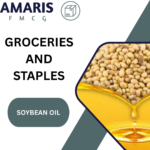 Soybean Oil
 Mustard Oil
 Olive Oil
 Sunflower Oil
 Salt, Sugar & Jaggery
 White & Brown Sugar
 Sea Salt & Himalayan Salt
 Table Salt
 Jaggery (Powdered & Block)
 Spices & Seasonings
 Herbs & Seasoning Packets
 Spice Blends (Masalas)
 Whole Spices
 Powdered Spices
 Sauces, Spreads & Condiments
 Honey, Jam & Spreads
 Soy & Chili Sauce
 Chutneys
 Pickles
 Tomato Ketchup
 Mayonnaise & Dressings
 Breakfast Cereals
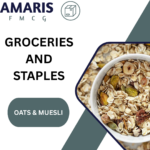 Oats & Muesli
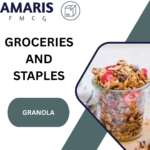 Granola
 Cornflakes
 Canned & Packaged Foods
 Cream Soups / Tomato Soup
 Tea
Tea Tea Bags
 Herbal & Specialty Tea
 Green Tea
 Black Tea
 Coffee
 Instant Coffee
 Ground Coffee
 Coffee Beans
 Health & Energy Drinks
 Health Supplements Drinks
 Energy Drinks
 Protein Shakes
 Fruit Juices & Drinks
 Coconut Water
 Nectars & Juice Drinks
 100% Juices
 Soft Drinks & Sodas
 Cola
Cola Diet Sodas
 Fruit Sodas
 Lemonade
 Water
Water Sparkling Water
 Packaged Drinking Water
 Flavored Water
 Powdered Drinks
 Drinking Chocolates
 Namkeen & Savory Snacks
 Extruded Snacks
 Mixtures & Bhujia
 Chips & Crisps
 Biscuits & Cookies
 Cookies
 Digestive & Marie
 Glucose Biscuits
 Cream Biscuits
 Chocolates & Candies
 Sweets & Bubble Gum
 Toffees & Hard Candies
 Chocolate Bars
 Boxed Chocolates
 Cakes & Pastries
 Pastries & Danish
 Cupcakes
 Birthday & Celebration Cakes
 Desserts & Ice Cream Toppings
 Caramel & Fruit Toppings
 Chocolate Syrup & Sauce
 Whipped Cream
 Sprinkles & Nuts
 Nuts & Dry Fruits
 Raisins & Apricots
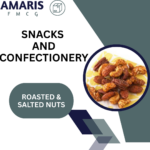 Roasted & Salted Nuts
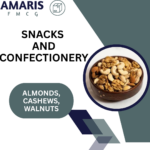 Almonds, Cashews, Walnuts
 Milk
Milk Fresh Milk (Full Cream, Toned)
 Flavored Milk
 Butter & Margarine
 Margarine
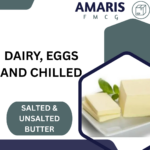 Salted & Unsalted Butter
 Cheese
 Sliced Cheese
 Paneer (Cottage Cheese)
 Cream Cheese & Spreads
 Cheese Blocks (Cheddar, Mozzarella)
 Yogurt & Curd
 Set Curd
 Yogurt Drinks (Lassi, Chaas)
 Greek Yogurt
 Flavored Yogurt
 Cream & Desserts
 Custards & Mousses
 Fresh Cream
 Eggs
Eggs Organic Eggs
 Brown Eggs
 Farm Eggs
 Frozen Vegetables
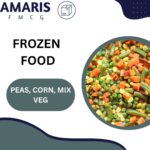 Peas, Corn, Mix Veg
 Frozen Snacks & Appetizers
 Samosas & Spring Rolls
 Nuggets & Finger Foods
 Frozen Meat & Poultry
 Frozen Sausages & Hot Dogs
 Frozen Pork
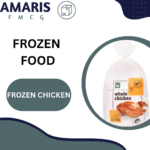 Frozen Chicken
 Frozen Beef
 Frozen Meat Blends & Mince
 Frozen Seafood
 Frozen Fish Fillets
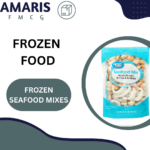 Frozen Seafood Mixes
 Ice Cream & Frozen Desserts
 Sorbets & Gelato
 Ice Cream Tubs
 Ice Cream Bars & Cones
 Oral Care
 Mouthwash
 Toothpaste
 Toothbrushes (Manual & Electric)
 Bath & Body
 Deodorants & Antiperspirants
 Body Lotions & Moisturizers
 Soaps & Body Wash
 Hair Care
 Styling Products (Gel, Wax, Spray)
 Hair Oils
 Shampoo & Conditioner
 Skincare
 Lip Balm
 Moisturizers & Creams
 Face Wash & Cleansers
 Feminine Hygiene
 Tampons
 Sanitary Pads
 Shaving Needs
 Razors & Blades
 Shaving Cream & Foam
 Vitamins & Supplements
 Multivitamins
 Protein Powder
 Specialty Supplements (Omega-3, Calcium)
 Ayurveda & Herbal
 Herbal Supplements
 Chyawanprash
 Weight Management
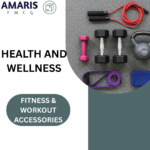 Fitness & Workout Accessories
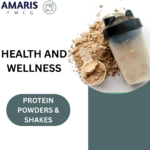 Protein Shakes & Powders
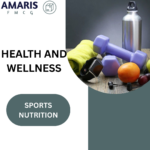 Sports Nutrition
 Energy Bars & Snacks
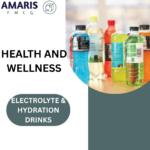 Electrolyte & Hydration Drinks
 Sports Multivitamins
 Protein Powders & Shakes
 Dishwashing
 Dishwashing Bars & Liquid
 Dishwasher Detergents
 Laundry
 Fabric Softeners & Whiteners
 Detergent Powder & Liquid
 Detergent Bars
 Floor & Surface Cleaners
 Glass & Mirror Cleaners
 All-Purpose Cleaners
 Floor Cleaners (Liquid, Powder)
 Toilet Cleaners
 Toilet Cleaning Tablets
 Toilet Brush & Cleaner Sets
 Liquid Toilet Cleaners
 Insecticides & Repellents
 Ant & Cockroach Killers
 Mosquito Repellents (Coils, Mats, Sprays)
 Air Fresheners & Fragrances
 Car Air Fresheners
 Essential Oils & Diffusers
 Plug-In Air Fresheners
 Scented Candles
 Room Sprays
 Paper Products
 Tissues & Napkins
 Kitchen Towels
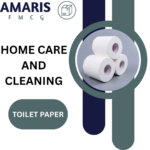 Toilet Paper
 Baby Food & Formula
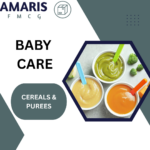 Cereals & Purees
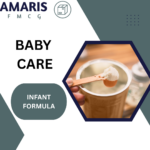 Infant Formula
 Diapers & Wipes
 Baby Wipes
 Disposable Diapers
 Baby Bath & Skincare
 Diaper Rash Cream
 Baby Soap & Shampoo
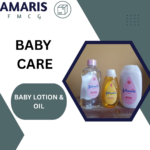 Baby Lotion & Oil
 Dog Food
 Dry Dog Food
 Dog Treats
 Wet Dog Food
 Pet Grooming
 Shampoos & Conditioners
 Brushes & Combs
 Flea & Tick Control
 Grooming Tools & Kits
 Pet Accessories
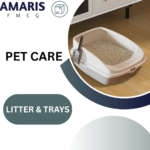 Litter & Trays (for cats)
 Collars & Leashes
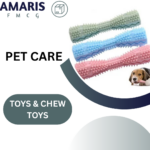 Toys & Chew Toys
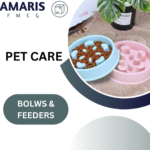 Bowls & Feeders
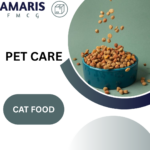 Cat Food
 Wet Cat Food
 Cat Treats
 Dry Cat Food
 Organic Products
 Organic Beverages
 Organic Supplements
 Organic Food & Snacks
 Gluten-Free
 Gluten-Free Beverages
 Gluten-Free Snacks
 Gluten-Free Pasta & Grains
 Gluten-Free Breads & Bakery
 Vegan Products
 Vegan Supplements
 Vegan Food & Snacks
 Vegan Beverages
 Sugar-Free & No Added Sugar
 Sugar-Free Beverages
 Sugar-Free Snacks
 Sugar-Free Desserts & Sweets
 Keto-Friendly
 Keto Beverages
 Keto Supplements
 Keto Snacks
 Diabetic-Friendly
 Diabetic-Friendly Supplements
 Diabetic-Friendly Health Monitors & Devices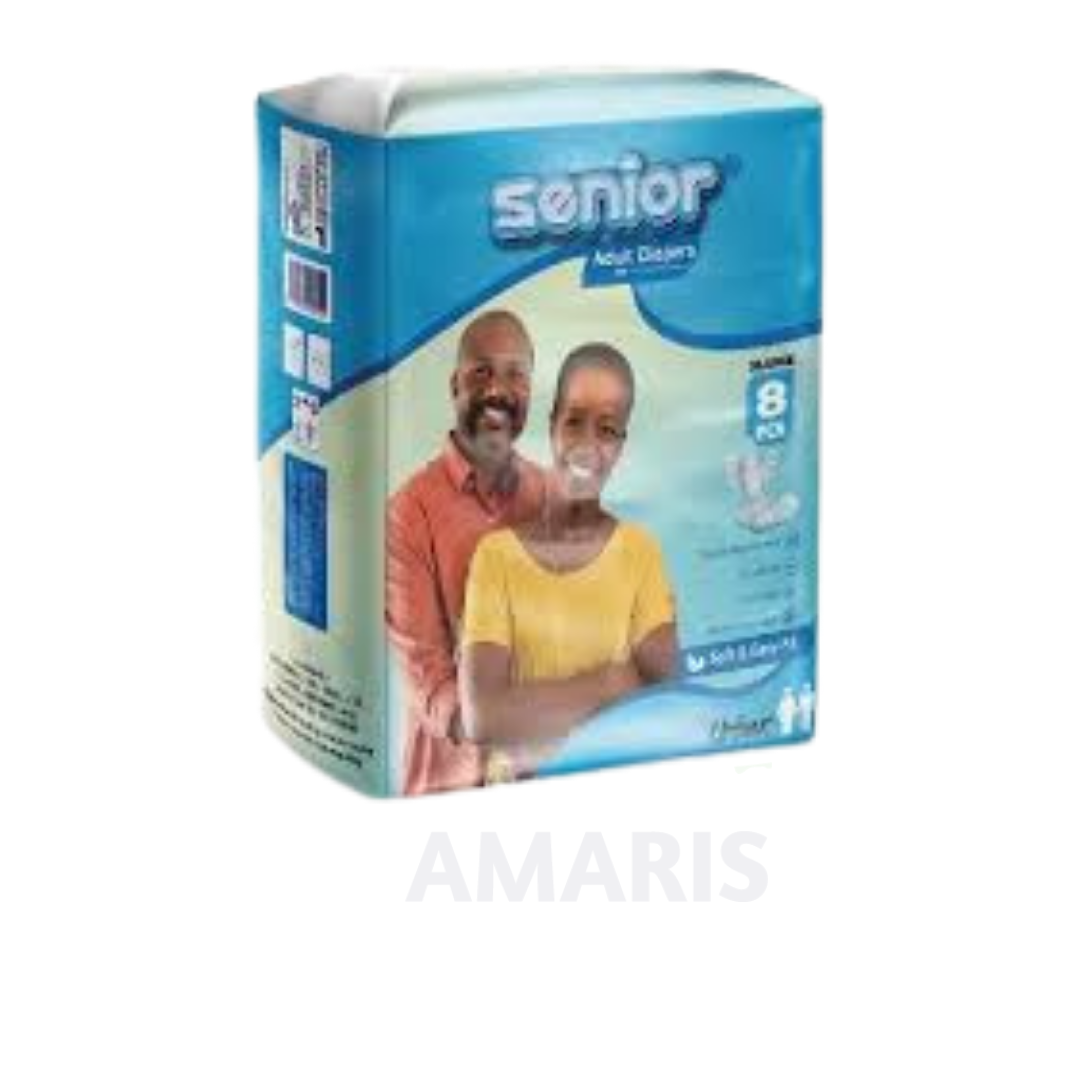
ADULT DIAPERS
WhatsApp Order
Adult diapers are high-absorbency disposable incontinence products designed for moderate to severe urinary or faecal incontinence. Available in tape-style (with re-fastenable closures for changes in lying/sitting positions) and pant-style (pull-up design for ambulatory users). Features include multi-layer construction (soft non-woven topsheet, super-absorbent polymer core with ADL technology, waterproof backsheet), 3D leak guards for side protection, wetness indicators, hypoallergenic materials, and up to 10-hour protection . Suitable for urge/stress/overflow incontinence, postpartum lochia, bedbound patients, dementia care, and severe diarrhoea. Sizes range from Medium (28-45 inch waist) to XXL. Warning: Keep plastic packaging away from children. Do not flush. Change every 4-6 hours or when saturated. Dispose in waste container.

Description
ADULT DIAPERS
PRIMARY USES
1. Management of Moderate to Severe Urinary Incontinence in Adults
Primary Use: Provides high-absorbency, disposable protection for adults experiencing moderate to severe urinary incontinence, including urge incontinence (uncontrolled leakage following urgent need to void), stress incontinence (leakage with coughing, sneezing, or lifting), and overflow incontinence (dribbling from an overly full bladder) .
How it helps: For the urologist, geriatrician, and primary care physician, urinary incontinence affects approximately 37% of older women worldwide and 15% of older men in the United States, significantly impacting quality of life and contributing to social isolation, depression, and institutionalisation . Adult diapers feature a multi-layer construction: a soft non-woven topsheet against the skin, an absorbent core containing fluff pulp and super-absorbent polymer (SAP) that turns liquid into gel, and a waterproof PE backsheet to prevent leakage . The ADL (Acquisition Distribution Layer) technology spreads fluid evenly across the core to manage rewetting and maintain skin dryness . For the patient, this means reliable protection that restores confidence and allows continued participation in daily activities without fear of embarrassing accidents.
2. Post-Surgical and Bedridden Patient Care
Primary Use: Serves as essential continence management for patients who are temporarily or permanently bedridden, including post-surgical recovery, spinal cord injury, stroke rehabilitation, and end-of-life care, where mobility limitations prevent independent toileting .
How it helps: For the hospital nurse, rehabilitation specialist, and palliative care physician, bedbound patients are at high risk for skin breakdown, pressure ulcers, and infections due to prolonged moisture exposure . Adult diapers with breathable top and back sheets allow air circulation while blocking fluid escape, helping maintain skin health . Features such as wetness indicators signal caregivers when a change is needed, enabling timely hygiene maintenance . For the patient and caregiver, this means reduced risk of incontinence-associated dermatitis (IAD), fewer linen changes, and dignified care delivery.
3. Postpartum Lochia and Gynaecological Bleeding Management
Primary Use: Provides appropriate absorbency for postpartum women experiencing lochia (vaginal discharge after childbirth) and for patients recovering from gynaecological procedures such as dilation and curettage (D&C), endometrial biopsy, or hysterectomy, where sanitary pads may be insufficient .
How it helps: For the obstetrician and gynaecologist, postpartum bleeding can be significantly heavier than a normal menstrual period, especially in the first 10 days after delivery. Adult diapers offer extended length, higher absorbency, and secure fit compared to standard sanitary pads . The soft, hypoallergenic materials are gentle on healing perineal tissues, episiotomy sites, or caesarean section incisions. For the postpartum patient, this means reliable protection that allows focus on newborn care and maternal recovery without leakage anxiety.
4. Cognitive Impairment and Dementia Care
Primary Use: Supports continence management for patients with Alzheimer’s disease, dementia, or other cognitive impairments who may not recognise the need to void, cannot locate a toilet, or have lost the ability to communicate their needs .
How it helps: For the geriatric psychiatrist and dementia care specialist, functional incontinence due to cognitive decline is a leading cause of caregiver burnout and institutionalisation . Tape-style diapers with re-fastenable closures allow for changes in any position—lying, sitting, or standing—without fully undressing the patient . Pant-style diapers promote independence for those who can participate in their own care . Wetness indicators provide caregivers with visual cues for timely changes, reducing skin complications. For the caregiver, this means reduced physical strain, more efficient care delivery, and preserved patient dignity.
5. Severe Diarrhoea and Faecal Incontinence Management
Primary Use: Provides containment for patients with severe diarrhoea, faecal incontinence, or double incontinence (combined urinary and faecal), where standard incontinence pads are inadequate for managing liquid stool .
How it helps: For the gastroenterologist and palliative care physician, faecal incontinence causes significant skin breakdown, infection risk (including perineal candidiasis), and profound psychological distress. Adult diapers designed for moderate to severe incontinence feature leak guards (3D leg cuffs) that create a gasket-like seal around the thighs to prevent side leakage . The super-absorbent core rapidly locks away both urine and liquid stool, reducing skin contact time. For the patient and caregiver, this means containment of even the most challenging episodes, reduced linen and clothing changes, and improved quality of life.
SECONDARY USES
1. Extended travel and transportation protection: For individuals with mobility limitations or incontinence who are undertaking long car journeys, flights, or train travel where toilet access is limited or unreliable, adult diapers provide up to 8-10 hours of protection . This allows patients to travel with confidence without the stress of frequent restroom stops.
2. Outdoor events and situations with limited restroom access: For individuals attending concerts, sporting events, festivals, or other outdoor gatherings where toilet facilities are distant or have long queues, adult diapers offer a discreet, practical solution for managing incontinence without missing event activities.
3. Preventive protection during medical procedures: For patients undergoing procedures that may limit mobility or access to toilets, such as certain radiology studies, chemotherapy infusions, or extended dialysis sessions, adult diapers provide security against incontinence-related interruptions.
4. Parkinson’s disease and multiple sclerosis symptom management: For patients with progressive neurological conditions affecting mobility and bladder control, adult diapers offer reliable, adaptable protection as functional status declines, with tape-style diapers accommodating changes in body shape and pant-style diapers supporting residual independence.
5. Enuresis (bedwetting) management in adults: For adults with primary or secondary nocturnal enuresis (bedwetting), adult diapers provide overnight protection that allows uninterrupted sleep, reducing anxiety and improving overall sleep quality without the need for middle-of-the-night linen changes.
KEY PRODUCT FEATURES
1. BASIC IDENTIFICATION ATTRIBUTES
-
Device Type: Disposable, single-use absorbent incontinence product
-
Available Variants: Tape Style (open diaper with re-fastenable closures); Pant Style (pull-up, underwear-like design)
-
Key Components: Topsheet (non-woven polypropylene), absorbent core (fluff pulp + super-absorbent polymer/SAP), backsheet (polyethylene film with adhesive), ADL (Acquisition Distribution Layer), leak guards (3D leg cuffs), elastic (spandex), hot melt adhesive
-
Sizes: Medium (28-45 inch waist / 71-114 cm), Large, XL, XXL
-
Unique Feature: ADL technology for rapid fluid dispersion; SAP converts liquid to gel preventing rewetting; 3D leak guards for side protection; wetness indicator for timely changes
2. TECHNICAL & PERFORMANCE PROPERTIES
-
Absorption Mechanism: ADL (Acquisition Distribution Layer) draws fluid away from skin; fluff pulp provides rapid absorption; SAP granules (sodium polyacrylate) absorb up to 30x their weight, turning liquid into gel
-
Protection Duration: 8-10 hours (tape style)
-
Breathability: Breathable top sheet (non-woven fabric) and back sheet (non-woven + polyethylene film) allow air circulation while blocking fluid escape
-
Leak Protection: 3D leak guard system with elasticated leg cuffs adapts to body contours, minimising leakage risk during movement or rest
-
Skin Safety: Hypoallergenic materials protect against rashes and skin irritations
-
Wetness Indicator: Pattern on outer sheet signals when diaper is soiled, enabling timely changes
-
Fastening System (Tape Style): Re-fastenable tapes that can be adjusted multiple times for a snug, personalised fit
-
Elastic Fit: Spandex-based elastic adapts to body contours, improving comfort without stiffness
-
Shelf Life: Up to 3 years from manufacturing date
3. PHYSICAL & OPERATIONAL PROPERTIES
-
Preparation: Remove from packaging. For tape style: unfold and shape the diaper.
-
Usage Instructions (Tape Style): Fold diaper in half with fastening panel downwards. Position between waist and hip while patient is lying on side. Roll patient onto diaper. Pull tapes to front panel. Adjust leg cuffs into position for comfort .
-
Usage Instructions (Pant Style): Pull up over legs like ordinary underwear. Ensure snug fit around waist and legs.
-
Change Frequency: Change every 4-6 hours or when saturated. Clean perineal area with mild soap and water before applying fresh diaper .
-
Disposal Instructions: Fold used diaper, wrap securely, dispose in waste container. Do NOT flush .
-
Storage Conditions: Store in cool, dry place away from direct sunlight. Seal polybag well to avoid dust ingress .
-
Child Safety: Keep diapers in polybags in location where children cannot access to avoid suffocation risk .
4. SAFETY & COMPLIANCE ATTRIBUTES
-
Skin Safety: Hypoallergenic; soft, skin-friendly materials
-
External Use Only: For external use only
-
Infection Prevention: Clean bottom with mild soapy water or warm water carefully to keep it dry and clean while replacing diaper
-
Suffocation Hazard Warning: Keep plastic packaging and diapers in polybags away from babies and children to avoid suffocation
-
Environmental Disposal Warning: Do not flush—causes plumbing blockages. Dispose in trash, not environment
-
Quality Assurance: Manufactured under ISO standards; various regional MD-42 licenses
SAFETY HANDLING PRECAUTIONS
1. SAFETY PRECAUTIONS
-
Plastic bag suffocation hazard: Keep plastic packaging away from children. Dispose of packaging immediately after opening. Store diapers in a location where children cannot access them .
-
Do not flush: Adult diapers do not dissolve in water and will cause severe plumbing blockages. Always dispose of used diapers in a waste container .
-
Change frequency: Prolonged wear of a wet diaper (more than 4-6 hours) increases risk of incontinence-associated dermatitis (IAD), fungal infections, and pressure ulcers. Change promptly when wet or soiled .
-
Skin breakdown risk: Urine irritates and macerates skin, contributing to sacral pressure ulcer formation in bedbound patients. Thoroughly clean and dry skin at each change. Consider using skin barrier cream or lotion .
-
Infection signs: Seek medical evaluation if you develop fever, foul-smelling discharge, burning sensation during urination, or increasing perineal pain/redness .
-
Medical assessment: Do not assume incontinence is irreversible. All adults should be screened for incontinence as reversible causes (delirium, infection, medications, stool impaction) may be treatable .
-
Appropriate sizing: Wear a size that fits snugly to prevent leaks. Diapers with elastic leg seams provide better fit and leak prevention .
-
Not a substitute for sanitary pads: Sanitary napkins are not designed to absorb urine and should not be used for incontinence. Adult diapers have a unique absorption system specifically for urine .
-
Keep skin dry: Remove soaked pads immediately. Remove all wet clothing and linen. Thoroughly clean and dry skin before applying fresh product .
-
Store properly: Keep diapers in a dry, clean place. Seal polybag well to avoid dust entering. Do not use if packaging is damaged .
2. FIRST AID MEASURES
-
Incontinence-associated dermatitis (skin rash/irritation): Discontinue use of current product if persistent irritation develops. Gently cleanse area with warm water and mild, pH-balanced cleanser. Pat dry (do not rub). Apply zinc oxide barrier cream. Allow area to air dry before applying fresh diaper. Consider switching to hypoallergenic or cloth alternative. If rash persists for more than 48 hours, consult a healthcare professional.
-
Pressure ulcer concern: If you notice reddened areas that do not blanch (turn white when pressed) on sacrum, buttocks, or hips, especially in bedbound patients, reposition the patient immediately, keep skin clean and dry, and consult a wound care nurse or physician.
-
Fungal infection (candidiasis): If rash appears bright red with satellite lesions, may indicate Candida infection. Consult healthcare provider for antifungal treatment. Keep area dry and change diapers more frequently.
-
Eye contact (pad materials): If diaper materials accidentally contact the eye, rinse immediately with plenty of lukewarm water for 15 minutes. Seek ophthalmologic advice if irritation persists.
3. FIRE FIGHTING MEASURES
-
Flammability: The cellulose, polyethylene, polypropylene, and SAP components are combustible. Adult diapers will burn if exposed to open flame.
-
Extinguishing Media: Use water spray, foam, dry chemical powder, or carbon dioxide (CO₂). No special restrictions apply.
-
Fire Response: For small fires involving diapers, use appropriate extinguisher. For large fires, evacuate area. Burning materials may release smoke and fumes. Firefighters should wear self-contained breathing apparatus (SCBA) and full protective gear.
Related products
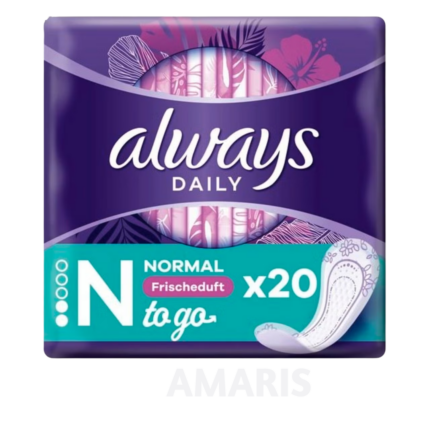
ALWAYS EVERYDAY NORMAL
Always Everyday Normal pads are designed for light to moderate menstrual flow, offering reliable protection with a slim, comfortable design for everyday wear. Features include dermatologically tested, breathable materials for sensitive skin, Flexi-Wings for secure positioning, and a discreet slim profile that stays in place during daily activities. Individually wrapped for hygienic portability. Suitable for light flow days, beginning and end of periods, daily freshness, postpartum late-stage recovery, and teen first periods. Warning: Keep plastic bags away from children. Do not flush.

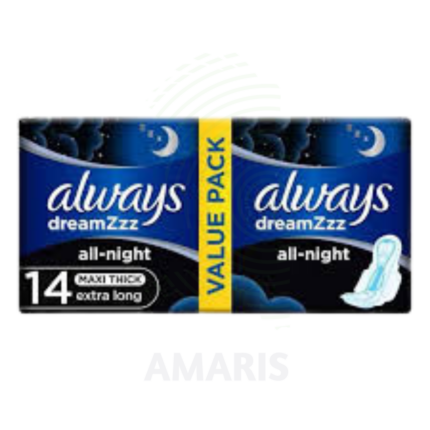
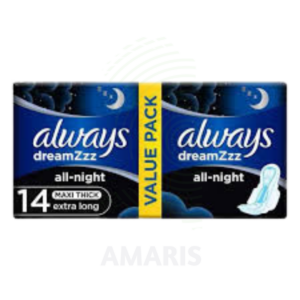
ALWAYS MAXI THICK EXTRA LONG DUO NIGHT
Always Maxi Thick Extra Long Night Duo pads are a value pack of maximum-absorbency overnight pads with a thick, super-absorbent core and extra-long posterior coverage (wider at the back) for heavy flow protection during sleep. Features include soft cushiony topsheet, leak guard barriers around edges, flexible wings for secure positioning, and dermatologically tested design for sensitive skin. The duo pack provides two quantities in one economical purchase. Suitable for heavy flow nights, postpartum, menorrhagia, perimenopause, and anticoagulant-related bleeding. Warning: Keep plastic bags away from children. Do not flush.
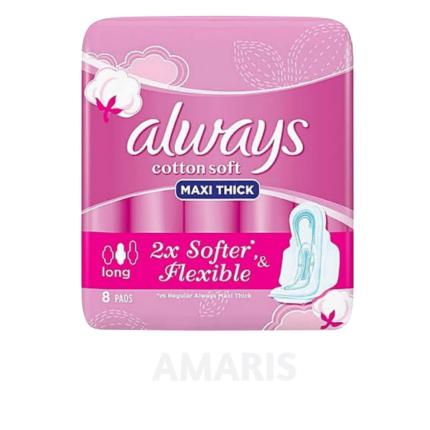
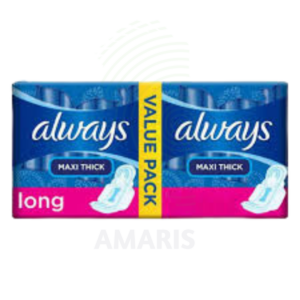
ALWAYS SOFT MAXI THICK LONG (ROXANNE LITE)
Always Soft Maxi Thick Long (Roxanne Lite) pads are maximum-absorbency pads with a thick, super-absorbent core and soft, cushiony topsheet for heavy flow comfort. Features include long length for extended coverage, Roxanne Lite technology with 100% breathable top sheet, anti-leakage barriers, flexible wings for secure positioning, and dermatologically tested design for sensitive skin. The innovative soft, cushiony feel respects sensitive skin while delivering maximum protection. Suitable for heavy flow days, overnight use, postpartum, menorrhagia, perimenopause, and anticoagulant-related bleeding. Warning: Keep plastic bags away from children. Do not flush.
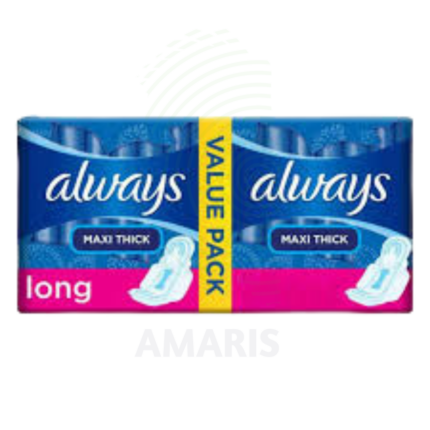
ALWAYS SOFT MAXI THICK LONG DUO
Always Soft Maxi Thick Long Duo pads are a value pack of maximum-absorbency pads with a thick, super-absorbent core and soft, cushiony topsheet for heavy flow comfort. Features include long length for extended coverage, Roxanne Lite 100% breathable technology, anti-leakage barriers, flexible wings for secure positioning, and dermatologically tested design for sensitive skin. The duo pack provides two quantities in one economical purchase. Suitable for heavy flow days, overnight use, postpartum, menorrhagia, perimenopause, and anticoagulant-related bleeding. Warning: Keep plastic bags away from children. Do not flush.
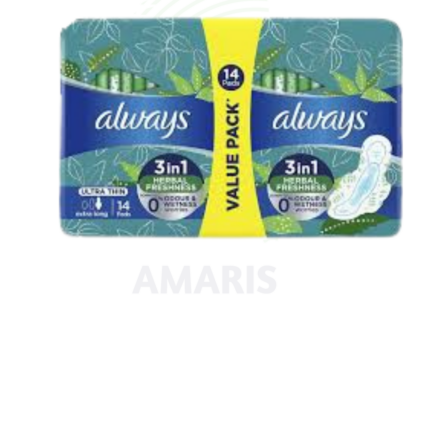
ALWAYS ULTRA EXTRA LONG DUO HERBAL
Always Ultra Extra Long Duo Herbal pads are maximum-absorbency, ultra-thin pads with herbal freshness, presented in a value duo pack for heavy flow day and night. Features include extra-long length (40% longer), Ultra Gel Technology for instant absorption, 3in1 protection (leak, odour, wetness), anti-leakage barriers, flexible wings, and 500 breathable pores. Provides up to 8 hours of secure protection. Dermatologically tested and individually wrapped. Suitable for heavy flow, overnight use, postpartum, menorrhagia, perimenopause, anticoagulant therapy, endometriosis, and adenomyosis. Warning: Keep plastic bags away from children. Do not flush.
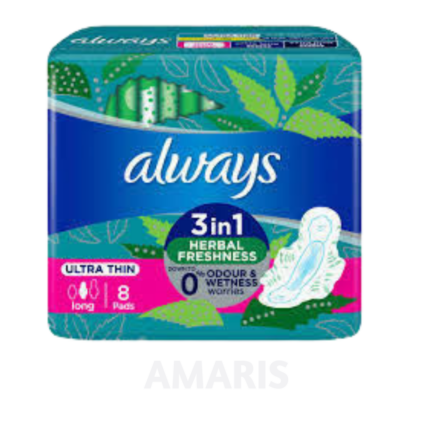
ALWAYS ULTRA THIN HERBAL FRESHNESS
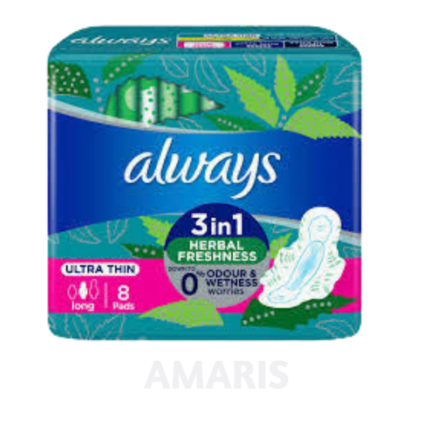
Always Ultra Thin Herbal Freshness sanitary pads are heavy-flow protection pads that combine ultra-thin comfort with 3in1 protection against leaks, odour, and wetness. Key features: Ultra Gel Technology for instant absorption and odour locking; anti-leakage barriers for maximum coverage; flexible wings for secure positioning; ultra-thin, flexible design for discreet wear; herbal freshness infusion for all-day odour control; individually wrapped for hygienic portability . Provides secure protection for up to 8 hours . Available in long and extra-long variants for extended coverage . Suitable for heavy flow days, overnight protection, postpartum, and post-gynaecological procedure bleeding. Warning: To avoid danger of suffocation, keep plastic bags away from babies and children . Do not dispose of pads in toilet bowls—use a waste container .
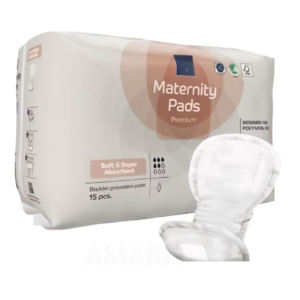
MATERNITY PADS
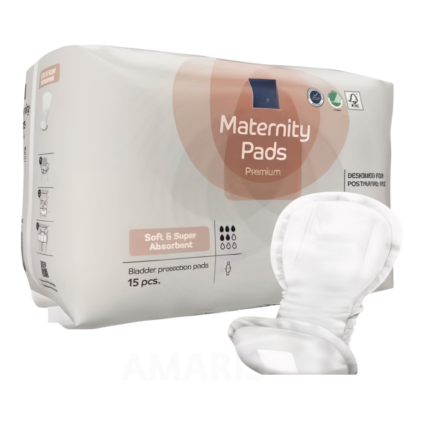
Maternity pads are high-absorbency, extra-long sanitary pads specifically designed for postpartum lochia management following vaginal delivery or caesarean section. Features include absorption capacity of 150-300mL, extra length (approx. 10 x 30cm) with extended back coverage, soft breathable topsheets for perineal comfort, and secure adhesive backing with wings . Some variants offer sterile options for clinical use, ThermoControl™ moisture-wicking technology, or aloe vera/witch hazel infusion for cooling relief . Suitable for postpartum recovery, post-gynaecological procedures, and late pregnancy leakage protection. Sterile options indicated for surgical recovery. Warning: Keep plastic packaging away from babies and children. Do not flush. Replace every 4 hours or as needed.
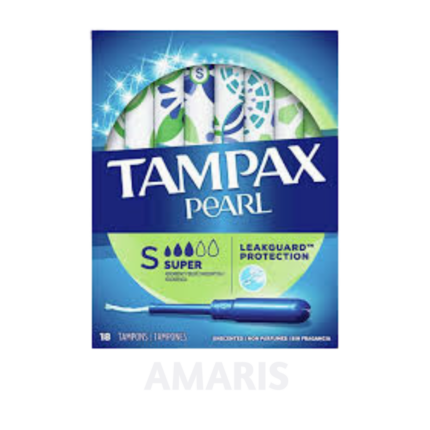
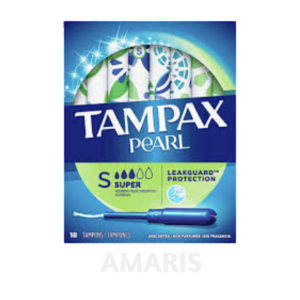
TAMPAX PEARL SUPER TAMPONS WITH APPLICATOR
Tampax Pearl Super tampons with applicators are designed for medium to heavy menstrual flow, featuring super absorbency (9-12 grams) with up to eight hours of protection. The Dual Protection System combines a LeakGuard braid that helps stop leaks before they happen and FormFit technology that gently expands to fit your body's unique shape. The SmoothTouch plastic applicator features an anti-slip grip and rounded tip for comfortable, easy insertion—5x smoother than cardboard applicators. Made without perfume, dyes (core), chlorine bleaching, latex, or BPA. Clinically tested to be gentle on skin and Oeko-Tex certified.