
 Atta, Flours & Sooji
 Wheat Atta
 Sooji (Semolina)
 Organic Flours
 Besan (Gram Flour)
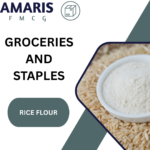 Rice Flour
 Rice & Rice Products
 Rice Cakes
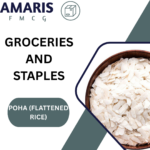 Poha (Flattened Rice)
 Brown & Red Rice
 Basmati Rice
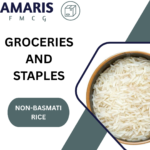 Non-Basmati Rice
 Dals & Pulses
 Whole Pulses (Rajma, Chana)
 Masoor Dal
 Chana Dal
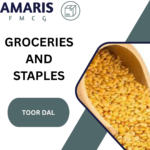 Toor Dal
 Moong Dal
 Edible Oils
 Blended Oils
 Coconut Oil
 Soybean Oil
 Mustard Oil
 Olive Oil
 Sunflower Oil
 Salt, Sugar & Jaggery
 White & Brown Sugar
 Sea Salt & Himalayan Salt
 Table Salt
 Jaggery (Powdered & Block)
 Spices & Seasonings
 Herbs & Seasoning Packets
 Spice Blends (Masalas)
 Whole Spices
 Powdered Spices
 Sauces, Spreads & Condiments
 Honey, Jam & Spreads
 Soy & Chili Sauce
 Chutneys
 Pickles
 Tomato Ketchup
 Mayonnaise & Dressings
 Breakfast Cereals
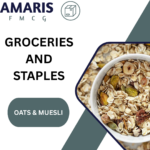 Oats & Muesli
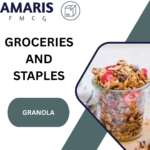 Granola
 Cornflakes
 Tea
Tea Tea Bags
 Herbal & Specialty Tea
 Green Tea
 Black Tea
 Coffee
 Instant Coffee
 Ground Coffee
 Coffee Beans
 Health & Energy Drinks
 Health Supplements Drinks
 Energy Drinks
 Protein Shakes
 Fruit Juices & Drinks
 Coconut Water
 Nectars & Juice Drinks
 100% Juices
 Soft Drinks & Sodas
 Cola
Cola Diet Sodas
 Fruit Sodas
 Lemonade
 Water
Water Sparkling Water
 Packaged Drinking Water
 Flavored Water
 Namkeen & Savory Snacks
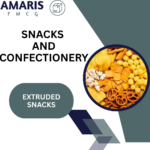 Extruded Snacks
 Mixtures & Bhujia
 Chips & Crisps
 Biscuits & Cookies
 Cookies
 Digestive & Marie
 Glucose Biscuits
 Cream Biscuits
 Chocolates & Candies
 Sweets & Bubble Gum
 Toffees & Hard Candies
 Chocolate Bars
 Boxed Chocolates
 Cakes & Pastries
 Pastries & Danish
 Cupcakes
 Birthday & Celebration Cakes
 Desserts & Ice Cream Toppings
 Caramel & Fruit Toppings
 Chocolate Syrup & Sauce
 Whipped Cream
 Sprinkles & Nuts
 Nuts & Dry Fruits
 Raisins & Apricots
 Roasted & Salted Nuts
 Almonds, Cashews, Walnuts
 Milk
Milk Fresh Milk (Full Cream, Toned)
 Flavored Milk
 Butter & Margarine
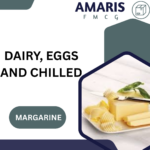 Margarine
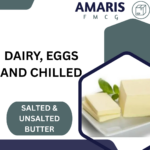 Salted & Unsalted Butter
 Cheese
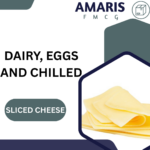 Sliced Cheese
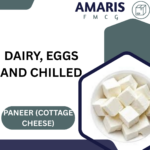 Paneer (Cottage Cheese)
 Cream Cheese & Spreads
 Cheese Blocks (Cheddar, Mozzarella)
 Yogurt & Curd
 Set Curd
 Yogurt Drinks (Lassi, Chaas)
 Greek Yogurt
 Flavored Yogurt
 Cream & Desserts
 Custards & Mousses
 Fresh Cream
 Eggs
Eggs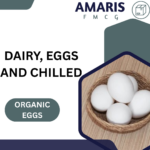 Organic Eggs
 Brown Eggs
 Farm Eggs
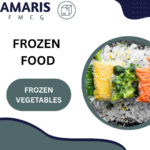 Frozen Vegetables
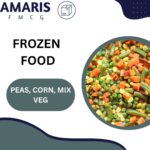 Peas, Corn, Mix Veg
 Frozen Snacks & Appetizers
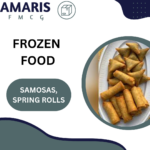 Samosas & Spring Rolls
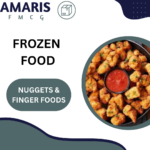 Nuggets & Finger Foods
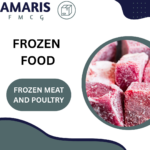 Frozen Meat & Poultry
 Frozen Sausages & Hot Dogs
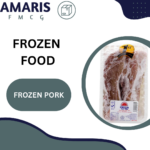 Frozen Pork
 Frozen Chicken
 Frozen Beef
 Frozen Meat Blends & Mince
 Frozen Seafood
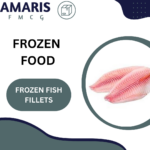 Frozen Fish Fillets
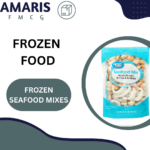 Frozen Seafood Mixes
 Ice Cream & Frozen Desserts
 Sorbets & Gelato
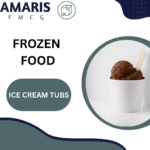 Ice Cream Tubs
 Ice Cream Bars & Cones
 Oral Care
 Mouthwash
 Toothpaste
 Toothbrushes (Manual & Electric)
 Bath & Body
 Deodorants & Antiperspirants
 Body Lotions & Moisturizers
 Soaps & Body Wash
 Hair Care
 Styling Products (Gel, Wax, Spray)
 Hair Oils
 Shampoo & Conditioner
 Skincare
 Lip Balm
 Moisturizers & Creams
 Face Wash & Cleansers
 Feminine Hygiene
 Tampons
 Sanitary Pads
 Shaving Needs
 Razors & Blades
 Shaving Cream & Foam
 Vitamins & Supplements
 Multivitamins
 Protein Powder
 Specialty Supplements (Omega-3, Calcium)
 Ayurveda & Herbal
 Herbal Supplements
 Chyawanprash
 Weight Management
 Fitness & Workout Accessories
 Protein Shakes & Powders
 Sports Nutrition
 Energy Bars & Snacks
 Electrolyte & Hydration Drinks
 Sports Multivitamins
 Protein Powders & Shakes
 Dishwashing
 Dishwashing Bars & Liquid
 Dishwasher Detergents
 Laundry
 Fabric Softeners & Whiteners
 Detergent Powder & Liquid
 Detergent Bars
 Floor & Surface Cleaners
 Glass & Mirror Cleaners
 All-Purpose Cleaners
 Floor Cleaners (Liquid, Powder)
 Toilet Cleaners
 Toilet Cleaning Tablets
 Toilet Brush & Cleaner Sets
 Liquid Toilet Cleaners
 Insecticides & Repellents
 Ant & Cockroach Killers
 Mosquito Repellents (Coils, Mats, Sprays)
 Air Fresheners & Fragrances
 Car Air Fresheners
 Essential Oils & Diffusers
 Plug-In Air Fresheners
 Scented Candles
 Room Sprays
 Paper Products
 Tissues & Napkins
 Kitchen Towels
 Toilet Paper
 Baby Food & Formula
 Cereals & Purees
 Infant Formula
 Diapers & Wipes
 Baby Wipes
 Disposable Diapers
 Baby Bath & Skincare
 Diaper Rash Cream
 Baby Soap & Shampoo
 Baby Lotion & Oil
 Dog Food
 Dry Dog Food
 Dog Treats
 Wet Dog Food
 Pet Grooming
 Shampoos & Conditioners
 Brushes & Combs
 Flea & Tick Control
 Grooming Tools & Kits
 Pet Accessories
 Litter & Trays (for cats)
 Collars & Leashes
 Toys & Chew Toys
 Bowls & Feeders
 Cat Food
 Wet Cat Food
 Cat Treats
 Dry Cat Food
 Organic Products
 Organic Beverages
 Organic Supplements
 Organic Food & Snacks
 Gluten-Free
 Gluten-Free Beverages
 Gluten-Free Snacks
 Gluten-Free Pasta & Grains
 Gluten-Free Breads & Bakery
 Vegan Products
 Vegan Supplements
 Vegan Food & Snacks
 Vegan Beverages
 Sugar-Free & No Added Sugar
 Sugar-Free Beverages
 Sugar-Free Snacks
 Sugar-Free Desserts & Sweets
 Keto-Friendly
 Keto Beverages
 Keto Supplements
 Keto Snacks
 Diabetic-Friendly
 Diabetic-Friendly Supplements
 Diabetic-Friendly Health Monitors & Devices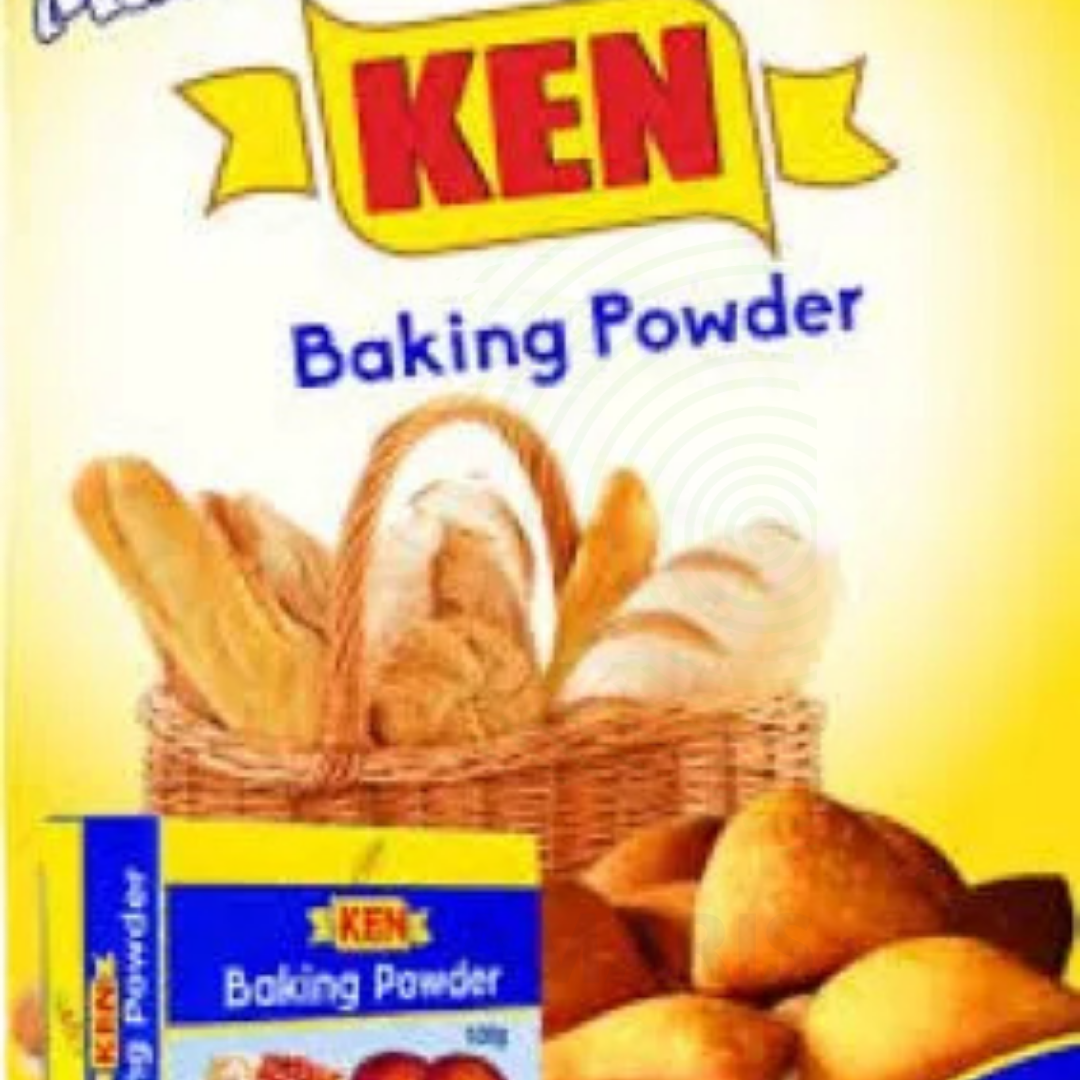

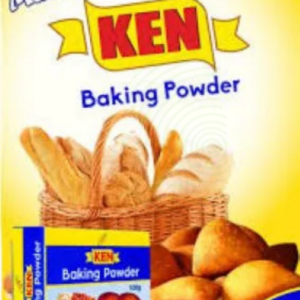
KEN E-BAKING POWDER
WhatsApp Order
KEN E‑Baking Powder is a high‑performance, double‑action, aluminum‑free leavening agent produced by Kenfood. It is made from a precise blend of sodium acid pyrophosphate (E450ii), sodium bicarbonate (E500), and cornstarch. It is the ideal leavening choice for cakes, muffins, cookies, pancakes, and traditional East African fried breads such as mandazi.
Whether you are a home baker or a professional pastry chef, KEN E‑Baking Powder delivers consistent, uniform, and superior rising power. Its double‑action mechanism (approximately 40% of carbon dioxide released in cold liquid, and the remaining 60% released during heating) ensures that batter or dough does not lose its leavening power even if it sits before baking. This guarantees consistent volume and a tender crumb in every batch.
Because it is an aluminum‑free formula, it contains no added aluminum, making it a safe choice for health‑conscious consumers. The powder is fine, free‑flowing, and easy to blend with dry ingredients. The recommended usage is 1.5% to 4.0% of the flour weight. Whether you are making soft cakes, crisp cookies, or fluffy mandazi, KEN E‑Baking Powder helps you achieve professional‑quality baking results with ease.
Description
KEN E-BAKING POWDER
PRIMARY CLINICAL & DIAGNOSTIC USES
1. Double‑Action Leavening for Consistent Baking Results
• Primary Use: Provides a double‑action, aluminum‑free baking powder containing sodium acid pyrophosphate (SAPP), sodium bicarbonate, and cornstarch, used as a chemical leavening agent in home and commercial baking. When mixed with liquid, approximately 40% of the carbon dioxide is released at room temperature; the remaining 60% is released when heated in the oven, ensuring stable and adequate rising even if the batter sits before baking.
• How it helps: For the home baker and professional pastry chef, this double‑action mechanism solves the problem of batter that must be prepared in advance and used in batches. Whether making a batter that needs to rest or baking multiple batches over time, KEN E‑Baking Powder ensures every product achieves the same ideal volume and fine crumb structure. For health‑conscious consumers, its aluminum‑free formula makes it an excellent choice for clean‑label baking.
2. Light, Airy Texture for Traditional Kenyan Mandazi
• Primary Use: Specifically formulated for popular East African fried breads such as mandazi, as well as pancakes, biscuits, and cakes, this baking powder effectively improves the rise and tender texture of these traditional baked and fried goods.
• How it helps: For local food vendors and home cooks, KEN E‑Baking Powder is the key to producing soft, fluffy mandazi with a crisp exterior and uniform internal crumb. Its optimal leavening strength ensures rapid expansion during frying, creating a light, airy texture that not only enhances flavor but also improves product consistency and appeal for those selling to customers.
3. Standardized Leavening for Premixes and Commercial Baking
• Primary Use: As a formulated chemical leavener, KEN E‑Baking Powder is widely used in the production of baking premixes (e.g., pancake mix, cake mix) to ensure consistent volume, texture, and appearance regardless of batch‑to‑batch variation in flour or ambient conditions.
• How it helps: For food manufacturers and ingredient suppliers, using a standardized baking powder streamlines production and eliminates concerns about quality fluctuations. It provides a reliable leavening solution for large‑scale, consistent production, ensuring that consumers get the same perfect baking results every time they open a package.
4. Aluminum‑Free Formula for Health‑Conscious Baking
• Primary Use: Made with sodium acid pyrophosphate (E450ii) as the acid component, this baking powder contains no added aluminum, making it a safe and health‑friendly choice for consumers who prefer to avoid aluminum in their food.
• How it helps: For families focused on wellness and for bakers who need to control every ingredient, KEN E‑Baking Powder allows them to enjoy baking without concern. Aluminum‑based leavening agents (such as alum) have been linked to potential health risks, and the aluminum‑free formula eliminates that worry, producing baked goods that are as natural and healthy as they are delicious.
SECONDARY & SUPPORTIVE USES
1. Crispy coating for fried chicken and fried foods: Adding a small amount of KEN E‑Baking Powder to fried chicken batter or breading creates a lighter, crispier crust. The gas produced during frying forms tiny air pockets in the coating, resulting in an exceptionally crunchy texture that enhances the eating experience.
2. Tender texture for cookies and shortbread: When used in butter cookies or shortbread, KEN E‑Baking Powder helps the dough rise slightly, producing a more tender, melt‑in‑the‑mouth structure. Even with a home oven, it yields evenly golden, crisp, and perfectly textured cookies.
3. Performance in frozen dough applications: For dough that will be frozen and stored (such as cookie or biscuit dough), KEN E‑Baking Powder remains stable. Its double‑action mechanism ensures that part of the leavening power is retained through freezing and thawing, delivering excellent results when finally baked — ideal for bulk preparation and storage.
4. Consistent leavening for batter‑based foods requiring resting time: When making batters that need to rest (such as waffle or pancake batter), KEN E‑Baking Powder ensures that the first and last batches baked have the same light, fluffy texture. This solves the problem of traditional baking powders losing potency in liquid batters over time.
5. Creative cookie and pastry shaping: For shaped cookies where clear patterns are desired, KEN E‑Baking Powder provides just the right amount of lift — enough to create a tender crumb without distorting intricate designs. This makes it perfect for creative baking and holiday gifts.
About brand
KEN is a trusted brand offering practical products designed to meet everyday household and personal needs. Its products are made with a focus on convenience, quality, and reliable performance. KEN is suitable for regular use in homes, offices, and other everyday settings. It provides simple and practical solutions for daily needs.
KEY PRODUCT FEATURES
1. BASIC IDENTIFICATION ATTRIBUTES
-
Device Type: A double‑action, aluminum‑free chemical leavening agent (baking powder).
-
Designation: KEN E‑Baking Powder, Aluminum‑Free Double‑Action Baking Powder, Kenfood Baking Powder.
-
Key Components: Sodium acid pyrophosphate (SAPP, E450ii), sodium bicarbonate (baking soda, E500), and cornstarch (filler).
2. TECHNICAL & PERFORMANCE PROPERTIES
-
Physical Form: Fine, white to off‑white, free‑flowing powder.
-
Key Features: Double‑action leavening, aluminum‑free, stable performance, easy to blend.
-
CO₂ Gas Production: Depending on the specific product grade, produces 13.5% to 14.5% carbon dioxide.
-
Recommended Dosage: Typically 1.5% to 4.0% of flour weight (e.g., 7.5 g to 20 g per 500 g of flour). Start with 2% (approximately 10 g) and adjust as needed.
-
Applications: Suitable for cakes, muffins, cookies, biscuits, mandazi (East African fried bread), pancakes, waffles, scones, and premixes.
-
Packaging: Industrial packaging includes 4 kg pails and 25 kg bags. Home‑use sizes include 50 g and 100 g packets.
-
Storage: Must be kept sealed, away from light, moisture, and high temperatures. Store in a cool, dry place. Use promptly after opening.
-
Safety: Aluminum‑free, complies with food additive regulations.
3. PHYSICAL & OPERATIONAL PROPERTIES
-
Preparation: As a chemical leavening agent, KEN E‑Baking Powder itself requires no preparation. In baking, it must be mixed thoroughly with dry ingredients (such as flour, sugar, salt) to avoid localized over‑concentration, which can cause bitterness or discoloration in the finished product.
-
Usage: Combine the baking powder with the dry ingredients and mix well. Then add wet ingredients (water, milk, eggs, oil) and stir until just combined. Do not over‑mix, as this can develop gluten and make the product tough.
-
Storage Conditions: Store in a cool, dry, dark place. After opening, reseal tightly to prevent moisture absorption and premature loss of leavening power. Do not refrigerate, as condensation can cause clumping and spoilage.
4. SAFETY & COMPLIANCE ATTRIBUTES
-
Regulatory Status: KEN E‑Baking Powder is produced by Kenfood, a company with more than 25 years of industry experience and a global export presence. The product meets international quality standards and complies with Kenya Bureau of Standards (KEBS) regulations.
-
Allergen Information: The standard formula contains no known allergens. However, consumers should always check the product label for specific allergen warnings, as manufacturing processes may change.
-
Aluminum‑Free (Safety): The product contains no aluminum, making it suitable for consumers concerned about aluminum‑based leavening agents. Aluminum‑free baking powder is considered a healthier, more modern choice.
-
Quality Assurance: Kenfood is committed to high‑quality, stable baking ingredients. Their products are manufactured under strict quality control systems, ensuring that every batch of baking powder meets the required specifications.
5. STORAGE & HANDLING ATTRIBUTES
-
Storage: Keep the product sealed in a cool, dry, dark place. High temperature and humidity accelerate decomposition and cause loss of leavening power.
-
Shelf Life: Under recommended storage conditions, unopened product typically has a shelf life of 12 to 24 months. Check the production date and expiration date on the package.
-
Usage: Sift or whisk the baking powder together with other dry ingredients before adding liquids to ensure even distribution. This prevents localized over‑reaction that could affect the appearance and taste of the final product.
SAFETY HANDLING PRECAUTIONS
1. SAFETY PRECAUTIONS
-
Correct usage is essential for best results: Always follow the recommended recipe amounts. Too much baking powder will produce a bitter, soapy taste and cause the crust to darken excessively. Too little will result in insufficient rise and a dense, heavy texture.
-
Uneven mixing can cause bitterness and discoloration: Baking powder must be thoroughly blended with the dry ingredients before adding liquids. If pockets of baking powder remain undissolved, they can cause yellow or brown spots and a bitter flavor in the finished product.
-
Prevent loss of double‑action effectiveness: To take full advantage of the double‑action property, mix dry and wet ingredients only when ready to bake. Do not let the batter or dough sit for more than 20 minutes before baking, as the initial gas release may escape and reduce the final rise.
-
Allergen awareness: Although the ingredient list does not include common allergens, cross‑contamination may occur during manufacturing. Individuals with severe food allergies should exercise caution or consult a physician before use.
-
Improper storage causes loss of leavening power: Moisture causes baking powder to clump and react prematurely. Always store baking powder in a dry, cool place. Do not keep it in the refrigerator, as condensation will cause spoilage.
-
Avoid inhaling powder or getting it in the eyes: Baking powder is a fine powder. Avoid creating dust clouds when handling. If powder gets into the eyes, rinse immediately with plenty of clean water.
-
Keep out of reach of children: Store the product where children cannot access it, to prevent accidental ingestion.
2. FIRST AID MEASURES
-
Inhalation: If someone inhales a large amount of dust and experiences discomfort, move to fresh air. If symptoms persist, seek medical advice.
-
Ingestion: If accidentally swallowed, rinse the mouth and drink plenty of water. Small amounts are generally non‑toxic. However, if discomfort occurs or a large quantity is swallowed, seek medical attention.
-
Eye Contact: If powder enters the eyes, rinse immediately with plenty of running water for at least 15 minutes, occasionally lifting the upper and lower eyelids. If irritation persists, seek medical advice.
-
Skin Contact: Baking powder is generally non‑irritating to skin. If large amounts contact the skin and cause discomfort, wash with soap and water.
3. FIRE FIGHTING MEASURES
-
Flammability: KEN E‑Baking Powder itself is not flammable. However, as a dry powder, it may decompose under high heat, releasing non‑flammable gases.
-
Extinguishing Media: Use water, foam, dry chemical, or carbon dioxide (CO₂) for fires involving nearby materials. No special restrictions apply.
-
Fire Response: If baking powder is involved in a fire, it may decompose and release irritating fumes. Firefighters should wear self‑contained breathing apparatus (SCBA) and full protective gear.
Related products
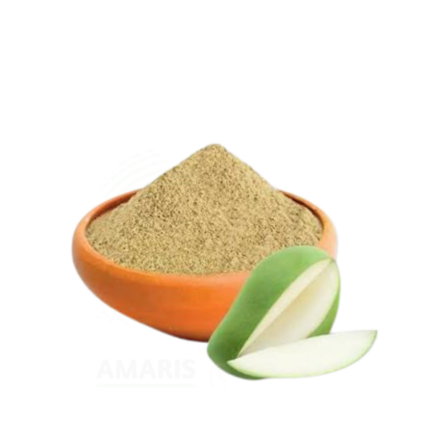
AMCHUR POWDER
Amchur powder is a sour, tangy, beige-to-brown powder made from dried unripe green mangoes (Mangifera indica). For the nutritionist, cardiologist, and primary care physician, it serves as a natural, sodium-free souring agent that enhances dietary iron absorption from plant-based meals, reduces the need for added salt in hypertensive patients, stimulates appetite in convalescent individuals through sour taste, and provides antioxidant support from mango-derived polyphenols and vitamin C. For the patient, amchur transforms bland lentils, beans, vegetables, rice, and soups into bright, flavorful dishes that are easier to digest, lower in sodium, and more enjoyable to eat. It is a valuable tool for improving nutritional status, supporting cardiovascular health, and enhancing dietary adherence in various clinical and everyday settings, particularly in vegetarian and low-resource populations.
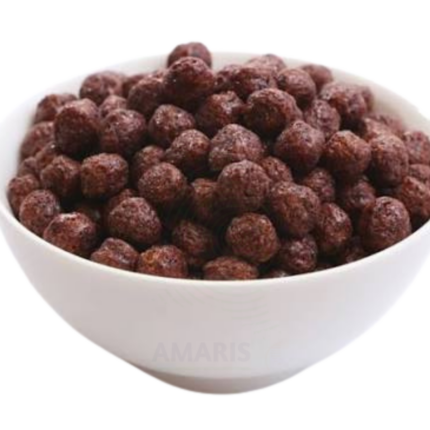
COCO POPS BALLS
Coco Pops Balls is a chocolate‑flavored, ball‑shaped crispy rice breakfast cereal fortified with essential vitamins and minerals, including iron, B vitamins, and vitamin D. For the pediatrician, nutritionist, occupational therapist, and public health professional, it serves as a palatable, energy‑dense, visually engaging option to support children with poor appetite, selective eating, increased caloric demands, or limited food variety, and can be used in emergency feeding programs, school breakfast initiatives, and pediatric feeding therapy. For the parent, it offers a convenient, shelf‑stable, and child‑appealing breakfast that helps bridge nutritional gaps, reduce mealtime battles, provide quick energy, and support fine motor skill development through self‑feeding practice. While not a substitute for whole foods, it can be a useful adjunct in a balanced pediatric diet.
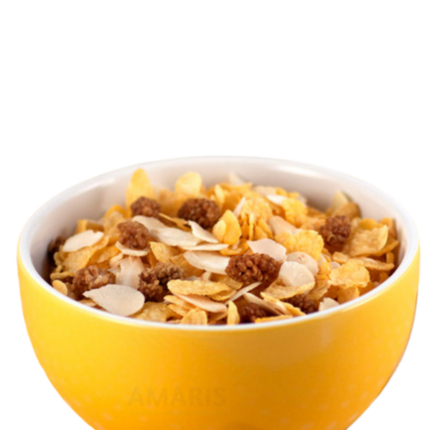
CORN FLAKES WITH HONEY & NUTS
Corn Flakes with Honey & Nuts is a fortified breakfast cereal combining crispy whole grain corn flakes, natural honey sweetness, and real nut pieces (e.g., almonds, hazelnuts). For the dietitian, endocrinologist, and public health professional, it offers a higher energy density and improved nutrient profile compared to plain corn flakes, with the added benefits of healthy fats, plant protein, and fiber from nuts. It supports patients with increased caloric needs, poor appetite, or those requiring glycemic management, and can be used in food assistance programs. For the patient, it provides a satisfying, crunchy, sweet‑but‑balanced breakfast that helps control hunger, supports heart health, and delivers essential vitamins and minerals. While not a substitute for whole foods, it serves as a convenient, shelf‑stable foundation for a nutritious morning meal.
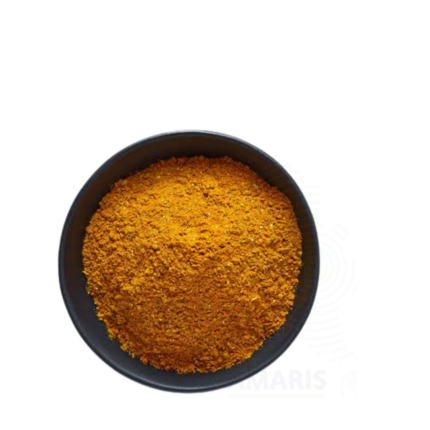
CURRY POWDER
Curry powder is a standardized spice blend, typically yellow to orange in color, containing turmeric, coriander, cumin, fenugreek, black pepper, mustard seeds, chili, ginger, and sometimes cardamom, cinnamon, or cloves. For the nutritionist, gastroenterologist, and primary care physician, it serves as a flavorful, affordable tool to enhance dietary iron absorption, stimulate digestive function, improve appetite in convalescent patients, and provide anti-inflammatory and antioxidant support through curcumin. For the patient, curry powder transforms plain rice, vegetables, legumes, eggs, or meat into a palatable, aromatic, and culturally familiar dish that encourages nutrient intake, reduces post-meal bloating, and makes healthy eating enjoyable. When used as part of a balanced diet, it can contribute to improved nutritional status, digestive comfort, and long-term metabolic health.
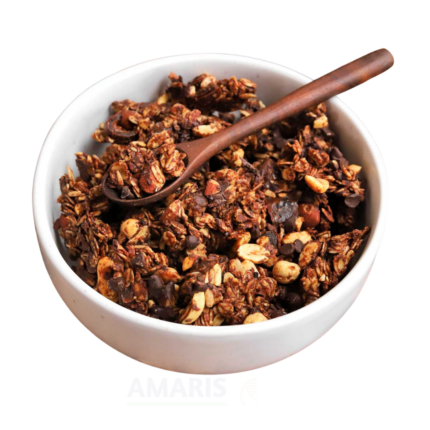
GRANOLA CHOCOLATE & NUTS
Granola Chocolate & Nuts is a baked, oat‑based breakfast cereal containing whole grain oats, nuts, seeds, and chocolate pieces (dark or milk chocolate), providing a rich source of dietary fiber (6‑10 g per serving), healthy fats, plant protein, antioxidants (flavonoids, vitamin E), and essential nutrients. For the gastroenterologist, cardiologist, endocrinologist, and dietitian, it serves as a high‑fiber, heart‑healthy, satiating option to support bowel regularity, lower cholesterol, manage weight, provide antioxidant support, and potentially improve mood. For the patient, it offers a crunchy, versatile, and chocolate‑infused breakfast that can be enjoyed with milk, yogurt, or as a dry snack, promoting digestive wellness, cardiovascular health, and sustained energy throughout the morning while satisfying chocolate cravings in a controlled manner.
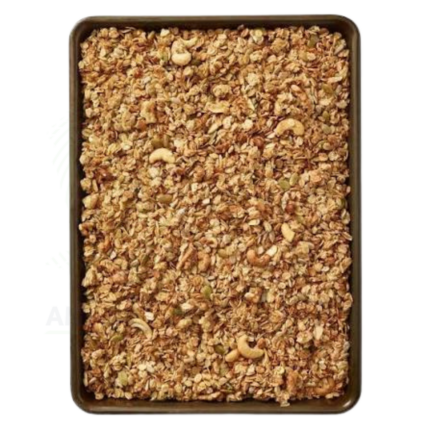
GRANOLA CLASSIC OATS
Granola Classic Oats is a baked, oat‑based breakfast cereal containing whole grain oats, nuts, seeds, and dried fruit, providing a rich source of dietary fiber (5‑8 g per serving), healthy fats, plant protein, and essential nutrients. For the gastroenterologist, cardiologist, endocrinologist, and dietitian, it serves as a high‑fiber, heart‑healthy, satiating option to support bowel regularity, lower cholesterol, manage weight, and improve glycemic control. For the patient, it offers a crunchy, versatile, and satisfying breakfast that can be enjoyed with milk, yogurt, or as a dry snack, promoting digestive wellness, cardiovascular health, and sustained energy throughout the morning.
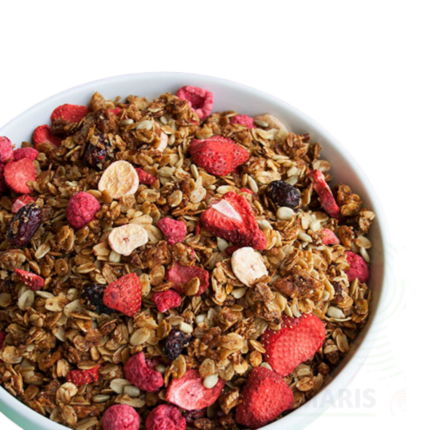
GRANOLA MIXED FRUIT
Granola Mixed Fruit is a baked, oat‑based breakfast cereal containing whole grain oats, nuts, seeds, and a blend of dried mixed fruits (e.g., raisins, cranberries, apricots, dates), providing a rich source of dietary fiber (6‑10 g per serving), healthy fats, plant protein, antioxidants, and essential nutrients. For the gastroenterologist, cardiologist, endocrinologist, and dietitian, it serves as a high‑fiber, heart‑healthy, satiating option to support bowel regularity, lower cholesterol, manage weight, improve glycemic control (with careful portioning), and provide antioxidant support. For the patient, it offers a crunchy, versatile, and naturally sweet breakfast that can be enjoyed with milk, yogurt, or as a dry snack, promoting digestive wellness, cardiovascular health, and sustained energy throughout the morning.