 Atta, Flours & Sooji
 Wheat Atta
 Sooji (Semolina)
 Organic Flours
 Besan (Gram Flour)
 Rice Flour
 Rice & Rice Products
 Rice Cakes
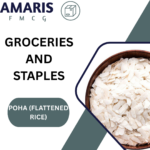 Poha (Flattened Rice)
 Brown & Red Rice
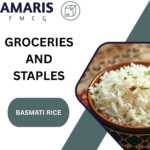 Basmati Rice
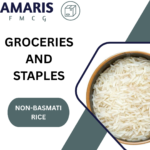 Non-Basmati Rice
 Dals & Pulses
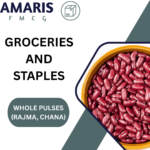 Whole Pulses (Rajma, Chana)
 Masoor Dal
 Chana Dal
 Toor Dal
 Moong Dal
 Edible Oils
 Blended Oils
 Coconut Oil
 Soybean Oil
 Mustard Oil
 Olive Oil
 Sunflower Oil
 Salt, Sugar & Jaggery
 White & Brown Sugar
 Sea Salt & Himalayan Salt
 Table Salt
 Jaggery (Powdered & Block)
 Spices & Seasonings
 Herbs & Seasoning Packets
 Spice Blends (Masalas)
 Whole Spices
 Powdered Spices
 Sauces, Spreads & Condiments
 Honey, Jam & Spreads
 Soy & Chili Sauce
 Chutneys
 Pickles
 Tomato Ketchup
 Mayonnaise & Dressings
 Vinegar
 Dressing Salad
 Sauces / Table Sauces
 Salad Cream
 Breakfast Cereals
 Oats & Muesli
 Granola
 Cornflakes
 Canned & Packaged Foods
 Cream Soups / Tomato Soup
 Tea
Tea Tea Bags
 Herbal & Specialty Tea
 Green Tea
 Black Tea
 Coffee
 Instant Coffee
 Ground Coffee
 Coffee Beans
 Health & Energy Drinks
 Health Supplements Drinks
 Energy Drinks
 Protein Shakes
 Fruit Juices & Drinks
 Coconut Water
 Nectars & Juice Drinks
 100% Juices
 Soft Drinks & Sodas
 Cola
Cola Diet Sodas
 Fruit Sodas
 Lemonade
 Water
Water Sparkling Water
 Packaged Drinking Water
 Flavored Water
 Powdered Drinks
 Drinking Chocolates
 Namkeen & Savory Snacks
 Extruded Snacks
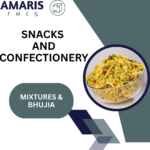 Mixtures & Bhujia
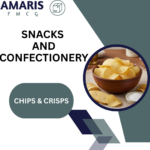 Chips & Crisps
 Biscuits & Cookies
 Cookies
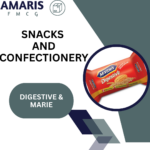 Digestive & Marie
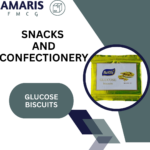 Glucose Biscuits
 Cream Biscuits
 Chocolates & Candies
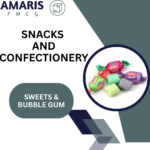 Sweets & Bubble Gum
 Toffees & Hard Candies
 Chocolate Bars
 Boxed Chocolates
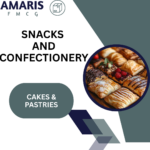 Cakes & Pastries
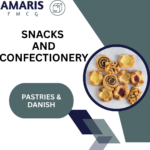 Pastries & Danish
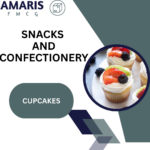 Cupcakes
 Birthday & Celebration Cakes
 Desserts & Ice Cream Toppings
 Caramel & Fruit Toppings
 Chocolate Syrup & Sauce
 Whipped Cream
 Sprinkles & Nuts
 Nuts & Dry Fruits
 Raisins & Apricots
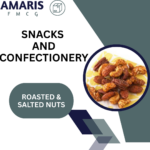 Roasted & Salted Nuts
 Almonds, Cashews, Walnuts
 Milk
Milk Fresh Milk (Full Cream, Toned)
 Flavored Milk
 Butter & Margarine
 Margarine
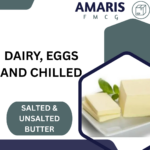 Salted & Unsalted Butter
 Cheese
 Sliced Cheese
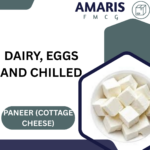 Paneer (Cottage Cheese)
 Cream Cheese & Spreads
 Cheese Blocks (Cheddar, Mozzarella)
 Yogurt & Curd
 Set Curd
 Yogurt Drinks (Lassi, Chaas)
 Greek Yogurt
 Flavored Yogurt
 Cream & Desserts
 Custards & Mousses
 Fresh Cream
 Eggs
Eggs Organic Eggs
 Brown Eggs
 Farm Eggs
 Frozen Vegetables
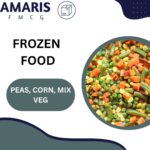 Peas, Corn, Mix Veg
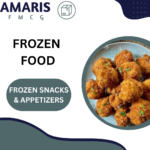 Frozen Snacks & Appetizers
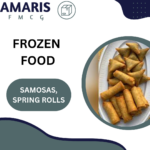 Samosas & Spring Rolls
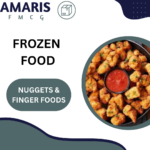 Nuggets & Finger Foods
 Frozen Meat & Poultry
 Frozen Sausages & Hot Dogs
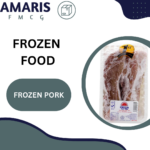 Frozen Pork
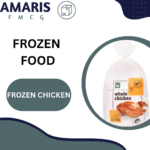 Frozen Chicken
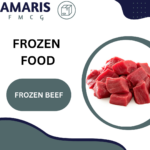 Frozen Beef
 Frozen Meat Blends & Mince
 Frozen Seafood
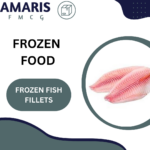 Frozen Fish Fillets
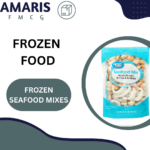 Frozen Seafood Mixes
 Ice Cream & Frozen Desserts
 Sorbets & Gelato
 Ice Cream Tubs
 Ice Cream Bars & Cones
 Oral Care
 Mouthwash
 Toothpaste
 Toothbrushes (Manual & Electric)
 Bath & Body
 Deodorants & Antiperspirants
 Body Lotions & Moisturizers
 Soaps & Body Wash
 Hair Care
 Styling Products (Gel, Wax, Spray)
 Hair Oils
 Shampoo & Conditioner
 Skincare
 Lip Balm
 Moisturizers & Creams
 Face Wash & Cleansers
 Feminine Hygiene
 Tampons
 Sanitary Pads
 Shaving Needs
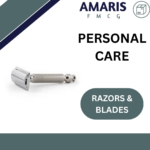 Razors & Blades
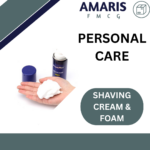 Shaving Cream & Foam
 Vitamins & Supplements
 Multivitamins
 Protein Powder
 Specialty Supplements (Omega-3, Calcium)
 Ayurveda & Herbal
 Herbal Supplements
 Chyawanprash
 Weight Management
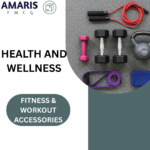 Fitness & Workout Accessories
 Protein Shakes & Powders
 Sports Nutrition
 Energy Bars & Snacks
 Electrolyte & Hydration Drinks
 Sports Multivitamins
 Protein Powders & Shakes
 Dishwashing
 Dishwashing Bars & Liquid
 Dishwasher Detergents
 Laundry
 Fabric Softeners & Whiteners
 Detergent Powder & Liquid
 Detergent Bars
 Floor & Surface Cleaners
 Glass & Mirror Cleaners
 All-Purpose Cleaners
 Floor Cleaners (Liquid, Powder)
 Oven Cleaner
 Polish
 Toilet Cleaners
 Toilet Cleaning Tablets
 Toilet Brush & Cleaner Sets
 Liquid Toilet Cleaners
 Insecticides & Repellents
 Ant & Cockroach Killers
 Mosquito Repellents (Coils, Mats, Sprays)
 Air Fresheners & Fragrances
 Car Air Fresheners
 Essential Oils & Diffusers
 Plug-In Air Fresheners
 Scented Candles
 Room Sprays
 Paper Products
 Tissues & Napkins
 Kitchen Towels
 Toilet Paper
 Household Cleaning Products
 Kitchen & Surface Cleaners
 Kitchen & Dishwashing
 Gloves
 Baby Food & Formula
 Cereals & Purees
 Infant Formula
 Diapers & Wipes
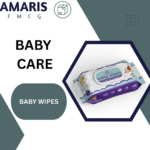 Baby Wipes
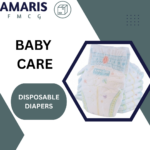 Disposable Diapers
 Baby Bath & Skincare
 Diaper Rash Cream
 Baby Soap & Shampoo
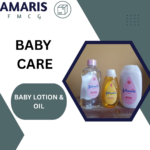 Baby Lotion & Oil
 Dog Food
 Dry Dog Food
 Dog Treats
 Wet Dog Food
 Pet Grooming
 Shampoos & Conditioners
 Brushes & Combs
 Flea & Tick Control
 Grooming Tools & Kits
 Pet Accessories
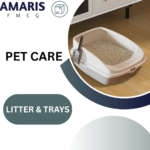 Litter & Trays (for cats)
 Collars & Leashes
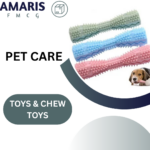 Toys & Chew Toys
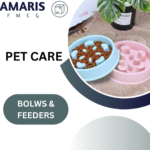 Bowls & Feeders
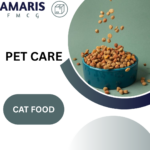 Cat Food
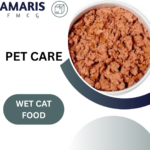 Wet Cat Food
 Cat Treats
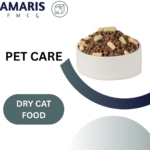 Dry Cat Food
 Organic Products
 Organic Beverages
 Organic Supplements
 Organic Food & Snacks
 Gluten-Free
 Gluten-Free Beverages
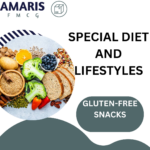 Gluten-Free Snacks
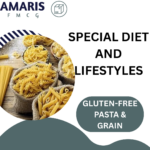 Gluten-Free Pasta & Grains
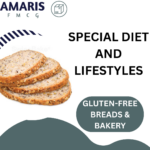 Gluten-Free Breads & Bakery
 Vegan Products
 Vegan Supplements
 Vegan Food & Snacks
 Vegan Beverages
 Sugar-Free & No Added Sugar
 Sugar-Free Beverages
 Sugar-Free Snacks
 Sugar-Free Desserts & Sweets
 Keto-Friendly
 Keto Beverages
 Keto Supplements
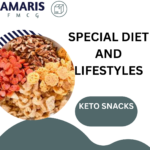 Keto Snacks
 Diabetic-Friendly
 Diabetic-Friendly Supplements
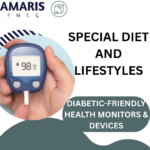 Diabetic-Friendly Health Monitors & Devices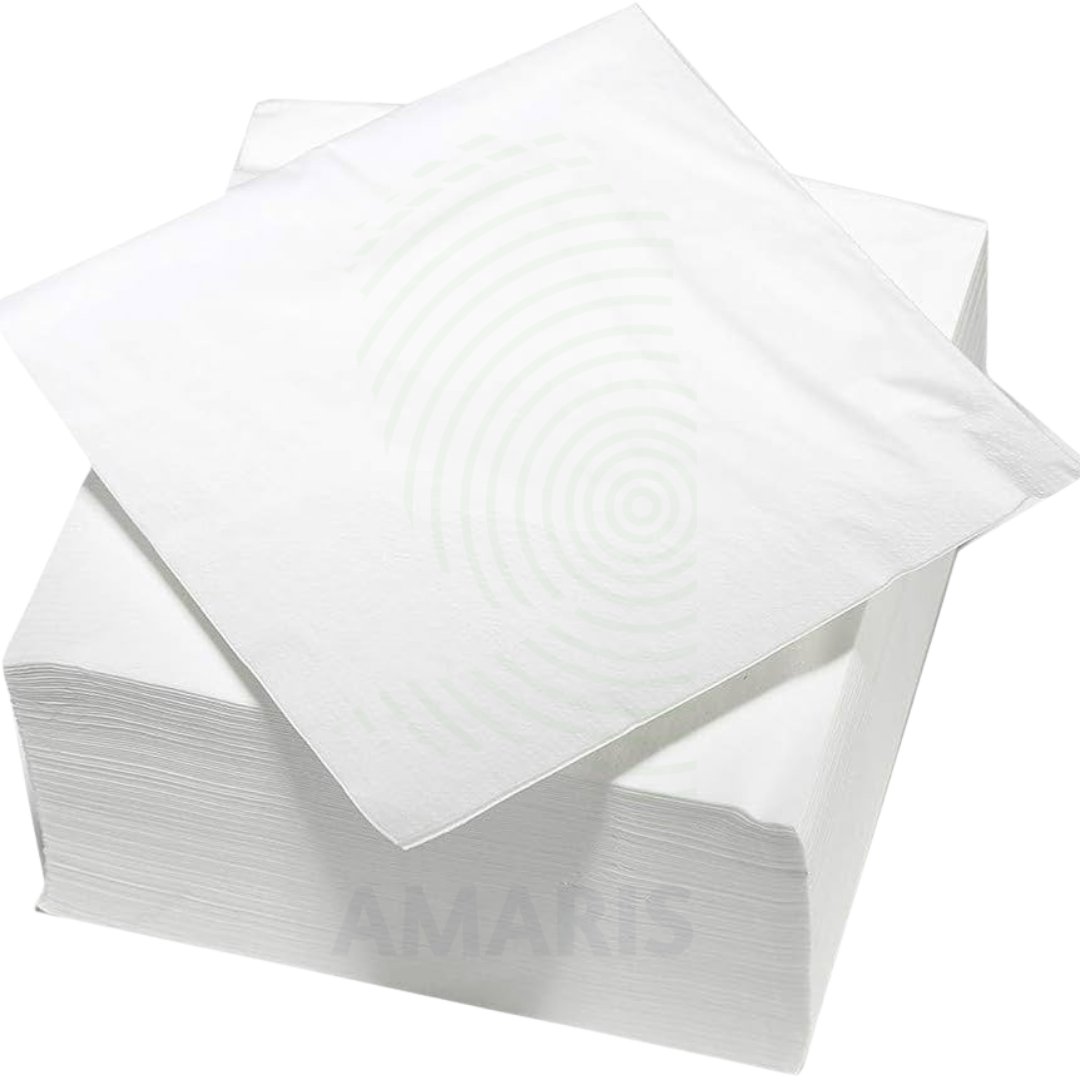
PAPER SERVIETTES
Paper Serviettes (or paper napkins) are a convenient, disposable paper product used for personal hygiene during meals. They help prevent mess and are widely used across homes, restaurants, and healthcare environments. Standard sizes include lunch and dinner varieties, and they are available in a wide range of colours and patterns to suit any setting . High-quality options are often 2-ply for increased strength and absorbency . Many modern serviettes are now made from FSC-certified paper and are fully recyclable, supporting environmental sustainability .
PAPER SERVIETTES
PRIMARY USES
1. Practical and Hygienic Hand and Face Wiping for Dining
Primary Use: Provides disposable paper sheets for diners to clean their hands, fingers, and lips during and after meals, helping to maintain personal hygiene and prevent mess from sauces and spills.
How it helps: For healthcare settings, hospitality environments, and patients, paper serviettes offer a cost-effective and hygienic way to manage spills, drips, and food residue during mealtimes. As a single-use product, they eliminate the cross-contamination risk associated with reusable cloth napkins. This is a practical and efficient solution for busy environments like hospital wards, care facilities, and cafes, supporting a clean and comfortable dining experience.
SECONDARY USES
1. Spill management and general cleanup: The absorbent nature of paper serviettes makes them effective for quickly soaking up small spills, wiping down surfaces, or protecting clothing from stains.
2. Event and party décor: Available in a wide range of colours and patterns, serviettes can be a decorative element for parties, weddings, and themed events, complementing the table setting.
3. Food preparation and service: Used as a barrier for handling hot items or for wrapping sandwiches and snacks for takeaway service .
1. BASIC IDENTIFICATION ATTRIBUTES
-
Device Type: Disposable paper napkin/serviette; not a medical device
-
Brand Examples: Tork, Chinet, BioPak, Poppies, Talking Tables
-
Typical Sizes: Lunch (approx. 32-33cm unfolded), Dinner (approx. 40cm unfolded), Cocktail (smaller)
-
Material: Paper (virgin pulp, recycled pulp, or sustainable sources)
-
Ply: 1-ply, 2-ply (common for improved absorbency), 3-ply (premium)
-
Colours: White, cream/buttermilk, and a wide variety of coloured options
-
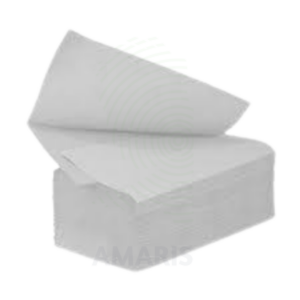
Folding Types: 1/4 fold, 1/6 fold, 1/8 fold, dispenser fold, etc.
2. TECHNICAL & PERFORMANCE PROPERTIES
-
Primary Action: Wiping and absorbing liquids and food residue
-
Absorbency: Varies by ply and material; 2-ply options provide better absorbency
-
Strength: Designed to be durable and resist tearing during use, with premium "linen-feel" options providing enhanced strength
-
Material Features: Many products are FSC-certified, biodegradable, and fully recyclable, and can be composted
3. PHYSICAL & OPERATIONAL PROPERTIES
-
Preparation: Ready to use.
-
Usage Instructions: Remove from packaging for use. Standard usage includes wiping hands, face, and surfaces.
-
Storage Conditions: Store in a clean, dry area away from moisture to maintain product integrity.
-
Disposal: Most paper serviettes are recyclable or biodegradable and can be disposed of in general waste or composted as per local regulations .
4. SAFETY & COMPLIANCE ATTRIBUTES
-
Flammability: Cellulose-based material is combustible. Store away from heat or open flames.
-
Plumbing Compatibility: While biodegradable, avoid flushing large quantities to prevent blockages.
-
Food Safety: Available in food-grade material, suitable for contact with food .
-
Recycling: Look for FSC-certified or EU Ecolabel products for responsible sourcing .
1. SAFETY PRECAUTIONS
-
Plastic bag suffocation hazard: Keep plastic packaging away from babies, young children, and individuals with cognitive impairments.
-
Combustible material: Will burn if subject to excessive heat or flame. Store away from any source of ignition.
-
Plumbing compatibility: While biodegradable, avoid flushing large quantities at once to prevent plumbing blockages. Dispose of in waste bins if necessary.
-
Hygiene maintenance: Store in a clean, dry area away from moisture to maintain product integrity.
2. FIRST AID MEASURES
-
Ingestion: If a small amount of tissue is accidentally swallowed, it typically passes through the digestive system without issue. If large amounts are consumed or if choking, gagging, or difficulty breathing occurs, seek medical attention immediately.
-
Eye contact: If tissue fibres contact the eye, rinse immediately with plenty of clean, lukewarm water. Seek medical advice if irritation persists.
-
Suffocation: If packaging is placed over the mouth or nose, remove immediately and seek emergency medical attention if breathing difficulties persist.
3. FIRE FIGHTING MEASURES
-
Flammability: Cellulose-based tissue is combustible. Will burn if exposed to open flame.
-
Extinguishing Media: Use water jets or fog, foam, dry chemical, or carbon dioxide (CO₂).
-
Fire Response: Firefighters should wear personal protection and self-contained breathing apparatus for fires involving chemicals or in confined spaces. Do not allow product to enter drains or waterways.
Related products
ACTION BROOM (3ACTION)
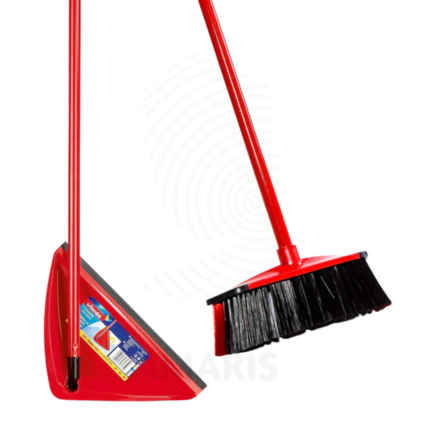
Action Broom (3Action) is an indoor floor sweeping tool featuring three fibre types in one brush head: black ultra-thin fibres for fine dust, silver tufts for larger particles and pet hair, and red angled bristles for precise corner cleaning . Suitable for laminate, tiles, wood, PVC, and vinyl without scratching . The eco-friendly broom head is made from 100% recycled PET with built-in rubber bumpers to protect furniture . Available with a fixed handle or compatible with telescopic rods . Lightweight design reduces user fatigue . Ideal for clinical, commercial, and domestic environments.
BAKING PAPER
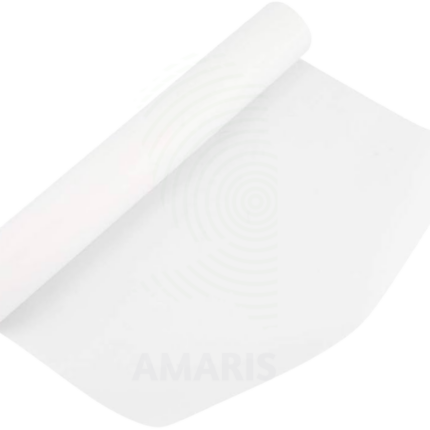
Baking paper, also known as parchment paper, is a versatile, heat-resistant cellulose paper used in cooking and baking . It is commonly coated with silicone, which gives it a non-stick, greaseproof, and moisture-proof surface . It is safe for use in ovens, microwaves, and freezers, typically withstanding temperatures up to 215-230°C (420-450°F) . It eliminates the need for greasing pans, ensures easy food release, and simplifies cleanup . It is ideal for lining baking trays, cooking en papillote, and can also be used for wrapping food, rolling dough, and as a surface protector . Not to be confused with wax paper, which is not heat-resistant. Compostable and often FSC-certified. Warning: Keep away from direct flames and oven heating elements. Do not use in ovens exceeding the manufacturer's recommended temperature.
BARREL CENTERPULL TOWELS
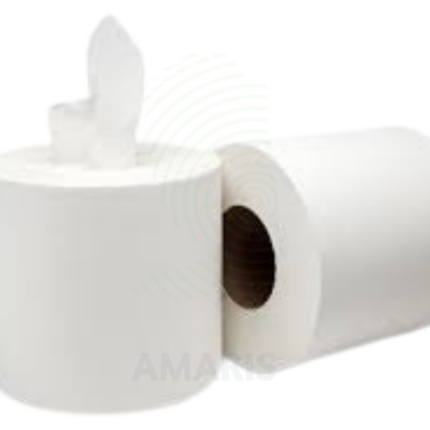
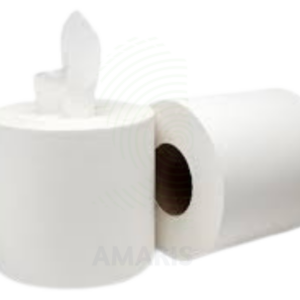
Barrel Centerpull Towels are a high-capacity, hygienic paper towel system for commercial environments. Designed for compatible dispensers that offer one-at-a-time, touch-free dispensing, these rolls help minimise cross-contamination and reduce waste . They are available in various sizes and ply counts, with common rolls offering 275, 600, 700, or even 1,000 single-use towels per roll . Made from 100% recycled fibre and virgin pulp options, they are ideal for healthcare, offices, schools, and other high-traffic facilities requiring a reliable and sanitary hand-drying solution . Warning: Keep plastic packaging away from children.
CLASSIC COTTON REFILL
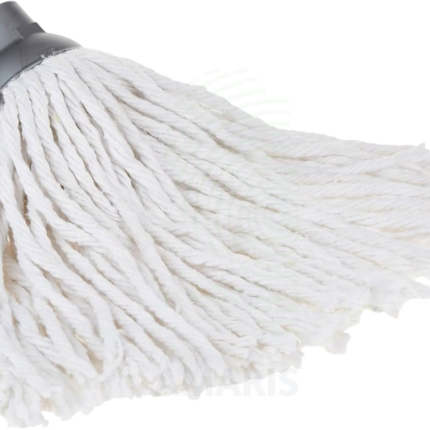
Classic Cotton Refill is a replacement mop head designed for classic cotton mop systems, made from highly absorbent cotton strands for effective dirt pick-up and moisture absorption on smooth and lightly structured hard floors. The twist-on or screw head design allows for easy, tool-free replacement . The refill is machine washable at up to 60°C for hygiene maintenance and extended use . Available in 8 oz. and 12 oz. sizes . Compatible with classic cotton mop handles and bucket wringer systems .
INDOOR BROOM
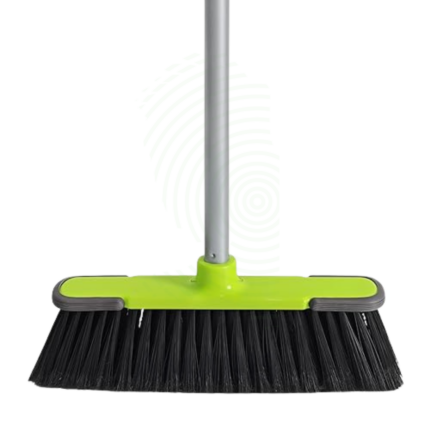
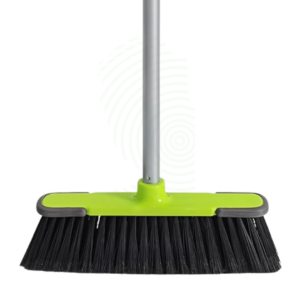
Indoor Broom is a lightweight sweeping tool with thinner brush hairs designed for interior floor surfaces, featuring flagged bristles that trap dust and debris effectively. The angled brush head reaches corners and under furniture, with soft, dense bristles for a thorough sweep. Models include rubber bumpers to protect walls and furniture, anti-static effects for dust control, and plastic-coated steel handles for durability and comfort. Suitable for tile, wood, vinyl, and concrete floors. Ideal for clinical, commercial, and domestic environments.
MEDI-SPREAD ROLL
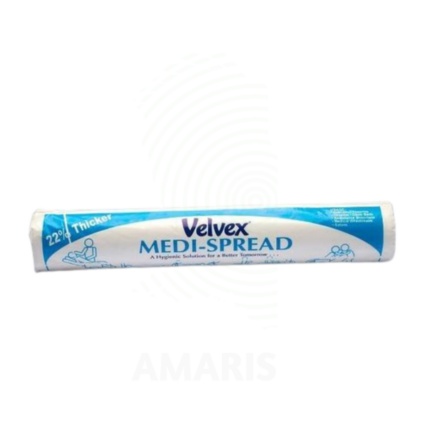
Medi-Spread Roll is a premium-grade examination couch paper designed for hygienic patient protection in clinical, medical, and therapeutic settings. Manufactured from high-quality, absorbent paper, it is soft, durable, and provides a comfortable, clean barrier between patients and examination surfaces. Available in standard widths (e.g., 40-80cm) and various sheet counts per roll (e.g., 500, 750, or 1500 sheets). Suitable for use in GP surgeries, hospitals, physiotherapy clinics, and first-aid stations. Warning: Keep plastic packaging away from children. Do not flush large quantities of paper to prevent plumbing blockages.
OUTDOOR BROOM
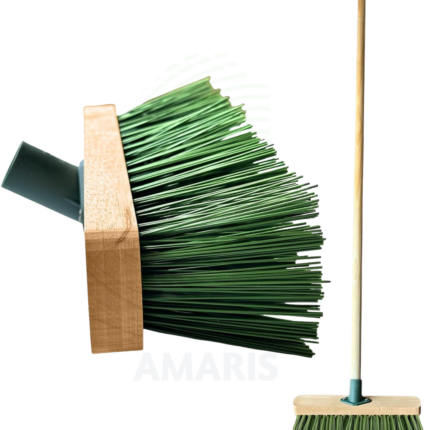
Outdoor Broom is a heavy-duty sweeping tool with stiff, durable bristles designed for patios, driveways, garages, decks, and sidewalks. The wide brush head (33-45cm) and long ergonomic handle (120-157cm) provide efficient area coverage and reduce back strain, while the 45-degree angled design allows access to corners and under obstacles. The robust synthetic bristles shift dirt, leaves, gravel, sand, and snow from concrete, paving, and other rough surfaces. Built with water-resistant materials and durable handles, it withstands regular use in all weather conditions.
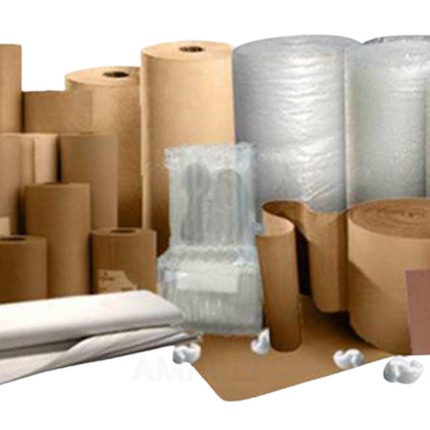
PACKAGING MATERIALS
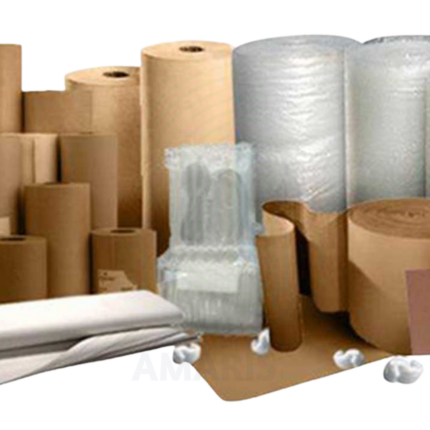
Packaging Materials encompass a wide array of products designed to protect, contain, and identify goods. Common types include corrugated boxes (available in a range of sizes like 40x30x10cm, often with weight capacities up to 25kg), folding cartons (customisable in size, shape, and print for retail presentation) , and flexible pouches (available as stand-up, flat, or roll formats). Specialised medical packaging includes sterile pouches and reel stock, low-particle polypropylene trays for vials (e.g., 360x230mm, holding 16mm to 47mm vials) , and ampoule boxes (holding 5 or 10 ampoules of 1ml to 10ml sizes)).These materials can be made from various substances like corrugated fibreboard, paperboard, polypropylene, and multi-layer films to meet specific protection, sterility, and compliance requirements . Contains sharp edges on metal or rigid plastic components. Keep away from moisture.