
 Atta, Flours & Sooji
 Wheat Atta
 Sooji (Semolina)
 Organic Flours
 Besan (Gram Flour)
 Rice Flour
 Rice & Rice Products
 Rice Cakes
 Poha (Flattened Rice)
 Brown & Red Rice
 Basmati Rice
 Non-Basmati Rice
 Dals & Pulses
 Whole Pulses (Rajma, Chana)
 Masoor Dal
 Chana Dal
 Toor Dal
 Moong Dal
 Edible Oils
 Blended Oils
 Coconut Oil
 Soybean Oil
 Mustard Oil
 Olive Oil
 Sunflower Oil
 Salt, Sugar & Jaggery
 White & Brown Sugar
 Sea Salt & Himalayan Salt
 Table Salt
 Jaggery (Powdered & Block)
 Spices & Seasonings
 Herbs & Seasoning Packets
 Spice Blends (Masalas)
 Whole Spices
 Powdered Spices
 Sauces, Spreads & Condiments
 Honey, Jam & Spreads
 Soy & Chili Sauce
 Chutneys
 Pickles
 Tomato Ketchup
 Mayonnaise & Dressings
 Breakfast Cereals
 Oats & Muesli
 Granola
 Cornflakes
 Tea
Tea Tea Bags
 Herbal & Specialty Tea
 Green Tea
 Black Tea
 Coffee
 Instant Coffee
 Ground Coffee
 Coffee Beans
 Health & Energy Drinks
 Health Supplements Drinks
 Energy Drinks
 Protein Shakes
 Fruit Juices & Drinks
 Coconut Water
 Nectars & Juice Drinks
 100% Juices
 Soft Drinks & Sodas
 Cola
Cola Diet Sodas
 Fruit Sodas
 Lemonade
 Water
Water Sparkling Water
 Packaged Drinking Water
 Flavored Water
 Namkeen & Savory Snacks
 Extruded Snacks
 Mixtures & Bhujia
 Chips & Crisps
 Biscuits & Cookies
 Cookies
 Digestive & Marie
 Glucose Biscuits
 Cream Biscuits
 Chocolates & Candies
 Sweets & Bubble Gum
 Toffees & Hard Candies
 Chocolate Bars
 Boxed Chocolates
 Cakes & Pastries
 Pastries & Danish
 Cupcakes
 Birthday & Celebration Cakes
 Desserts & Ice Cream Toppings
 Caramel & Fruit Toppings
 Chocolate Syrup & Sauce
 Whipped Cream
 Sprinkles & Nuts
 Nuts & Dry Fruits
 Raisins & Apricots
 Roasted & Salted Nuts
 Almonds, Cashews, Walnuts
 Milk
Milk Fresh Milk (Full Cream, Toned)
 Flavored Milk
 Butter & Margarine
 Margarine
 Salted & Unsalted Butter
 Cheese
 Sliced Cheese
 Paneer (Cottage Cheese)
 Cream Cheese & Spreads
 Cheese Blocks (Cheddar, Mozzarella)
 Yogurt & Curd
 Set Curd
 Yogurt Drinks (Lassi, Chaas)
 Greek Yogurt
 Flavored Yogurt
 Cream & Desserts
 Custards & Mousses
 Fresh Cream
 Eggs
Eggs Organic Eggs
 Brown Eggs
 Farm Eggs
 Frozen Vegetables
 Peas, Corn, Mix Veg
 Frozen Snacks & Appetizers
 Samosas & Spring Rolls
 Nuggets & Finger Foods
 Frozen Meat & Poultry
 Frozen Sausages & Hot Dogs
 Frozen Pork
 Frozen Chicken
 Frozen Beef
 Frozen Meat Blends & Mince
 Frozen Seafood
 Frozen Fish Fillets
 Frozen Seafood Mixes
 Ice Cream & Frozen Desserts
 Sorbets & Gelato
 Ice Cream Tubs
 Ice Cream Bars & Cones
 Oral Care
 Mouthwash
 Toothpaste
 Toothbrushes (Manual & Electric)
 Bath & Body
 Deodorants & Antiperspirants
 Body Lotions & Moisturizers
 Soaps & Body Wash
 Hair Care
 Styling Products (Gel, Wax, Spray)
 Hair Oils
 Shampoo & Conditioner
 Skincare
 Lip Balm
 Moisturizers & Creams
 Face Wash & Cleansers
 Feminine Hygiene
 Tampons
 Sanitary Pads
 Shaving Needs
 Razors & Blades
 Shaving Cream & Foam
 Vitamins & Supplements
 Multivitamins
 Protein Powder
 Specialty Supplements (Omega-3, Calcium)
 Ayurveda & Herbal
 Herbal Supplements
 Chyawanprash
 Weight Management
 Fitness & Workout Accessories
 Protein Shakes & Powders
 Sports Nutrition
 Energy Bars & Snacks
 Electrolyte & Hydration Drinks
 Sports Multivitamins
 Protein Powders & Shakes
 Dishwashing
 Dishwashing Bars & Liquid
 Dishwasher Detergents
 Laundry
 Fabric Softeners & Whiteners
 Detergent Powder & Liquid
 Detergent Bars
 Floor & Surface Cleaners
 Glass & Mirror Cleaners
 All-Purpose Cleaners
 Floor Cleaners (Liquid, Powder)
 Toilet Cleaners
 Toilet Cleaning Tablets
 Toilet Brush & Cleaner Sets
 Liquid Toilet Cleaners
 Insecticides & Repellents
 Ant & Cockroach Killers
 Mosquito Repellents (Coils, Mats, Sprays)
 Air Fresheners & Fragrances
 Car Air Fresheners
 Essential Oils & Diffusers
 Plug-In Air Fresheners
 Scented Candles
 Room Sprays
 Paper Products
 Tissues & Napkins
 Kitchen Towels
 Toilet Paper
 Baby Food & Formula
 Cereals & Purees
 Infant Formula
 Diapers & Wipes
 Baby Wipes
 Disposable Diapers
 Baby Bath & Skincare
 Diaper Rash Cream
 Baby Soap & Shampoo
 Baby Lotion & Oil
 Dog Food
 Dry Dog Food
 Dog Treats
 Wet Dog Food
 Pet Grooming
 Shampoos & Conditioners
 Brushes & Combs
 Flea & Tick Control
 Grooming Tools & Kits
 Pet Accessories
 Litter & Trays (for cats)
 Collars & Leashes
 Toys & Chew Toys
 Bowls & Feeders
 Cat Food
 Wet Cat Food
 Cat Treats
 Dry Cat Food
 Organic Products
 Organic Beverages
 Organic Supplements
 Organic Food & Snacks
 Gluten-Free
 Gluten-Free Beverages
 Gluten-Free Snacks
 Gluten-Free Pasta & Grains
 Gluten-Free Breads & Bakery
 Vegan Products
 Vegan Supplements
 Vegan Food & Snacks
 Vegan Beverages
 Sugar-Free & No Added Sugar
 Sugar-Free Beverages
 Sugar-Free Snacks
 Sugar-Free Desserts & Sweets
 Keto-Friendly
 Keto Beverages
 Keto Supplements
 Keto Snacks
 Diabetic-Friendly
 Diabetic-Friendly Supplements
 Diabetic-Friendly Health Monitors & Devices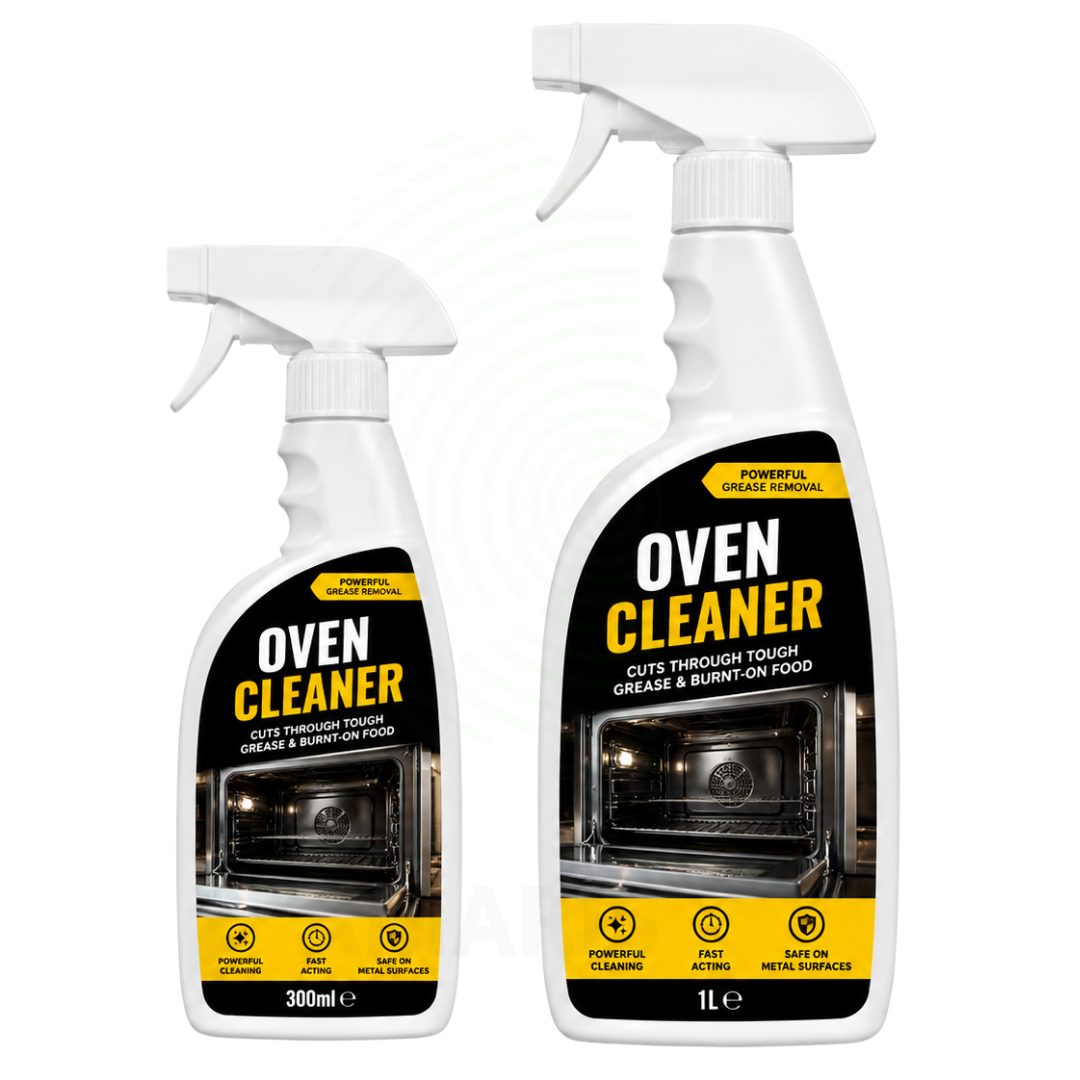
OVEN CLEANER
WhatsApp Order
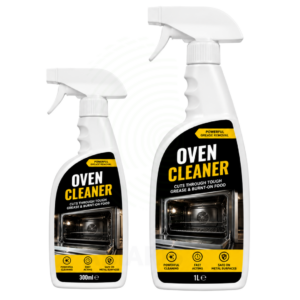
Oven Cleaner is a highly alkaline, heavy-duty degreaser formulated to dissolve baked-on grease, carbon deposits, and burnt-on food from ovens, grills, and cooking equipment in healthcare and commercial kitchens. The gel-like consistency clings to vertical surfaces for maximum contact time. Suitable for use on stainless steel, steel, copper, porcelain, enamel, and chromium-plated materials; use with caution on aluminium. Causes severe skin burns and eye damage. May be corrosive to metals. Wear protective gloves and eye protection. Do not mix with other cleaning products. Keep out of reach of children.
Description
OVEN CLEANER
PRIMARY USES
1. Heavy-Duty Degreasing for Commercial and Clinical Kitchens
Primary Use: Provides a powerful alkaline cleaner formulated to dissolve and remove baked-on grease, carbonised oil, and burnt-on food deposits from ovens, grills, roasters, burners, and cooking equipment in healthcare, catering, and food preparation environments.
How it helps: For healthcare kitchen staff and environmental services teams, maintaining hygienic cooking equipment is essential for food safety and infection prevention. The highly alkaline formula (often pH 14) effectively breaks down polymerised fats and carbon deposits that standard detergents cannot remove. The gel-like consistency clings to vertical surfaces, providing prolonged contact time for maximum cleaning efficacy. For the kitchen team, this means efficient, thorough cleaning of heavy-duty cooking equipment with reduced scrubbing effort.
SECONDARY USES
1. Versatile application across multiple kitchen surfaces: Suitable for cleaning ovens, grills, hoods, roasters, deep-fat fryers, bain-maries, and other catering equipment, with some formulations safe for use on stainless steel, steel, copper, porcelain, enamel, and chromium-plated materials.
2. Daily maintenance cleaning: Recommended for daily washing of grills, ovens, and extraction hoods to prevent the build-up of grease and carbon deposits, helping maintain equipment performance and hygiene.
3. Surface protection for metal equipment: Some formulations contain ingredients that help protect metal surfaces against corrosion, extending the life of kitchen equipment.
KEY PRODUCT FEATURES
1. BASIC IDENTIFICATION ATTRIBUTES
-
Device Type: Heavy-duty alkaline degreaser; not a medical device
-
Format: Ready-to-use liquid or gel
-
Key Ingredients: Potassium hydroxide, sodium metasilicate, surfactants, corrosion inhibitors
-
pH: Typically, pH 14 (strongly alkaline)
-
Key Features: Cling formula, grease-cutting, carbon deposit removal, corrosion protection (select variants), suitable for healthcare kitchens
2. TECHNICAL & PERFORMANCE PROPERTIES
-
Primary Action: Alkaline formula hydrolyses and emulsifies baked-on fats and carbon deposits
-
Surfaces: Ovens, grills, roasters, hoods, burners, cooking equipment
-
Surface Compatibility: Stainless steel, steel, copper, porcelain, enamel, chromium-plated materials; use with caution on aluminium
-
Contact Time: 10 minutes to 1 hour depending on deposit severity
-
Rinsing: Rinse thoroughly with water after cleaning
3. PHYSICAL & OPERATIONAL PROPERTIES
-
Application: Spray or apply to cool or warm surface; allow to dwell; scrub if necessary; wipe clean and rinse thoroughly
-
Storage: Store in a cool, dry place away from incompatible substances
-
Pack Sizes: 500ml, 1L, 5L, and institutional sizes
4. SAFETY & COMPLIANCE ATTRIBUTES
-
Hazard Classification: Causes severe skin burns and eye damage; causes serious eye damage; may be corrosive to metals
-
Hazard Statements: H314 – Causes severe skin burns and eye damage; H318 – Causes serious eye damage; H290 – May be corrosive to metals
-
Precautionary Statements: Wear protective gloves, protective clothing, eye protection, and face protection. IF IN EYES: Rinse cautiously with water for several minutes. Remove contact lenses if present and easy to do. Continue rinsing. Immediately call a POISON CENTER or doctor . IF ON SKIN: Take off immediately all contaminated clothing. Rinse skin with water/shower . IF SWALLOWED: Rinse mouth. Do NOT induce vomiting .
-
Regulatory: Meets safety standards for healthcare and food preparation environments
SAFETY HANDLING PRECAUTIONS
1. SAFETY PRECAUTIONS
-
Corrosive hazard: Oven cleaner causes severe skin burns and eye damage. Wear protective gloves, protective clothing, eye protection, and face protection when handling .
-
Do not mix with other products: Never mix oven cleaner with acids, bleach, ammonia, or other household cleaners. This may release dangerous gases or cause violent reactions.
-
Ingestion hazard: If swallowed, do not induce vomiting. Rinse mouth. Immediately call a POISON CENTER or doctor .
-
Eye contact: In case of eye contact, rinse cautiously with water for several minutes. Remove contact lenses if present and easy to do. Continue rinsing. Immediately call a POISON CENTER or doctor .
-
Skin contact: In case of skin contact, take off immediately all contaminated clothing. Rinse skin with water/shower .
-
Surface compatibility: May be corrosive to metals . Use with caution on aluminium . Test on a small, inconspicuous area before full application on unfamiliar surfaces.
-
Children: Keep out of reach of children at all times .
-
Storage: Store locked up in a cool, dry place away from incompatible substances. Keep container tightly closed.
-
Disposal: Dispose of contents and container to properly labelled waste containers in accordance with national regulations .
2. FIRST AID MEASURES
-
Eye Contact: Rinse cautiously with water for several minutes. Remove contact lenses if present and easy to do. Continue rinsing. Immediately call a POISON CENTER or doctor .
-
Skin Contact: Take off immediately all contaminated clothing. Rinse skin with water/shower . Wash contaminated clothing before reuse.
-
Ingestion: Rinse mouth. Do NOT induce vomiting. Immediately call a POISON CENTER or doctor .
-
Inhalation: Move person to fresh air. If breathing difficulties persist, seek medical attention.
-
Notes to Physician: Product is corrosive. Use of gastric lavage or emesis is contraindicated. Possible perforation of stomach or oesophagus should be investigated.
3. FIRE FIGHTING MEASURES
-
Flammability: Oven cleaner is non-flammable. However, during a fire, irritating and toxic gases may be generated by thermal decomposition.
-
Extinguishing Media: Use agent most appropriate to extinguish surrounding fire. Water spray, foam, dry chemical powder, or carbon dioxide (CO₂).
-
Fire Response: Firefighters should wear self-contained breathing apparatus (SCBA) and full protective gear. Use water spray to cool exposed containers.
Related products

ACTION BROOM (3ACTION)
Action Broom (3Action) is an indoor floor sweeping tool featuring three fibre types in one brush head: black ultra-thin fibres for fine dust, silver tufts for larger particles and pet hair, and red angled bristles for precise corner cleaning . Suitable for laminate, tiles, wood, PVC, and vinyl without scratching . The eco-friendly broom head is made from 100% recycled PET with built-in rubber bumpers to protect furniture . Available with a fixed handle or compatible with telescopic rods . Lightweight design reduces user fatigue . Ideal for clinical, commercial, and domestic environments.

BROOM SET
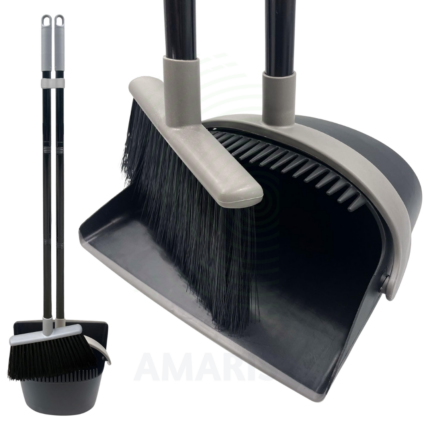
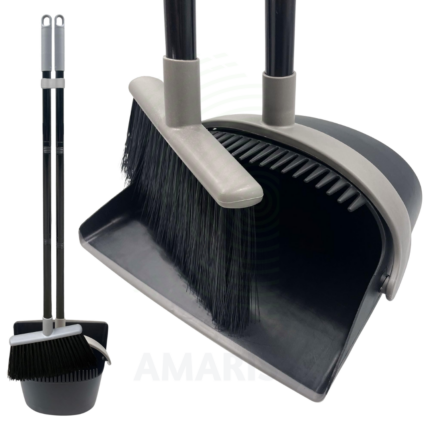
Broom Set is a complete cleaning kit combining a broom and a dustpan for efficient floor sweeping. It is available in various sizes from full-length sets for homes and offices to mini sets for desks, cars, and pet messes . Key features include durable materials like stainless steel, PP, and nylon , ergonomic long handles , and a dustpan with a comb for removing hair and pet fur . The broom often clips to the dustpan for upright, space-saving storage . Ideal for all floor types.
GLITZI CRYSTAL SPONGE
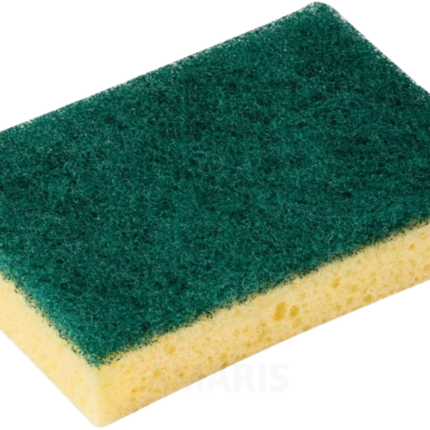
Glixi Crystal Sponge is a durable two-sided cleaning sponge with a high-foam yellow side for gentle cleaning and a black abrasive scouring pad for stubborn dried dirt on pots, pans, and kitchen surfaces. The abrasive side inhibits over 99.9% of bacterial growth for hygienic cleaning. The practical design protects hands and nails during use. Suitable for dishes, kitchen surfaces, sinks, bathroom tiles, and cookware. Available in multi-piece value packs.
SCOURER TIP TOP
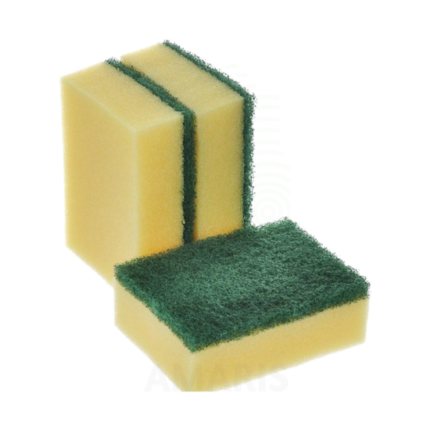
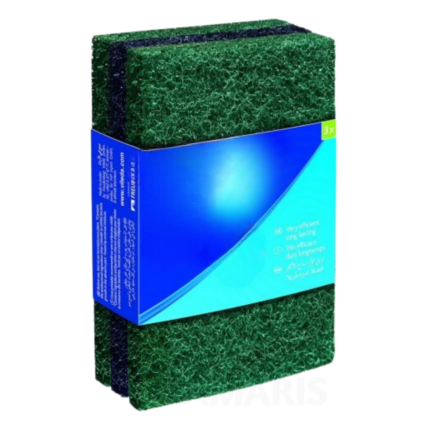
Scourer Tip Top is a durable dual-sided kitchen sponge scourer combining a soft foam backing for rich lather and a high-quality abrasive layer for removing stubborn dirt and baked-on food from dishes, pots, and pans . The antibacterial abrasive side helps inhibit bacterial growth for hygienic cleaning . Easy to rinse, wring, and reuse, the sponge features a long-lasting construction with special adhesion technology that prevents peeling or crumbling . Available in 3 and 5-piece packs for everyday kitchen use . Safe on most surfaces, but test on delicate items first .
SUPERMOTION BUCKET
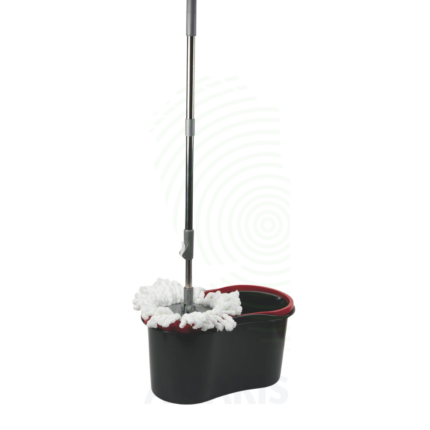
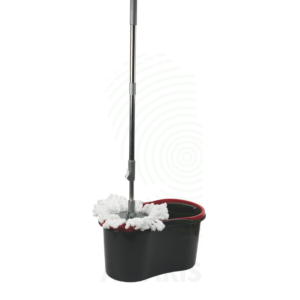
SuperMotion Bucket is a complete mopping system designed for efficient floor cleaning in clinical and commercial environments. Features a durable bucket with an integrated wringer mechanism for controlled moisture removal, reducing slip hazards and ensuring optimal cleaning results. Lightweight design (0.7kg) with dimensions 385mm height x 385mm depth x 280mm width . Suitable for healthcare facilities, offices, and industrial cleaning applications. Colour: Blue.
SUPERMOTION REFILL
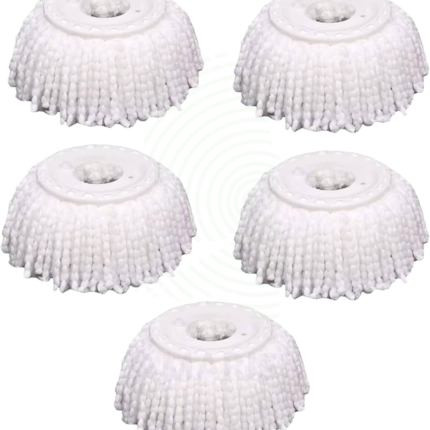
SuperMotion Refill is a replacement component for the SuperMotion cleaning system, designed for floor washing or maintenance. It ensures optimal performance and hygiene by allowing the reusable handle or mechanism to be used with a fresh cleaning head. Specific version details (mop head, pad, or polish applicator) should be confirmed by checking the packaging to ensure compatibility with the existing tool.
ULTRA FRESH FAN SCOURER
Vileda Ultra Fresh Fan Scourer is a dual-sided antibacterial sponge scourer. The abrasive side contains silver ions and the foam contains zinc pyrithione, preventing 99.9% of bacterial growth for hygienic, odour-free cleaning . The highly absorbent synthetic foam tackles liquids effectively, while the flexible, durable abrasive fibre removes stubborn dirt from all surfaces .