
 Atta, Flours & Sooji
 Wheat Atta
 Sooji (Semolina)
 Organic Flours
 Besan (Gram Flour)
 Rice Flour
 Rice & Rice Products
 Rice Cakes
 Poha (Flattened Rice)
 Brown & Red Rice
 Basmati Rice
 Non-Basmati Rice
 Dals & Pulses
 Whole Pulses (Rajma, Chana)
 Masoor Dal
 Chana Dal
 Toor Dal
 Moong Dal
 Edible Oils
 Blended Oils
 Coconut Oil
 Soybean Oil
 Mustard Oil
 Olive Oil
 Sunflower Oil
 Salt, Sugar & Jaggery
 White & Brown Sugar
 Sea Salt & Himalayan Salt
 Table Salt
 Jaggery (Powdered & Block)
 Spices & Seasonings
 Herbs & Seasoning Packets
 Spice Blends (Masalas)
 Whole Spices
 Powdered Spices
 Sauces, Spreads & Condiments
 Honey, Jam & Spreads
 Soy & Chili Sauce
 Chutneys
 Pickles
 Tomato Ketchup
 Mayonnaise & Dressings
 Vinegar
 Dressing Salad
 Sauces / Table Sauces
 Salad Cream
 Breakfast Cereals
 Oats & Muesli
 Granola
 Cornflakes
 Canned & Packaged Foods
 Cream Soups / Tomato Soup
 Tea
Tea Tea Bags
 Herbal & Specialty Tea
 Green Tea
 Black Tea
 Coffee
 Instant Coffee
 Ground Coffee
 Coffee Beans
 Health & Energy Drinks
 Health Supplements Drinks
 Energy Drinks
 Protein Shakes
 Fruit Juices & Drinks
 Coconut Water
 Nectars & Juice Drinks
 100% Juices
 Soft Drinks & Sodas
 Cola
Cola Diet Sodas
 Fruit Sodas
 Lemonade
 Water
Water Sparkling Water
 Packaged Drinking Water
 Flavored Water
 Powdered Drinks
 Drinking Chocolates
 Namkeen & Savory Snacks
 Extruded Snacks
 Mixtures & Bhujia
 Chips & Crisps
 Biscuits & Cookies
 Cookies
 Digestive & Marie
 Glucose Biscuits
 Cream Biscuits
 Chocolates & Candies
 Sweets & Bubble Gum
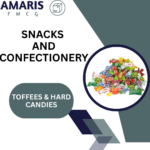 Toffees & Hard Candies
 Chocolate Bars
 Boxed Chocolates
 Cakes & Pastries
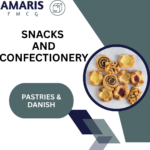 Pastries & Danish
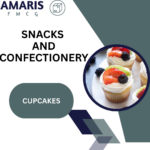 Cupcakes
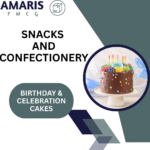 Birthday & Celebration Cakes
 Desserts & Ice Cream Toppings
 Caramel & Fruit Toppings
 Chocolate Syrup & Sauce
 Whipped Cream
 Sprinkles & Nuts
 Nuts & Dry Fruits
 Raisins & Apricots
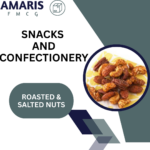 Roasted & Salted Nuts
 Almonds, Cashews, Walnuts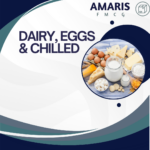
 Milk
Milk Fresh Milk (Full Cream, Toned)
 Flavored Milk
 Butter & Margarine
 Margarine
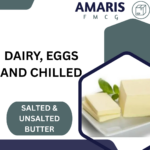 Salted & Unsalted Butter
 Cheese
 Sliced Cheese
 Paneer (Cottage Cheese)
 Cream Cheese & Spreads
 Cheese Blocks (Cheddar, Mozzarella)
 Yogurt & Curd
 Set Curd
 Yogurt Drinks (Lassi, Chaas)
 Greek Yogurt
 Flavored Yogurt
 Cream & Desserts
 Custards & Mousses
 Fresh Cream
 Eggs
Eggs Organic Eggs
 Brown Eggs
 Farm Eggs
 Frozen Vegetables
 Peas, Corn, Mix Veg
 Frozen Snacks & Appetizers
 Samosas & Spring Rolls
 Nuggets & Finger Foods
 Frozen Meat & Poultry
 Frozen Sausages & Hot Dogs
 Frozen Pork
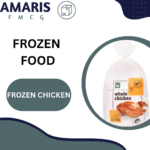 Frozen Chicken
 Frozen Beef
 Frozen Meat Blends & Mince
 Frozen Seafood
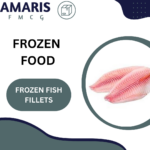 Frozen Fish Fillets
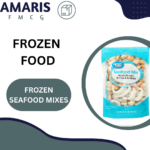 Frozen Seafood Mixes
 Ice Cream & Frozen Desserts
 Sorbets & Gelato
 Ice Cream Tubs
 Ice Cream Bars & Cones
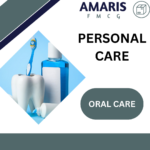 Oral Care
 Mouthwash
 Toothpaste
 Toothbrushes (Manual & Electric)
 Bath & Body
 Deodorants & Antiperspirants
 Body Lotions & Moisturizers
 Soaps & Body Wash
 Hair Care
 Styling Products (Gel, Wax, Spray)
 Hair Oils
 Shampoo & Conditioner
 Skincare
 Lip Balm
 Moisturizers & Creams
 Face Wash & Cleansers
 Feminine Hygiene
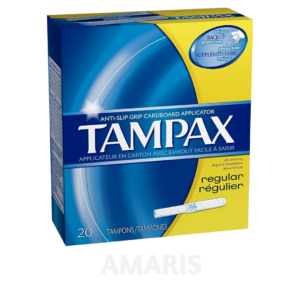
 Tampons
 Sanitary Pads
 Shaving Needs
 Razors & Blades
 Shaving Cream & Foam
 Vitamins & Supplements
 Multivitamins
 Protein Powder
 Specialty Supplements (Omega-3, Calcium)
 Ayurveda & Herbal
 Herbal Supplements
 Chyawanprash
 Weight Management
 Fitness & Workout Accessories
 Protein Shakes & Powders
 Sports Nutrition
 Energy Bars & Snacks
 Electrolyte & Hydration Drinks
 Sports Multivitamins
 Protein Powders & Shakes
 Dishwashing
 Dishwashing Bars & Liquid
 Dishwasher Detergents
 Laundry
 Fabric Softeners & Whiteners
 Detergent Powder & Liquid
 Detergent Bars
 Floor & Surface Cleaners
 Glass & Mirror Cleaners
 All-Purpose Cleaners
 Floor Cleaners (Liquid, Powder)
 Oven Cleaner
 Polish
 Toilet Cleaners
 Toilet Cleaning Tablets
 Toilet Brush & Cleaner Sets
 Liquid Toilet Cleaners
 Insecticides & Repellents
 Ant & Cockroach Killers
 Mosquito Repellents (Coils, Mats, Sprays)
 Air Fresheners & Fragrances
 Car Air Fresheners
 Essential Oils & Diffusers
 Plug-In Air Fresheners
 Scented Candles
 Room Sprays
 Paper Products
 Tissues & Napkins
 Kitchen Towels
 Toilet Paper
 Household Cleaning Products
 Kitchen & Surface Cleaners
 Kitchen & Dishwashing
 Gloves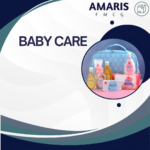
 Baby Food & Formula
 Cereals & Purees
 Infant Formula
 Diapers & Wipes
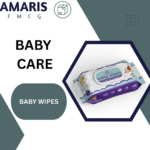 Baby Wipes
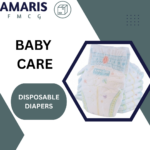 Disposable Diapers
 Baby Bath & Skincare
 Diaper Rash Cream
 Baby Soap & Shampoo
 Baby Lotion & Oil
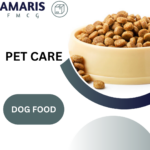 Dog Food
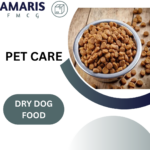 Dry Dog Food
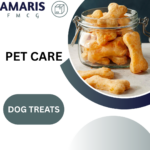 Dog Treats
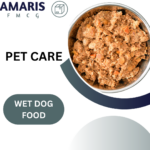 Wet Dog Food
 Pet Grooming
 Shampoos & Conditioners
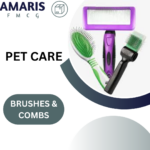 Brushes & Combs
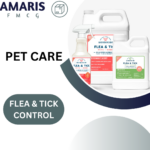 Flea & Tick Control
 Grooming Tools & Kits
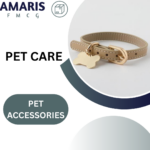 Pet Accessories
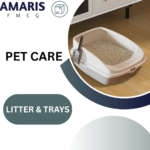 Litter & Trays (for cats)
 Collars & Leashes
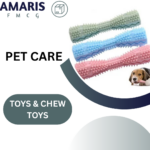 Toys & Chew Toys
 Bowls & Feeders
 Cat Food
 Wet Cat Food
 Cat Treats
 Dry Cat Food
 Organic Products
 Organic Beverages
 Organic Supplements
 Organic Food & Snacks
 Gluten-Free
 Gluten-Free Beverages
 Gluten-Free Snacks
 Gluten-Free Pasta & Grains
 Gluten-Free Breads & Bakery
 Vegan Products
 Vegan Supplements
 Vegan Food & Snacks
 Vegan Beverages
 Sugar-Free & No Added Sugar
 Sugar-Free Beverages
 Sugar-Free Snacks
 Sugar-Free Desserts & Sweets
 Keto-Friendly
 Keto Beverages
 Keto Supplements
 Keto Snacks
 Diabetic-Friendly
 Diabetic-Friendly Supplements
 Diabetic-Friendly Health Monitors & Devices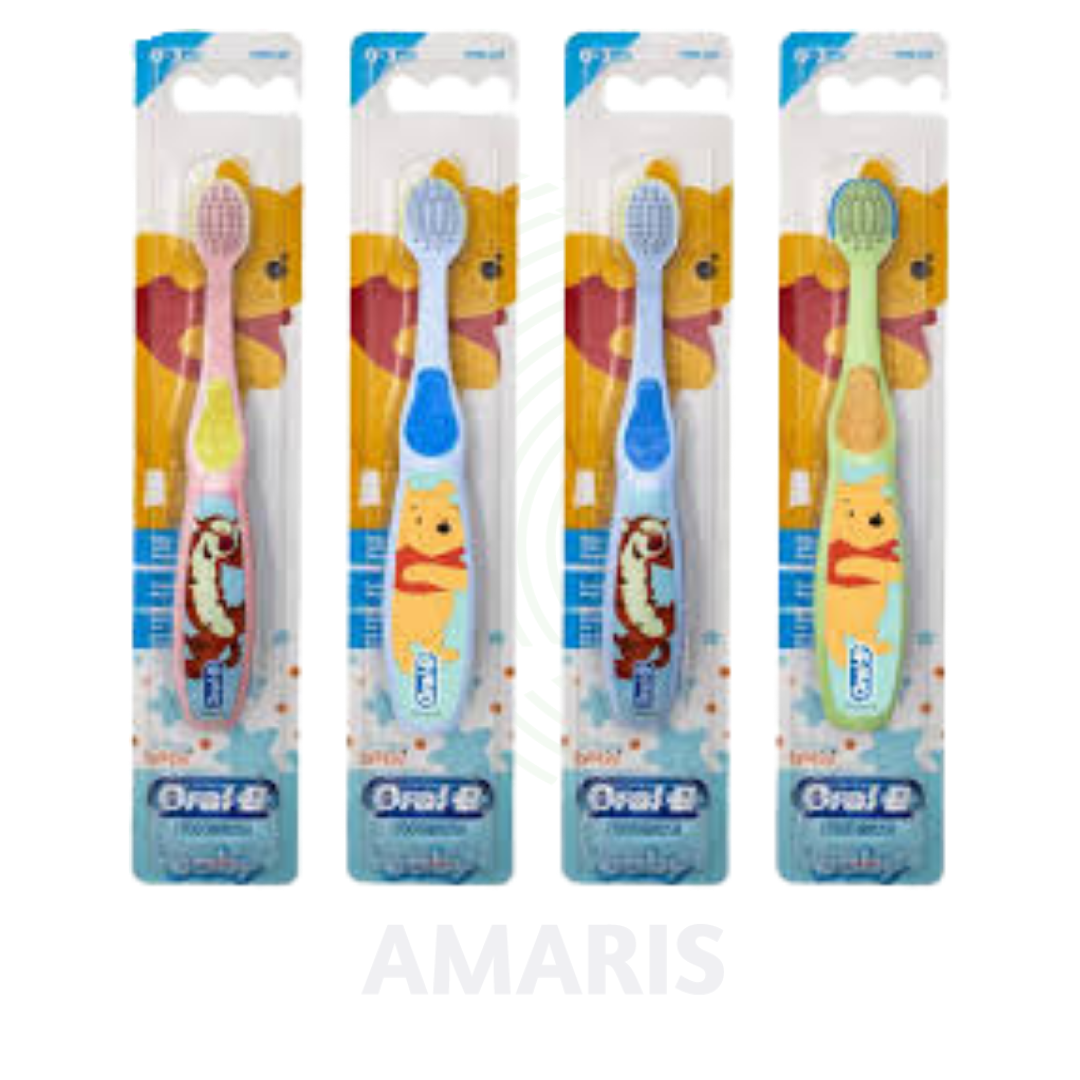
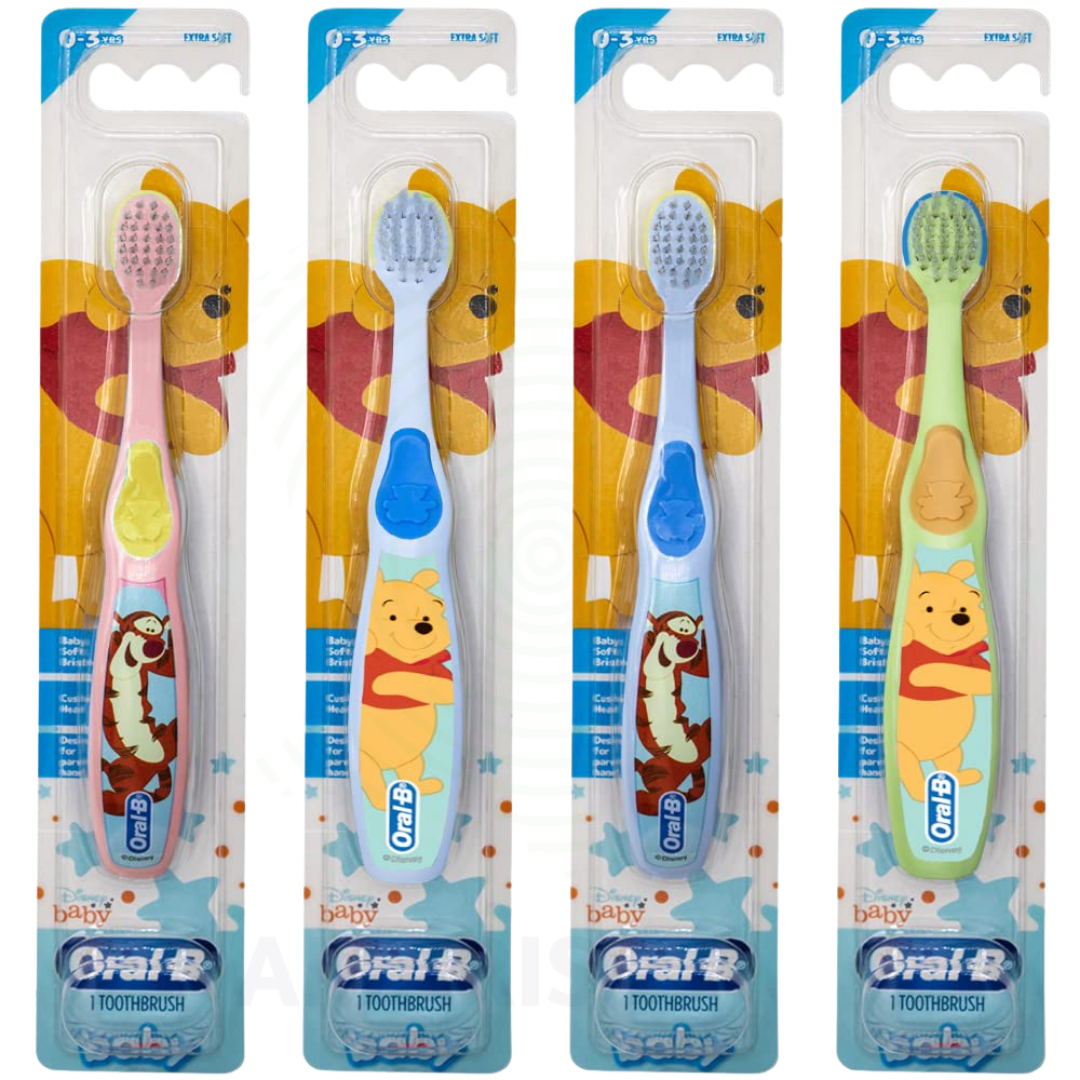
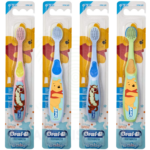
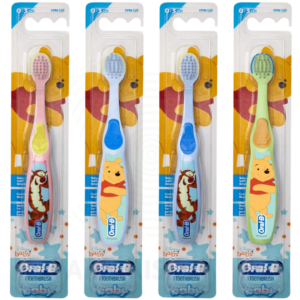
ORAL-B BABY 0-2 YEARS TOOTHBRUSH (EXTRA SOFT BRISTLES)
WhatsApp Order
Oral-B Baby 0-2 Years Toothbrush features extra soft, end-rounded bristles specifically designed for infants during teething and early development. The small, rounded brush head with protective guard is sized for a baby’s mouth and prevents over-insertion. The ergonomic, non-slip handle provides parents with optimal control during brushing. Extra soft bristles gently clean primary teeth and massage sore teething gums without causing irritation. Suitable for use with water or age-appropriate, fluoride-free toothpaste. Ideal for infants from birth to 2 years. Replace every 3 months or when bristles show wear. Warning: Keep out of reach of children. Adult supervision required.
Description
ORAL-B BABY 0-2 YEARS TOOTHBRUSH (EXTRA SOFT BRISTLES)
PRIMARY USES
1. Gentle Oral Care for Infants During Teething and Early Development
Primary Use: Provides extra soft, end-rounded bristles specifically designed for infants aged 0-2 years, offering gentle cleaning of primary teeth (milk teeth) and gums during the teething period while being safe for tender oral tissues .
How it helps: For the paediatric dentist and general practitioner, establishing oral hygiene habits from birth is essential for preventing early childhood caries (ECC). The extra soft bristles are gentle on a baby’s sensitive gums and developing teeth, preventing irritation or discomfort during brushing . The small, rounded brush head is specially sized for a baby’s mouth, allowing easy access to all areas without causing gagging . For the parent, this means a toothbrush that effectively cleans their infant’s teeth and gums while being safe and comfortable for daily use.
2. Teething Relief and Gum Massage
Primary Use: Features extra soft bristles that can be used to gently massage sore gums during teething, providing relief from teething discomfort while simultaneously cleaning emerging primary teeth .
How it helps: For the paediatric dentist, teething is a common source of infant discomfort that can disrupt sleep and feeding. The extra soft bristles allow parents to gently massage the gums, providing soothing relief during the teething period . The small brush head with rounded contours is designed to be gentle on tender gums. For the parent, this means a toothbrush that serves dual purposes—cleaning teeth and soothing teething discomfort—encouraging consistent oral care habits even during challenging teething phases.
3. Safe Brush Design for Infant Use
Primary Use: Features a safe, rounded brush head with no sharp edges, a protective guard to prevent over-insertion, and extra soft, end-rounded bristles that minimise the risk of oral injury during brushing .
How it helps: For the paediatric dentist and parent, safety is the primary concern when introducing oral care to infants. The brush head is small and rounded with no sharp edges or angles, reducing the risk of injury to delicate oral tissues . Some variants feature a protective guard that stops the brush from going too far into the baby’s mouth, preventing gagging or injury . The extra soft, end-rounded bristles are polished to eliminate sharp tips that could scratch gums or developing enamel. For the parent, this means a toothbrush designed specifically for infant safety, giving them confidence to perform daily oral care.
4. Ergonomic, Non-Slip Handle for Parental Control
Primary Use: Features a specially designed, ergonomic handle with a non-slip grip that provides parents with optimal control during brushing, making it easy to manoeuvre the brush in a baby’s small mouth .
How it helps: For the parent and caregiver, brushing an infant’s teeth requires precise control to reach all areas of the mouth while managing a potentially uncooperative child. The ergonomic handle is designed to fit comfortably in the parent’s hand, with a non-slip texture that provides a secure grip even with wet hands . The handle length is optimised for adult hands, allowing proper leverage and control during brushing. For the parent, this means easier, more effective brushing with less stress for both parent and child.
5. Fluoride-Free Bristle Design for Safe Infant Use
Primary Use: The toothbrush is designed to be used with age-appropriate, fluoride-free toothpaste (or water only) for infants who cannot yet spit out toothpaste, reducing the risk of fluorosis while still providing effective mechanical plaque removal .
How it helps: For the paediatric dentist, infants and young children swallow toothpaste rather than spitting it out, putting them at risk for dental fluorosis if fluoride toothpaste is used before age 2-3 . This toothbrush is designed for use with water or a non-fluoridated, infant-safe toothpaste, allowing parents to clean their baby’s teeth effectively without the risk of fluoride over-ingestion . The extra soft bristles provide mechanical plaque removal that does not rely on chemical agents. For the parent, this means safe, effective cleaning for their infant’s developing teeth without worrying about toothpaste safety.
SECONDARY USES
1. Pre-teeth gum cleaning from birth: For infants before teeth have erupted, parents can use the extra soft bristles to gently wipe the gums and remove milk residue, establishing a daily oral hygiene routine from the first weeks of life .
2. Introducing toothbrushing habits for toddler transition: For children approaching 2 years of age, this toothbrush serves as an excellent first toothbrush for introducing the routine of twice-daily brushing before transitioning to a toddler brush (2-4 years) .
3. Cleaning removable orthodontic appliances for older children (with supervision): The extra soft bristles can be used under parental supervision to gently clean removable orthodontic appliances or retainers, though this is an off-label use not intended by the manufacturer.
4. Post-bottle and post-nursing oral care: For infants who are bottle-fed or breastfed, brushing after feeds helps remove milk residue that can contribute to early childhood caries (ECC), particularly important before naps and nighttime sleep .
5. Travel and diaper bag essential for infant care: The small size and durable construction make this toothbrush easy to include in diaper bags, travel kits, or overnight bags, ensuring consistent oral care even when away from home.
About brand
Oral-B is a trusted oral care brand offering toothbrushes, toothpaste, and other products designed to support everyday dental hygiene. Its products help clean teeth, freshen breath, and maintain healthy gums. Oral-B provides a range of solutions suitable for different oral care needs and preferences. It is a convenient choice for maintaining a clean and fresh smile every day.
KEY PRODUCT FEATURES
1. BASIC IDENTIFICATION ATTRIBUTES
-
Device Type: Manual toothbrush for infant oral hygiene; not a medical device
-
Brand: Oral-B
-
Designation: Baby 0-2 Years, Stages 1 Baby Toothbrush
-
Bristle Firmness: Extra Soft
-
Bristle Material: Nylon with end-rounded, polished tips
-
Handle Material: Plastic with ergonomic, non-slip grip
-
Head Features: Small, rounded brush head; protective guard to prevent over-insertion
-
Colour: Assorted bright colours (may vary)
-
Target Age Group: Infants aged 0-2 years (from birth to 24 months)
-
Number of Items: 1 toothbrush per pack (some markets offer 2-packs)
-
Manufacturer: Procter & Gamble
2. TECHNICAL & PERFORMANCE PROPERTIES
-
Primary Action: Gentle mechanical plaque removal from primary teeth and gums
-
Bristle Design: Extra soft, end-rounded bristles for gentle cleaning
-
Gum Care: Can be used to gently massage sore gums during teething
-
Enamel Protection: Extra soft bristles safe for developing primary tooth enamel
-
Brush Head Size: Small, contoured for an infant's mouth size
-
Safety Features: Protective guard to stop brush from going too far into mouth; rounded head with no sharp edges
-
Recommended Brushing Duration: As tolerated by infant (30 seconds to 1 minute)
-
Brushing Frequency: Twice daily (morning and evening, especially after last feed)
-
Toothpaste Recommendation: Use with water or age-appropriate, fluoride-free toothpaste
-
Replacement Schedule: Every 3 months or sooner if bristles become frayed or worn
-
Power Source: Manual (hand-powered)
-
Parental Supervision: Required for all uses
3. PHYSICAL & OPERATIONAL PROPERTIES
-
Preparation: Remove from packaging. Rinse before first use. No toothpaste required for infants under 6 months; water only is sufficient.
-
Usage Instructions: Apply a rice-grain-sized amount of infant-safe toothpaste (for older infants) or use water only. Gently brush the baby's teeth and gums using small, circular motions. Pay special attention to the gum line and any emerging teeth. For teething discomfort, gently massage sore gums with the extra soft bristles. Rinse the toothbrush thoroughly after each use.
-
Storage Conditions: Store in a clean, dry area with bristles facing upward. Allow brush to air dry between uses. Do not store in closed containers where moisture cannot evaporate.
-
Portion Size: One toothbrush per child. Do not share toothbrushes between children.
-
Disposal: Dispose of used toothbrush in general waste when worn.
4. SAFETY & COMPLIANCE ATTRIBUTES
-
Age Warning: Designed for infants aged 0-2 years only. Not for use by older children or adults.
-
Supervision Warning: Adult supervision required for all uses. Do not allow infant to use toothbrush unsupervised.
-
Choking Hazard: Small parts may pose choking hazard. Keep out of reach of small children when not in use.
-
Cross-Contamination Warning: Do not share toothbrushes between children to prevent spread of infectious agents.
-
Bristle Shedding: If bristles become loose or frayed, discontinue use and replace toothbrush immediately.
-
Over-Insertion Prevention: Protective guard helps prevent the brush from being inserted too far into the mouth, but adult supervision remains essential.
-
Brushing Technique: Use gentle pressure only. Do not scrub aggressively as this may injure delicate gum tissue.
-
Storage Hygiene: Do not store in closed containers; allow to air dry between uses to prevent bacterial growth.
-
Quality Assurance: Oral-B is the #1 toothbrush brand recommended by dentists worldwide.
SAFETY HANDLING PRECAUTIONS
1. SAFETY PRECAUTIONS
-
Adult supervision required: This toothbrush must only be used under adult supervision. Never allow an infant to use the toothbrush unsupervised .
-
Age-appropriate use: Designed for infants aged 0-2 years only. Not suitable for older children or adults.
-
Choking hazard: Keep toothbrush out of reach of infants and small children when not in use. The brush head and loose bristles may pose a choking hazard.
-
Do not share: Do not share toothbrushes between children as this can transmit infectious agents, bacteria, and viruses.
-
Gentle brushing: Use gentle pressure only. Do not scrub aggressively as this may injure the infant's delicate gum tissue and developing enamel.
-
Toothpaste safety: For infants under 2 years, use only a rice-grain-sized amount of fluoride-free, infant-safe toothpaste, or use water only. Never use adult toothpaste containing fluoride for infants who cannot spit out .
-
Replace when worn: Replace toothbrush every 3 months or sooner if bristles become frayed, bent, or loose.
-
Check for damage: Before each use, inspect the toothbrush for loose bristles, cracks, or other damage. Discard immediately if any damage is found.
-
Not a teether: While the bristles can be used to gently massage gums, this toothbrush is not designed as a teething toy. Do not allow infant to chew on the brush head unsupervised.
-
Storage hygiene: Allow brush to air dry between uses. Do not store in closed containers, which can cause bacterial growth.
2. FIRST AID MEASURES
-
Ingestion of bristles: If a bristle is accidentally swallowed, monitor for signs of choking, gagging, difficulty breathing, or abdominal pain. Seek medical attention immediately if symptoms develop.
-
Gum injury: If gums are cut or injured by toothbrush bristles, rinse the infant's mouth gently with warm water. Apply gentle pressure with clean gauze if bleeding. Consult a paediatric dentist if bleeding does not stop or injury appears significant.
-
Eye contact: If toothpaste or bristle fragments contact the eye, rinse immediately with plenty of lukewarm water for several minutes. Seek ophthalmologic advice if irritation persists.
-
Toothpaste ingestion: If a large amount of fluoride toothpaste is swallowed, contact a poison control centre or seek medical attention immediately.
3. FIRE FIGHTING MEASURES
-
Flammability: Plastic handle and nylon bristles are combustible. Will melt and burn if exposed to open flame.
-
Extinguishing Media: Use water spray, foam, dry chemical powder, or carbon dioxide (CO₂).
-
Fire Response: For small fires, use appropriate extinguisher. Firefighters should wear self-contained breathing apparatus (SCBA) and full protective gear for fires involving burning plastics.
Related products
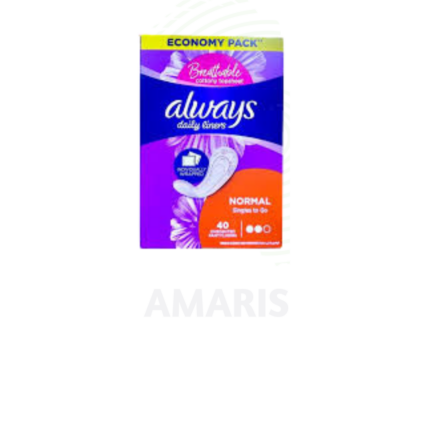
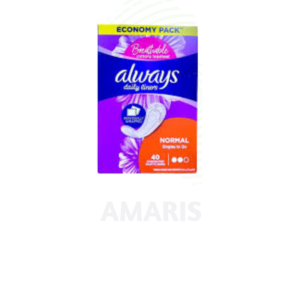
ALWAYS EVERYDAY NORMAL ECONOMY
Always Everyday Normal Economy pads are value-pack, slim sanitary pads designed for light to moderate menstrual flow. Features include dermatologically tested, breathable materials for sensitive skin, Flexi-Wings for secure positioning, and a discreet slim profile for all-day comfort. The economy pack provides more pads per purchase at a value price point. Individually wrapped for hygienic portability. Suitable for light flow days, beginning and end of periods, daily freshness, postpartum late-stage recovery, and teen first periods. Warning: Keep plastic bags away from children. Do not flush.
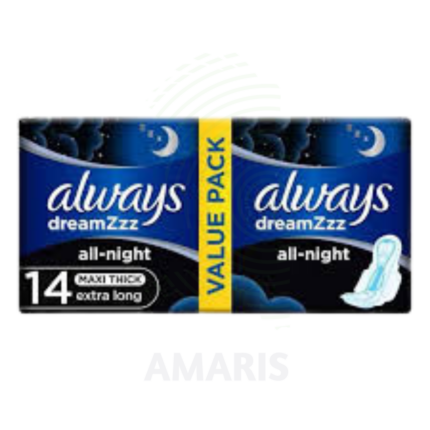
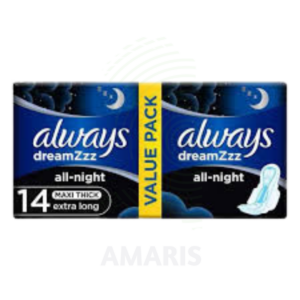
ALWAYS MAXI THICK EXTRA LONG DUO NIGHT
Always Maxi Thick Extra Long Night Duo pads are a value pack of maximum-absorbency overnight pads with a thick, super-absorbent core and extra-long posterior coverage (wider at the back) for heavy flow protection during sleep. Features include soft cushiony topsheet, leak guard barriers around edges, flexible wings for secure positioning, and dermatologically tested design for sensitive skin. The duo pack provides two quantities in one economical purchase. Suitable for heavy flow nights, postpartum, menorrhagia, perimenopause, and anticoagulant-related bleeding. Warning: Keep plastic bags away from children. Do not flush.
ALWAYS SOFT MAXI THICK (ROXANNE)
Always Soft Maxi Thick (Roxanne) pads are maximum-absorbency pads with a thick, super-absorbent core and soft, cushiony topsheet for heavy flow comfort. Features include Roxanne technology with 100% breathable top sheet, anti-leakage barriers, flexible wings for secure positioning, and dermatologically tested design for sensitive skin. The innovative soft, cushiony feel respects sensitive skin while delivering maximum protection. Suitable for heavy flow days, postpartum, menorrhagia, perimenopause, and anticoagulant-related bleeding. Warning: Keep plastic bags away from children. Do not flush.
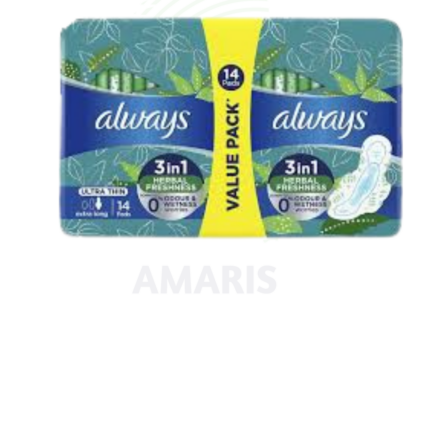
ALWAYS ULTRA EXTRA LONG DUO HERBAL
Always Ultra Extra Long Duo Herbal pads are maximum-absorbency, ultra-thin pads with herbal freshness, presented in a value duo pack for heavy flow day and night. Features include extra-long length (40% longer), Ultra Gel Technology for instant absorption, 3in1 protection (leak, odour, wetness), anti-leakage barriers, flexible wings, and 500 breathable pores. Provides up to 8 hours of secure protection. Dermatologically tested and individually wrapped. Suitable for heavy flow, overnight use, postpartum, menorrhagia, perimenopause, anticoagulant therapy, endometriosis, and adenomyosis. Warning: Keep plastic bags away from children. Do not flush.
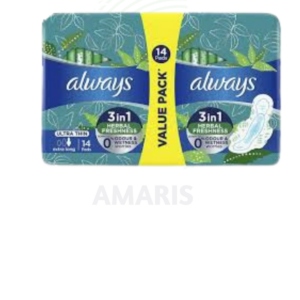
ALWAYS ULTRA THIN EXTRA LONG HERBAL FRESHNESS
Always Ultra Thin Extra Long Herbal Freshness sanitary pads are maximum-absorbency, ultra-thin pads specifically designed for heavy flow management day and night. Key features: extra-long length (approximately 40% longer than ordinary pads) for extended front-to-back coverage; 3in1 protection against leaks, odour, and wetness; Ultra Gel Technology for instant absorption and odour locking; anti-leakage barriers for maximum coverage; flexible wings for secure positioning; ultra-thin, flexible design for comfort and discretion; herbal freshness infusion with 500 air-fresh pores for breathability; individually wrapped for hygienic portability . Provides secure protection for up to 8 hours . Suitable for heavy flow days, overnight protection, postpartum lochia, post-gynaecological procedure bleeding, menorrhagia, perimenopause, anticoagulant-related heavy bleeding, endometriosis, and adenomyosis. Warning: To avoid danger of suffocation, keep plastic bags away from babies and children . Do not dispose of pads in toilet bowls—use a waste container .
MATERNITY PADS
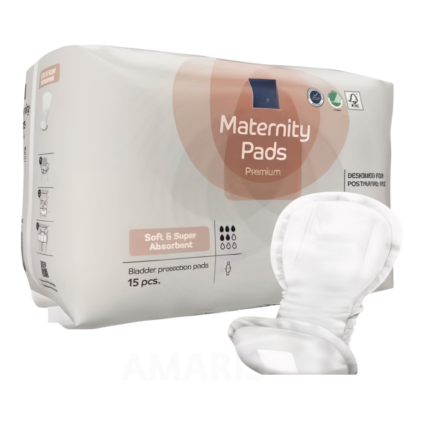
Maternity pads are high-absorbency, extra-long sanitary pads specifically designed for postpartum lochia management following vaginal delivery or caesarean section. Features include absorption capacity of 150-300mL, extra length (approx. 10 x 30cm) with extended back coverage, soft breathable topsheets for perineal comfort, and secure adhesive backing with wings . Some variants offer sterile options for clinical use, ThermoControl™ moisture-wicking technology, or aloe vera/witch hazel infusion for cooling relief . Suitable for postpartum recovery, post-gynaecological procedures, and late pregnancy leakage protection. Sterile options indicated for surgical recovery. Warning: Keep plastic packaging away from babies and children. Do not flush. Replace every 4 hours or as needed.
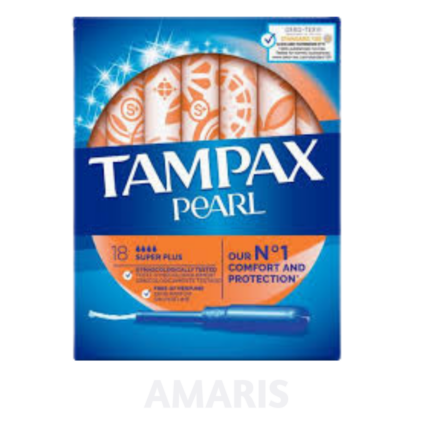
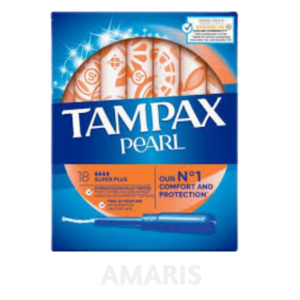
TAMPAX PEARL REGULAR TAMPONS WITH APPLICATOR
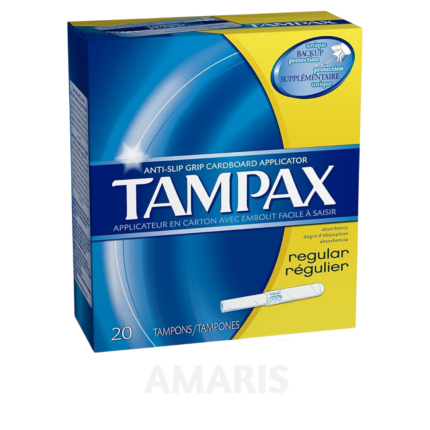
Tampax Pearl Regular tampons are designed for light to medium menstrual flow, featuring regular absorbency (6-9 grams) with up to eight hours of protection. The Dual Protection System combines a LeakGuard braid that helps stop leaks before they happen and FormFit technology that gently expands to fit your body's unique shape. The SmoothTouch plastic applicator features an anti-slip grip and rounded tip for comfortable, easy insertion—5x smoother than cardboard applicators . Made without perfume, dyes (core), chlorine bleaching, latex, or BPA . Clinically tested to be gentle on skin and Oeko-Tex certified .