 Atta, Flours & Sooji
 Wheat Atta
 Sooji (Semolina)
 Organic Flours
 Besan (Gram Flour)
 Rice Flour
 Rice & Rice Products
 Rice Cakes
 Poha (Flattened Rice)
 Brown & Red Rice
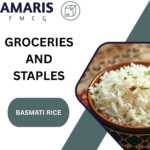 Basmati Rice
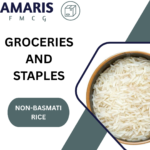 Non-Basmati Rice
 Dals & Pulses
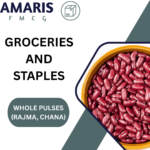 Whole Pulses (Rajma, Chana)
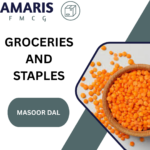 Masoor Dal
 Chana Dal
 Toor Dal
 Moong Dal
 Edible Oils
 Blended Oils
 Coconut Oil
 Soybean Oil
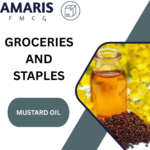 Mustard Oil
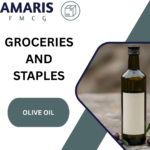 Olive Oil
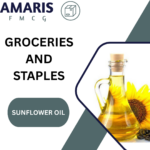 Sunflower Oil
 Salt, Sugar & Jaggery
 White & Brown Sugar
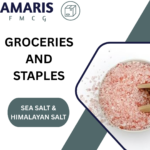 Sea Salt & Himalayan Salt
 Table Salt
 Jaggery (Powdered & Block)
 Spices & Seasonings
 Herbs & Seasoning Packets
 Spice Blends (Masalas)
 Whole Spices
 Powdered Spices
 Sauces, Spreads & Condiments
 Honey, Jam & Spreads
 Soy & Chili Sauce
 Chutneys
 Pickles
 Tomato Ketchup
 Mayonnaise & Dressings
 Breakfast Cereals
 Oats & Muesli
 Granola
 Cornflakes
 Tea
Tea Tea Bags
 Herbal & Specialty Tea
 Green Tea
 Black Tea
 Coffee
 Instant Coffee
 Ground Coffee
 Coffee Beans
 Health & Energy Drinks
 Health Supplements Drinks
 Energy Drinks
 Protein Shakes
 Fruit Juices & Drinks
 Coconut Water
 Nectars & Juice Drinks
 100% Juices
 Soft Drinks & Sodas
 Cola
Cola Diet Sodas
 Fruit Sodas
 Lemonade
 Water
Water Sparkling Water
 Packaged Drinking Water
 Flavored Water
 Namkeen & Savory Snacks
 Extruded Snacks
 Mixtures & Bhujia
 Chips & Crisps
 Biscuits & Cookies
 Cookies
 Digestive & Marie
 Glucose Biscuits
 Cream Biscuits
 Chocolates & Candies
 Sweets & Bubble Gum
 Toffees & Hard Candies
 Chocolate Bars
 Boxed Chocolates
 Cakes & Pastries
 Pastries & Danish
 Cupcakes
 Birthday & Celebration Cakes
 Desserts & Ice Cream Toppings
 Caramel & Fruit Toppings
 Chocolate Syrup & Sauce
 Whipped Cream
 Sprinkles & Nuts
 Nuts & Dry Fruits
 Raisins & Apricots
 Roasted & Salted Nuts
 Almonds, Cashews, Walnuts
 Milk
Milk Fresh Milk (Full Cream, Toned)
 Flavored Milk
 Butter & Margarine
 Margarine
 Salted & Unsalted Butter
 Cheese
 Sliced Cheese
 Paneer (Cottage Cheese)
 Cream Cheese & Spreads
 Cheese Blocks (Cheddar, Mozzarella)
 Yogurt & Curd
 Set Curd
 Yogurt Drinks (Lassi, Chaas)
 Greek Yogurt
 Flavored Yogurt
 Cream & Desserts
 Custards & Mousses
 Fresh Cream
 Eggs
Eggs Organic Eggs
 Brown Eggs
 Farm Eggs
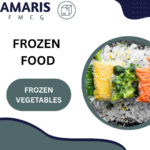 Frozen Vegetables
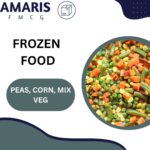 Peas, Corn, Mix Veg
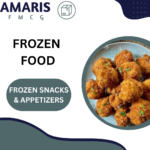 Frozen Snacks & Appetizers
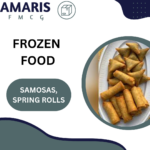 Samosas & Spring Rolls
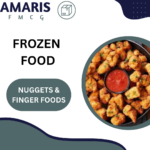 Nuggets & Finger Foods
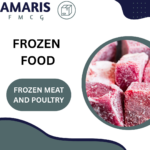 Frozen Meat & Poultry
 Frozen Sausages & Hot Dogs
 Frozen Pork
 Frozen Chicken
 Frozen Beef
 Frozen Meat Blends & Mince
 Frozen Seafood
 Frozen Fish Fillets
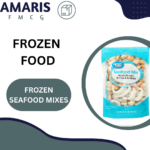 Frozen Seafood Mixes
 Ice Cream & Frozen Desserts
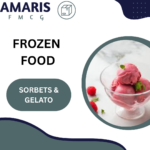 Sorbets & Gelato
 Ice Cream Tubs
 Ice Cream Bars & Cones
 Oral Care
 Mouthwash
 Toothpaste
 Toothbrushes (Manual & Electric)
 Bath & Body
 Deodorants & Antiperspirants
 Body Lotions & Moisturizers
 Soaps & Body Wash
 Hair Care
 Styling Products (Gel, Wax, Spray)
 Hair Oils
 Shampoo & Conditioner
 Skincare
 Lip Balm
 Moisturizers & Creams
 Face Wash & Cleansers
 Feminine Hygiene
 Tampons
 Sanitary Pads
 Shaving Needs
 Razors & Blades
 Shaving Cream & Foam
 Vitamins & Supplements
 Multivitamins
 Protein Powder
 Specialty Supplements (Omega-3, Calcium)
 Ayurveda & Herbal
 Herbal Supplements
 Chyawanprash
 Weight Management
 Fitness & Workout Accessories
 Protein Shakes & Powders
 Sports Nutrition
 Energy Bars & Snacks
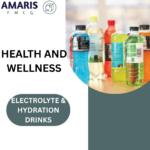 Electrolyte & Hydration Drinks
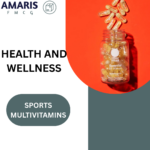 Sports Multivitamins
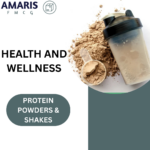 Protein Powders & Shakes
 Dishwashing
 Dishwashing Bars & Liquid
 Dishwasher Detergents
 Laundry
 Fabric Softeners & Whiteners
 Detergent Powder & Liquid
 Detergent Bars
 Floor & Surface Cleaners
 Glass & Mirror Cleaners
 All-Purpose Cleaners
 Floor Cleaners (Liquid, Powder)
 Toilet Cleaners
 Toilet Cleaning Tablets
 Toilet Brush & Cleaner Sets
 Liquid Toilet Cleaners
 Insecticides & Repellents
 Ant & Cockroach Killers
 Mosquito Repellents (Coils, Mats, Sprays)
 Air Fresheners & Fragrances
 Car Air Fresheners
 Essential Oils & Diffusers
 Plug-In Air Fresheners
 Scented Candles
 Room Sprays
 Paper Products
 Tissues & Napkins
 Kitchen Towels
 Toilet Paper
 Baby Food & Formula
 Cereals & Purees
 Infant Formula
 Diapers & Wipes
 Baby Wipes
 Disposable Diapers
 Baby Bath & Skincare
 Diaper Rash Cream
 Baby Soap & Shampoo
 Baby Lotion & Oil
 Dog Food
 Dry Dog Food
 Dog Treats
 Wet Dog Food
 Pet Grooming
 Shampoos & Conditioners
 Brushes & Combs
 Flea & Tick Control
 Grooming Tools & Kits
 Pet Accessories
 Litter & Trays (for cats)
 Collars & Leashes
 Toys & Chew Toys
 Bowls & Feeders
 Cat Food
 Wet Cat Food
 Cat Treats
 Dry Cat Food
 Organic Products
 Organic Beverages
 Organic Supplements
 Organic Food & Snacks
 Gluten-Free
 Gluten-Free Beverages
 Gluten-Free Snacks
 Gluten-Free Pasta & Grains
 Gluten-Free Breads & Bakery
 Vegan Products
 Vegan Supplements
 Vegan Food & Snacks
 Vegan Beverages
 Sugar-Free & No Added Sugar
 Sugar-Free Beverages
 Sugar-Free Snacks
 Sugar-Free Desserts & Sweets
 Keto-Friendly
 Keto Beverages
 Keto Supplements
 Keto Snacks
 Diabetic-Friendly
 Diabetic-Friendly Supplements
 Diabetic-Friendly Health Monitors & Devices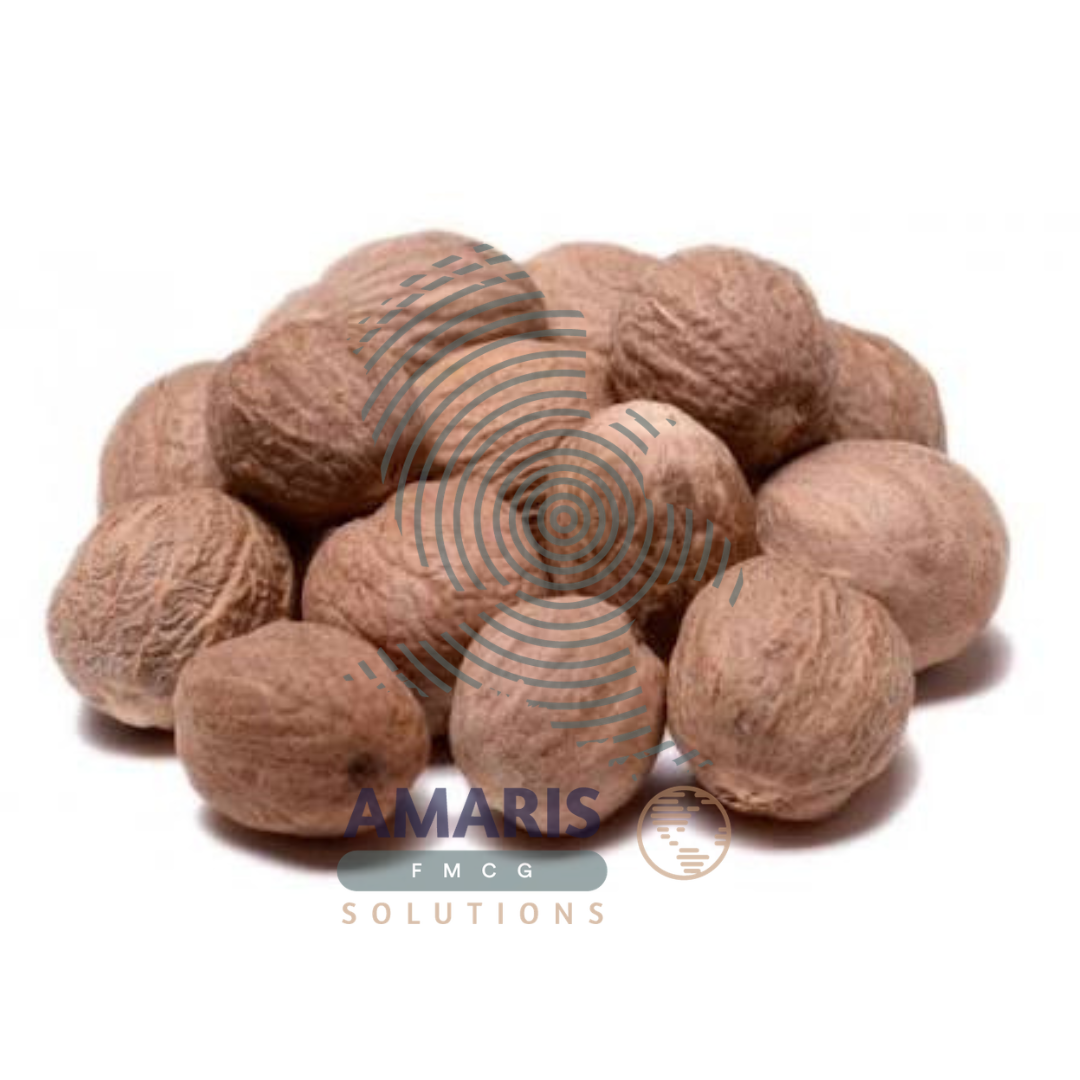
NUTMEG WHOLE
WhatsApp Order
Nutmeg Whole is the dried seed of Myristica fragrans, valued for its warm, sweet, nutty flavour and its mild sedative, digestive, analgesic, and neuroprotective properties. For the primary care physician, gastroenterologist, and neurologist, whole nutmeg serves as a traditional remedy for mild insomnia (in very small doses, ⅛ teaspoon grated), non‑infectious diarrhea, mild musculoskeletal pain, and as a potential cognitive support in mild cognitive impairment. For the patient, freshly grated nutmeg adds warmth to baked goods, creamy sauces, eggnog, rice pudding, and spiced beverages while soothing digestive discomfort, promoting sleep, and providing temporary pain relief. However, nutmeg is TOXIC in doses exceeding 1 teaspoon (approximately 2-3 grams) and can cause hallucinations, tachycardia, seizures, and death. Patients must be strictly counselled on safe dosing (a pinch or ⅛ teaspoon per day) and never use nutmeg as a recreational drug. Whole nutmeg seeds have a longer shelf life than ground powder and should be grated fresh as needed.
Description
NUTMEG WHOLE
PRIMARY CLINICAL & DIAGNOSTIC USES
1. Management of Insomnia and Mild Sleep Disturbances
• Primary Use: Provides whole dried nutmeg seeds (Myristica fragrans) containing myristicin, elemicin, and other phenylpropanoids that have mild sedative and hypnotic properties. A very small amount (a pinch of freshly grated nutmeg, approximately ⅛ teaspoon) mixed with warm milk or water taken 30-60 minutes before bedtime may help promote sleep onset and improve sleep quality in patients with mild insomnia.
• How it helps: For the sleep medicine specialist and primary care physician, nutmeg has been used in traditional medicine (Ayurveda, Unani) as a natural sleep aid. The active compound myristicin is believed to interact with GABA receptors and inhibit monoamine oxidase (MAO), producing mild sedative effects. Patients must be warned that doses exceeding 1 teaspoon (approximately 2-3 grams) can cause toxicity, including hallucinations, tachycardia, nausea, and seizures. Nutmeg should never be used as a substitute for prescribed sleep medications without medical supervision, and the tiny dose required for sedation is critical.
2. Digestive Health and Management of Mild Diarrhea
• Primary Use: Nutmeg has astringent and carminative properties that help reduce intestinal motility, relieve flatulence, and manage mild, non‑infectious diarrhea by decreasing peristalsis and enhancing the absorption of water and electrolytes from the intestinal lumen.
• How it helps: For the gastroenterologist and primary care physician, the tannins and other astringent compounds in nutmeg help bind intestinal mucosa and reduce fluid secretion, making it useful for mild, chronic diarrhea (e.g., in irritable bowel syndrome) or traveler’s diarrhea as an adjunct to oral rehydration. The carminative effects (via volatile oils) also reduce bloating and abdominal cramping. For the patient, adding a very small pinch (⅛ teaspoon) of freshly grated nutmeg to warm milk, rice porridge, or applesauce can help firm stools and reduce cramping. Patients must be advised that nutmeg is not a substitute for antidiarrheal medications in severe or infectious diarrhea and that adequate fluid intake is essential.
3. Cognitive Support for Mild Cognitive Impairment (Traditional Use)
• Primary Use: Nutmeg contains compounds that may have neuroprotective and cognitive‑enhancing properties, including myristicin and macelignan, which have been shown in animal studies to inhibit acetylcholinesterase and reduce amyloid‑beta aggregation, suggesting potential benefits for mild cognitive impairment or early dementia.
• How it helps: For the neurologist and geriatrician, while human clinical trials are limited, traditional medicine systems have used nutmeg as a brain tonic. The inhibition of acetylcholinesterase (similar to some dementia medications) and antioxidant effects may support cognitive function. For the patient, including very small amounts of freshly grated nutmeg (⅛ teaspoon daily) in warm milk, oatmeal, or smoothies may be considered as a complementary approach alongside standard cognitive health measures (diet, exercise, mental stimulation). Patients must be warned that nutmeg is not a proven treatment for Alzheimer’s disease and should not replace prescribed medications.
3. Analgesic Properties for Mild Musculoskeletal Pain
• Primary Use: Nutmeg’s volatile oils (myristicin, eugenol) have mild analgesic and anti‑inflammatory properties that may help reduce mild joint pain, muscle aches, and arthritic discomfort when used topically (as a paste) or taken orally in very small doses.
• How it helps: For the rheumatologist and primary care physician, nutmeg has been used in traditional ointments for pain relief. The eugenol component has documented local anesthetic effects (similar to clove). For the patient, a paste of freshly grated nutmeg mixed with warm water, coconut oil, or sesame oil (1 part nutmeg to 3 parts carrier) can be applied topically to sore muscles or arthritic joints for temporary relief. Orally, a very small amount (⅛ teaspoon) in warm milk may provide mild systemic analgesia. Patients must be warned that topical application of undiluted nutmeg powder can cause skin irritation and that high oral doses are toxic.
SECONDARY & SUPPORTIVE USES
1. Management of nausea and vomiting (traditional use, very small amounts): A pinch of freshly grated nutmeg (⅛ teaspoon) mixed with ginger or honey may help reduce nausea, especially in motion sickness or morning sickness (small amounts only, with medical supervision). Patients must not exceed the minimal dose, as higher doses can cause the opposite effect (nausea).
2. Antimicrobial activity against oral pathogens: The eugenol and other phenolic compounds in nutmeg have mild antimicrobial activity. A very small amount of freshly grated nutmeg added to homemade toothpaste or used as a mouth rinse (a pinch in warm water) may help reduce oral bacteria and freshen breath.
3. Flavor enhancer for low‑sodium diets in hypertensive patients: The warm, sweet, slightly nutty flavour of freshly grated nutmeg allows patients to reduce added salt in creamy soups, béchamel sauces, egg dishes, and baked goods, supporting sodium restriction in hypertension management.
4. Natural remedy for bad breath (halitosis): Chewing a very small piece of whole nutmeg or adding a pinch of freshly grated nutmeg to warm water as a mouth rinse may temporarily freshen breath due to its aromatic volatile oils and mild antimicrobial activity.
5. Topical exfoliant for dry skin (diluted paste, with caution): A paste of freshly grated nutmeg mixed with honey or yoghurt (1:10 dilution) can be used as a gentle exfoliating scrub for dry, flaky skin. Patients should test a small area first, as nutmeg can be irritating to sensitive skin.
6. Aphrodisiac (traditional use, limited evidence): In traditional medicine systems (Ayurveda, Unani), nutmeg has been used as a mild aphrodisiac to enhance libido and treat sexual dysfunction. Scientific evidence is lacking, and patients should use very small amounts (a pinch) if trying this application.
7. Natural insect repellent (environmental use): Whole nutmeg seeds can be placed in cupboards to repel moths and insects due to their strong aromatic volatile oils. Not for ingestion in this application.
KEY PRODUCT FEATURES
1. BASIC IDENTIFICATION ATTRIBUTES
-
Device Type: Whole dried seeds of the nutmeg tree (Myristica fragrans).
-
Designation: Nutmeg Whole, Jaiphal (whole), Nutmeg Seed.
-
Key Components: Whole dried nutmeg seed. Major bioactive compounds: myristicin (4-8%), elemicin, safrole, eugenol, macelignan, lignans.
2. TECHNICAL & PERFORMANCE PROPERTIES
-
Physical Form: Whole, oval, hard seed, approximately 20-30 mm in length, light brown to dark brown with a wrinkled surface.
-
Flavor Profile: Warm, sweet, nutty, slightly piney, with a characteristic aromatic and slightly bitter aftertaste.
-
Myristicin Content: 4-8% (primary bioactive responsible for sedative and psychoactive effects at high doses).
-
Toxic Dose: More than 1 teaspoon of ground nutmeg (approximately 2-3 grams) can cause toxicity (hallucinations, tachycardia, seizures, liver damage). Fatalities reported at 5-10 grams (2-4 teaspoons).
-
Shelf Life (unopened): 24-48 months when stored in a cool, dry place away from direct sunlight. Whole seeds retain potency significantly longer than ground nutmeg.
-
Shelf Life (opened): Best used within 12-24 months; store in an airtight container. Grate only as needed.
-
Packaging: Available in glass jars, plastic jars, stand‑up resealable pouches, or bulk bags. Common sizes include 25 g, 50 g, 100 g, 200 g, and 500 g.
-
Allergen Information: Naturally free from common allergens. May be processed in facilities that handle nuts, wheat, mustard, or other spices.
3. SAFETY & COMPLIANCE ATTRIBUTES
-
Regulatory Status: General food seasoning. In Kenya, subject to KEBS (Kenya Bureau of Standards) food safety regulations for spices and seasonings.
-
Allergen Information: Generally free from major allergens. Suitable for most individuals.
-
Toxicity Risk — Hallucinations, Seizures, Liver Damage (Critical Warning): Nutmeg is toxic in doses exceeding 1 teaspoon of ground nutmeg (approximately 2-3 grams). Symptoms of toxicity include nausea, dry mouth, tachycardia, agitation, hallucinations, seizures, and acute psychosis, typically occurring 3-6 hours after ingestion. Severe overdose can cause liver failure, respiratory depression, coma, and death. Patients must be strictly counselled to NEVER exceed ¼ teaspoon (a pinch) of grated nutmeg per day. Nutmeg should NOT be used as a recreational drug. Keep whole seeds and ground nutmeg out of reach of children. If accidental overdose occurs, seek emergency medical attention immediately.
-
Psychoactive Effects (High Doses): Nutmeg contains myristicin, which has weak monoamine oxidase inhibitor (MAOI) and anticholinergic properties. At high doses (≥1-2 teaspoons ground), it can cause hallucinations, depersonalization, and euphoria, followed by severe dysphoria and panic. These effects are unpredictable and dangerous.
-
Pregnancy and Breastfeeding: Avoid medicinal or high doses of nutmeg during pregnancy (uterine stimulant effects possible). Culinary amounts (a pinch in food) are generally considered safe. Breastfeeding mothers should avoid large doses.
-
Drug Interactions — MAOIs, SSRIs, Anticoagulants (Theoretical): Nutmeg contains weak MAOIs and may interact with prescription antidepressants (MAOIs, SSRIs, SNRIs), potentially causing serotonin syndrome. It may also have mild antiplatelet effects. Patients on these medications should use nutmeg only in small culinary amounts and consult their physician.
-
Children and Elderly: Extreme caution required. Very small amounts (a pinch, less than ⅛ teaspoon) may be used in cooking for children over 2 years. Never give medicinal doses to children. Elderly patients may be more sensitive to toxic effects.
-
Choking Hazard (Whole Seed): The whole nutmeg seed is hard and could pose a choking risk if swallowed whole. It is meant to be grated, not consumed whole. Keep out of reach of young children.
-
Sodium Content: Contains no sodium. Suitable for low‑sodium diets.
-
Quality Assurance: Manufactured under GMP (Good Manufacturing Practices) and subject to quality control for microbial contaminants, heavy metals, aflatoxins, and pesticide residues per local regulations.
4. STORAGE & HANDLING ATTRIBUTES
-
Storage: Store in a cool, dry place, away from heat, humidity, and direct sunlight. Do not refrigerate (condensation may cause mould). Use an airtight container.
-
Shelf Life: Refer to "best by" date on the package. Whole seeds retain potency for up to 3-4 years; grated nutmeg loses potency faster.
-
Usage: Grate only as needed using a fine grater or microplane. Use a clean, dry utensil to remove whole seeds from the container. Avoid introducing moisture.
-
Inspection: Discard if mould, off‑odour (rancid or musty), insect infestation, or significant colour change is observed.
SAFETY HANDLING PRECAUTIONS
1. SAFETY PRECAUTIONS
-
Critical Toxicity Warning — Hallucinations, Seizures, Death with Overdose: Nutmeg is TOXIC in doses exceeding 1 teaspoon of ground nutmeg (approximately 2-3 grams). Symptoms of poisoning include nausea, vomiting, dizziness, dry mouth, tachycardia, agitation, hallucinations (often unpleasant), depersonalization, confusion, seizures, and acute psychosis. Severe overdose can cause liver failure, respiratory depression, coma, and death. The toxic dose varies between individuals; some people experience severe toxicity at 2 grams (about ¾ teaspoon). Advise patients to NEVER exceed ¼ teaspoon (a pinch) of freshly grated nutmeg in 24 hours. Keep whole nutmeg seeds and ground nutmeg out of reach of children. If accidental ingestion of more than ½ teaspoon of ground nutmeg occurs, seek emergency medical attention immediately. Do not induce vomiting unless directed by poison control.
-
Do Not Use as a Recreational Drug: Nutmeg has gained notoriety as a cheap hallucinogen, but its effects are unpredictable (often dysphoric and unpleasant), the onset is delayed (3-6 hours), and the risk of severe toxicity, including seizures and liver damage, is high. Healthcare providers should actively counsel at‑risk adolescents and young adults against this dangerous practice.
-
Drug Interactions — MAOIs, SSRIs, Antidepressants: Nutmeg has weak MAO‑inhibiting properties. Patients taking prescription antidepressants (MAOIs, SSRIs, SNRIs, tricyclics) may be at risk of serotonin syndrome (agitation, confusion, tachycardia, hypertension, hyperthermia) if consuming large amounts of nutmeg. Culinary amounts (a pinch) are likely safe, but patients should avoid concentrated or medicinal doses and inform their psychiatrist.
-
Pregnancy — Uterine Stimulant (High Doses): At high doses, nutmeg may stimulate uterine contractions. Pregnant women should avoid large doses (more than a pinch in food). Culinary amounts in baked goods or sauces are generally considered safe, but patients should consult their obstetrician.
-
Liver Disease — Increased Toxicity Risk: Patients with pre‑existing liver disease (hepatitis, cirrhosis) may be more susceptible to nutmeg's hepatotoxic effects at lower doses. Advise very limited use (a pinch occasionally) or avoidance.
-
Seizure Disorders — Lowered Seizure Threshold: High doses of nutmeg may lower the seizure threshold. Patients with epilepsy or other seizure disorders should use nutmeg in very small amounts only.
-
Children — Extreme Vulnerability: Children are more sensitive to nutmeg toxicity. A child ingesting 1-2 grams (approximately ½ to 1 teaspoon of ground nutmeg) could experience severe toxicity. Keep nutmeg seeds and ground nutmeg in a locked cabinet or out of reach. Do not give "medicinal" doses of nutmeg to children for any reason.
-
Elderly — Increased Sensitivity: Elderly patients may be more sensitive to the sedative, anticholinergic, and cardiovascular effects of nutmeg. Advise using very small amounts (a pinch).
-
Choking Hazard — Whole Seed: The whole nutmeg seed is hard and could be swallowed by a child, posing a choking or intestinal obstruction risk. Always store whole nutmeg seeds out of reach of young children.
-
Inhalation Hazard (Grated Dust): When grating nutmeg, fine dust can cause coughing or throat irritation. Grate away from the face, in a well‑ventilated area.
-
Training Requirement: Healthcare providers (primary care physicians, pharmacists, emergency physicians) must educate patients on the severe toxicity risk of nutmeg overdose, the importance of never exceeding ¼ teaspoon grated per day, the dangers of recreational use, and the need to keep nutmeg out of reach of children. Provide poison control center contact information.
2. FIRST AID MEASURES
-
Ingestion (Suspected Overdose, more than ½ teaspoon of ground nutmeg): If a patient, especially a child, ingests more than ½ teaspoon of ground nutmeg (or an equivalent amount of freshly grated nutmeg), do not induce vomiting. Call poison control immediately (or emergency services). Bring the nutmeg container to the hospital. Monitor for symptoms: nausea, agitation, hallucinations, seizures, tachycardia.
-
Hallucinations or Agitation (Acute Toxicity): If a patient experiences hallucinations, confusion, or agitation after nutmeg ingestion, seek emergency medical care immediately. Do not leave the patient alone. Provide a calm, quiet environment. Do not attempt to restrain unless necessary for safety.
-
Seizures: If the patient has a seizure, protect the head, clear the area of hard objects, do not put anything in the mouth, and call emergency services. Time the seizure duration.
-
Inhalation (Grated Nutmeg Dust): If accidental inhalation causes coughing or respiratory irritation, move to fresh air. Seek medical attention if wheezing or difficulty breathing develops.
-
Eye Contact: If powder particles enter the eyes, flush immediately with copious amounts of cool water for at least 15 minutes. If irritation persists, seek medical advice.
-
Skin Irritation (Topical Use): If skin becomes irritated after applying nutmeg paste, wash the affected area with cool water and mild soap. Discontinue topical use.
-
Allergic Reaction (Rare): If hives, facial swelling, difficulty breathing, or vomiting occur after ingestion, discontinue use and administer epinephrine if prescribed. Seek immediate emergency medical care.
3. FIRE FIGHTING MEASURES
-
Flammability: As a dry, organic product, Whole Nutmeg seeds are combustible and will burn if exposed to an open flame or high heat. The volatile oils make them flammable. Standard kitchen fire safety measures apply.
-
Extinguishing Media: Use water, foam, dry chemical, or carbon dioxide (CO₂) for fires involving spice products.
-
Fire Response: For a small fire in the kitchen (e.g., on a stovetop), turn off the heat source and cover with a pot lid or use a fire extinguisher. For larger fires, evacuate and call emergency services.
-
Special Protective Equipment for Firefighters: Firefighters should wear self‑contained breathing apparatus (SCBA) when fighting fires involving large quantities of spices, as combustion products may include acrid smoke and respiratory irritants.
Related products
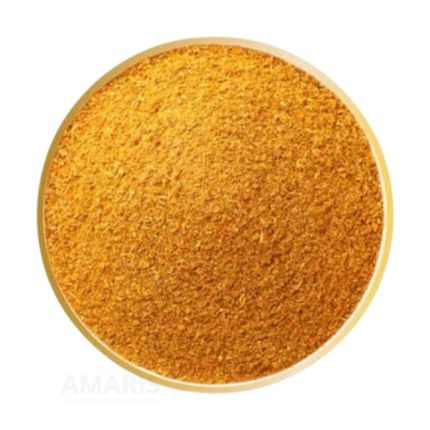
BEEF MASALA
Beef Masala is a spice blend designed to season beef dishes, typically containing cumin, coriander, turmeric, black pepper, cardamom, cinnamon, cloves, ginger, garlic, and chili peppers. For the nutritionist, gastroenterologist, and primary care physician, it serves as a flavorful tool to enhance dietary iron absorption, stimulate digestive function, improve appetite in convalescent patients, and modestly support metabolic rate through thermogenic spices. For the patient, Beef Masala transforms ordinary beef into a palatable, aromatic, and culturally familiar dish that encourages protein intake and makes healthy eating more enjoyable, while the spice-derived antioxidants and anti-inflammatory compounds offer additional wellness benefits. When used as part of a balanced diet, it can contribute to improved nutritional status and mealtime satisfaction.

CRUNCHY NUT
Crunchy Nut is a honey‑coated, nut‑infused corn flake breakfast cereal fortified with essential vitamins and minerals, including iron, B vitamins, and vitamin D. For the dietitian, endocrinologist, cardiologist, and public health professional, it offers a higher energy density and improved nutrient profile compared to plain corn flakes, with the added benefits of healthy fats, plant protein, and fiber from nuts. It supports patients with poor appetite, increased caloric needs, glycemic management, and cardiovascular health, and can be used in food assistance programs. For the patient, it provides a satisfying, crunchy, sweet‑and‑nutty breakfast that helps control hunger, supports heart health, and delivers essential micronutrients. While not a substitute for whole foods, it serves as a convenient, shelf‑stable foundation for a nutritious morning meal.
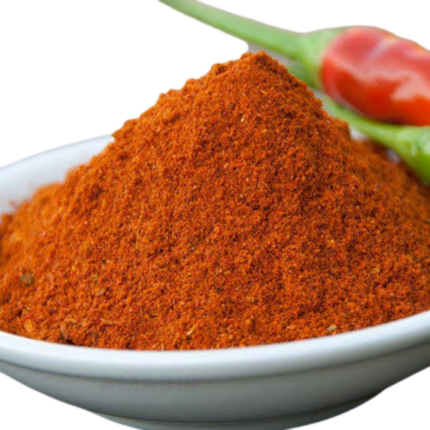
FISH MASALA
Fish Masala is a spice blend specifically formulated for seasoning fish and seafood, typically containing turmeric, coriander, cumin, black pepper, ginger, garlic, chili, fenugreek, and often tangy ingredients like dried mango powder (amchur) or tamarind. For the cardiologist, dietitian, gastroenterologist, and primary care physician, it serves as a flavorful, low-fat tool to encourage consumption of lean, protein-rich fish, support cardiovascular health through omega-3 intake, improve appetite in convalescent patients, and provide anti-inflammatory benefits from turmeric and ginger. For the patient, Fish Masala transforms plain fish into an aromatic, tangy, and satisfying dish that is easy to digest, masks fishy odors, and makes healthy eating enjoyable without adding significant fat or calories. When used as part of a balanced diet, it contributes to improved nutritional status, heart health, and mealtime satisfaction.
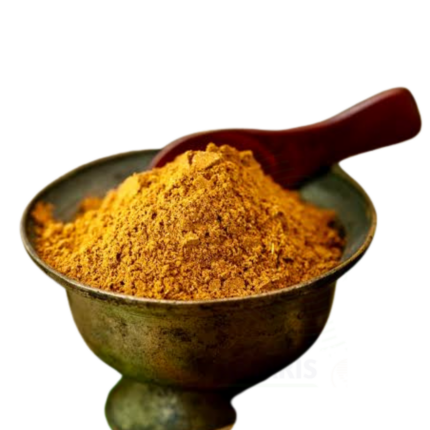
GARAM MASALA
Garam Masala is a warm, aromatic spice blend used in South Asian and East African cuisines, typically added at the end of cooking to preserve its volatile oils and fragrance. It contains cardamom, cinnamon, cloves, black pepper, cumin, coriander, nutmeg, mace, and sometimes bay leaves or fennel. For the gastroenterologist, dietitian, and primary care physician, it serves as a digestive aid (reducing bloating and flatulence), appetite stimulant, source of antioxidants and anti-inflammatory compounds, and modest metabolic support through thermogenic spices. For the patient, Garam Masala transforms plain rice, lentils, vegetables, meat, or soups into a fragrant, comforting, and flavorful dish that encourages nutrient intake, reduces post-meal discomfort, and makes healthy eating enjoyable without adding significant calories, fat, or sodium.
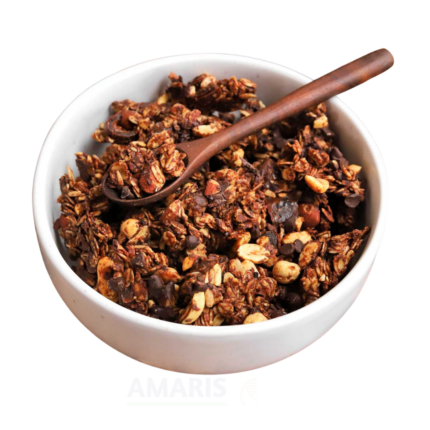
GRANOLA CHOCOLATE & NUTS
Granola Chocolate & Nuts is a baked, oat‑based breakfast cereal containing whole grain oats, nuts, seeds, and chocolate pieces (dark or milk chocolate), providing a rich source of dietary fiber (6‑10 g per serving), healthy fats, plant protein, antioxidants (flavonoids, vitamin E), and essential nutrients. For the gastroenterologist, cardiologist, endocrinologist, and dietitian, it serves as a high‑fiber, heart‑healthy, satiating option to support bowel regularity, lower cholesterol, manage weight, provide antioxidant support, and potentially improve mood. For the patient, it offers a crunchy, versatile, and chocolate‑infused breakfast that can be enjoyed with milk, yogurt, or as a dry snack, promoting digestive wellness, cardiovascular health, and sustained energy throughout the morning while satisfying chocolate cravings in a controlled manner.

NUTELLA
Nutella is a sweet, creamy hazelnut cocoa spread made from sugar, vegetable oil (palm), hazelnuts (13%), cocoa (7.4%), and skimmed milk powder. For the dietitian, endocrinologist, paediatrician, and sports nutritionist, it serves as a calorie‑dense, palatable dietary supplement to support patients with poor appetite, unintentional weight loss, hypoglycaemia, selective eating, or increased energy needs. For the patient, it offers a familiar, enjoyable spread that can be used on bread, crackers, fruit, or stirred into warm beverages, helping to improve nutritional intake and dietary adherence. While high in added sugar and saturated fat, when used in controlled portions as part of a balanced diet, Nutella can be a useful tool in various clinical and everyday settings.
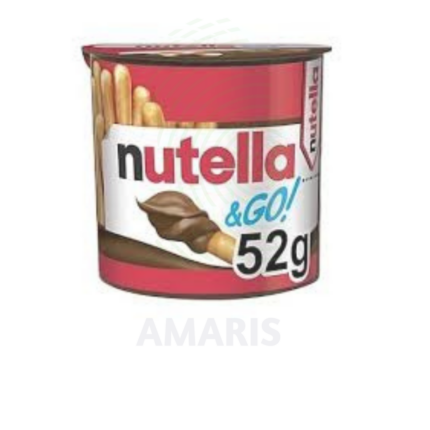
NUTELLA & GO
Nutella & Go is a ready‑to‑eat snack consisting of a smooth hazelnut cocoa spread (sugar, vegetable oil, hazelnuts, cocoa, skimmed milk) and crunchy breadsticks (grissini), packaged together for convenient, mess‑free consumption. For the dietitian, endocrinologist, pediatrician, and geriatrician, it serves as a portable, calorie‑dense, shelf‑stable option to support increased energy needs, manage hypoglycemia, encourage oral intake in patients with poor appetite or selective eating, and provide a quick energy source for travel or emergency situations. For the patient, it offers a familiar, sweet, and satisfying snack that requires no preparation, can be eaten on the go, and delivers approximately 250‑300 kcal of rapidly digestible carbohydrates and fats. While not a substitute for nutrient‑dense whole foods, it is a practical adjunct in various clinical and everyday settings.