
 Atta, Flours & Sooji
 Wheat Atta
 Sooji (Semolina)
 Organic Flours
 Besan (Gram Flour)
 Rice Flour
 Rice & Rice Products
 Rice Cakes
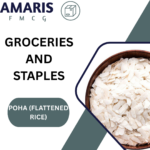 Poha (Flattened Rice)
 Brown & Red Rice
 Basmati Rice
 Non-Basmati Rice
 Dals & Pulses
 Whole Pulses (Rajma, Chana)
 Masoor Dal
 Chana Dal
 Toor Dal
 Moong Dal
 Edible Oils
 Blended Oils
 Coconut Oil
 Soybean Oil
 Mustard Oil
 Olive Oil
 Sunflower Oil
 Salt, Sugar & Jaggery
 White & Brown Sugar
 Sea Salt & Himalayan Salt
 Table Salt
 Jaggery (Powdered & Block)
 Spices & Seasonings
 Herbs & Seasoning Packets
 Spice Blends (Masalas)
 Whole Spices
 Powdered Spices
 Sauces, Spreads & Condiments
 Honey, Jam & Spreads
 Soy & Chili Sauce
 Chutneys
 Pickles
 Tomato Ketchup
 Mayonnaise & Dressings
 Breakfast Cereals
 Oats & Muesli
 Granola
 Cornflakes
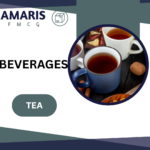 Tea
Tea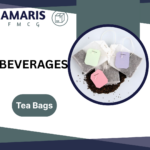 Tea Bags
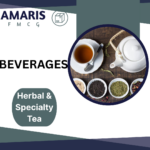 Herbal & Specialty Tea
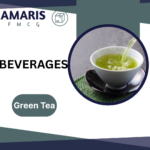 Green Tea
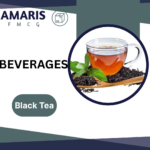 Black Tea
 Coffee
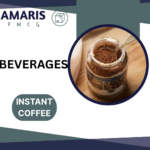 Instant Coffee
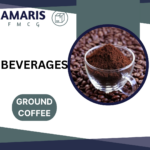 Ground Coffee
 Coffee Beans
 Health & Energy Drinks
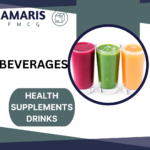 Health Supplements Drinks
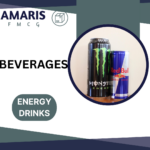 Energy Drinks
 Protein Shakes
 Fruit Juices & Drinks
 Coconut Water
 Nectars & Juice Drinks
 100% Juices
 Soft Drinks & Sodas
 Cola
Cola Diet Sodas
 Fruit Sodas
 Lemonade
 Water
Water Sparkling Water
 Packaged Drinking Water
 Flavored Water
 Namkeen & Savory Snacks
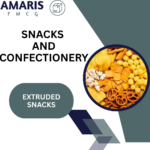 Extruded Snacks
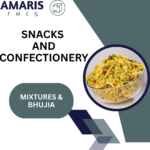 Mixtures & Bhujia
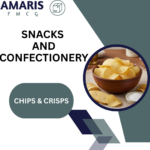 Chips & Crisps
 Biscuits & Cookies
 Cookies
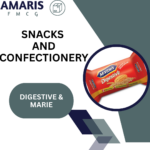 Digestive & Marie
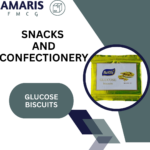 Glucose Biscuits
 Cream Biscuits
 Chocolates & Candies
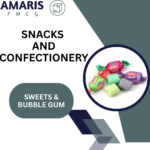 Sweets & Bubble Gum
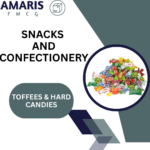 Toffees & Hard Candies
 Chocolate Bars
 Boxed Chocolates
 Cakes & Pastries
 Pastries & Danish
 Cupcakes
 Birthday & Celebration Cakes
 Desserts & Ice Cream Toppings
 Caramel & Fruit Toppings
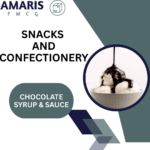 Chocolate Syrup & Sauce
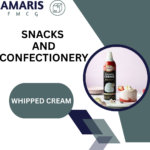 Whipped Cream
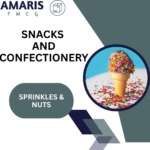 Sprinkles & Nuts
 Nuts & Dry Fruits
 Raisins & Apricots
 Roasted & Salted Nuts
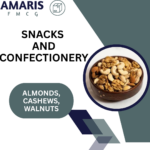 Almonds, Cashews, Walnuts
 Milk
Milk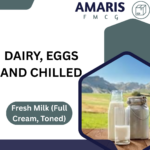 Fresh Milk (Full Cream, Toned)
 Flavored Milk
 Butter & Margarine
 Margarine
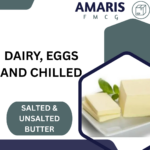 Salted & Unsalted Butter
 Cheese
 Sliced Cheese
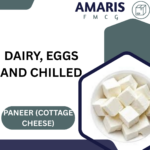 Paneer (Cottage Cheese)
 Cream Cheese & Spreads
 Cheese Blocks (Cheddar, Mozzarella)
 Yogurt & Curd
 Set Curd
 Yogurt Drinks (Lassi, Chaas)
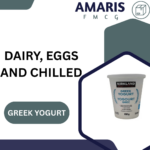 Greek Yogurt
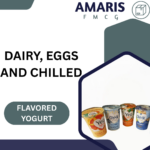 Flavored Yogurt
 Cream & Desserts
 Custards & Mousses
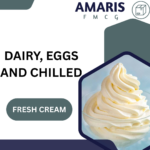 Fresh Cream
 Eggs
Eggs Organic Eggs
 Brown Eggs
 Farm Eggs
 Frozen Vegetables
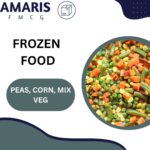 Peas, Corn, Mix Veg
 Frozen Snacks & Appetizers
 Samosas & Spring Rolls
 Nuggets & Finger Foods
 Frozen Meat & Poultry
 Frozen Sausages & Hot Dogs
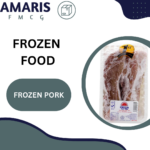 Frozen Pork
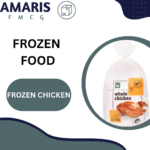 Frozen Chicken
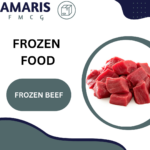 Frozen Beef
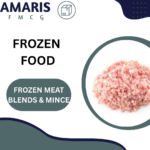 Frozen Meat Blends & Mince
 Frozen Seafood
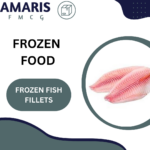 Frozen Fish Fillets
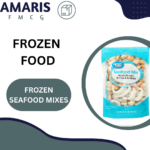 Frozen Seafood Mixes
 Ice Cream & Frozen Desserts
 Sorbets & Gelato
 Ice Cream Tubs
 Ice Cream Bars & Cones
 Oral Care
 Mouthwash
 Toothpaste
 Toothbrushes (Manual & Electric)
 Bath & Body
 Deodorants & Antiperspirants
 Body Lotions & Moisturizers
 Soaps & Body Wash
 Hair Care
 Styling Products (Gel, Wax, Spray)
 Hair Oils
 Shampoo & Conditioner
 Skincare
 Lip Balm
 Moisturizers & Creams
 Face Wash & Cleansers
 Feminine Hygiene
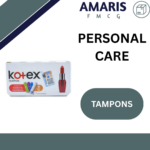 Tampons
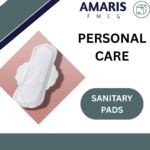 Sanitary Pads
 Shaving Needs
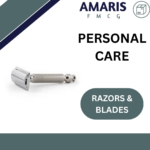 Razors & Blades
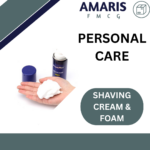 Shaving Cream & Foam
 Vitamins & Supplements
 Multivitamins
 Protein Powder
 Specialty Supplements (Omega-3, Calcium)
 Ayurveda & Herbal
 Herbal Supplements
 Chyawanprash
 Weight Management
 Fitness & Workout Accessories
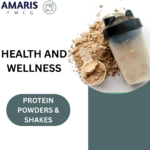 Protein Shakes & Powders
 Sports Nutrition
 Energy Bars & Snacks
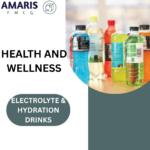 Electrolyte & Hydration Drinks
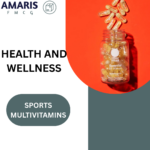 Sports Multivitamins
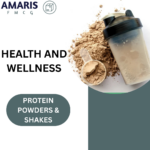 Protein Powders & Shakes
 Dishwashing
 Dishwashing Bars & Liquid
 Dishwasher Detergents
 Laundry
 Fabric Softeners & Whiteners
 Detergent Powder & Liquid
 Detergent Bars
 Floor & Surface Cleaners
 Glass & Mirror Cleaners
 All-Purpose Cleaners
 Floor Cleaners (Liquid, Powder)
 Toilet Cleaners
 Toilet Cleaning Tablets
 Toilet Brush & Cleaner Sets
 Liquid Toilet Cleaners
 Insecticides & Repellents
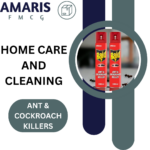 Ant & Cockroach Killers
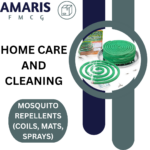 Mosquito Repellents (Coils, Mats, Sprays)
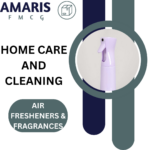 Air Fresheners & Fragrances
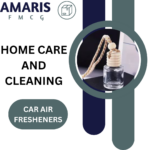 Car Air Fresheners
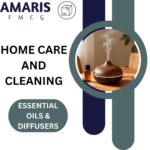 Essential Oils & Diffusers
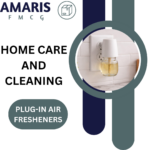 Plug-In Air Fresheners
 Scented Candles
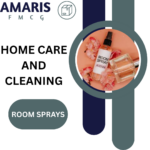 Room Sprays
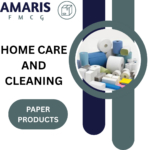 Paper Products
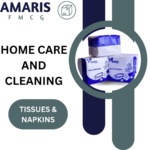 Tissues & Napkins
 Kitchen Towels
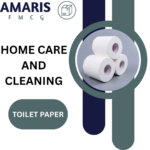 Toilet Paper
 Baby Food & Formula
 Cereals & Purees
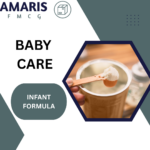 Infant Formula
 Diapers & Wipes
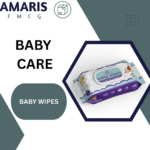 Baby Wipes
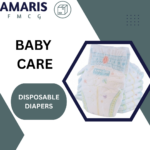 Disposable Diapers
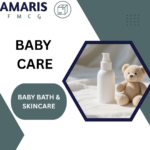 Baby Bath & Skincare
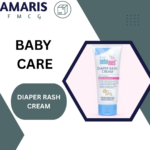 Diaper Rash Cream
 Baby Soap & Shampoo
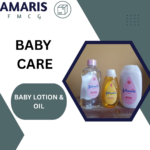 Baby Lotion & Oil
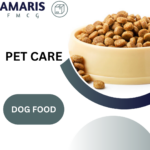 Dog Food
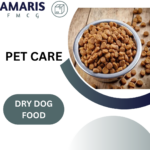 Dry Dog Food
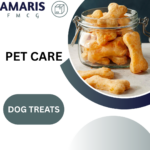 Dog Treats
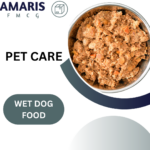 Wet Dog Food
 Pet Grooming
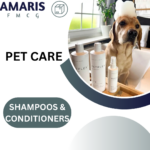 Shampoos & Conditioners
 Brushes & Combs
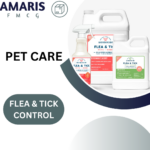 Flea & Tick Control
 Grooming Tools & Kits
 Pet Accessories
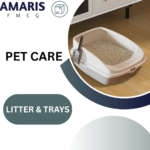 Litter & Trays (for cats)
 Collars & Leashes
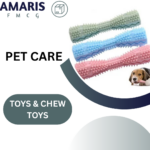 Toys & Chew Toys
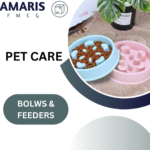 Bowls & Feeders
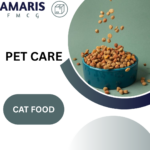 Cat Food
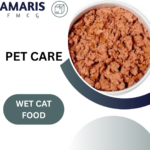 Wet Cat Food
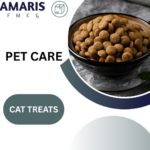 Cat Treats
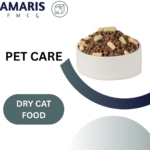 Dry Cat Food
 Organic Products
 Organic Beverages
 Organic Supplements
 Organic Food & Snacks
 Gluten-Free
 Gluten-Free Beverages
 Gluten-Free Snacks
 Gluten-Free Pasta & Grains
 Gluten-Free Breads & Bakery
 Vegan Products
 Vegan Supplements
 Vegan Food & Snacks
 Vegan Beverages
 Sugar-Free & No Added Sugar
 Sugar-Free Beverages
 Sugar-Free Snacks
 Sugar-Free Desserts & Sweets
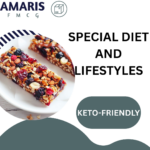 Keto-Friendly
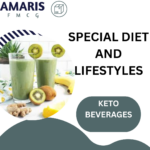 Keto Beverages
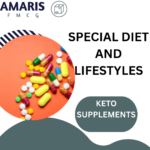 Keto Supplements
 Keto Snacks
 Diabetic-Friendly
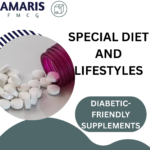 Diabetic-Friendly Supplements
 Diabetic-Friendly Health Monitors & Devices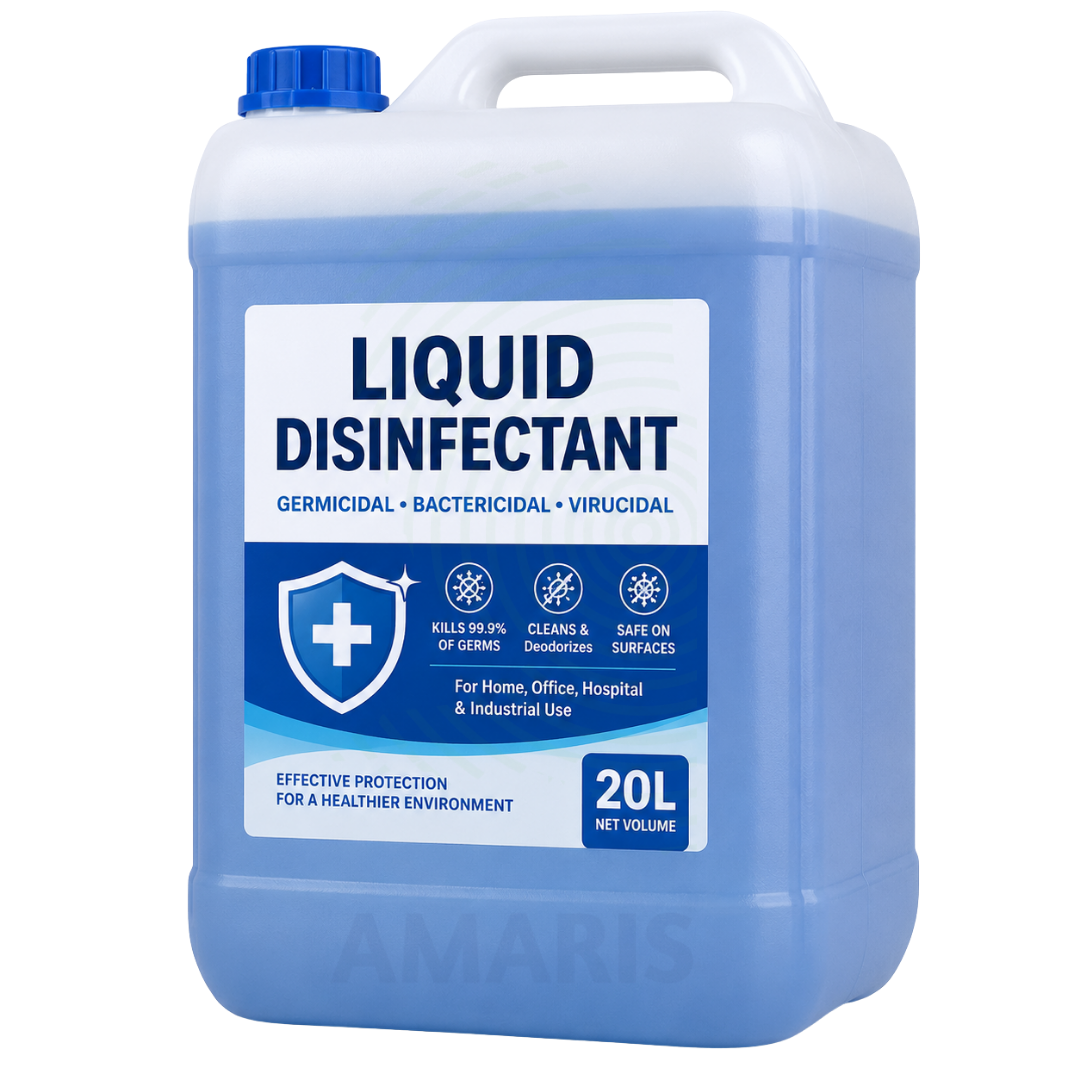
LIQUID DISINFECTANT
WhatsApp Order
Liquid Disinfectant is a versatile antimicrobial solution formulated for broad-spectrum disinfection of hard surfaces in healthcare, institutional, and community settings. Available in ready-to-use and concentrated formats, it contains active ingredients such as Quaternary Ammonium Compounds, Chlorhexidine, Hypochlorous Acid, or Benzalkonium Chloride to kill bacteria, viruses, and fungi on surfaces like floors, walls, medical equipment, countertops, and bathroom fixtures. Suitable for clinical, institutional, and community environments. For external use only. Avoid contact with eyes. If swallowed, seek medical advice. Keep out of reach of children. Use according to label instructions for contact time and dilution.
Description
LIQUID DISINFECTANT
PRIMARY USES
1. Broad-Spectrum Surface Disinfection for Healthcare and Clinical Settings
Primary Use: Provides a ready-to-use or concentrated liquid formulation designed to kill a wide range of pathogens, including bacteria, viruses, and fungi, on hard, non-porous surfaces such as countertops, medical equipment, floors, and high-touch areas in healthcare facilities .
How it helps: For healthcare staff and environmental services teams, liquid disinfectants are essential for maintaining sterile conditions and preventing healthcare-associated infections. The broad-spectrum efficacy ensures comprehensive protection against common pathogens, including Staphylococcus aureus, Pseudomonas aeruginosa, Salmonella, E. coli, and viruses like HIV-1, norovirus, and influenza . The liquid format allows for easy application via spraying, wiping, or mopping, making it suitable for disinfecting large surface areas quickly and effectively. For the clinical team, this means reliable, consistent disinfection that supports infection prevention protocols.
2. Antibacterial Protection for High-Touch Surfaces
Primary Use: Formulated with active ingredients such as Quaternary Ammonium Compounds (e.g., Benzalkonium Chloride), Chlorhexidine, Hypochlorous Acid, or Phenolics, which disrupt bacterial cell membranes and inactivate viral particles, providing effective sanitisation and disinfection of surfaces with appropriate contact time .
How it helps: For healthcare staff and infection control specialists, the active ingredient composition determines the spectrum of activity and contact time required. Quaternary ammonium compounds and phenolics are effective against a wide range of bacteria and enveloped viruses, while some formulations with hypochlorous acid or hydrogen peroxide offer additional sporicidal activity. The liquid format ensures even coverage and penetration of surface pores, making it effective for high-touch areas where pathogen transmission is most likely. For the user, this means effective, targeted disinfection that helps reduce the risk of cross-contamination.
3. Versatile Disinfection for Multiple Surfaces and Applications
Primary Use: Suitable for use on a wide range of surfaces including floors, walls, countertops, medical equipment, furniture, and bathroom fixtures, making it a multi-purpose tool for clinical, institutional, and community settings .
How it helps: For facilities managers and procurement officers, a versatile liquid disinfectant simplifies inventory management and ensures consistent disinfection protocols across different areas. Healthcare-grade formulations are tested for material compatibility on metals, plastics, vinyl, and ceramics, ensuring effective disinfection without surface damage. The ready-to-use format (RTU) eliminates dilution errors, while concentrated versions allow for cost-effective bulk preparation. For the user, this means one product for multiple surface types, reducing the number of cleaning products needed and simplifying training.
SECONDARY USES
1. Personal hygiene and skin disinfection: Some liquid disinfectants (e.g., those containing Chlorhexidine or Savlon) are indicated for hand hygiene and disinfection of intact skin, making them suitable for first aid, pre-operative skin preparation, and general personal hygiene .
2. Laundry and fabric sanitisation: Certain liquid disinfectants can be diluted and added to the final rinse cycle of laundry to sanitise fabrics, towels, and linens, reducing bacterial contamination in healthcare and domestic settings .
3. Mop water and floor cleaning: Liquid disinfectants can be diluted in water for mopping floors in clinical, institutional, and community settings, ensuring that floor surfaces are both cleaned and disinfected in one step .
4. Food contact surface sanitisation: Some formulations (e.g., hypochlorous acid-based) are effective for sanitising food contact surfaces, providing a no-rinse option when used according to label directions .
KEY PRODUCT FEATURES
1. BASIC IDENTIFICATION ATTRIBUTES
-
Device Type: Liquid disinfectant; not a medical device (unless specified for skin use)
-
Active Ingredients (Variants): Quaternary Ammonium Compounds (e.g., Benzalkonium Chloride, Didecyldimethylammonium Chloride) , Chlorhexidine Gluconate , Hypochlorous Acid, Phenolics (e.g., o-phenylphenol) , Sodium Hypochlorite
-
Purpose: Antimicrobial / Disinfectant / Sanitiser
-
Indications: Disinfection of hard, non-porous surfaces; reduction of pathogenic microorganisms
-
Format: Ready-to-use (RTU) liquid, Concentrated liquid
2. TECHNICAL & PERFORMANCE PROPERTIES
-
Efficacy: Kills 99.9-99.9999% of germs including bacteria, viruses, fungi
-
Microbial Claims: Bactericidal, viricidal, fungicidal, tuberculocidal (depending on formulation)
-
Contact Time: Typically 1-10 minutes depending on pathogen and formulation
-
Surface Types: Hard non-porous surfaces (countertops, floors, medical equipment, stainless steel, plastics)
-
Alcohol-Free (select variants): Ammonium-free and bleach-free for device safety
-
Dilution: Ready-to-use (no dilution) or concentrated (dilute according to label)
3. PHYSICAL & OPERATIONAL PROPERTIES
-
Preparation: For RTU, no dilution required. For concentrated, dilute according to label instructions.
-
Application: Spray on surface from appropriate distance (15-30cm) or apply with cloth/mop. Ensure surface remains wet for required contact time (1-10 minutes). Wipe or allow to air dry.
-
Frequency: As needed; after each patient contact in clinical settings; multiple times daily for high-touch surfaces
-
Storage: Store in a cool, dry place away from direct sunlight. Keep container tightly sealed.
-
Pack Sizes: Ranging from 250ml bottles to 1L, 5L, and bulk institutional sizes
4. SAFETY & COMPLIANCE ATTRIBUTES
-
For external use only: Not for ingestion.
-
Eye contact warning: Avoid contact with eyes. If contact occurs, rinse thoroughly with water.
-
Skin sensitivity: May cause irritation in sensitive individuals. Use gloves for prolonged contact.
-
Keep out of reach of children: Store securely.
-
Use as directed: Follow label instructions for dilution and contact time.
-
Regulatory: EPA-registered (USA) , DIN-registered (Canada) ; CE-marked for medical devices (select variants)
-
Quality Assurance: Manufactured under ISO standards by major manufacturers
SAFETY HANDLING PRECAUTIONS
1. SAFETY PRECAUTIONS
-
For external use only: Liquid disinfectants are formulated for surface disinfection. Do not ingest. If swallowed, contact a poison control centre or seek medical attention immediately.
-
Avoid eye contact: If product enters eyes, rinse immediately with plenty of clean, lukewarm water for at least 15 minutes. If irritation persists, seek medical advice.
-
Skin irritation: Discontinue use if persistent redness, burning, or rash develops. Use gloves for prolonged contact.
-
Flammable (alcohol-based variants): Alcohol-based liquid disinfectants are flammable. Keep away from heat sources, sparks, and open flames. Do not smoke while using.
-
Children: Keep out of reach of children. May be harmful if swallowed.
-
Use as directed: Follow label instructions for dilution, contact time, and surface compatibility. Do not mix with other cleaning chemicals unless specified.
-
Proper rinsing: For surfaces that come into contact with food, rinse with potable water after disinfection unless the product is labelled no-rinse for food contact surfaces.
-
Storage: Store in a cool, dry place away from direct sunlight. Keep container tightly closed.
2. FIRST AID MEASURES
-
Ingestion: Do not induce vomiting. Rinse mouth with water. Contact a poison control centre or seek emergency medical attention immediately.
-
Eye contact: Rinse with plenty of clean, lukewarm water for at least 15 minutes. If irritation persists, seek medical advice.
-
Skin irritation: Discontinue use if rash or persistent irritation develops. Wash affected area with water. If condition worsens or lasts more than 72 hours, consult a healthcare professional.
-
Inhalation (vapours): In case of exposure to high vapour concentrations (e.g., in enclosed spaces without ventilation), move to fresh air. Seek medical attention if respiratory symptoms develop.
3. FIRE FIGHTING MEASURES
-
Flammability: Alcohol-based variants are flammable liquids. Will ignite if exposed to open flame, sparks, or high heat.
-
Extinguishing Media: Use water spray, foam, dry chemical powder, or carbon dioxide (CO₂). Alcohol-resistant foam is recommended for large fires.
-
Fire Response: For small fires, use an appropriate extinguisher. For larger fires, evacuate areas. Cool exposed containers with water spray to prevent rupture. Firefighters should wear self-contained breathing apparatus (SCBA) and full protective gear.
Related products
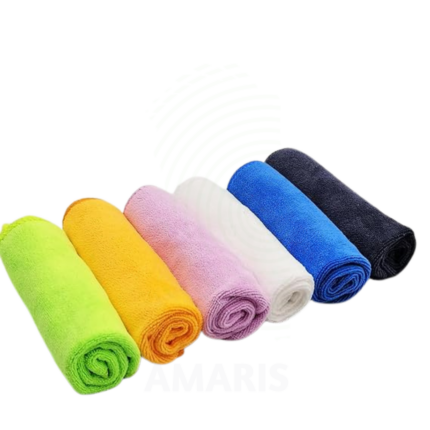
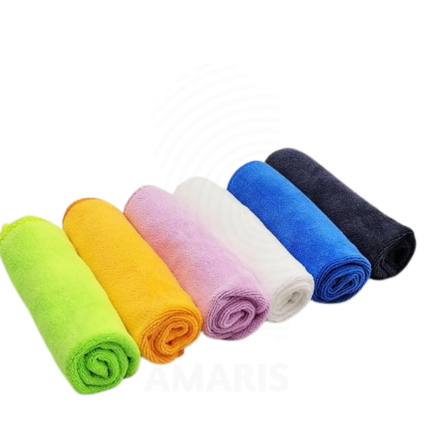
ALL-PURPOSE CLOTH
All-Purpose Cloth is a reusable, versatile cleaning tool designed for wet and dry use across multiple surfaces including kitchens, bathrooms, glass, and stainless steel. Made from microfiber (polyester/polyamide) or a viscose-polyester blend, it is highly absorbent and lint-free, leaving a streak-free finish. The cloth is machine washable for extended use, reducing waste and cost compared to disposables. Available in various colours for colour-coded cleaning systems. Suitable for domestic and commercial environments.
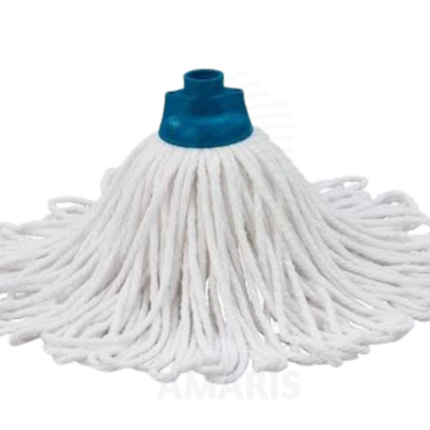
CLASSIC COTTON MOP
Classic Cotton Mop is a reusable wet floor cleaning mop with 70-100% cotton content for optimal dirt pick-up and moisture absorption . Features loop pile and outer fringes for good sliding behaviour and handling of high dirt volumes on smooth and lightly structured hard floors . Colour-coded loops (blue, red, yellow, green) can be cut to designate specific cleaning areas and prevent cross-contamination . Washable at up to 60-90°C with approximately 150-250 wash cycles . Suitable for flat mop systems with bucket and press .
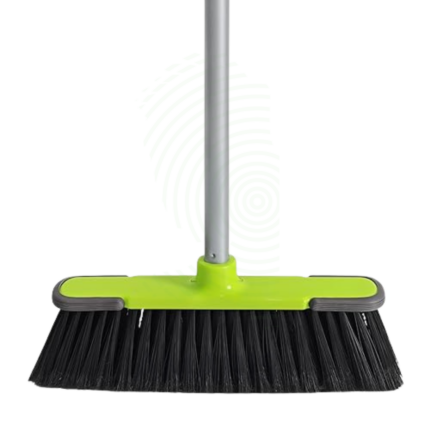
INDOOR BROOM
Indoor Broom is a lightweight sweeping tool with thinner brush hairs designed for interior floor surfaces, featuring flagged bristles that trap dust and debris effectively. The angled brush head reaches corners and under furniture, with soft, dense bristles for a thorough sweep. Models include rubber bumpers to protect walls and furniture, anti-static effects for dust control, and plastic-coated steel handles for durability and comfort. Suitable for tile, wood, vinyl, and concrete floors. Ideal for clinical, commercial, and domestic environments.
SINGLE SHEET HAND PAPER TOWELS
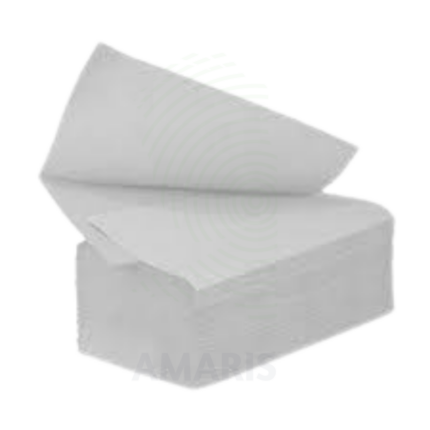
Single Sheet Hand Paper Towels are a washroom solution designed for one-at-a-time dispensing, promoting hygiene and controlling waste . Available in various materials (e.g., 1 or 2-ply, made from 100% recycled fibre or virgin pulp) , many products are strong, absorbent, and certified (e.g., FSC, European Ecolabel) for environmental assurance .
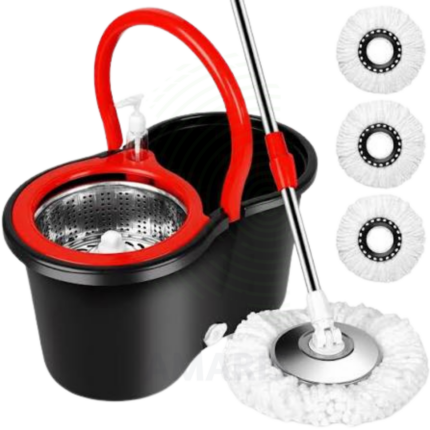
SUPERMOTION 2 ACTION SYSTEM
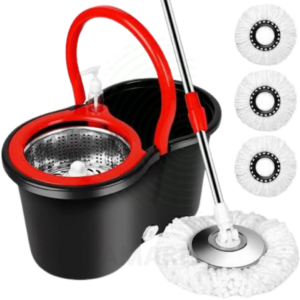
SuperMotion 2 Action System is a complete mopping system featuring a sturdy bucket with a 2-action wringer mechanism that enables either hand or foot operation for controlled moisture removal. The handle allows manual wringing, while the foot pedal enables hands-free operation when needed. The plate pivots to squeeze the mop, with a biasing member returning the mechanism to the released position. Suitable for healthcare facilities, offices, and industrial cleaning applications.
SUPERMOTION BUCKET
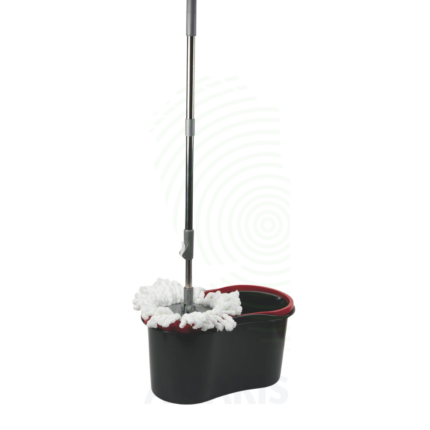
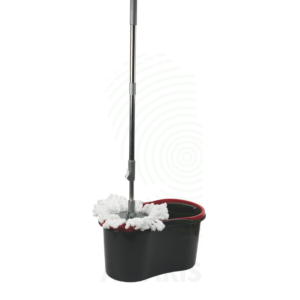
SuperMotion Bucket is a complete mopping system designed for efficient floor cleaning in clinical and commercial environments. Features a durable bucket with an integrated wringer mechanism for controlled moisture removal, reducing slip hazards and ensuring optimal cleaning results. Lightweight design (0.7kg) with dimensions 385mm height x 385mm depth x 280mm width . Suitable for healthcare facilities, offices, and industrial cleaning applications. Colour: Blue.
TURBO REFILL
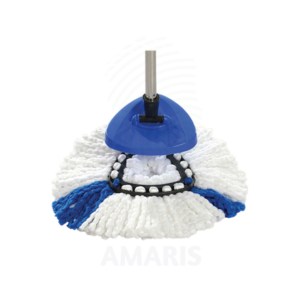
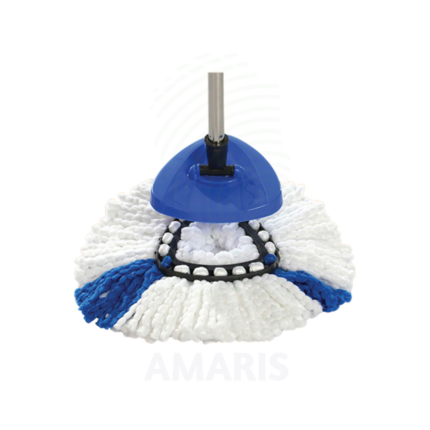
Turbo Refill is a replacement microfibre mop head for Vileda Turbo spin mop systems, featuring two types of microfibre that remove dirt and up to 99% of bacteria with just water . Compatible with all Turbo systems including Turbo Smart, Turbo Classic, and Easy Wring & Clean . Machine washable at 30°C and reusable for up to 6 months . The triangular shape reaches corners and under furniture . Available in 2in1 and 3in1 variants, with the 3in1 offering 40% more cleaning power . OEKO-TEX certified .