 Atta, Flours & Sooji
 Wheat Atta
 Sooji (Semolina)
 Organic Flours
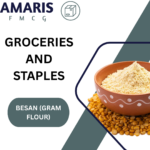 Besan (Gram Flour)
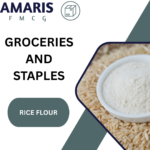 Rice Flour
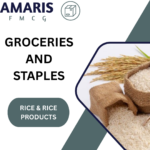 Rice & Rice Products
 Rice Cakes
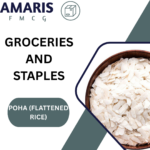 Poha (Flattened Rice)
 Brown & Red Rice
 Basmati Rice
 Non-Basmati Rice
 Dals & Pulses
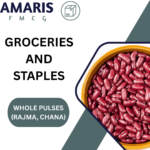 Whole Pulses (Rajma, Chana)
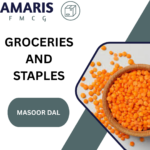 Masoor Dal
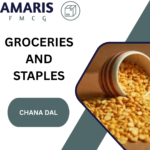 Chana Dal
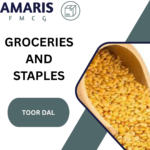 Toor Dal
 Moong Dal
 Edible Oils
 Blended Oils
 Coconut Oil
 Soybean Oil
 Mustard Oil
 Olive Oil
 Sunflower Oil
 Salt, Sugar & Jaggery
 White & Brown Sugar
 Sea Salt & Himalayan Salt
 Table Salt
 Jaggery (Powdered & Block)
 Spices & Seasonings
 Herbs & Seasoning Packets
 Spice Blends (Masalas)
 Whole Spices
 Powdered Spices
 Sauces, Spreads & Condiments
 Honey, Jam & Spreads
 Soy & Chili Sauce
 Chutneys
 Pickles
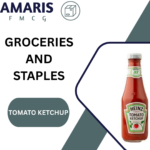 Tomato Ketchup
 Mayonnaise & Dressings
 Breakfast Cereals
 Oats & Muesli
 Granola
 Cornflakes
 Canned & Packaged Foods
 Cream Soups / Tomato Soup
 Tea
Tea Tea Bags
 Herbal & Specialty Tea
 Green Tea
 Black Tea
 Coffee
 Instant Coffee
 Ground Coffee
 Coffee Beans
 Health & Energy Drinks
 Health Supplements Drinks
 Energy Drinks
 Protein Shakes
 Fruit Juices & Drinks
 Coconut Water
 Nectars & Juice Drinks
 100% Juices
 Soft Drinks & Sodas
 Cola
Cola Diet Sodas
 Fruit Sodas
 Lemonade
 Water
Water Sparkling Water
 Packaged Drinking Water
 Flavored Water
 Powdered Drinks
 Drinking Chocolates
 Namkeen & Savory Snacks
 Extruded Snacks
 Mixtures & Bhujia
 Chips & Crisps
 Biscuits & Cookies
 Cookies
 Digestive & Marie
 Glucose Biscuits
 Cream Biscuits
 Chocolates & Candies
 Sweets & Bubble Gum
 Toffees & Hard Candies
 Chocolate Bars
 Boxed Chocolates
 Cakes & Pastries
 Pastries & Danish
 Cupcakes
 Birthday & Celebration Cakes
 Desserts & Ice Cream Toppings
 Caramel & Fruit Toppings
 Chocolate Syrup & Sauce
 Whipped Cream
 Sprinkles & Nuts
 Nuts & Dry Fruits
 Raisins & Apricots
 Roasted & Salted Nuts
 Almonds, Cashews, Walnuts
 Milk
Milk Fresh Milk (Full Cream, Toned)
 Flavored Milk
 Butter & Margarine
 Margarine
 Salted & Unsalted Butter
 Cheese
 Sliced Cheese
 Paneer (Cottage Cheese)
 Cream Cheese & Spreads
 Cheese Blocks (Cheddar, Mozzarella)
 Yogurt & Curd
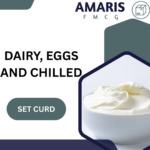 Set Curd
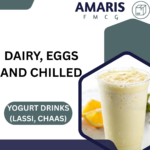 Yogurt Drinks (Lassi, Chaas)
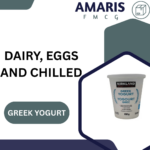 Greek Yogurt
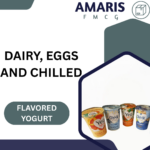 Flavored Yogurt
 Cream & Desserts
 Custards & Mousses
 Fresh Cream
 Eggs
Eggs Organic Eggs
 Brown Eggs
 Farm Eggs
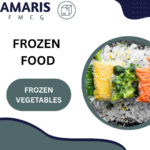 Frozen Vegetables
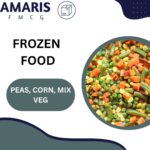 Peas, Corn, Mix Veg
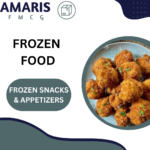 Frozen Snacks & Appetizers
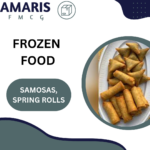 Samosas & Spring Rolls
 Nuggets & Finger Foods
 Frozen Meat & Poultry
 Frozen Sausages & Hot Dogs
 Frozen Pork
 Frozen Chicken
 Frozen Beef
 Frozen Meat Blends & Mince
 Frozen Seafood
 Frozen Fish Fillets
 Frozen Seafood Mixes
 Ice Cream & Frozen Desserts
 Sorbets & Gelato
 Ice Cream Tubs
 Ice Cream Bars & Cones
 Oral Care
 Mouthwash
 Toothpaste
 Toothbrushes (Manual & Electric)
 Bath & Body
 Deodorants & Antiperspirants
 Body Lotions & Moisturizers
 Soaps & Body Wash
 Hair Care
 Styling Products (Gel, Wax, Spray)
 Hair Oils
 Shampoo & Conditioner
 Skincare
 Lip Balm
 Moisturizers & Creams
 Face Wash & Cleansers
 Feminine Hygiene
 Tampons
 Sanitary Pads
 Shaving Needs
 Razors & Blades
 Shaving Cream & Foam
 Vitamins & Supplements
 Multivitamins
 Protein Powder
 Specialty Supplements (Omega-3, Calcium)
 Ayurveda & Herbal
 Herbal Supplements
 Chyawanprash
 Weight Management
 Fitness & Workout Accessories
 Protein Shakes & Powders
 Sports Nutrition
 Energy Bars & Snacks
 Electrolyte & Hydration Drinks
 Sports Multivitamins
 Protein Powders & Shakes
 Dishwashing
 Dishwashing Bars & Liquid
 Dishwasher Detergents
 Laundry
 Fabric Softeners & Whiteners
 Detergent Powder & Liquid
 Detergent Bars
 Floor & Surface Cleaners
 Glass & Mirror Cleaners
 All-Purpose Cleaners
 Floor Cleaners (Liquid, Powder)
 Toilet Cleaners
 Toilet Cleaning Tablets
 Toilet Brush & Cleaner Sets
 Liquid Toilet Cleaners
 Insecticides & Repellents
 Ant & Cockroach Killers
 Mosquito Repellents (Coils, Mats, Sprays)
 Air Fresheners & Fragrances
 Car Air Fresheners
 Essential Oils & Diffusers
 Plug-In Air Fresheners
 Scented Candles
 Room Sprays
 Paper Products
 Tissues & Napkins
 Kitchen Towels
 Toilet Paper
 Baby Food & Formula
 Cereals & Purees
 Infant Formula
 Diapers & Wipes
 Baby Wipes
 Disposable Diapers
 Baby Bath & Skincare
 Diaper Rash Cream
 Baby Soap & Shampoo
 Baby Lotion & Oil
 Dog Food
 Dry Dog Food
 Dog Treats
 Wet Dog Food
 Pet Grooming
 Shampoos & Conditioners
 Brushes & Combs
 Flea & Tick Control
 Grooming Tools & Kits
 Pet Accessories
 Litter & Trays (for cats)
 Collars & Leashes
 Toys & Chew Toys
 Bowls & Feeders
 Cat Food
 Wet Cat Food
 Cat Treats
 Dry Cat Food
 Organic Products
 Organic Beverages
 Organic Supplements
 Organic Food & Snacks
 Gluten-Free
 Gluten-Free Beverages
 Gluten-Free Snacks
 Gluten-Free Pasta & Grains
 Gluten-Free Breads & Bakery
 Vegan Products
 Vegan Supplements
 Vegan Food & Snacks
 Vegan Beverages
 Sugar-Free & No Added Sugar
 Sugar-Free Beverages
 Sugar-Free Snacks
 Sugar-Free Desserts & Sweets
 Keto-Friendly
 Keto Beverages
 Keto Supplements
 Keto Snacks
 Diabetic-Friendly
 Diabetic-Friendly Supplements
 Diabetic-Friendly Health Monitors & Devices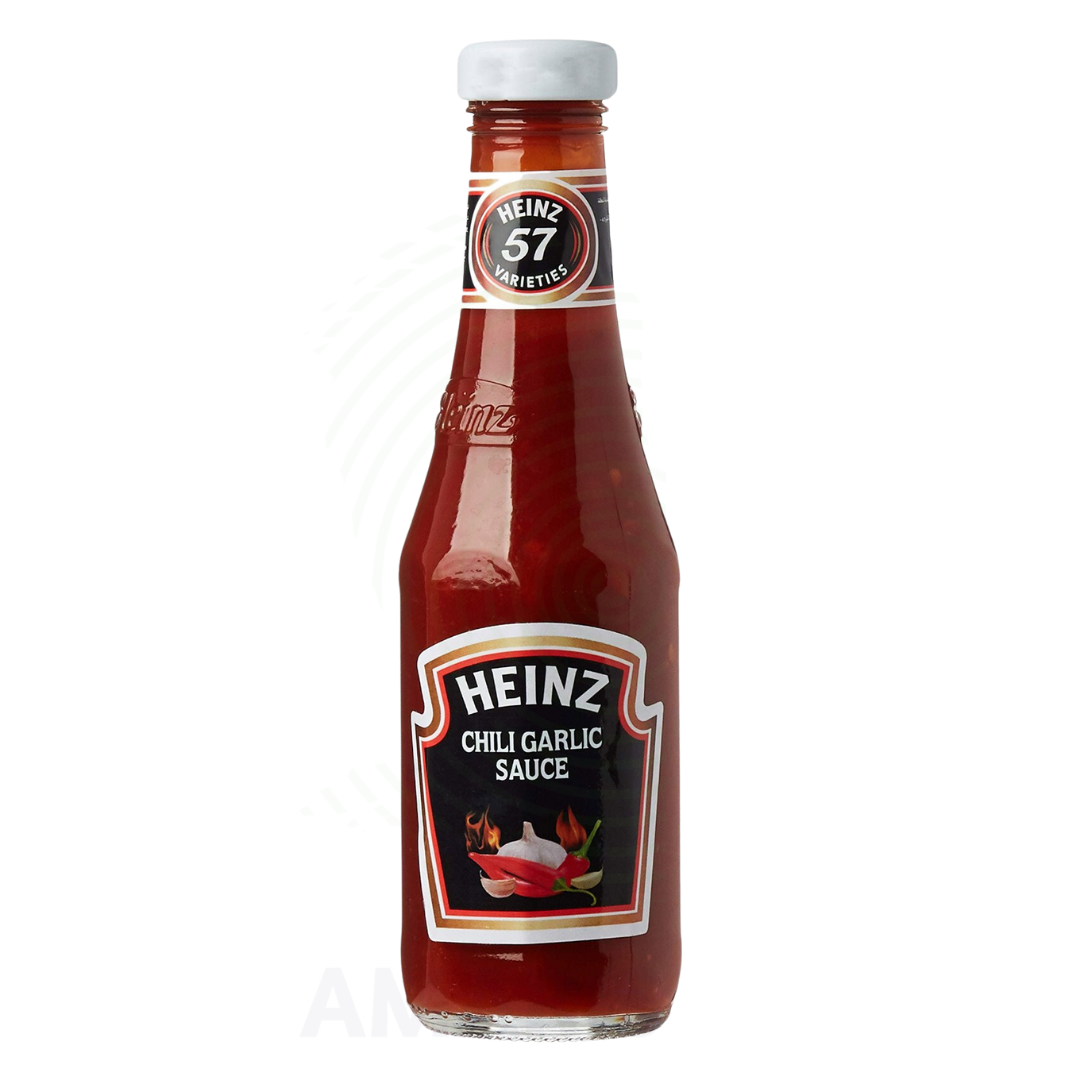

HEINZ CHILI GARLIC SAUCE
WhatsApp Order
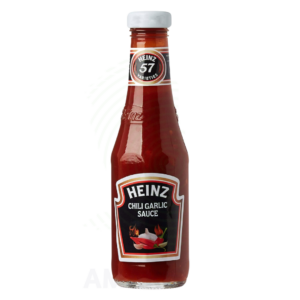
Heinz Chili Garlic Sauce is a smooth, tomato‑based condiment that combines the bold heat of chili peppers with the pungent, savory notes of garlic. It is made from tomato puree, distilled white vinegar, high fructose corn syrup (or sugar, depending on the regional formulation), salt, corn syrup, dehydrated onion, spice blend, and garlic powder. The product is a staple in many households, valued for its versatility as a dipping sauce, spread, marinade base, and cooking ingredient. For the dietitian, geriatrician, and primary care physician, Heinz Chili Garlic Sauce serves as a dual‑purpose tool for appetite stimulation (via capsaicin and garlic compounds) and flavor enhancement for patients with poor appetite, dysphagia, age‑related taste changes, or chemotherapy‑induced dysgeusia. It also offers potential benefits for weight management (low calorie, metabolism‑supporting properties) and cardiovascular health (garlic‑derived compounds). For the patient, Heinz Chili Garlic Sauce adds exciting, layered flavor to eggs, rice, pasta, meat, vegetables, and sandwiches, making meals more enjoyable and supporting better nutritional intake and dietary adherence.
Description
HEINZ CHILI GARLIC SAUCE
PRIMARY CLINICAL & DIAGNOSTIC USES
1. Combined Flavor Enhancement for Dysphagia & Texture-Modified Diets
-
Primary Use: Provides a smooth, tomato-based sauce with a balanced blend of chili heat and garlic pungency, designed to improve the palatability and moisture content of soft or pureed foods for patients with swallowing difficulties (dysphagia), poor appetite, or those requiring texture-modified diets.
-
How it helps: For the speech‑language pathologist, geriatrician, and dietitian, the smooth, uniform consistency of Heinz Chili Garlic Sauce blends easily into pureed meats, mashed potatoes, scrambled eggs, soft rice, or pureed vegetables. The combination of chili and garlic delivers a complex sensory stimulus, enhancing flavor and moisture while encouraging oral intake and reducing aspiration risk. For the patient, a small amount of Heinz Chili Garlic Sauce can transform bland, texture‑modified food into a more appetizing meal, supporting nutritional intake and quality of life.
2. Dual‑Mechanism Appetite Stimulation for Age‑Related Anorexia & Chemotherapy‑Induced Taste Changes
-
Primary Use: Used as a pungent, flavorful condiment to increase the sensory appeal of bland or monotonous foods for elderly patients with reduced taste perception (age‑related anorexia) or for individuals undergoing chemotherapy who experience dysgeusia (metallic or bitter taste).
-
How it helps: For the geriatrician and oncology nutritionist, the dual action of capsaicin from chili and the pungency of garlic can overcome taste fatigue and medication‑induced distorted tastes more effectively than single‑note condiments. Capsaicin triggers TRPV1 receptors, increasing salivary flow and gastric secretions, while garlic contains allicin and sulfur compounds that stimulate the senses. Adding a small amount to eggs, rice, pasta, pureed vegetables, or soft sandwiches makes the dish more inviting. For the patient, this simple addition can encourage voluntary food intake, helping to maintain weight and nutritional status during difficult periods of treatment or aging.
3. Metabolic and Appetite Support for Weight Management
-
Primary Use: Serves as a low‑calorie flavor enhancer to add bold taste to low‑calorie meals for patients following calorie‑restricted diets for obesity, metabolic syndrome, or pre‑diabetes, while potentially supporting modest increases in energy expenditure and fat oxidation.
-
How it helps: For the endocrinologist and weight management dietitian, chili peppers contain capsaicinoids that have been associated with enhanced metabolism and weight loss, helping to regulate appetite and satiety. Clinical studies have shown a daily dose of 2 mg capsaicinoids can boost metabolic rate under both fed and fasting conditions in overweight subjects. Heinz Chili Garlic Sauce contains only 20 calories per tablespoon (17 g), with 0 g fat and 0 g protein, making it a suitable alternative to high‑calorie condiments. For the patient, using this sauce instead of calorie‑dense dressings or sauces allows them to enjoy flavorful meals while supporting metabolic health and weight management goals.
4. Garlic‑Derived Cardiovascular and Immune Support
-
Primary Use: Contributes dietary garlic compounds, which have been shown to help regulate blood pressure, lower cholesterol levels, enhance endothelial function, and support immune function through antibacterial and antiviral properties.
-
How it helps: For the primary care physician, cardiologist, and nutritionist, garlic has been extensively studied for its cardioprotective effects. It helps regulate blood pressure, reduce cholesterol levels, and improve overall heart health by enhancing blood circulation and preventing artery clogging, which may reduce the risk of heart disease and stroke. Additionally, the bioactive components of garlic exhibit antimicrobial, anticancer, antioxidant, immune boosting, and antidiabetic properties. While Heinz Chili Garlic Sauce does not replace clinical therapies, regular moderate consumption of garlic‑containing foods can contribute to overall cardiovascular wellness. For the patient, incorporating this sauce into heart‑healthy meals is a simple way to add flavor while potentially supporting blood pressure and immune function.
SECONDARY USES
-
Moisture addition for dry or crumbly foods in elderly patients: A small amount of Heinz Chili Garlic Sauce can be mixed into dry rice, mashed potatoes, or crumbled meat dishes to add moisture, making them easier to chew and swallow for elderly individuals with reduced saliva production or denture discomfort.
-
Saliva stimulation for patients with xerostomia (dry mouth): The mild heat from chili and the pungency of garlic can stimulate salivary gland secretion in patients with Sjögren’s syndrome, medication‑induced dry mouth, or post‑radiation xerostomia. Use a small amount mixed into soft foods.
-
Base for low‑calorie marinades and dressings: Heinz Chili Garlic Sauce can be mixed with vinegar, herbs, and spices to create low‑calorie marinades for lean proteins or salad dressings, helping weight management patients add flavor without extra calories.
-
Masking unpleasant tastes in oral medications: A small amount can be used to mask the bitter or metallic taste of crushed oral medications mixed into soft foods for patients with swallowing difficulties or taste aversions (after confirming compatibility with the medication and the patient’s dietary restrictions).
-
Convenient pantry staple for emergency meal preparation and homebound care: With a shelf life of up to 24 months unopened and requiring refrigeration only after opening, Heinz Chili Garlic Sauce is a valuable addition to emergency food supplies, homebound senior meal kits, or low‑resource household pantries.
-
Versatile meal enhancer for multiple culinary applications: Works well as a dip for snacks, a spread for sandwiches, a glaze for meatloaf and grilled foods, or a flavor base for stir‑fries, soups, curries, and pasta sauces.
-
Natural nasal decongestant for upper respiratory symptoms: The capsaicin in chili can temporarily relieve nasal congestion by stimulating secretions and thinning mucus. A small amount added to warm broth or soup can provide symptomatic relief for patients with colds or sinusitis, though caution is advised in patients with severe GERD or gastric sensitivity.
About brand
Heinz is a popular food brand known for its sauces, condiments, and convenient food products. Its products are loved for their rich taste and quality, making them ideal for everyday meals and snacks. Heinz sauces can be used to enhance the flavor of burgers, fries, sandwiches, and many other dishes. It is a convenient choice for homes, restaurants, and food-service settings.
KEY PRODUCT FEATURES
1. BASIC IDENTIFICATION ATTRIBUTES
-
Device Type: A smooth, semi‑liquid, tomato‑based spicy condiment.
-
Designation: Heinz Chili Garlic Sauce, Heinz Chili Sauce with Garlic, Heinz Chilli Garlic Sauce.
-
Key Components: Tomato puree (water, tomato paste), distilled white vinegar, high fructose corn syrup (or sugar in some regional formulations), salt, corn syrup, dehydrated onion, spice blend, garlic powder, natural flavoring.
-
Regional Variation: Some international formulations (e.g., HEINZ Chilli Sauce 300 g) list fresh chili peppers (28.0%), sugar (23.0%), distilled vinegar (10.0%), garlic (9.5%), and iodized salt (5.0%) as primary ingredients, indicating significant ingredient variation by market.
2. TECHNICAL & PERFORMANCE PROPERTIES
-
Physical Form: Smooth, viscous, semi‑liquid sauce; some regional variants have a thicker, paste‑like consistency.
-
Flavor Profile: Balanced blend of sweet tomato base, tangy vinegar, mild to medium chili heat, and savory garlic pungency.
-
Capsaicin Content: Mild to moderate heat, varying by regional formulation; not quantified on standard labels.
-
Calories (standard US formulation): 20 calories per serving (1 tbsp / 17 g).
-
Total Fat: 0 g per serving.
-
Sodium: 240 mg per serving (1 tbsp / 17 g) (regional variants may differ; e.g., one variant contains 390 mg per 15 mL).
-
Total Carbohydrates: 4 g per serving.
-
Total Sugars: 3 g per serving (3 g added sugars).
-
Protein: 0 g per serving.
-
Shelf Life (unopened): 18‑24 months when stored in a cool, dry place.
-
Shelf Life (opened): Must be refrigerated after opening; best used within several months for optimal quality.
-
Packaging: Glass or plastic squeeze bottles, typically available in 12 oz (approximately 340 g, 300 g, or 400 mL depending on the market).
3. PHYSICAL & OPERATIONAL PROPERTIES
-
Preparation: No preparation required. Shake well before use, as ingredients may separate.
-
Usage Instructions: Squeeze or spoon directly onto foods or into recipes. Use as a condiment, dipping sauce, spread for sandwiches and burgers, marinade for meats, glaze for meatloaf and grilled foods, or ingredient in stir‑fries, sauces, and dips.
-
Storage Conditions: Store unopened in a cool, dry place away from direct sunlight. After opening, refrigerate and keep the container tightly sealed.
-
Inspection: Discard if mould, off‑odour, gas bubbles, significant colour change, or unusual separation is observed.
4. SAFETY & COMPLIANCE ATTRIBUTES
-
Regulatory Status: General food product. Subject to local food safety regulations. In Kenya, imported Heinz products must comply with KEBS standards.
-
Allergen Information: The standard US formulation does not contain major allergens, but it is processed in facilities that may handle other allergens. Always check the label. International formulations may contain celery, mustard, or other allergens.
-
Lifestyle Suitability: Kosher certified (certain variants). Suitable for vegetarian diets. Not suitable for vegan diets in some formulations due to potential dairy-derived ingredients in natural flavoring. Always check the label.
-
Sodium Content: Contains 240 mg sodium per serving (1 tbsp). Patients with hypertension, heart failure, or chronic kidney disease should account for this in their daily sodium allowance. Low‑sodium variants or reduced‑quantity use may be appropriate.
-
Sugar Content: Contains 3 g added sugars per serving. Patients with diabetes should account for carbohydrates in their meal plan.
-
Preservatives: The standard US formulation does not list artificial preservatives, relying on vinegar, salt, and sugar for natural preservation.
-
Quality Assurance: Manufactured under strict quality standards by the Kraft Heinz Company, with over 150 years of heritage.
5. STORAGE & HANDLING ATTRIBUTES
-
Storage: Store unopened containers in a cool, dry, dark place. After opening, refrigerate immediately and keep the container tightly sealed.
-
Shelf Life: Refer to "best before" date on the cap or label. Once opened, refrigerate and use within several months for best quality and safety.
-
Usage: Shake well before each use. Squeeze bottles allow hygienic, no‑touch dispensing.
-
Inspection: Discard if mould, off‑odour, gas bubbles, significant colour change, or unusual separation is observed.
SAFETY HANDLING PRECAUTIONS
1. SAFETY PRECAUTIONS
-
Gastrointestinal irritation — risk in peptic ulcer disease, GERD, or IBS: Capsaicin and garlic can exacerbate heartburn, gastritis, peptic ulcers, or irritable bowel syndrome in susceptible patients. Avoid in active ulcer disease or severe GERD. Advise patients to start with very small amounts (¼‑½ teaspoon) and discontinue if burning pain or diarrhoea occurs.
-
Capsaicin sensitivity — burning sensation and lacrimation: Patients with low spice tolerance may experience intense oral burning, sweating, and tearing. Warn patients to start with a single drop and titrate slowly. Dilution in food (not water) helps; milk or yogurt can neutralize the burn.
-
Eye and mucous membrane contact — severe irritation: Chili Garlic Sauce can cause intense burning and corneal injury if splashed into eyes. Instruct patients to wash hands thoroughly after handling and avoid touching eyes. In case of eye contact, rinse with cold water for 15 minutes and seek medical attention if pain persists.
-
Garlic — potential blood‑thinning effect: Garlic contains compounds that may have mild antiplatelet activity. While the amount in condiment servings is small, patients taking warfarin, other anticoagulants, or antiplatelet medications (aspirin, clopidogrel) should use the sauce in moderation and consult their physician if consuming large amounts regularly.
-
Sodium content — monitor in hypertensive patients: Contains 240 mg sodium per serving. Patients with hypertension, heart failure, or chronic kidney disease should account for this in their daily sodium allowance and use sparingly.
-
Sugar content — glycemic impact in diabetes: Contains 3 g added sugars per serving (1 tbsp). Patients with diabetes should account for carbohydrates and monitor blood glucose when using regularly.
-
Allergy risk — garlic allergy: True garlic allergy is rare but can occur, causing oral itching, urticaria, or anaphylaxis. Discontinue and seek emergency care if symptoms develop.
-
Refrigeration after opening — risk of spoilage: Once opened, the sauce must be refrigerated to prevent spoilage. Do not leave at room temperature for extended periods. If mould, off‑odour, or gas bubbles develop, discard immediately.
-
Infant feeding — not suitable for infants under 12 months: Contains added salt, sugar, and chili, and is not suitable for infants. For older children, use in very small amounts as an occasional condiment, and monitor for tolerance.
-
Training requirement: Healthcare providers should educate patients on reading food labels for regional ingredient and sodium variations, appropriate starting doses (begin with ¼‑½ teaspoon), how to mitigate burning (dairy products), eye safety, refrigeration after opening, and the potential mild antiplatelet effect of garlic in patients on anticoagulants.
2. FIRST AID MEASURES
-
Ingestion of excessive amount (causing severe pain or distress): Give cold milk, yogurt, or ice cream immediately (not water, which spreads oil‑based capsaicin). Do not induce vomiting. If severe abdominal pain, persistent vomiting, or difficulty breathing occurs, seek medical attention.
-
Eye contact: Immediately rinse eyes with copious amounts of cool water for at least 15 minutes, holding eyelids open. Do not rub. If burning persists after 15 minutes, seek ophthalmologic evaluation.
-
Skin contact (e.g., hands after handling): Wash with dish soap and warm water, or rub with vegetable oil then wash with soap. Milk or yogurt can also soothe. Avoid touching face or eyes until thoroughly cleaned.
-
Inhalation of aerosolised sauce (rare): Move to fresh air. Coughing and lacrimation usually resolve within minutes. If wheezing or difficulty breathing develops (in asthmatics or sensitive individuals), administer bronchodilator if available and seek medical help.
-
Allergic reaction (garlic or other): If hives, facial swelling, difficulty breathing, or vomiting occur after ingestion, discontinue use, administer epinephrine if prescribed, and seek immediate emergency medical care.
3. FIRE FIGHTING MEASURES
-
Flammability: Heinz Chili Garlic Sauce is water‑based with minimal alcohol content (if any). It is not flammable. However, dried pepper and garlic particles can burn; avoid exposing open bottles to direct flame.
-
Extinguishing Media: Use water, foam, dry chemical, or carbon dioxide (CO₂) for fires involving packaging or nearby materials. Standard kitchen fire safety applies.
-
Special Hazard: When heated (e.g., in a frying pan), capsaicin and garlic fumes can cause coughing and eye irritation. Ensure adequate ventilation. Use a splash guard.
-
Fire Response: For a small pan fire, turn off heat and cover with a lid. Do not throw water on oil fires. Evacuate and call emergency services for larger fires.
Related products

COCO POPS CHOCO
Coco Pops Choco is a chocolate‑flavored, crispy rice breakfast cereal fortified with essential vitamins and minerals, including iron, B vitamins, and vitamin D. For the pediatrician, nutritionist, and public health professional, it serves as a palatable, energy‑dense option to support children with poor appetite, increased caloric demands, or limited food variety, and can be used in emergency feeding programs. For the parent, it offers a convenient, shelf‑stable, and child‑appealing breakfast that helps bridge nutritional gaps, reduce mealtime battles, and provide quick energy, especially during picky eating phases or illness recovery. While not a substitute for whole foods, it can be a useful adjunct in a balanced pediatric diet.
DHANA JEERA
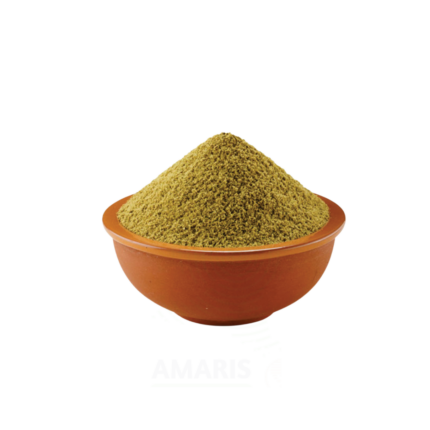
Dhana Jeera is a simple, aromatic spice blend made from equal parts of ground coriander (dhania) and cumin (jeera). For the nutritionist, gastroenterologist, and primary care physician, it serves as a mild, versatile seasoning that enhances dietary iron absorption from plant-based meals, reduces postprandial bloating and flatulence, stimulates appetite in convalescent patients, and provides antioxidant support through spice-derived polyphenols. For the patient, Dhana Jeera transforms bland lentils, vegetables, rice, and soups into flavorful, comforting dishes that are easy to digest and culturally familiar. Unlike hotter spice blends, it is well-tolerated by individuals with sensitive stomachs, making it an ideal first-line seasoning for geriatric, pediatric, and gastroenterology patients. When used as part of a balanced diet, it can contribute to improved nutritional status, digestive comfort, and mealtime satisfaction.
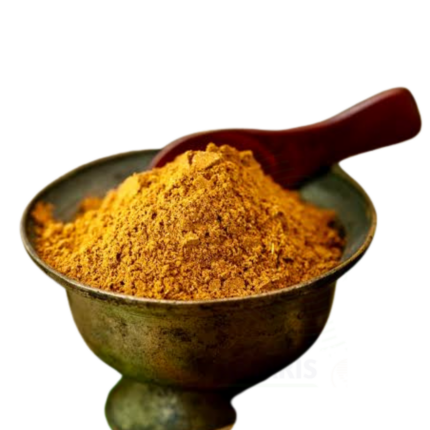
GARAM MASALA
Garam Masala is a warm, aromatic spice blend used in South Asian and East African cuisines, typically added at the end of cooking to preserve its volatile oils and fragrance. It contains cardamom, cinnamon, cloves, black pepper, cumin, coriander, nutmeg, mace, and sometimes bay leaves or fennel. For the gastroenterologist, dietitian, and primary care physician, it serves as a digestive aid (reducing bloating and flatulence), appetite stimulant, source of antioxidants and anti-inflammatory compounds, and modest metabolic support through thermogenic spices. For the patient, Garam Masala transforms plain rice, lentils, vegetables, meat, or soups into a fragrant, comforting, and flavorful dish that encourages nutrient intake, reduces post-meal discomfort, and makes healthy eating enjoyable without adding significant calories, fat, or sodium.
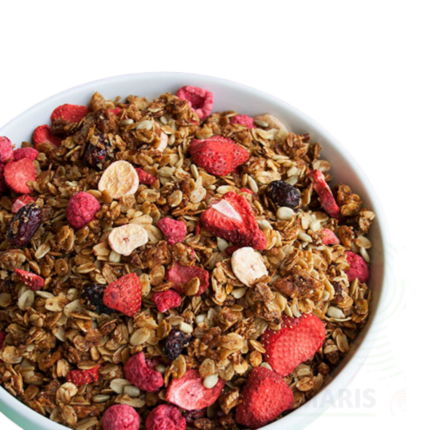
GRANOLA MIXED FRUIT
Granola Mixed Fruit is a baked, oat‑based breakfast cereal containing whole grain oats, nuts, seeds, and a blend of dried mixed fruits (e.g., raisins, cranberries, apricots, dates), providing a rich source of dietary fiber (6‑10 g per serving), healthy fats, plant protein, antioxidants, and essential nutrients. For the gastroenterologist, cardiologist, endocrinologist, and dietitian, it serves as a high‑fiber, heart‑healthy, satiating option to support bowel regularity, lower cholesterol, manage weight, improve glycemic control (with careful portioning), and provide antioxidant support. For the patient, it offers a crunchy, versatile, and naturally sweet breakfast that can be enjoyed with milk, yogurt, or as a dry snack, promoting digestive wellness, cardiovascular health, and sustained energy throughout the morning.
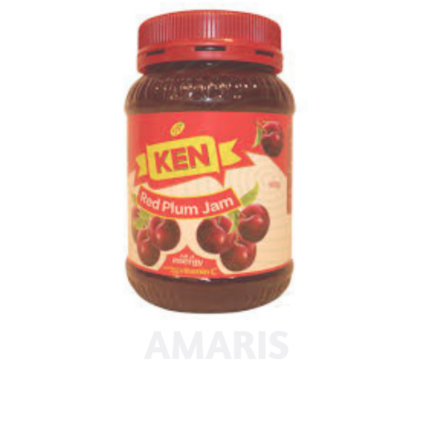
KEN JAM
KEN Jam is a sweet, soft, semi-solid fruit spread made from a mixture of fruit pulp, sugar, pectin, and citric acid. It is an affordable, staple commodity in Kenyan households, valued for its energy-dense composition and palatable taste. For community health workers, dietitians, and primary care physicians, it serves as a practical, accessible tool for dietary management, providing a concentrated source of carbohydrates (approx. 239-278 kcal per 100g) to support weight gain in malnourished individuals, offer quick energy for those with poor appetite, and enhance the palatability of bland foods for the elderly and convalescing.
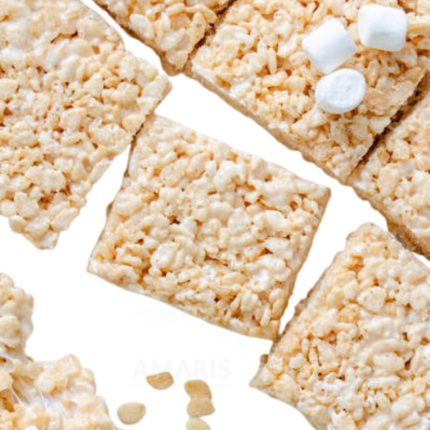
RICE KRISPIES
Rice Krispies is a low‑fat, low‑sugar, puffed rice breakfast cereal fortified with essential vitamins and minerals, including iron, B vitamins, and vitamin D. For the gastroenterologist, pediatrician, dietitian, and public health professional, it serves as a bland, easily digestible option for post‑illness refeeding, a safe food for children with sensory processing disorders or selective eating, and a naturally gluten‑free, low‑allergen fortified cereal for vulnerable populations. For the patient, it offers a simple, familiar, and versatile breakfast that can be enjoyed with milk, as a dry snack, or used in homemade treats. While not a substitute for whole grains and fresh produce, it provides a convenient, shelf‑stable foundation for a nutritious morning meal.
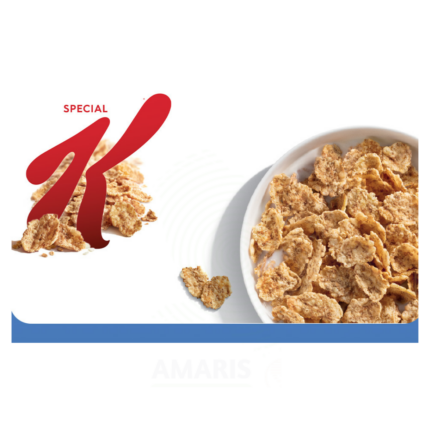
SPECIAL K CLASSIC
Special K Classic is a low‑fat, fortified breakfast cereal made from crispy rice and wheat flakes, providing essential vitamins and minerals including iron, B vitamins (thiamin, riboflavin, niacin, B6, folic acid, B12), and vitamin D. For the dietitian, primary care physician, and weight management specialist, it serves as a portion‑controlled, low‑calorie option to support weight loss, increase dietary iron intake, and deliver key B vitamins for energy metabolism. For the patient, it offers a satisfying, crunchy, and versatile breakfast that helps with appetite control, contributes to daily nutrient requirements, and fits into a balanced, calorie‑conscious eating plan. While not a substitute for whole grains and fresh produce, it provides a convenient, shelf‑stable foundation for a nutritious morning meal.