
 Atta, Flours & Sooji
 Wheat Atta
 Sooji (Semolina)
 Organic Flours
 Besan (Gram Flour)
 Rice Flour
 Rice & Rice Products
 Rice Cakes
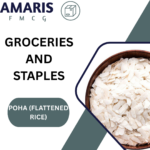 Poha (Flattened Rice)
 Brown & Red Rice
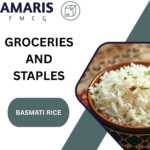 Basmati Rice
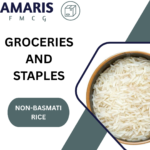 Non-Basmati Rice
 Dals & Pulses
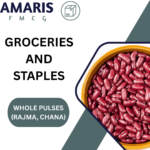 Whole Pulses (Rajma, Chana)
 Masoor Dal
 Chana Dal
 Toor Dal
 Moong Dal
 Edible Oils
 Blended Oils
 Coconut Oil
 Soybean Oil
 Mustard Oil
 Olive Oil
 Sunflower Oil
 Salt, Sugar & Jaggery
 White & Brown Sugar
 Sea Salt & Himalayan Salt
 Table Salt
 Jaggery (Powdered & Block)
 Spices & Seasonings
 Herbs & Seasoning Packets
 Spice Blends (Masalas)
 Whole Spices
 Powdered Spices
 Sauces, Spreads & Condiments
 Honey, Jam & Spreads
 Soy & Chili Sauce
 Chutneys
 Pickles
 Tomato Ketchup
 Mayonnaise & Dressings
 Vinegar
 Dressing Salad
 Sauces / Table Sauces
 Salad Cream
 Breakfast Cereals
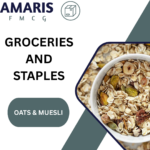 Oats & Muesli
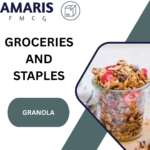 Granola
 Cornflakes
 Canned & Packaged Foods
 Cream Soups / Tomato Soup
 Tea
Tea Tea Bags
 Herbal & Specialty Tea
 Green Tea
 Black Tea
 Coffee
 Instant Coffee
 Ground Coffee
 Coffee Beans
 Health & Energy Drinks
 Health Supplements Drinks
 Energy Drinks
 Protein Shakes
 Fruit Juices & Drinks
 Coconut Water
 Nectars & Juice Drinks
 100% Juices
 Soft Drinks & Sodas
 Cola
Cola Diet Sodas
 Fruit Sodas
 Lemonade
 Water
Water Sparkling Water
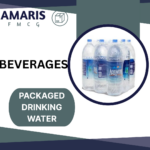 Packaged Drinking Water
 Flavored Water
 Powdered Drinks
 Drinking Chocolates
 Namkeen & Savory Snacks
 Extruded Snacks
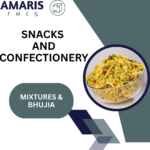 Mixtures & Bhujia
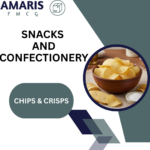 Chips & Crisps
 Biscuits & Cookies
 Cookies
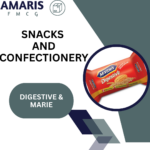 Digestive & Marie
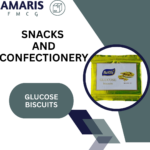 Glucose Biscuits
 Cream Biscuits
 Chocolates & Candies
 Sweets & Bubble Gum
 Toffees & Hard Candies
 Chocolate Bars
 Boxed Chocolates
 Cakes & Pastries
 Pastries & Danish
 Cupcakes
 Birthday & Celebration Cakes
 Desserts & Ice Cream Toppings
 Caramel & Fruit Toppings
 Chocolate Syrup & Sauce
 Whipped Cream
 Sprinkles & Nuts
 Nuts & Dry Fruits
 Raisins & Apricots
 Roasted & Salted Nuts
 Almonds, Cashews, Walnuts
 Milk
Milk Fresh Milk (Full Cream, Toned)
 Flavored Milk
 Butter & Margarine
 Margarine
 Salted & Unsalted Butter
 Cheese
 Sliced Cheese
 Paneer (Cottage Cheese)
 Cream Cheese & Spreads
 Cheese Blocks (Cheddar, Mozzarella)
 Yogurt & Curd
 Set Curd
 Yogurt Drinks (Lassi, Chaas)
 Greek Yogurt
 Flavored Yogurt
 Cream & Desserts
 Custards & Mousses
 Fresh Cream
 Eggs
Eggs Organic Eggs
 Brown Eggs
 Farm Eggs
 Frozen Vegetables
 Peas, Corn, Mix Veg
 Frozen Snacks & Appetizers
 Samosas & Spring Rolls
 Nuggets & Finger Foods
 Frozen Meat & Poultry
 Frozen Sausages & Hot Dogs
 Frozen Pork
 Frozen Chicken
 Frozen Beef
 Frozen Meat Blends & Mince
 Frozen Seafood
 Frozen Fish Fillets
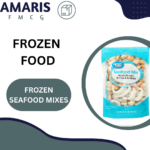 Frozen Seafood Mixes
 Ice Cream & Frozen Desserts
 Sorbets & Gelato
 Ice Cream Tubs
 Ice Cream Bars & Cones
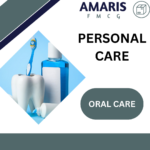 Oral Care
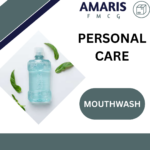 Mouthwash
 Toothpaste
 Toothbrushes (Manual & Electric)
 Bath & Body
 Deodorants & Antiperspirants
 Body Lotions & Moisturizers
 Soaps & Body Wash
 Hair Care
 Styling Products (Gel, Wax, Spray)
 Hair Oils
 Shampoo & Conditioner
 Skincare
 Lip Balm
 Moisturizers & Creams
 Face Wash & Cleansers
 Feminine Hygiene
 Tampons
 Sanitary Pads
 Shaving Needs
 Razors & Blades
 Shaving Cream & Foam
 Vitamins & Supplements
 Multivitamins
 Protein Powder
 Specialty Supplements (Omega-3, Calcium)
 Ayurveda & Herbal
 Herbal Supplements
 Chyawanprash
 Weight Management
 Fitness & Workout Accessories
 Protein Shakes & Powders
 Sports Nutrition
 Energy Bars & Snacks
 Electrolyte & Hydration Drinks
 Sports Multivitamins
 Protein Powders & Shakes
 Dishwashing
 Dishwashing Bars & Liquid
 Dishwasher Detergents
 Laundry
 Fabric Softeners & Whiteners
 Detergent Powder & Liquid
 Detergent Bars
 Floor & Surface Cleaners
 Glass & Mirror Cleaners
 All-Purpose Cleaners
 Floor Cleaners (Liquid, Powder)
 Oven Cleaner
 Polish
 Toilet Cleaners
 Toilet Cleaning Tablets
 Toilet Brush & Cleaner Sets
 Liquid Toilet Cleaners
 Insecticides & Repellents
 Ant & Cockroach Killers
 Mosquito Repellents (Coils, Mats, Sprays)
 Air Fresheners & Fragrances
 Car Air Fresheners
 Essential Oils & Diffusers
 Plug-In Air Fresheners
 Scented Candles
 Room Sprays
 Paper Products
 Tissues & Napkins
 Kitchen Towels
 Toilet Paper
 Household Cleaning Products
 Kitchen & Surface Cleaners
 Kitchen & Dishwashing
 Gloves
 Baby Food & Formula
 Cereals & Purees
 Infant Formula
 Diapers & Wipes
 Baby Wipes
 Disposable Diapers
 Baby Bath & Skincare
 Diaper Rash Cream
 Baby Soap & Shampoo
 Baby Lotion & Oil
 Dog Food
 Dry Dog Food
 Dog Treats
 Wet Dog Food
 Pet Grooming
 Shampoos & Conditioners
 Brushes & Combs
 Flea & Tick Control
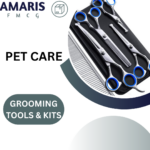 Grooming Tools & Kits
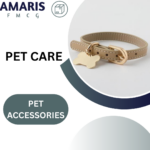 Pet Accessories
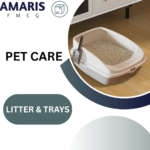 Litter & Trays (for cats)
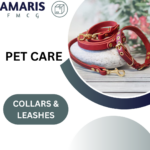 Collars & Leashes
 Toys & Chew Toys
 Bowls & Feeders
 Cat Food
 Wet Cat Food
 Cat Treats
 Dry Cat Food
 Organic Products
 Organic Beverages
 Organic Supplements
 Organic Food & Snacks
 Gluten-Free
 Gluten-Free Beverages
 Gluten-Free Snacks
 Gluten-Free Pasta & Grains
 Gluten-Free Breads & Bakery
 Vegan Products
 Vegan Supplements
 Vegan Food & Snacks
 Vegan Beverages
 Sugar-Free & No Added Sugar
 Sugar-Free Beverages
 Sugar-Free Snacks
 Sugar-Free Desserts & Sweets
 Keto-Friendly
 Keto Beverages
 Keto Supplements
 Keto Snacks
 Diabetic-Friendly
 Diabetic-Friendly Supplements
 Diabetic-Friendly Health Monitors & Devices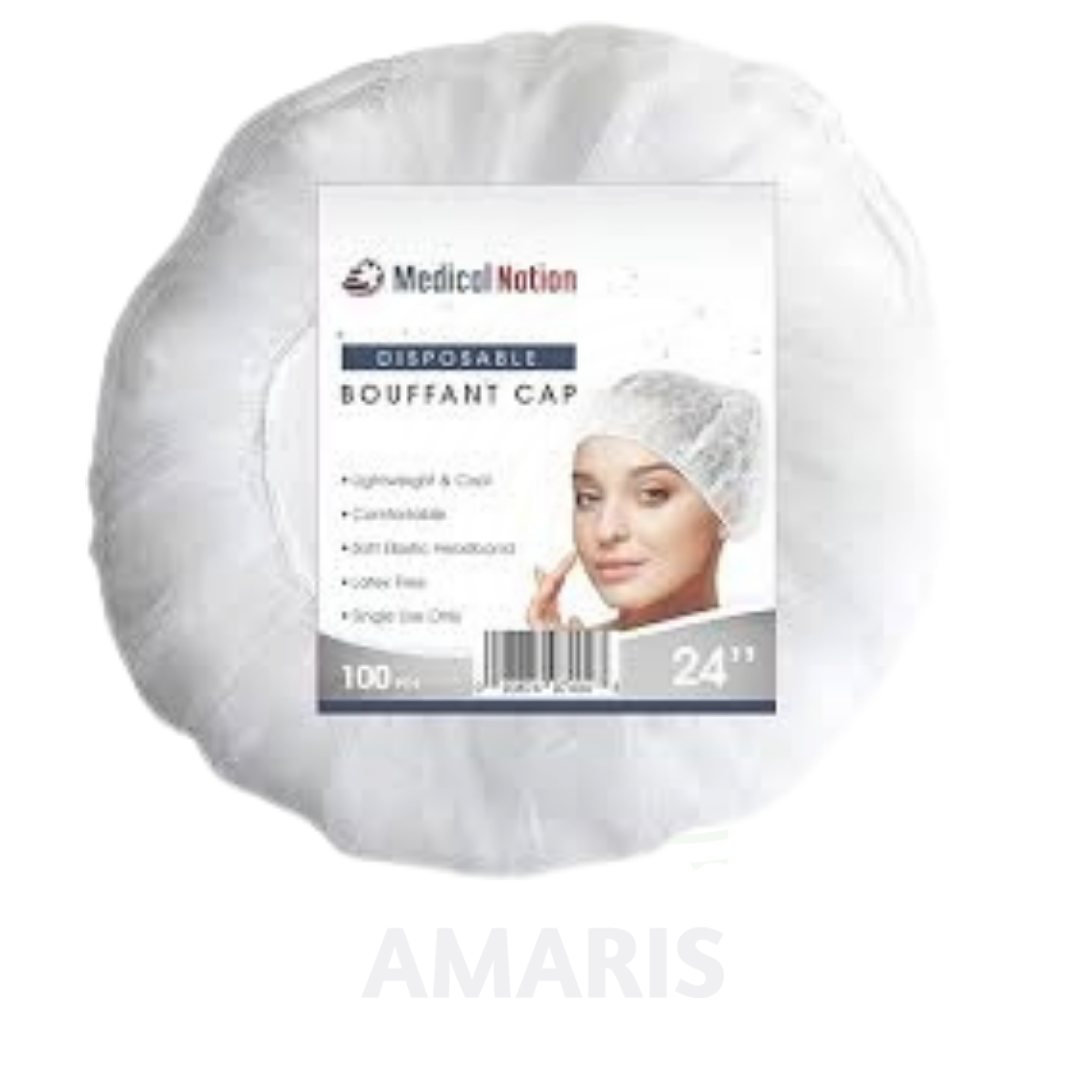
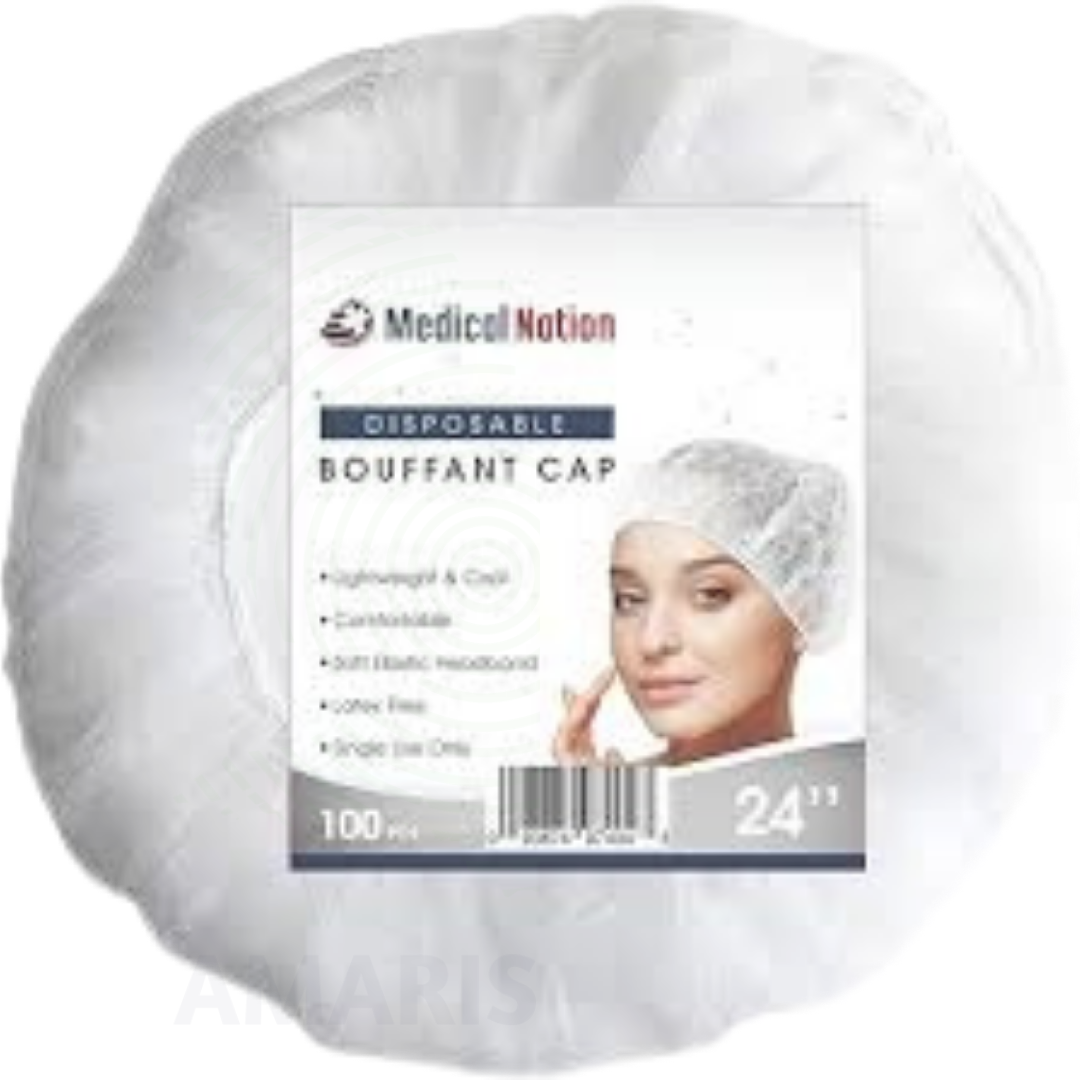

HAIR NETS
WhatsApp Order
Hair nets (also known as bouffant caps, mob caps, or surgical caps) are lightweight head coverings designed to prevent hair and skin particles from contaminating sterile environments, food, or sensitive products . Available in disposable (single-use) and reusable variants, with materials including polypropylene (most economical), spun-bonded polypropylene (soft, breathable), nylon mesh (durable, honeycomb breathable), polyester (double-layer), and microporous fabric (liquid-repellent) . Key features include elasticated bands for secure fit, breathable construction for extended wear, and options for metal-detectable or anti-static properties . Sizes typically one-size-fits-most, with some available up to 28″ diameter for larger heads or fuller hair . Suitable for operating rooms, CSSDs, cleanrooms, laboratories, food service, clinics, and patient care. Discard after use for disposable variants; reusable types may be machine washable . Warning: Keep plastic packaging away from children.

Description
HAIR NETS
PRIMARY USES
1. Contamination Control in Clinical, Surgical, and Cleanroom Environments
Primary Use: Provides complete head coverage to prevent the spread of hair and skin particles in operating rooms, CSSDs (Central Sterile Supply Departments), cleanrooms, and other sensitive clinical areas, ensuring hygienic conditions during medical procedures and sterile processing .
How it helps: For the infection control nurse and surgical team leader, hair and skin particles are a primary source of contamination in sterile environments. Stericlin hairnets and surgical caps provide effective protection against the spread of hair and skin particles, are designed for single use, and are latex-free . Available in various designs from universal hairnets to custom-fit surgical caps with ties, they ensure complete coverage of hair and ears while remaining comfortable to wear with good air circulation even during prolonged use . For the surgical team, this means maintaining sterile field integrity and reducing surgical site infection risk.
2. Low-Cost Disposable Protection for Routine Clinical Areas
Primary Use: Offers economical, single-use polypropylene or spun-bonded polypropylene hair nets for routine clinical applications including patient intake, emergency department, outpatient clinics, and medical examination rooms where basic hair containment is required without the need for sterile packaging .
How it helps: For the hospital supply chain manager and clinic administrator, cost-effective infection control measures are essential for sustainable operations. Polypropylene hair nets are the most economical and basic type of hair cap available, commonly used in medical, dental, and pharmaceutical applications . The spun-bonded polypropylene construction provides a soft, lightweight, permeable material with an elastic band for a reliable, snug fit, offering breathability for extended wear . For the healthcare facility, this means affordable, compliant hair containment for non-sterile clinical areas.
3. Lightweight, Breathable Protection for Extended Clinical Shifts
Primary Use: Features breathable construction with materials such as nylon honeycomb mesh or microporous fabric that maximize airflow, keeping clinical staff cool and comfortable during long surgical procedures, laboratory work, or extended shifts in warm environments .
How it helps: For the operating room nurse, laboratory technician, and central sterile staff working long hours in temperature-controlled environments, comfort directly impacts concentration and performance. Nylon hair nets with honeycomb mesh design provide a breathable, lightweight fit ideal for extended wear, keeping the wearer cool and fresh during long shifts . Microporous fabric options offer liquid-repellent, tear-resistant construction that remains breathable even in hot or humid environments . For the clinical professional, this means effective hair containment without overheating or discomfort.
4. Metal-Detectable and Specialty Hair Nets for High-Risk Environments
Primary Use: Designed with metal-detectable properties for use in pharmaceutical manufacturing, food processing within healthcare facilities, and high-risk cleanroom environments where lost hair net fragments must be detectable to prevent product contamination .
How it helps: For the pharmaceutical quality assurance manager and hospital food service director, lost hair net fragments in production areas pose serious contamination risks. Metal-detectable hair nets incorporate detectable elements that trigger metal detectors if a fragment enters the production line, allowing for immediate location and removal. Available with elasticated edges in various colours including white, blue, green, purple, yellow, and red, they are suitable for cleanroom use and comply with relevant safety standards . For the facility, this means enhanced contamination control in high-risk zones.
5. Patient Hair Containment for Surgical Preparation and Procedures
Primary Use: Provides hygienic hair covering for patients undergoing surgical procedures, head and neck examinations, or treatments where loose hair may interfere with the procedure or contaminate the surgical field .
How it helps: For the preoperative nurse and surgical team, patient hair management is an essential component of surgical site preparation. Disposable hair nets keep patient hair securely contained, preventing loose hairs from entering the surgical field, interfering with sterile drapes, or becoming caught in surgical instruments . The breathable construction ensures patient comfort during procedures that may last several hours. For the patient, this means a more comfortable, dignified surgical experience with reduced infection risk.
SECONDARY USES
1. Food service and healthcare cafeteria hygiene: For hospital cafeteria staff, kitchen workers, and food handlers in healthcare facilities, disposable hair nets prevent hair from contaminating food being prepared for patients, staff, and visitors, supporting overall infection control and food safety standards .
2. Laboratory and pharmaceutical manufacturing: For laboratory technicians and pharmaceutical production staff, hair nets prevent hair and dander from contaminating sensitive experiments, cultures, or pharmaceutical products. Anti-static options are available for electronics-sensitive environments, while metal-detectable versions are used in pharmaceutical manufacturing .
3. Beauty industry and salon applications: For estheticians, massage therapists, and salon workers performing chemical treatments or scalp services, disposable hair nets protect client clothing and keep hair contained during facials, chemical peels, hair colouring, or other treatments where loose hair may interfere.
4. Industrial and cleanroom manufacturing: For workers in electronics assembly, semiconductor manufacturing, and other cleanroom environments where particle contamination can damage products, hair nets (often with anti-static properties) prevent hair and skin particles from contaminating sensitive components .
5. Patient and resident use in long-term care: For elderly residents in nursing homes or patients in long-term care facilities, lightweight, breathable hair nets can be worn during sleep or daily activities to keep hair tidy, reduce tangling, and maintain personal hygiene without frequent washing, with reusable options available for regular use .
About brand
Berocca is a health and wellness brand known for effervescent vitamin and mineral supplements. Its products are formulated with a combination of vitamins and minerals to support energy release and everyday vitality. Berocca is available in a range of flavors and is commonly dissolved in water for a refreshing drink.
KEY PRODUCT FEATURES
1. BASIC IDENTIFICATION ATTRIBUTES
-
Device Type: Head covering for contamination control; not a medical device but used in medical settings
-
Alternate Names: Bouffant cap, mob cap, surgical cap, hair cover, disposable head covering
-
Material Options: Polypropylene (economical, breathable) ; Spun-bonded polypropylene (soft, lightweight, permeable) ; Nylon (durable, honeycomb mesh breathable) ; Polyester (double-layer durability) ; Microporous fabric (liquid-repellent, tear-resistant, breathable)
-
Available Colours: White, blue, green, purple, yellow, red, black, navy
-
Style Options: Standard hair net (gathered elastic), bouffant/mob cap (pleated for extra volume), surgical cap (with ties for custom fit)
-
Sizes: One size fits most; specific diameters: 52cm , 53mm (cleanroom) , 22 inches , 28 inches ; fits head circumferences up to 20-21 inches
-
Closure Type: Elastic band (standard), ties (surgical caps), pull-on
-
Quantity Per Package: 10, 100, 144, 1000 per pack depending on supplier
2. TECHNICAL & PERFORMANCE PROPERTIES
-
Reusable/Disposable: Available in both options
-
Latex-Free: Yes, standard for most medical-grade products
-
Breathability: High breathability across all materials; honeycomb nylon maximises airflow; microporous fabric breathable in hot/humid conditions
-
Metal-Detectable: Yes (select variants)
-
Anti-Static: Yes (select variants - comply with EN 61340-5-1)
-
Liquid/Water Repellent: Yes (microporous fabric)
-
Tear-Resistant: Yes (microporous fabric, polyester double-layer)
-
Non-Linting: Yes (polyethylene material)
-
Fibreglass-Free: Yes
-
Cleanroom Compatible: Yes
-
Standards/Approvals: Complies with EN 61340-5-1 (anti-static); CAT 1, EU (PPE category)
3. PHYSICAL & OPERATIONAL PROPERTIES
-
Preparation: Remove from packaging. Shake out to open fully.
-
Usage Instructions: Hold hair net with both hands. Stretch elastic band and place over head from front to back. Ensure all hair is contained within the net. For bouffant/mob caps, pull the pleated section to cover the crown of the head. For surgical caps with ties, secure ties behind head or at neck for custom fit.
-
Storage Conditions: Store in cool, dry place away from direct sunlight and moisture. Keep sealed in original packaging until ready for use.
-
Portion Size: One hair net per use. Dispose after single use (disposable variants) or launder for reuse (reusable variants).
-
Disposal Instructions (Disposable): Discard in general waste after use. Do not flush.
4. SAFETY & COMPLIANCE ATTRIBUTES
-
Latex Safety: Latex-free; removes allergies to latex
-
Skin Safety: Soft, non-irritating materials; lightweight for comfort
-
Suffocation Hazard Warning: Keep plastic packaging away from babies, young children, and individuals with cognitive impairments
-
Environmental Disposal: Dispose of disposable hair nets in general waste. For reusable variants, launder according to manufacturer instructions (some may be machine washable using a laundry bag)
SAFETY HANDLING PRECAUTIONS
1. SAFETY PRECAUTIONS
-
Plastic bag suffocation hazard: Keep plastic packaging away from babies, young children, and individuals with cognitive impairments. Dispose of packaging immediately after opening.
-
Correct fit: Ensure hair net fits snugly but not too tight. Excessive tightness may leave indentations on forehead or cause discomfort during extended wear. If experiencing tightness, consider larger size options (up to 28 inches available) .
-
Single-use only (disposable variants): Do not wash, dry, or reuse disposable hair nets as this compromises integrity and hygiene.
-
Allergic reactions: Although made from hypoallergenic materials, discontinue use if skin irritation, redness, or itching develops.
-
Keep out of reach of children: Store hair nets in a location where young children cannot access them to prevent play or accidental ingestion of materials.
-
Workplace compliance: For healthcare settings, ensure selected hair nets meet facility infection control policies and applicable standards (e.g., cleanroom compatibility, anti-static requirements) .
-
Flammability warning: Keep away from open flames as synthetic materials may melt or burn.
2. FIRST AID MEASURES
-
Skin rash or irritation (mild): Discontinue use of the current product. Gently cleanse affected area with mild soap and water. Pat dry. If irritation persists, consult a healthcare professional.
-
Eye contact (material fibres): If hair net fibres accidentally contact the eye, rinse immediately with plenty of lukewarm water for several minutes. Seek ophthalmologic advice if irritation persists.
3. FIRE FIGHTING MEASURES
-
Flammability: Synthetic materials (polypropylene, nylon, polyester) are combustible. Will melt and burn if exposed to open flame.
-
Extinguishing Media: Use water spray, foam, dry chemical powder, or carbon dioxide (CO₂).
-
Fire Response: For small fires, use appropriate extinguisher. For large fires, evacuate area. Burning synthetic materials may release smoke and fumes. Firefighters should wear self-contained breathing apparatus (SCBA) and full protective gear.
Related products
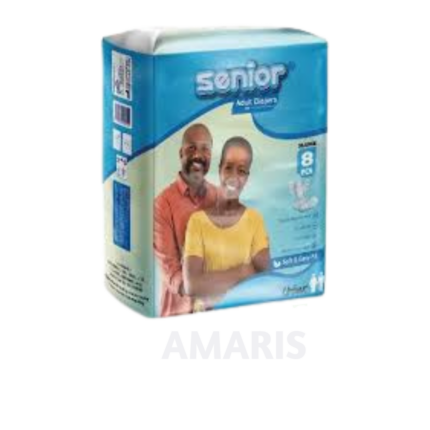
ADULT DIAPERS
Adult diapers are high-absorbency disposable incontinence products designed for moderate to severe urinary or faecal incontinence. Available in tape-style (with re-fastenable closures for changes in lying/sitting positions) and pant-style (pull-up design for ambulatory users). Features include multi-layer construction (soft non-woven topsheet, super-absorbent polymer core with ADL technology, waterproof backsheet), 3D leak guards for side protection, wetness indicators, hypoallergenic materials, and up to 10-hour protection . Suitable for urge/stress/overflow incontinence, postpartum lochia, bedbound patients, dementia care, and severe diarrhoea. Sizes range from Medium (28-45 inch waist) to XXL. Warning: Keep plastic packaging away from children. Do not flush. Change every 4-6 hours or when saturated. Dispose in waste container.

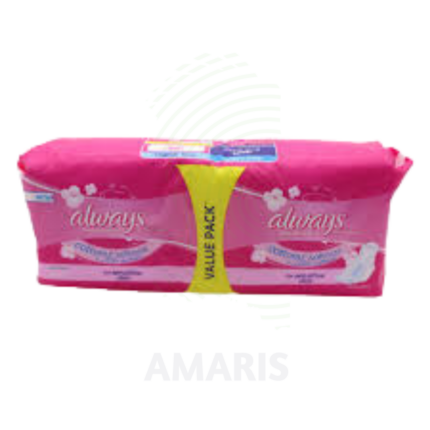
ALWAYS SOFT MAXI THICK (ROXANNE)
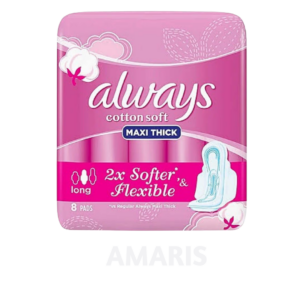
Always Soft Maxi Thick (Roxanne) pads are maximum-absorbency pads with a thick, super-absorbent core and soft, cushiony topsheet for heavy flow comfort. Features include Roxanne technology with 100% breathable top sheet, anti-leakage barriers, flexible wings for secure positioning, and dermatologically tested design for sensitive skin. The innovative soft, cushiony feel respects sensitive skin while delivering maximum protection. Suitable for heavy flow days, postpartum, menorrhagia, perimenopause, and anticoagulant-related bleeding. Warning: Keep plastic bags away from children. Do not flush.
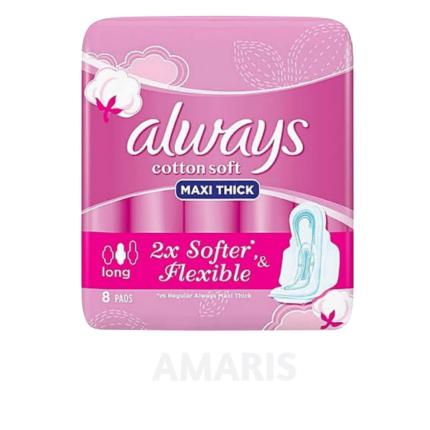
ALWAYS SOFT MAXI THICK LONG (ROXANNE LITE)
Always Soft Maxi Thick Long (Roxanne Lite) pads are maximum-absorbency pads with a thick, super-absorbent core and soft, cushiony topsheet for heavy flow comfort. Features include long length for extended coverage, Roxanne Lite technology with 100% breathable top sheet, anti-leakage barriers, flexible wings for secure positioning, and dermatologically tested design for sensitive skin. The innovative soft, cushiony feel respects sensitive skin while delivering maximum protection. Suitable for heavy flow days, overnight use, postpartum, menorrhagia, perimenopause, and anticoagulant-related bleeding. Warning: Keep plastic bags away from children. Do not flush.
ALWAYS SOFT MAXI THICK LONG DUO
Always Soft Maxi Thick Long Duo pads are a value pack of maximum-absorbency pads with a thick, super-absorbent core and soft, cushiony topsheet for heavy flow comfort. Features include long length for extended coverage, Roxanne Lite 100% breathable technology, anti-leakage barriers, flexible wings for secure positioning, and dermatologically tested design for sensitive skin. The duo pack provides two quantities in one economical purchase. Suitable for heavy flow days, overnight use, postpartum, menorrhagia, perimenopause, and anticoagulant-related bleeding. Warning: Keep plastic bags away from children. Do not flush.
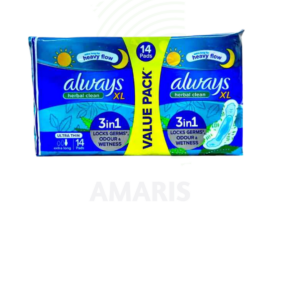
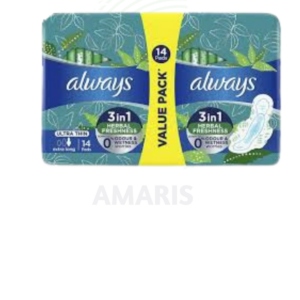
ALWAYS ULTRA EXTRA LONG DUO HERBAL
Always Ultra Extra Long Duo Herbal pads are maximum-absorbency, ultra-thin pads with herbal freshness, presented in a value duo pack for heavy flow day and night. Features include extra-long length (40% longer), Ultra Gel Technology for instant absorption, 3in1 protection (leak, odour, wetness), anti-leakage barriers, flexible wings, and 500 breathable pores. Provides up to 8 hours of secure protection. Dermatologically tested and individually wrapped. Suitable for heavy flow, overnight use, postpartum, menorrhagia, perimenopause, anticoagulant therapy, endometriosis, and adenomyosis. Warning: Keep plastic bags away from children. Do not flush.
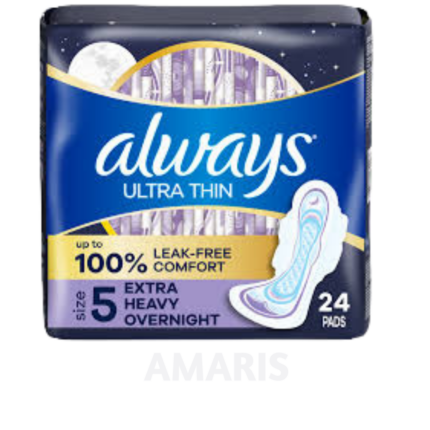
ALWAYS ULTRA THIN EXTRA LONG NIGHT
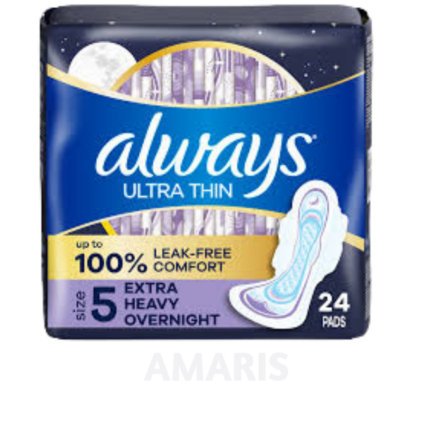
Always Ultra Thin Extra Long Night pads are maximum-absorbency, ultra-thin pads specifically designed for heavy flow overnight protection. Features include extra-long length (approximately 40% longer than ordinary pads) for extended posterior coverage, 3in1 protection (leak, odour, wetness), Ultra Gel Technology for instant absorption, anti-leakage barriers, flexible wings for secure positioning, and ultra-thin, flexible design for comfortable sleep. Provides secure protection throughout the night. Suitable for heavy flow nights, postpartum, menorrhagia, perimenopause, and anticoagulant-related bleeding. Warning: Keep plastic bags away from children. Do not flush.
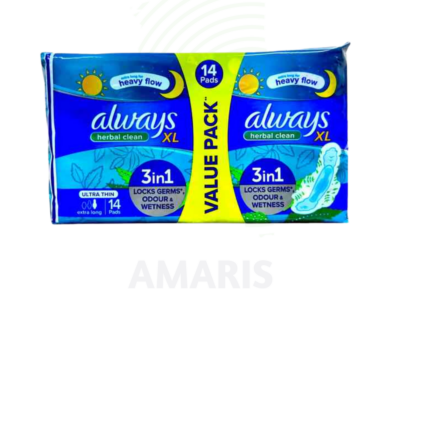
ALWAYS ULTRA THIN LONG DUO
Always Ultra Thin Long Duo sanitary pads are a value pack combining two absorbency levels for complete cycle protection. The pack contains Size 2 Long Super pads (26-40 count depending on variant) for heavy daytime flow and Size 4 Overnight pads (18-34 count) for extended nighttime protection. Both feature the 3x Protection System: RapidDRY technology absorbs gushes 2-3x faster than leading store brands; LeakGUARD core locks in leaks for long-lasting protection; and OdorLOCK helps prevent unwanted odours to keep users feeling fresh. Features include ultra-thin, flexible design for comfort; Flexi-Wings for secure positioning; long length for extended coverage; and up to 8 hours of reliable protection. The pack is made with 50% recycled plastic. Suitable for heavy flow days, overnight protection, postpartum, and post-gynaecological procedures. Warning: To avoid danger of suffocation, keep plastic bags away from babies and children. Do not dispose of pads in toilet bowls—use a waste container.