 Atta, Flours & Sooji
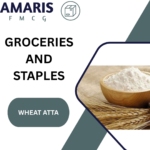 Wheat Atta
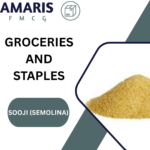 Sooji (Semolina)
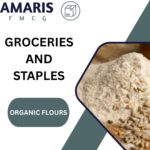 Organic Flours
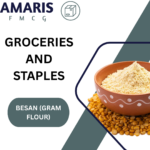 Besan (Gram Flour)
 Rice Flour
 Rice & Rice Products
 Rice Cakes
 Poha (Flattened Rice)
 Brown & Red Rice
 Basmati Rice
 Non-Basmati Rice
 Dals & Pulses
 Whole Pulses (Rajma, Chana)
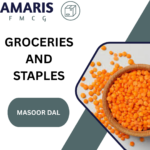 Masoor Dal
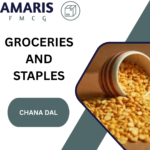 Chana Dal
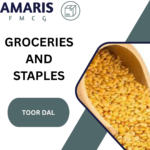 Toor Dal
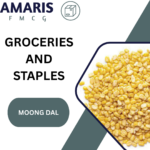 Moong Dal
 Edible Oils
 Blended Oils
 Coconut Oil
 Soybean Oil
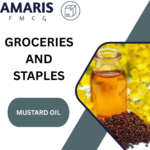 Mustard Oil
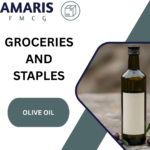 Olive Oil
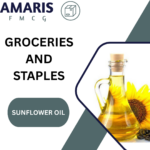 Sunflower Oil
 Salt, Sugar & Jaggery
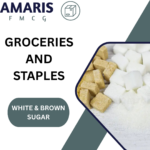 White & Brown Sugar
 Sea Salt & Himalayan Salt
 Table Salt
 Jaggery (Powdered & Block)
 Spices & Seasonings
 Herbs & Seasoning Packets
 Spice Blends (Masalas)
 Whole Spices
 Powdered Spices
 Sauces, Spreads & Condiments
 Honey, Jam & Spreads
 Soy & Chili Sauce
 Chutneys
 Pickles
 Tomato Ketchup
 Mayonnaise & Dressings
 Breakfast Cereals
 Oats & Muesli
 Granola
 Cornflakes
 Tea
Tea Tea Bags
 Herbal & Specialty Tea
 Green Tea
 Black Tea
 Coffee
 Instant Coffee
 Ground Coffee
 Coffee Beans
 Health & Energy Drinks
 Health Supplements Drinks
 Energy Drinks
 Protein Shakes
 Fruit Juices & Drinks
 Coconut Water
 Nectars & Juice Drinks
 100% Juices
 Soft Drinks & Sodas
 Cola
Cola Diet Sodas
 Fruit Sodas
 Lemonade
 Water
Water Sparkling Water
 Packaged Drinking Water
 Flavored Water
 Namkeen & Savory Snacks
 Extruded Snacks
 Mixtures & Bhujia
 Chips & Crisps
 Biscuits & Cookies
 Cookies
 Digestive & Marie
 Glucose Biscuits
 Cream Biscuits
 Chocolates & Candies
 Sweets & Bubble Gum
 Toffees & Hard Candies
 Chocolate Bars
 Boxed Chocolates
 Cakes & Pastries
 Pastries & Danish
 Cupcakes
 Birthday & Celebration Cakes
 Desserts & Ice Cream Toppings
 Caramel & Fruit Toppings
 Chocolate Syrup & Sauce
 Whipped Cream
 Sprinkles & Nuts
 Nuts & Dry Fruits
 Raisins & Apricots
 Roasted & Salted Nuts
 Almonds, Cashews, Walnuts
 Milk
Milk Fresh Milk (Full Cream, Toned)
 Flavored Milk
 Butter & Margarine
 Margarine
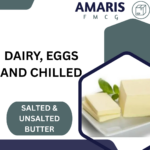 Salted & Unsalted Butter
 Cheese
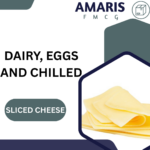 Sliced Cheese
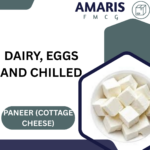 Paneer (Cottage Cheese)
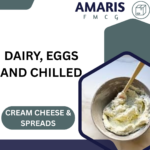 Cream Cheese & Spreads
 Cheese Blocks (Cheddar, Mozzarella)
 Yogurt & Curd
 Set Curd
 Yogurt Drinks (Lassi, Chaas)
 Greek Yogurt
 Flavored Yogurt
 Cream & Desserts
 Custards & Mousses
 Fresh Cream
 Eggs
Eggs Organic Eggs
 Brown Eggs
 Farm Eggs
 Frozen Vegetables
 Peas, Corn, Mix Veg
 Frozen Snacks & Appetizers
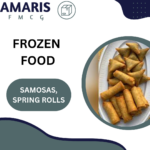 Samosas & Spring Rolls
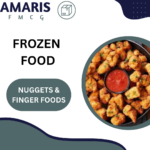 Nuggets & Finger Foods
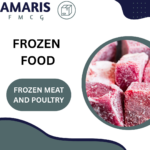 Frozen Meat & Poultry
 Frozen Sausages & Hot Dogs
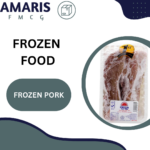 Frozen Pork
 Frozen Chicken
 Frozen Beef
 Frozen Meat Blends & Mince
 Frozen Seafood
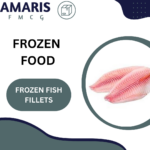 Frozen Fish Fillets
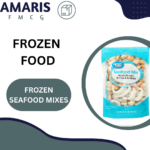 Frozen Seafood Mixes
 Ice Cream & Frozen Desserts
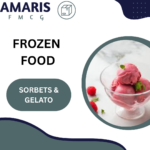 Sorbets & Gelato
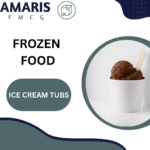 Ice Cream Tubs
 Ice Cream Bars & Cones
 Oral Care
 Mouthwash
 Toothpaste
 Toothbrushes (Manual & Electric)
 Bath & Body
 Deodorants & Antiperspirants
 Body Lotions & Moisturizers
 Soaps & Body Wash
 Hair Care
 Styling Products (Gel, Wax, Spray)
 Hair Oils
 Shampoo & Conditioner
 Skincare
 Lip Balm
 Moisturizers & Creams
 Face Wash & Cleansers
 Feminine Hygiene
 Tampons
 Sanitary Pads
 Shaving Needs
 Razors & Blades
 Shaving Cream & Foam
 Vitamins & Supplements
 Multivitamins
 Protein Powder
 Specialty Supplements (Omega-3, Calcium)
 Ayurveda & Herbal
 Herbal Supplements
 Chyawanprash
 Weight Management
 Fitness & Workout Accessories
 Protein Shakes & Powders
 Sports Nutrition
 Energy Bars & Snacks
 Electrolyte & Hydration Drinks
 Sports Multivitamins
 Protein Powders & Shakes
 Dishwashing
 Dishwashing Bars & Liquid
 Dishwasher Detergents
 Laundry
 Fabric Softeners & Whiteners
 Detergent Powder & Liquid
 Detergent Bars
 Floor & Surface Cleaners
 Glass & Mirror Cleaners
 All-Purpose Cleaners
 Floor Cleaners (Liquid, Powder)
 Toilet Cleaners
 Toilet Cleaning Tablets
 Toilet Brush & Cleaner Sets
 Liquid Toilet Cleaners
 Insecticides & Repellents
 Ant & Cockroach Killers
 Mosquito Repellents (Coils, Mats, Sprays)
 Air Fresheners & Fragrances
 Car Air Fresheners
 Essential Oils & Diffusers
 Plug-In Air Fresheners
 Scented Candles
 Room Sprays
 Paper Products
 Tissues & Napkins
 Kitchen Towels
 Toilet Paper
 Baby Food & Formula
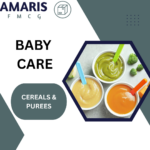 Cereals & Purees
 Infant Formula
 Diapers & Wipes
 Baby Wipes
 Disposable Diapers
 Baby Bath & Skincare
 Diaper Rash Cream
 Baby Soap & Shampoo
 Baby Lotion & Oil
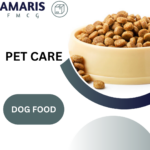 Dog Food
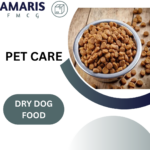 Dry Dog Food
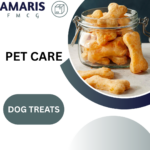 Dog Treats
 Wet Dog Food
 Pet Grooming
 Shampoos & Conditioners
 Brushes & Combs
 Flea & Tick Control
 Grooming Tools & Kits
 Pet Accessories
 Litter & Trays (for cats)
 Collars & Leashes
 Toys & Chew Toys
 Bowls & Feeders
 Cat Food
 Wet Cat Food
 Cat Treats
 Dry Cat Food
 Organic Products
 Organic Beverages
 Organic Supplements
 Organic Food & Snacks
 Gluten-Free
 Gluten-Free Beverages
 Gluten-Free Snacks
 Gluten-Free Pasta & Grains
 Gluten-Free Breads & Bakery
 Vegan Products
 Vegan Supplements
 Vegan Food & Snacks
 Vegan Beverages
 Sugar-Free & No Added Sugar
 Sugar-Free Beverages
 Sugar-Free Snacks
 Sugar-Free Desserts & Sweets
 Keto-Friendly
 Keto Beverages
 Keto Supplements
 Keto Snacks
 Diabetic-Friendly
 Diabetic-Friendly Supplements
 Diabetic-Friendly Health Monitors & Devices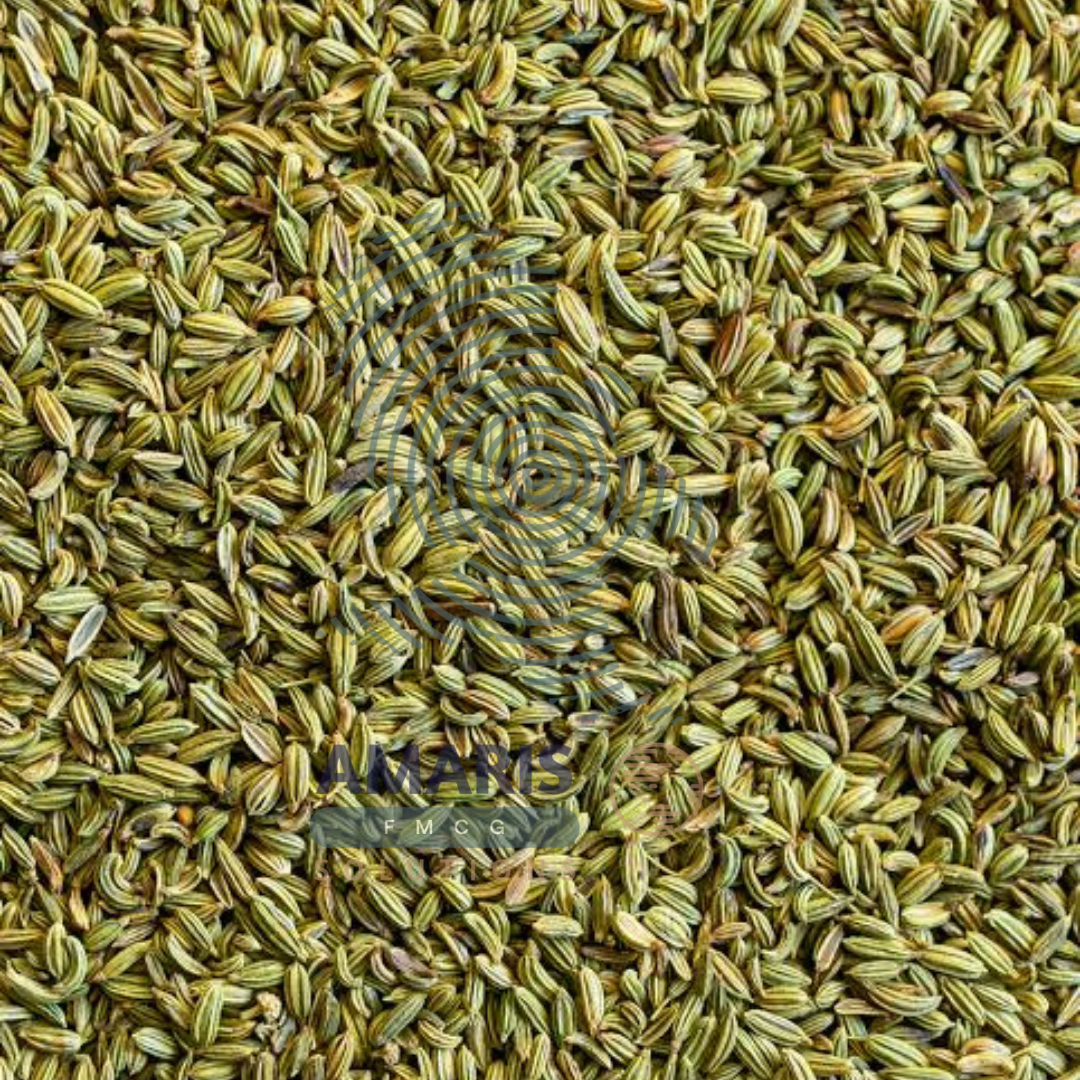
FENNEL SEEDS
WhatsApp Order
Fennel Seeds are the whole dried seeds of Foeniculum vulgare, valued for their sweet, liquorice‑like flavour and their digestive, antispasmodic, galactagogue, and anti‑inflammatory properties. For the pediatrician, gastroenterologist, gynecologist, and primary care physician, fennel seeds serve as a carminative for infantile colic and functional dyspepsia, a natural remedy for menstrual pain (dysmenorrhea), a galactagogue for lactation support, and a digestive aid to reduce bloating and flatulence in patients with IBS. For the patient, fennel seeds add a sweet, aromatic flavour to teas, curries, breads, salads, and spice blends while soothing colic, easing menstrual cramps, supporting breastfeeding, and relieving post‑meal gas and discomfort. Whole seeds have a long shelf life and can be stored for years, then crushed or ground as needed. When used as part of a balanced diet, they contribute to digestive comfort, hormonal balance, and overall well‑being.
Description
FENNEL SEEDS
PRIMARY CLINICAL & DIAGNOSTIC USES
1. Management of Infantile Colic and Functional Dyspepsia
• Primary Use: Provides whole dried fennel seeds (Foeniculum vulgare) containing anethole, fenchone, and other volatile oils with carminative, antispasmodic, and anti‑inflammatory properties, traditionally used to reduce colic symptoms in infants and functional dyspepsia in adults by relaxing gastrointestinal smooth muscle and reducing intestinal gas.
• How it helps: For the pediatrician and gastroenterologist, clinical studies have demonstrated that fennel seed oil emulsion significantly reduces the duration and severity of crying episodes in infants with colic, with effects comparable to simethicone in some trials. The antispasmodic action of anethole relaxes the intestinal wall, while carminative properties help expel trapped gas. For the patient, drinking fennel tea (1 teaspoon of seeds steeped in hot water) after meals or chewing ½ teaspoon of seeds can significantly reduce postprandial bloating, flatulence, and abdominal cramping. For infant colic, fennel seed water (gripe water) should be used only under pediatric guidance.
2 . Hormonal Support for Menstrual Pain and Regulation
• Primary Use: Fennel seeds have phytoestrogenic properties and have been shown to reduce the severity of primary dysmenorrhea (menstrual pain), regulate menstrual cycles, and alleviate symptoms of premenstrual syndrome (PMS) through antispasmodic and mild estrogenic effects.
• How it helps: For the gynecologist and primary care physician, randomized controlled trials have reported that fennel extract (2-3% anethole) can reduce menstrual pain severity by 50-80% within 2-3 cycles, comparable to mefenamic acid in some studies. The antispasmodic action relaxes uterine smooth muscle, while phytoestrogens may help regulate hormonal fluctuations. For the patient, drinking fennel tea (1 teaspoon seeds in hot water) starting a few days before menstruation provides a natural, well‑tolerated option for pain relief, though it should not replace prescribed medications for severe dysmenorrhea.
3. Galactagogue for Lactation Support
• Primary Use: Fennel seeds have been traditionally used and studied as a galactagogue to increase breast milk production in breastfeeding mothers, likely through phytoestrogenic properties that stimulate mammary tissue and increase prolactin secretion.
• How it helps: For the obstetrician, lactation consultant, and pediatrician, some clinical studies have shown that fennel supplementation can increase breast milk volume by 30-50% within 2-4 weeks. When combined with other galactagogues (e.g., fenugreek, blessed thistle), the effect may be enhanced. For the patient, drinking fennel tea (1 teaspoon seeds in hot water, 2-3 times daily) or adding fennel seeds to lactation cookies, soups, or stews provides a gentle, natural option to support breastfeeding. Patients with a history of estrogen‑sensitive conditions should consult their physician before use.
4. Digestive Health and Reduction of Flatulence
• Primary Use: The volatile oils in fennel seeds (primarily anethole, fenchone, and estragole) exhibit carminative, antispasmodic, and mild antimicrobial properties, effectively reducing intestinal gas, bloating, and abdominal cramps, particularly after heavy or gas‑producing meals.
• How it helps: For the gastroenterologist and dietitian, fennel’s ability to relax gastrointestinal smooth muscle and reduce gas production has been recognized in traditional medicine and supported by pharmacological studies. Chewing fennel seeds or drinking fennel tea after meals significantly reduces postprandial bloating, flatulence, and discomfort, including in patients with irritable bowel syndrome (IBS). For the patient, taking ½ to 1 teaspoon of fennel seeds after meals or adding them to cooking provides rapid relief from gas and bloating, making high‑fiber, plant‑based foods more tolerable.
SECONDARY & SUPPORTIVE USES
1. Antioxidant and anti‑inflammatory support for chronic disease prevention: Fennel seeds are rich in phenolic compounds, including quercetin, kaempferol, and rosmarinic acid, which help neutralize free radicals, reduce systemic inflammation, and protect against oxidative stress‑related chronic diseases such as cardiovascular disease and certain cancers.
2. Respiratory health for mild cough and bronchitis (traditional use): The expectorant properties of fennel may help loosen phlegm and soothe irritated airways. A pinch of crushed fennel seeds added to warm water, honey, or herbal tea can provide temporary relief from mild cough and sore throat.
3. Natural mouth freshener and antimicrobial for oral hygiene: Chewing fennel seeds after meals helps reduce oral bacteria, freshen breath, and has been traditionally used after meals in South Asian cultures. Fennel seeds are a common ingredient in commercial mouth fresheners.
4. Flavor enhancer for low‑sodium diets in hypertensive patients: The sweet, liquorice‑like flavor of fennel seeds allows patients to reduce added salt while still producing palatable dishes, supporting sodium restriction in hypertension and heart failure management.
5. Mild diuretic effect for premenstrual bloating: Fennel seeds have mild diuretic properties that may help reduce fluid retention associated with premenstrual syndrome (PMS). A cup of fennel tea (½ teaspoon seeds in hot water) can provide temporary relief.
6. Topical anti‑inflammatory for minor skin irritations (diluted paste): A paste of crushed fennel seeds mixed with water or aloe vera gel can be applied topically to mild skin irritations, insect bites, or acne to reduce inflammation, though evidence is anecdotal. Patients should test a small area first.
7. Natural preservative for cooked dishes (antimicrobial activity): The volatile oils in fennel seeds have natural antimicrobial properties that may help inhibit the growth of spoilage organisms in cooked dishes when stored under refrigeration.
KEY PRODUCT FEATURES
1. BASIC IDENTIFICATION ATTRIBUTES
-
Device Type: Whole dried seeds of the fennel plant (Foeniculum vulgare).
-
Designation: Fennel Seeds, Saunf, Sweet Fennel, Variyali.
-
Key Components: Whole dried fennel seeds. Major bioactive compounds: trans‑anethole (50‑70%), fenchone, estragole, limonene, flavonoids (quercetin, kaempferol), phenolic acids (rosmarinic acid, chlorogenic acid).
2. TECHNICAL & PERFORMANCE PROPERTIES
-
Physical Form: Whole, oblong, ridged seeds, 4‑8 mm in length, pale green to light brown (green seeds are fresher and more aromatic).
-
Flavor Profile: Sweet, liquorice‑like, warm, slightly peppery, with a pleasant aromatic aftertaste.
-
Anethole Content: 50‑70% (primary volatile oil responsible for flavour, antispasmodic, and estrogenic effects).
-
Shelf Life (unopened): 12‑24 months when stored in a cool, dry place away from direct sunlight.
-
Shelf Life (opened): Best used within 12‑18 months; store in an airtight container.
-
Packaging: Available in plastic jars, glass jars, stand‑up resealable pouches, or bulk bags. Common sizes include 50 g, 100 g, 200 g, 500 g, and 1 kg.
-
Allergen Information: Naturally free from common allergens. May be processed in facilities that handle mustard, wheat, nuts, or other spices.
3. SAFETY & COMPLIANCE ATTRIBUTES
-
Regulatory Status: General food seasoning. In Kenya, subject to KEBS (Kenya Bureau of Standards) food safety regulations for spices and seasonings.
-
Allergen Information: Generally free from major allergens. Suitable for most individuals.
-
Pregnancy and Breastfeeding: Culinary amounts are safe. Fennel is traditionally used as a galactagogue in breastfeeding women. However, avoid large medicinal doses during pregnancy due to potential estrogenic effects (theoretical). Pregnant women should consult their obstetrician.
-
Estrogen‑Sensitive Conditions (Theoretical, High Doses Only): Fennel contains phytoestrogens (anethole). Patients with estrogen‑sensitive conditions (breast cancer, uterine fibroids, endometriosis) should use culinary amounts only and consult their physician before using high‑dose supplements.
-
Allergy (Rare — Apiaceae Family Cross‑Reactivity): Fennel is in the Apiaceae family (carrot, celery, coriander, cumin, parsley). Individuals with known allergies to these plants may experience cross‑reactive symptoms. Advise testing a small amount first.
-
Drug Interactions (Theoretical, Minimal): Fennel may have mild effects on CYP3A4. Culinary amounts are unlikely to cause clinically significant interactions. High doses may interact with anticoagulants (mild antiplatelet effect).
-
Choking Hazard (Whole Seeds): Whole fennel seeds are small and hard; they pose a choking risk for young children (under 5 years) and elderly with swallowing difficulties. Crush or grind before serving to at‑risk populations.
-
Sodium Content: Contains no sodium. Suitable for low‑sodium diets.
-
Quality Assurance: Manufactured under GMP (Good Manufacturing Practices) and subject to quality control for microbial contaminants, heavy metals, aflatoxins, and pesticide residues per local regulations.
4. STORAGE & HANDLING ATTRIBUTES
-
Storage: Store in a cool, dry place, away from heat, humidity, and direct sunlight. Do not refrigerate (condensation may cause mould). Use an airtight container.
-
Shelf Life: Refer to "best by" date on the package. Whole seeds retain flavour for up to 2 years. Green seeds indicate freshness.
-
Usage: Use a clean, dry spoon to remove seeds from the container. Avoid introducing moisture.
-
Inspection: Discard if mould, off‑odour (rancid or musty), insect infestation, or significant colour change (fading to brown) is observed.
SAFETY HANDLING PRECAUTIONS
1. SAFETY PRECAUTIONS
-
Pregnancy — Avoid High Medicinal Doses: Fennel seeds in culinary amounts (as a spice in food) are considered safe during pregnancy. However, large medicinal doses or concentrated fennel extracts may have estrogenic effects and have been traditionally used to promote menstruation. Pregnant women should avoid high‑dose supplements and stick to normal culinary use.
-
Estrogen‑Sensitive Conditions — Potential Hormonal Effect (High Doses Only): Fennel contains phytoestrogens (anethole) that may have weak estrogenic activity. Patients with estrogen‑sensitive conditions (breast cancer, ovarian cancer, uterine fibroids, endometriosis) should use only normal culinary amounts (½‑1 teaspoon daily). Avoid high‑dose supplements without consulting an oncologist or gynecologist.
-
Choking Hazard — Whole Seeds for Young Children: Whole fennel seeds are small, hard, and can pose a choking risk for children under 5 years of age. Always crush or grind fennel seeds before adding to dishes served to young children. Keep containers out of reach.
-
Allergy — Apiaceae Family Cross‑Reactivity: Fennel belongs to the Apiaceae family (carrot, celery, coriander, cumin, dill, parsley). Individuals with known allergies to these plants may experience cross‑allergic reactions, including oral itching, hives, or gastrointestinal distress. Advise testing a small amount first.
-
Drug Interaction — Anticoagulants (Theoretical, High Doses): Very high doses of fennel may have mild antiplatelet effects. Patients on anticoagulants (warfarin, rivaroxaban, apixaban) or antiplatelet drugs (aspirin, clopidogrel) should use only normal culinary amounts and avoid high‑dose supplements.
-
Infant Colic — Medical Supervision Required: While fennel tea or water is traditionally used for infant colic, parents should consult a pediatrician before administering any herbal remedy to infants. Commercial gripe water products should be used according to label instructions. Do not give whole fennel seeds to infants.
-
Photosensitivity (Theoretical, High Doses Only): Very high intakes of fennel may cause mild photosensitivity in susceptible individuals. Normal culinary use does not pose a risk.
-
Inhalation Hazard (Seed Dust): When grinding fennel seeds, fine dust can cause coughing or throat irritation. Grind in a well‑ventilated area, away from the face.
-
Training Requirement: Healthcare providers (pediatricians, gastroenterologists, gynecologists, lactation consultants) should educate patients on the digestive, menstrual, and galactagogue benefits of fennel seeds, the potential hormonal effects at high doses, the choking hazard for children, and the need for medical supervision when using fennel for infant colic or during pregnancy.
2. FIRST AID MEASURES
-
Choking: If a person chokes on a whole fennel seed, encourage them to cough. If the airway is blocked, perform back blows and abdominal thrusts (Heimlich maneuver) appropriate for the victim's age. Seek emergency medical attention if the object is not dislodged.
-
Inhalation (Seed Dust): If accidental inhalation of ground seed dust causes coughing or throat irritation, move to fresh air. Drink cool water. Symptoms usually resolve spontaneously. Seek medical attention if wheezing or difficulty breathing develops.
-
Eye Contact: If powder particles enter the eyes, flush immediately with copious amounts of cool water for at least 15 minutes. Avoid rubbing. If irritation persists, seek medical advice.
-
Skin Irritation (Rare): Fennel seeds are generally non‑irritating to skin. If irritation occurs, wash the affected area with cool water and mild soap.
-
Ingestion of Large Quantity: If a large quantity (e.g., several tablespoons of seeds) is accidentally ingested, especially by a child, offer water. Seek medical attention if severe abdominal pain, persistent vomiting, or diarrhea occurs.
-
Allergic Reaction (Rare): If hives, facial swelling, difficulty breathing, or vomiting occur after ingestion, discontinue use and administer epinephrine if prescribed. Seek immediate emergency medical care.
-
Hypoglycemic Reaction (Suspected): If a diabetic patient experiences symptoms of hypoglycemia (shakiness, sweating, confusion, palpitations) after consuming a large amount of fennel, check blood glucose. If low (<70 mg/dL), administer fast‑acting carbohydrate (15g glucose, juice, or sugar). Seek medical attention if severe or if the patient is unconscious.
3. FIRE FIGHTING MEASURES
-
Flammability: As a dry, organic product, Fennel Seeds are combustible and will burn if exposed to an open flame or high heat. Standard kitchen fire safety measures apply.
-
Extinguishing Media: Use water, foam, dry chemical, or carbon dioxide (CO₂) for fires involving spice products.
-
Fire Response: For a small fire in the kitchen (e.g., on a stovetop), turn off the heat source and cover with a pot lid or use a fire extinguisher. For larger fires, evacuate and call emergency services.
-
Special Protective Equipment for Firefighters: Firefighters should wear self‑contained breathing apparatus (SCBA) when fighting fires involving large quantities of spices, as combustion products may include acrid smoke and respiratory irritants.
Related products
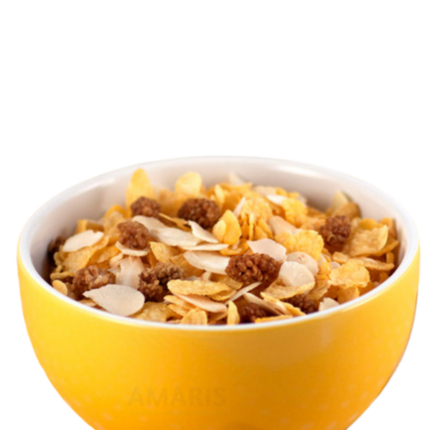
CORN FLAKES WITH HONEY & NUTS
Corn Flakes with Honey & Nuts is a fortified breakfast cereal combining crispy whole grain corn flakes, natural honey sweetness, and real nut pieces (e.g., almonds, hazelnuts). For the dietitian, endocrinologist, and public health professional, it offers a higher energy density and improved nutrient profile compared to plain corn flakes, with the added benefits of healthy fats, plant protein, and fiber from nuts. It supports patients with increased caloric needs, poor appetite, or those requiring glycemic management, and can be used in food assistance programs. For the patient, it provides a satisfying, crunchy, sweet‑but‑balanced breakfast that helps control hunger, supports heart health, and delivers essential vitamins and minerals. While not a substitute for whole foods, it serves as a convenient, shelf‑stable foundation for a nutritious morning meal.
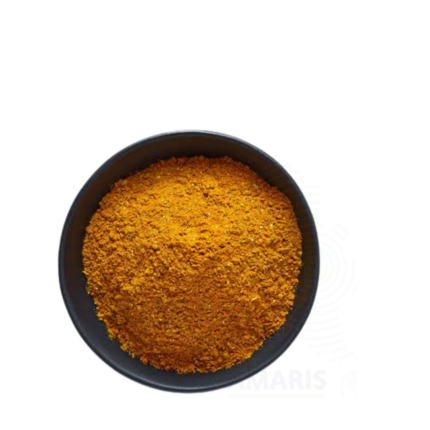
CURRY POWDER
Curry powder is a standardized spice blend, typically yellow to orange in color, containing turmeric, coriander, cumin, fenugreek, black pepper, mustard seeds, chili, ginger, and sometimes cardamom, cinnamon, or cloves. For the nutritionist, gastroenterologist, and primary care physician, it serves as a flavorful, affordable tool to enhance dietary iron absorption, stimulate digestive function, improve appetite in convalescent patients, and provide anti-inflammatory and antioxidant support through curcumin. For the patient, curry powder transforms plain rice, vegetables, legumes, eggs, or meat into a palatable, aromatic, and culturally familiar dish that encourages nutrient intake, reduces post-meal bloating, and makes healthy eating enjoyable. When used as part of a balanced diet, it can contribute to improved nutritional status, digestive comfort, and long-term metabolic health.
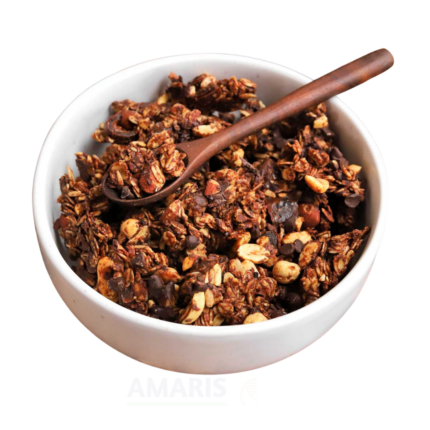
GRANOLA CHOCOLATE & NUTS
Granola Chocolate & Nuts is a baked, oat‑based breakfast cereal containing whole grain oats, nuts, seeds, and chocolate pieces (dark or milk chocolate), providing a rich source of dietary fiber (6‑10 g per serving), healthy fats, plant protein, antioxidants (flavonoids, vitamin E), and essential nutrients. For the gastroenterologist, cardiologist, endocrinologist, and dietitian, it serves as a high‑fiber, heart‑healthy, satiating option to support bowel regularity, lower cholesterol, manage weight, provide antioxidant support, and potentially improve mood. For the patient, it offers a crunchy, versatile, and chocolate‑infused breakfast that can be enjoyed with milk, yogurt, or as a dry snack, promoting digestive wellness, cardiovascular health, and sustained energy throughout the morning while satisfying chocolate cravings in a controlled manner.
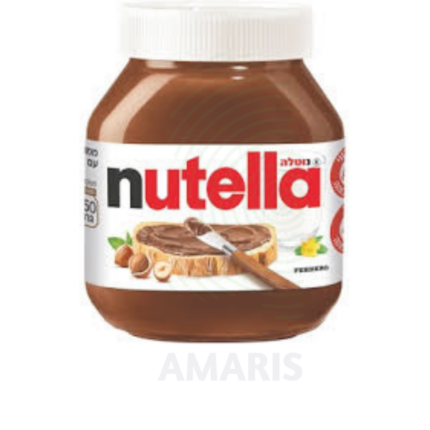
NUTELLA
Nutella is a sweet, creamy hazelnut cocoa spread made from sugar, vegetable oil (palm), hazelnuts (13%), cocoa (7.4%), and skimmed milk powder. For the dietitian, endocrinologist, paediatrician, and sports nutritionist, it serves as a calorie‑dense, palatable dietary supplement to support patients with poor appetite, unintentional weight loss, hypoglycaemia, selective eating, or increased energy needs. For the patient, it offers a familiar, enjoyable spread that can be used on bread, crackers, fruit, or stirred into warm beverages, helping to improve nutritional intake and dietary adherence. While high in added sugar and saturated fat, when used in controlled portions as part of a balanced diet, Nutella can be a useful tool in various clinical and everyday settings.
NUTELLA & GO
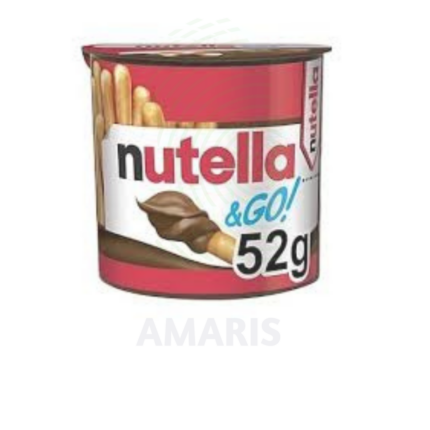
Nutella & Go is a ready‑to‑eat snack consisting of a smooth hazelnut cocoa spread (sugar, vegetable oil, hazelnuts, cocoa, skimmed milk) and crunchy breadsticks (grissini), packaged together for convenient, mess‑free consumption. For the dietitian, endocrinologist, pediatrician, and geriatrician, it serves as a portable, calorie‑dense, shelf‑stable option to support increased energy needs, manage hypoglycemia, encourage oral intake in patients with poor appetite or selective eating, and provide a quick energy source for travel or emergency situations. For the patient, it offers a familiar, sweet, and satisfying snack that requires no preparation, can be eaten on the go, and delivers approximately 250‑300 kcal of rapidly digestible carbohydrates and fats. While not a substitute for nutrient‑dense whole foods, it is a practical adjunct in various clinical and everyday settings.
RICE KRISPIES
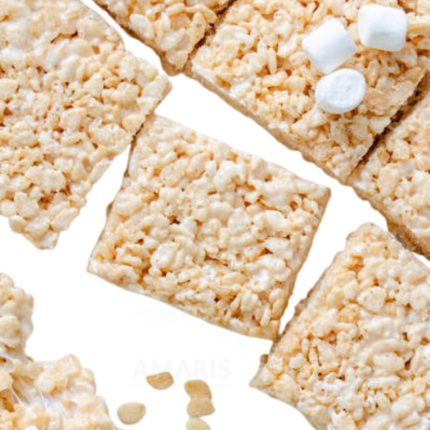
Rice Krispies is a low‑fat, low‑sugar, puffed rice breakfast cereal fortified with essential vitamins and minerals, including iron, B vitamins, and vitamin D. For the gastroenterologist, pediatrician, dietitian, and public health professional, it serves as a bland, easily digestible option for post‑illness refeeding, a safe food for children with sensory processing disorders or selective eating, and a naturally gluten‑free, low‑allergen fortified cereal for vulnerable populations. For the patient, it offers a simple, familiar, and versatile breakfast that can be enjoyed with milk, as a dry snack, or used in homemade treats. While not a substitute for whole grains and fresh produce, it provides a convenient, shelf‑stable foundation for a nutritious morning meal.
SPECIAL K CLASSIC
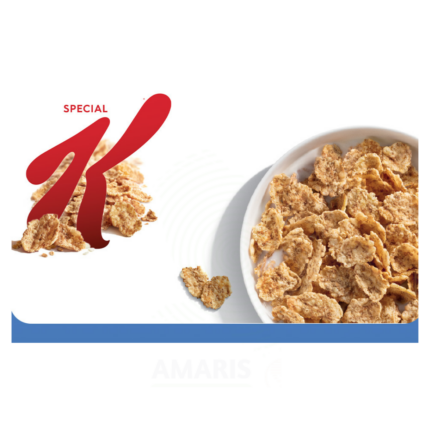
Special K Classic is a low‑fat, fortified breakfast cereal made from crispy rice and wheat flakes, providing essential vitamins and minerals including iron, B vitamins (thiamin, riboflavin, niacin, B6, folic acid, B12), and vitamin D. For the dietitian, primary care physician, and weight management specialist, it serves as a portion‑controlled, low‑calorie option to support weight loss, increase dietary iron intake, and deliver key B vitamins for energy metabolism. For the patient, it offers a satisfying, crunchy, and versatile breakfast that helps with appetite control, contributes to daily nutrient requirements, and fits into a balanced, calorie‑conscious eating plan. While not a substitute for whole grains and fresh produce, it provides a convenient, shelf‑stable foundation for a nutritious morning meal.