
 Atta, Flours & Sooji
 Wheat Atta
 Sooji (Semolina)
 Organic Flours
 Besan (Gram Flour)
 Rice Flour
 Rice & Rice Products
 Rice Cakes
 Poha (Flattened Rice)
 Brown & Red Rice
 Basmati Rice
 Non-Basmati Rice
 Dals & Pulses
 Whole Pulses (Rajma, Chana)
 Masoor Dal
 Chana Dal
 Toor Dal
 Moong Dal
 Edible Oils
 Blended Oils
 Coconut Oil
 Soybean Oil
 Mustard Oil
 Olive Oil
 Sunflower Oil
 Salt, Sugar & Jaggery
 White & Brown Sugar
 Sea Salt & Himalayan Salt
 Table Salt
 Jaggery (Powdered & Block)
 Spices & Seasonings
 Herbs & Seasoning Packets
 Spice Blends (Masalas)
 Whole Spices
 Powdered Spices
 Sauces, Spreads & Condiments
 Honey, Jam & Spreads
 Soy & Chili Sauce
 Chutneys
 Pickles
 Tomato Ketchup
 Mayonnaise & Dressings
 Breakfast Cereals
 Oats & Muesli
 Granola
 Cornflakes
 Tea
Tea Tea Bags
 Herbal & Specialty Tea
 Green Tea
 Black Tea
 Coffee
 Instant Coffee
 Ground Coffee
 Coffee Beans
 Health & Energy Drinks
 Health Supplements Drinks
 Energy Drinks
 Protein Shakes
 Fruit Juices & Drinks
 Coconut Water
 Nectars & Juice Drinks
 100% Juices
 Soft Drinks & Sodas
 Cola
Cola Diet Sodas
 Fruit Sodas
 Lemonade
 Water
Water Sparkling Water
 Packaged Drinking Water
 Flavored Water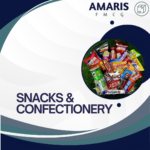
 Namkeen & Savory Snacks
 Extruded Snacks
 Mixtures & Bhujia
 Chips & Crisps
 Biscuits & Cookies
 Cookies
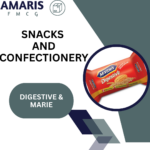 Digestive & Marie
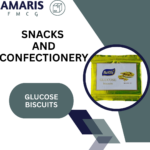 Glucose Biscuits
 Cream Biscuits
 Chocolates & Candies
 Sweets & Bubble Gum
 Toffees & Hard Candies
 Chocolate Bars
 Boxed Chocolates
 Cakes & Pastries
 Pastries & Danish
 Cupcakes
 Birthday & Celebration Cakes
 Desserts & Ice Cream Toppings
 Caramel & Fruit Toppings
 Chocolate Syrup & Sauce
 Whipped Cream
 Sprinkles & Nuts
 Nuts & Dry Fruits
 Raisins & Apricots
 Roasted & Salted Nuts
 Almonds, Cashews, Walnuts
 Milk
Milk Fresh Milk (Full Cream, Toned)
 Flavored Milk
 Butter & Margarine
 Margarine
 Salted & Unsalted Butter
 Cheese
 Sliced Cheese
 Paneer (Cottage Cheese)
 Cream Cheese & Spreads
 Cheese Blocks (Cheddar, Mozzarella)
 Yogurt & Curd
 Set Curd
 Yogurt Drinks (Lassi, Chaas)
 Greek Yogurt
 Flavored Yogurt
 Cream & Desserts
 Custards & Mousses
 Fresh Cream
 Eggs
Eggs Organic Eggs
 Brown Eggs
 Farm Eggs
 Frozen Vegetables
 Peas, Corn, Mix Veg
 Frozen Snacks & Appetizers
 Samosas & Spring Rolls
 Nuggets & Finger Foods
 Frozen Meat & Poultry
 Frozen Sausages & Hot Dogs
 Frozen Pork
 Frozen Chicken
 Frozen Beef
 Frozen Meat Blends & Mince
 Frozen Seafood
 Frozen Fish Fillets
 Frozen Seafood Mixes
 Ice Cream & Frozen Desserts
 Sorbets & Gelato
 Ice Cream Tubs
 Ice Cream Bars & Cones
 Oral Care
 Mouthwash
 Toothpaste
 Toothbrushes (Manual & Electric)
 Bath & Body
 Deodorants & Antiperspirants
 Body Lotions & Moisturizers
 Soaps & Body Wash
 Hair Care
 Styling Products (Gel, Wax, Spray)
 Hair Oils
 Shampoo & Conditioner
 Skincare
 Lip Balm
 Moisturizers & Creams
 Face Wash & Cleansers
 Feminine Hygiene
 Tampons
 Sanitary Pads
 Shaving Needs
 Razors & Blades
 Shaving Cream & Foam
 Vitamins & Supplements
 Multivitamins
 Protein Powder
 Specialty Supplements (Omega-3, Calcium)
 Ayurveda & Herbal
 Herbal Supplements
 Chyawanprash
 Weight Management
 Fitness & Workout Accessories
 Protein Shakes & Powders
 Sports Nutrition
 Energy Bars & Snacks
 Electrolyte & Hydration Drinks
 Sports Multivitamins
 Protein Powders & Shakes
 Dishwashing
 Dishwashing Bars & Liquid
 Dishwasher Detergents
 Laundry
 Fabric Softeners & Whiteners
 Detergent Powder & Liquid
 Detergent Bars
 Floor & Surface Cleaners
 Glass & Mirror Cleaners
 All-Purpose Cleaners
 Floor Cleaners (Liquid, Powder)
 Toilet Cleaners
 Toilet Cleaning Tablets
 Toilet Brush & Cleaner Sets
 Liquid Toilet Cleaners
 Insecticides & Repellents
 Ant & Cockroach Killers
 Mosquito Repellents (Coils, Mats, Sprays)
 Air Fresheners & Fragrances
 Car Air Fresheners
 Essential Oils & Diffusers
 Plug-In Air Fresheners
 Scented Candles
 Room Sprays
 Paper Products
 Tissues & Napkins
 Kitchen Towels
 Toilet Paper
 Baby Food & Formula
 Cereals & Purees
 Infant Formula
 Diapers & Wipes
 Baby Wipes
 Disposable Diapers
 Baby Bath & Skincare
 Diaper Rash Cream
 Baby Soap & Shampoo
 Baby Lotion & Oil
 Dog Food
 Dry Dog Food
 Dog Treats
 Wet Dog Food
 Pet Grooming
 Shampoos & Conditioners
 Brushes & Combs
 Flea & Tick Control
 Grooming Tools & Kits
 Pet Accessories
 Litter & Trays (for cats)
 Collars & Leashes
 Toys & Chew Toys
 Bowls & Feeders
 Cat Food
 Wet Cat Food
 Cat Treats
 Dry Cat Food
 Organic Products
 Organic Beverages
 Organic Supplements
 Organic Food & Snacks
 Gluten-Free
 Gluten-Free Beverages
 Gluten-Free Snacks
 Gluten-Free Pasta & Grains
 Gluten-Free Breads & Bakery
 Vegan Products
 Vegan Supplements
 Vegan Food & Snacks
 Vegan Beverages
 Sugar-Free & No Added Sugar
 Sugar-Free Beverages
 Sugar-Free Snacks
 Sugar-Free Desserts & Sweets
 Keto-Friendly
 Keto Beverages
 Keto Supplements
 Keto Snacks
 Diabetic-Friendly
 Diabetic-Friendly Supplements
 Diabetic-Friendly Health Monitors & Devices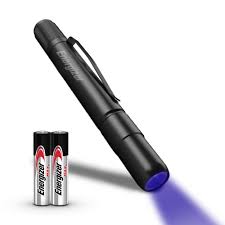
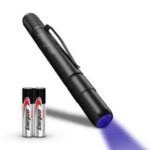

ENERGIZER LED PEN LIGHT
Energizer LED Pen Light is a compact, professional-grade examination light delivering 35-50 lumens of bright white LED illumination with a focused beam (10-23m distance) . Powered by 2 AAA alkaline batteries (included) with 8-20 hour runtime . Features durable aluminum/stainless steel construction, impact resistance (1m drop), secure pocket clip, and push-button tail switch . Clinically validated for transillumination in difficult venepuncture and vein localisation . Suitable for ENT, ophthalmology, neurological, and wound examinations. Lightweight (approx. 100g) with water resistance (select variants) . Warning: Keep batteries away from children. If swallowed, seek immediate medical attention (202-625-3333).
ENERGIZER LED PEN LIGHT
PRIMARY USES
1. Transillumination for Difficult Venepuncture and Vein Localisation
Primary Use: Provides focused LED illumination for transillumination techniques to locate difficult veins, enabling healthcare professionals to visualise superficial veins in patients with poor venous access, including those with obesity, dark skin, oedema, or history of difficult intravenous access .
How it helps: For the anaesthetist, emergency physician, and phlebotomist, difficult venepuncture is a common clinical challenge that causes patient discomfort, repeated attempts, and delayed treatment. Pen torch transillumination (PTI) has been shown to function effectively even in daylight conditions without the need to dim room lights, allowing real-time visualisation of venous structures beneath the skin . The Energizer LP212 penlight uses cool-running LED technology that generates significantly less heat compared to incandescent or halogen bulbs, eliminating the risk of thermal burns or patient discomfort during prolonged vein localisation attempts . For the clinician, this means improved first-attempt success rates for cannulation, reduced patient anxiety, and more efficient workflow in emergency departments, operating theatres, and outpatient phlebotomy services.
2. High-Intensity Clinical Examination for ENT, Ophthalmology, and Dermatology
Primary Use: Delivers up to 50 lumens of bright white LED illumination with a focused beam ideal for examining small body cavities, including the ears, eyes, throat, nostrils, mouth, and skin lesions, providing clinicians with clear visualisation of anatomical structures during routine and emergency assessments .
How it helps: For the otorhinolaryngologist, optometrist, and dermatologist, adequate illumination is essential for accurate diagnosis and assessment. The Energizer pen light produces a light output ranging from 35 to 50 lumens depending on variant, with a beam distance of 10 to 23 metres (approximately 10 metres for the 50-lumen model, 23 metres for the 35-lumen model) . The focused beam allows clinicians to examine the tympanic membrane, oropharynx, anterior chamber of the eye, and skin lesions with sufficient brightness without being overly harsh for the patient . The single brightness level provides consistent, reliable illumination without distracting multiple settings. For the clinician, this means a dependable, purpose-built examination light that delivers adequate brightness for thorough patient assessment.
3. Pocket-Sized Portability with Secure Pocket Clip for Clinical Settings
Primary Use: Designed with a sturdy metal clip that attaches securely to shirt pockets, scrub tops, lab coats, lanyards, or badge reels, ensuring the pen light is always readily accessible for routine ward rounds, night shifts, emergency responses, and bedside examinations .
How it helps: For hospital-based physicians, nurses, and medical students, having essential equipment immediately accessible improves workflow efficiency and reduces time spent searching for supplies. The pen light’s sleek, pen-like form factor and secure pocket clip allow clinicians to carry it as they would a standard pen . User reviews note that the torch can be clipped to a shirt pocket for hands-free operation when needed, providing convenience during procedures requiring both hands . For the busy clinician, this means a professional, easily accessible light source that integrates seamlessly into daily clinical attire and workflow.
4. Durable Metal Construction for Demanding Clinical Environments
Primary Use: Constructed with lightweight, durable aluminium or stainless steel housing that is impact-resistant against drops from up to 1 metre, ensuring reliable performance in fast-paced clinical settings where equipment is frequently dropped or subjected to wear and tear .
How it helps: For emergency department personnel, paramedics, and field clinicians, equipment durability is essential. The Energizer pen light features a stainless steel or anodised aluminium body that minimises damage from dropping, impact, and routine wear and tear, with a demonstrated impact resistance of up to 1 metre . The water-resistant design (select variants) ensures functionality in various clinical applications . However, user feedback notes that some variants may have a rubberised plastic switch that can be less durable than desired, and the battery fit may become loose over time . For the healthcare provider, this means a generally durable, long-lasting instrument suitable for daily clinical use, though switch longevity should be monitored.
5. Long Runtime and Extended Battery Life for Continuous Clinical Use
Primary Use: Provides extended runtime of up to 8-20 hours of continuous operation on two AAA alkaline batteries (included), ensuring the pen light remains functional throughout long shifts, multiple patient encounters, and extended on-call periods without frequent battery changes .
How it helps: For hospitalists, night shift nurses, and emergency physicians working 8-12 hour shifts, equipment that fails mid-shift due to battery depletion is unacceptable. The Energizer pen light offers a runtime of 8 hours at 50 lumens or up to 20 hours at 35 lumens, depending on the specific variant . User reviews confirm that battery life is excellent, with two cells lasting over a month of regular clinical use . The push-button tail switch enables one-handed operation, allowing clinicians to activate the light easily even when their other hand is occupied . For the clinician, this means a dependable, long-lasting light source that remains ready throughout even the busiest shifts.
SECONDARY USES
1. Neurological pupillary assessment and cranial nerve examination: For neurologists, emergency physicians, and optometrists, the focused, bright white light is ideal for assessing pupillary light reflex, direct and consensual responses, and evaluating for anisocoria or afferent pupillary defects. The 35-50 lumen output provides adequate brightness without causing excessive patient discomfort or prolonged pupillary constriction that would impede further assessment.
2. Oral cavity and oropharyngeal examination in primary care: For general practitioners, dentists, and ENT specialists, the pen light provides sufficient illumination for examining the oral mucosa, dentition, tonsils, pharynx, and larynx. The slim profile allows easy access to the oral cavity without obstructing the clinician’s view, and the bright white LED enhances visualisation of erythema, exudate, swelling, or ulcerative lesions.
3. Wound assessment and pressure injury evaluation: For wound care nurses, dermatologists, and general surgeons, the focused beam enables close inspection of wound beds, periwound skin, and deep tissue for signs of infection, necrotic tissue, granulation, or undermining. The high colour rendering of white LED light helps differentiate between healthy and compromised tissue, supporting accurate wound staging and treatment planning.
4. Medication vial and ampoule inspection in low-light pharmacies: For hospital pharmacists and medication nurses, the bright LED beam illuminates medication labels, vial markings, ampoule contents, and syringe graduations in dim supply rooms or during night shifts, reducing the risk of medication errors caused by poor visibility.
5. Equipment inspection and troubleshooting in darkened patient rooms: For biomedical technicians, nurses, and respiratory therapists, the pen light provides sufficient illumination to inspect medical equipment connections, ventilator circuits, IV pump settings, and monitor displays in darkened patient rooms without disturbing sleeping patients with overhead lighting.
1. BASIC IDENTIFICATION ATTRIBUTES
-
Device Type: Handheld LED penlight for clinical examination and diagnostic illumination
-
Designation: Energizer LED Pen Light, LP212, PLED23AEH, Performance Inspection Light
-
Key Components: White LED bulb (lifetime, never needs replacing), AAA batteries, metal housing, pocket clip, push-button tail switch
-
Available Variants: 35-lumen (Metal/PLED23AEH), 50-lumen (Aluminum), 100-lumen (Performance Inspection Light variant)
-
Unique Feature: Validated for transillumination in difficult venous access; cool-running LED prevents thermal burns; stainless steel/aluminum construction; pocket-sized clinical design
2. TECHNICAL & PERFORMANCE PROPERTIES
-
Light Output (Standard): 35-50 lumens depending on variant
-
Light Output (Performance Variant): 100 lumens
-
Beam Distance (35 lumen): 23 metres / 75 feet
-
Beam Distance (50 lumen): 10 metres / 33 feet
-
Runtime (35 lumen): 20 hours continuous
-
Runtime (50 lumen): 8 hours continuous
-
Runtime (100 lumen): Not specified (varies by battery condition)
-
Power Source: 2 x AAA alkaline batteries (included with most variants)
-
Bulb Type: White LED (lifetime, never needs replacing)
-
Operating Temperature: Not specified; typical LED range -10°C to 40°C
-
Material: Anodised aluminum or stainless steel depending on variant
-
Construction: Metal casing minimises damage from dropping and wear
-
Water Resistance: Water resistant (Performance variant)
-
Impact Resistance: Withstands drops from up to 1 metre
-
Switch Type: Push-button tail switch for one-handed operation
-
Clip: Sturdy metal pocket clip for secure attachment
-
Dimensions (approx): 14-24cm length x 1-2.5cm diameter depending on variant
-
Weight (approx): 100 grams (3.5 oz) with batteries
-
Output Modes: Single brightness level (no multiple modes)
3. PHYSICAL & OPERATIONAL PROPERTIES
-
Preparation: Insert 2 AAA batteries (included) following polarity markings. No additional preparation required.
-
Usage Instructions: Press tail button to activate light. Press again to deactivate. For one-handed operation, hold pen light like a standard writing pen. For transillumination, place light directly against skin adjacent to target vein to visualise venous structures beneath the skin surface. For oral/pharyngeal exam, direct beam into patient's open mouth while using tongue depressor as needed. For pupillary exam, briefly direct light into each eye from lateral approach, observing direct and consensual responses.
-
Storage Conditions: Store in a cool, dry location away from direct sunlight, heat sources, and humidity. Remove batteries if storing for extended periods (>6 months). Keep in pocket, bag, or on clip when not in use.
-
Battery Replacement: Replace batteries when light output diminishes. Use fresh AAA alkaline batteries. Replace both batteries simultaneously. Do not mix old and new batteries or different battery types.
4. SAFETY & COMPLIANCE ATTRIBUTES
-
Ingestion Hazard (Batteries): Immediate medical emergency if AAA battery swallowed. Battery can lodge in oesophagus and cause severe injury within 2 hours.
-
Battery Ingestion Hotline: Call 202-625-3333 collect day or night for battery ingestion.
-
Choking Hazard: Small parts, including batteries and pocket clip, may pose choking hazard. Keep out of reach of small children.
-
Light Safety: Do not shine directly into eyes, especially at close range, as this may cause temporary vision disruption or photic retinopathy. For pupillary examination, use brief exposure only.
-
Heat Safety: LED generates minimal heat compared to incandescent bulbs, reducing risk of thermal burns during prolonged skin contact for transillumination .
-
Certifications: FCC compliant. ANSI/NEMA FL 1 tested (select variants). RoHS compliant.
-
Quality Assurance: Manufactured by Energizer Holdings, Inc under ISO standards.
1. SAFETY PRECAUTIONS
-
Battery ingestion: AAA batteries are a serious ingestion hazard for infants and young children. If a battery is swallowed, seek immediate medical attention. Call the National Battery Ingestion Hotline at 202-625-3333 collect day or night for advice and follow-up. Do not delay—severe oesophageal injuries can occur within 2 hours.
-
Keep out of reach of children: Store pen light and spare batteries in a secure location that children cannot access. Keep new and used batteries out of reach of children at all times.
-
Do not ingest: Batteries contain alkaline electrolyte which is corrosive and toxic if ingested.
-
Do not install backwards: Reversing polarity can cause leakage, rupture, or fire. Ensure correct orientation when inserting batteries.
-
Do not short circuit: Short circuit can cause battery to lose energy and generate significant heat. Do not carry loose batteries in pockets or bags with metal objects (coins, keys, jewellery).
-
Do not disassemble, crush, puncture, or incinerate: The pen light and batteries should not be opened or burned. Exposure to internal components or combustion products could be harmful.
-
Do not mix battery types: Do not mix old and new batteries, different brands, or different chemistries in the same device.
-
Replace all batteries at the same time: Replacing only some batteries can cause leakage or reduced performance.
-
Leakage precautions: If a battery leaks, avoid contact with skin, eyes, and clothing. Alkaline electrolyte can cause burns. Ventilate area. Dispose of leaking batteries properly.
-
Do not shine directly into eyes: Avoid directing beam into anyone's eyes, especially at close range. Brief exposure for pupillary examination is acceptable but should not be prolonged.
-
Clinical use note: For transillumination, brief direct skin contact is safe as LED generates minimal heat. However, avoid prolonged (>30 seconds) continuous contact with sensitive skin areas .
2. FIRST AID MEASURES
-
Battery Ingestion: Do not induce vomiting. Do not give food or drink. Seek immediate medical attention. Call the National Battery Ingestion Hotline at 202-625-3333 collect day or night for advice and follow-up. Do not delay—severe injuries can occur within 2 hours.
-
Eye contact (battery leakage): Contents of an open battery can cause severe eye irritation and chemical burns. If battery ruptures and contents contact eyes, rinse immediately with plenty of lukewarm water for a minimum of 15 minutes, lifting upper and lower lids. Get immediate medical attention.
-
Skin contact (battery leakage): Contents of an open battery can cause skin irritation and chemical burns. Wash skin with soap and water for at least 15 minutes. Remove contaminated clothing. If irritation persists or burns are present, seek medical attention.
-
Inhalation (battery leakage): Contents of an open battery can cause respiratory irritation. Move to fresh air. If symptoms persist, seek medical attention.
-
Light exposure (eye): If pen light beam is accidentally shone directly into eyes at close range, rest eyes in a dark environment for several minutes. Persistent discomfort, visual disturbance, or after-images lasting more than 10 minutes should be evaluated by an eye care professional.
3. FIRE FIGHTING MEASURES
-
Flammability: Pen light casing is made of aluminum or stainless steel, which are non-combustible. LED components and plastic switch elements may burn if exposed to open flame. AAA batteries are combustible and may leak or rupture if exposed to fire.
-
Extinguishing Media: Use water spray, foam, dry chemical powder, or carbon dioxide (CO₂). No special restrictions apply.
-
Fire Response: For small fires involving the pen light or batteries, use appropriate extinguisher. For larger fires, evacuate area. Do not throw batteries into fire as they may leak or rupture. Firefighters should wear self-contained breathing apparatus (SCBA) and full protective gear.
Related products
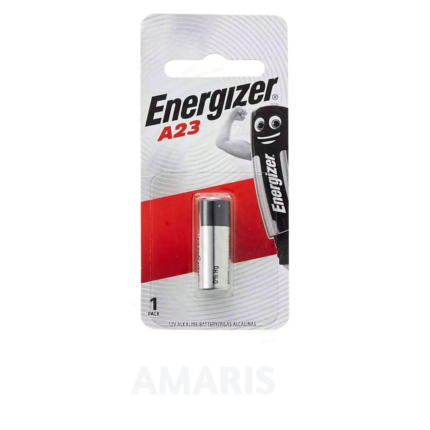
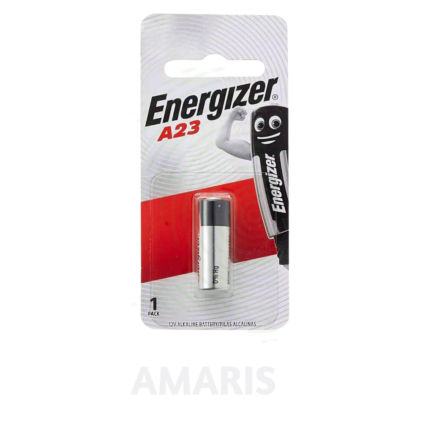
Energizer A23 Battery
Energizer A23 Battery is a miniature 12V alkaline battery designed for specialty medical and security devices requiring high voltage in a compact form factor. Key specifications: 12V nominal output; 50 mAh capacity; 10.3mm diameter; 28.5mm height; 8g weight; and 5-year shelf life at 21°C . Features zero added mercury construction with leakage-resistant sealing technology . Replacement compatibility includes 1181A, A23BP, DL21, DL23, MN-21B, MN21, and V23GA . For clinicians, this battery powers medical alert pendants (PERS), glucose monitors, and wireless medical equipment remote controls. Ingestion requires immediate medical attention (800-498-8666).
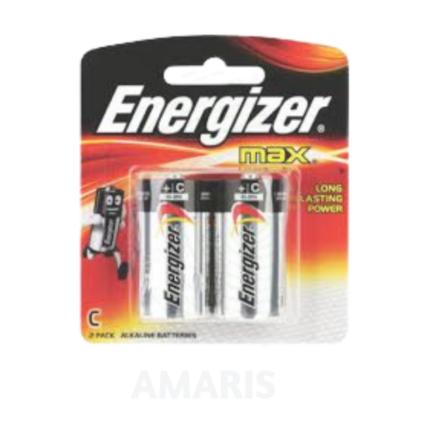
Energizer AA Battery
Energizer AA Battery are available in two primary chemistries for medical applications. Alkaline AA (model X91, E91) provides a nominal 1.5V output, 23g weight, 150-300 milliohm internal resistance, and 7-year shelf life, with zero added mercury. Ultimate Lithium AA (model L91) provides 1.5V output, 15g weight, operates from -40°C to 60°C, offers 3000 mAh capacity, 2.5A continuous discharge, and 25-year shelf life. Both are manufactured under ANSI and IEC standards (ANSI-15A, IEC-LR6 for alkaline; ANSI-15-LF, IEC-FR6 for lithium). For clinicians, alkaline AA is recommended for Medtronic insulin pumps; lithium AA is indicated for high-drain, extreme-temperature, or long-storage applications. Contains zero added mercury or cadmium. Ingestion requires immediate medical attention (800-498-8666).
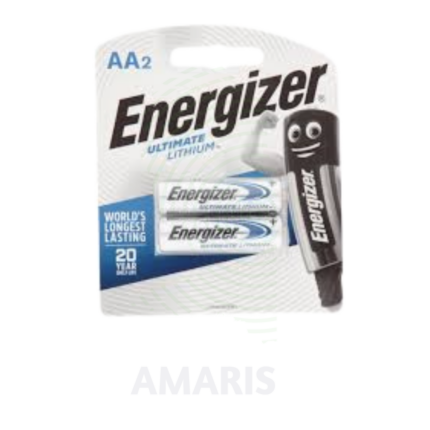
Energizer Lithium AA Battery
Energizer Lithium AA Battery is a high-performance, lithium-iron disulfide (Li/FeS₂) primary battery designed for medical devices requiring long life, extreme temperature tolerance, and high-drain capability. Key specifications: ANSI 15-LF, IEC-FR14505 (FR6) designation; 1.5V nominal voltage; 3000-3600 mAh capacity; 2.5A continuous / 4.0A pulse discharge; 15g weight; -40°C to 60°C operating range; and 25-year shelf life at 21°C. Features ATEX intrinsically safe certification (Ex ia IIC Ga) for use in explosive atmospheres, including oxygen-rich medical environments. Contains less than 1 gram of lithium per cell and zero added mercury. For clinicians, the L91 is indicated for high-drain, extreme-temperature, long-storage, or hazardous-location medical applications. Ingestion requires immediate medical attention (800-498-8666).
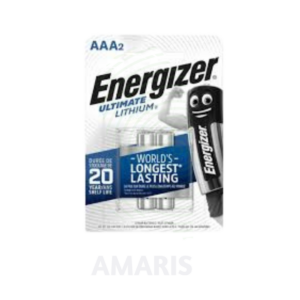
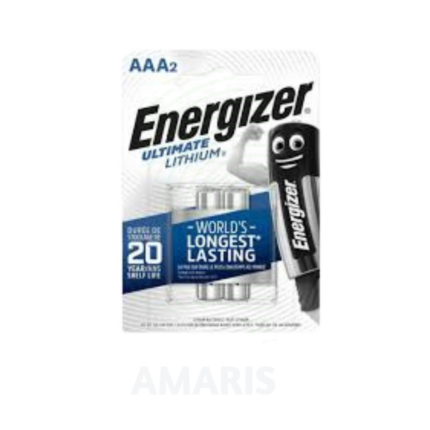
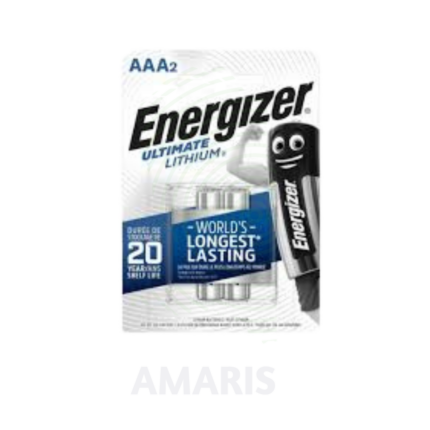
Energizer Lithium AAA Battery
Energizer Lithium AAA Battery is a high-performance, lithium-iron disulfide (Li/FeS₂) primary battery designed for high-tech medical devices requiring long life, extreme temperature tolerance, and high-drain capability. Key specifications: IEC-FR03 designation; 1.5V nominal voltage; 1250 mAh capacity; 1.5A continuous / 2.0A pulse discharge; 7.6g weight; -40°C to 60°C operating range; and 20-year shelf life at 21°C . Features ATEX intrinsically safe certification (Ex ia IIC Ga) and UL 913 (Class 1, Division 1, Groups A-D, T4) for use in explosive atmospheres, including oxygen-rich medical environments . Contains less than 1 gram of lithium per cell and features leak-proof construction. For clinicians, the L92 is indicated for high-drain, extreme-temperature, long-storage, or hazardous-location medical applications. Ingestion requires immediate medical attention (800-498-8666).
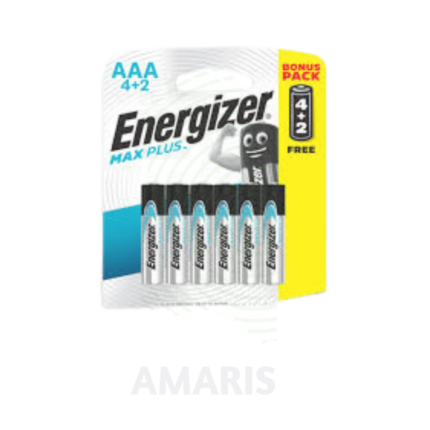
Energizer Max Plus AA Battery
Energizer Max Plus AA Battery are high-performance alkaline batteries designed for high-tech medical diagnostic devices, home healthcare equipment, and emergency medical kits. Key specifications include: IEC-LR6 designation; 1.5V nominal voltage; 1500 mAh (1.5Ah) capacity; -18°C to 55°C operating range; and 12-year shelf life at 21°C (up to 15 years in select regions) . Features enhanced leak-resistant construction covered by the Energizer No Leak Guarantee to protect sensitive medical equipment from corrosive damage . Manufactured with 4% recycled battery material (EcoAdvanced technology) and zero added mercury or cadmium, making them suitable for environmentally conscious healthcare facilities . For clinicians, these batteries are indicated for medical technology applications, portable diagnostic devices, and emergency preparedness . Ingestion requires immediate medical attention (800-498-8666).
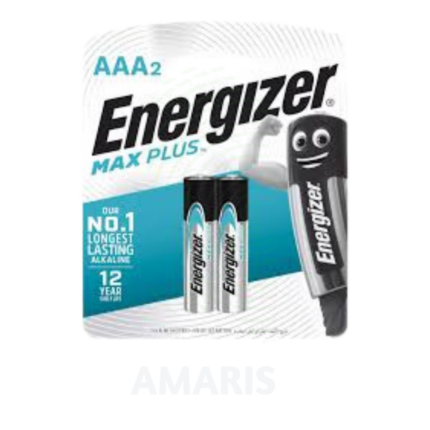
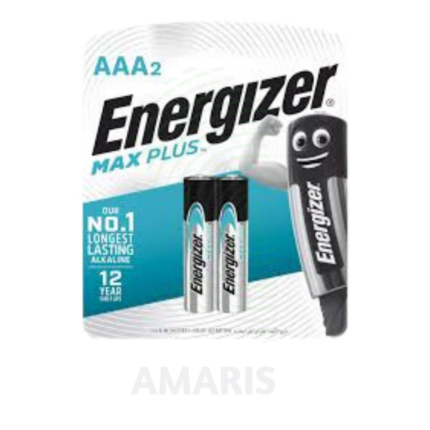
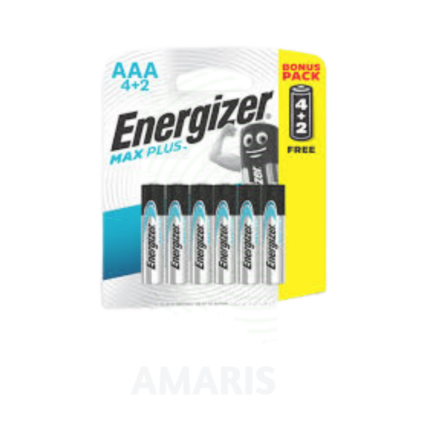
Energizer Max Plus AAA Battery
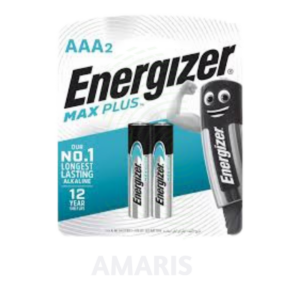
Energizer Max Plus AAA Battery are high-performance alkaline batteries designed for high-tech medical diagnostic devices, home healthcare equipment, and emergency medical kits. Key specifications include: IEC-LR03 designation; 1.5V nominal voltage; 1200 mAh (1.2Ah) capacity; 11.5g weight; -18°C to 55°C operating range; and 12-year shelf life at 21°C . Features enhanced leak-resistant construction to protect sensitive medical equipment from corrosive damage . Manufactured with zero added mercury or cadmium and containing 3.8% recycled battery material (EcoAdvanced technology), making them suitable for environmentally conscious healthcare facilities . For clinicians, these batteries are indicated for high-tech medical devices, training defibrillators, and emergency preparedness applications . Ingestion requires immediate medical attention (800-498-8666).
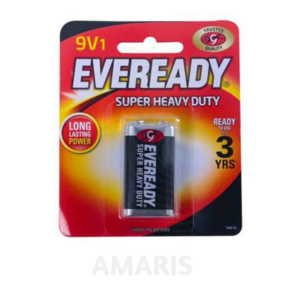
Eveready 9V Card Black Battery
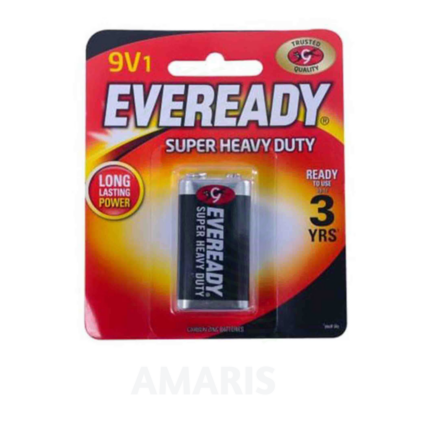
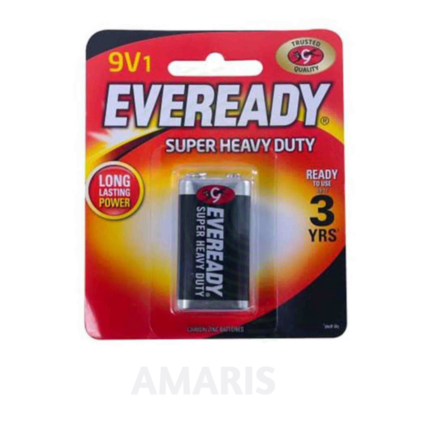
Eveready 9V Card Black Battery is a carbon zinc (zinc chloride) primary battery designed for low-drain medical devices including blood pressure monitors, smoke detectors, and basic diagnostic equipment . Key specifications: 9V nominal voltage; IEC 6F22 designation; carbon zinc chemistry; miniature snap terminals; leak-resistant construction; zero added mercury and cadmium; 3-year shelf life at 21°C . Applications include flashlights, medical equipment, wireless security systems, and music/audio devices . Packaged in carded/blister pack format for retail display. For clinicians, this battery is indicated for low-drain medical and life-safety devices where cost-effective power is prioritised over high-drain performance, suitable for intermittent-use equipment and backup devices in clinic and home healthcare settings. WARNING: Keep away from small children. If swallowed, promptly see doctor; have doctor phone (202) 625-3333 collect.