

 Atta, Flours & Sooji
 Wheat Atta
 Sooji (Semolina)
 Organic Flours
 Besan (Gram Flour)
 Rice Flour
 Rice & Rice Products
 Rice Cakes
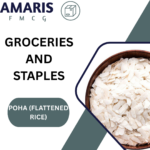 Poha (Flattened Rice)
 Brown & Red Rice
 Basmati Rice
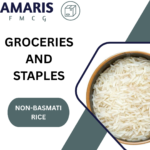 Non-Basmati Rice
 Dals & Pulses
 Whole Pulses (Rajma, Chana)
 Masoor Dal
 Chana Dal
 Toor Dal
 Moong Dal
 Edible Oils
 Blended Oils
 Coconut Oil
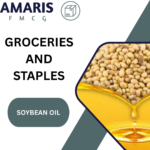 Soybean Oil
 Mustard Oil
 Olive Oil
 Sunflower Oil
 Salt, Sugar & Jaggery
 White & Brown Sugar
 Sea Salt & Himalayan Salt
 Table Salt
 Jaggery (Powdered & Block)
 Spices & Seasonings
 Herbs & Seasoning Packets
 Spice Blends (Masalas)
 Whole Spices
 Powdered Spices
 Sauces, Spreads & Condiments
 Honey, Jam & Spreads
 Soy & Chili Sauce
 Chutneys
 Pickles
 Tomato Ketchup
 Mayonnaise & Dressings
 Breakfast Cereals
 Oats & Muesli
 Granola
 Cornflakes
 Tea
Tea Tea Bags
 Herbal & Specialty Tea
 Green Tea
 Black Tea
 Coffee
 Instant Coffee
 Ground Coffee
 Coffee Beans
 Health & Energy Drinks
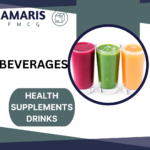 Health Supplements Drinks
 Energy Drinks
 Protein Shakes
 Fruit Juices & Drinks
 Coconut Water
 Nectars & Juice Drinks
 100% Juices
 Soft Drinks & Sodas
 Cola
Cola Diet Sodas
 Fruit Sodas
 Lemonade
 Water
Water Sparkling Water
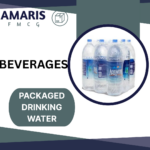 Packaged Drinking Water
 Flavored Water
 Namkeen & Savory Snacks
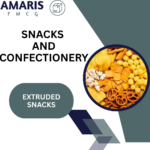 Extruded Snacks
 Mixtures & Bhujia
 Chips & Crisps
 Biscuits & Cookies
 Cookies
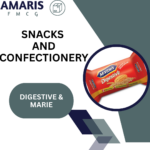 Digestive & Marie
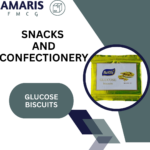 Glucose Biscuits
 Cream Biscuits
 Chocolates & Candies
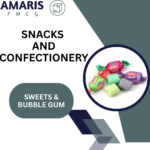 Sweets & Bubble Gum
 Toffees & Hard Candies
 Chocolate Bars
 Boxed Chocolates
 Cakes & Pastries
 Pastries & Danish
 Cupcakes
 Birthday & Celebration Cakes
 Desserts & Ice Cream Toppings
 Caramel & Fruit Toppings
 Chocolate Syrup & Sauce
 Whipped Cream
 Sprinkles & Nuts
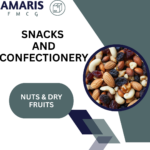 Nuts & Dry Fruits
 Raisins & Apricots
 Roasted & Salted Nuts
 Almonds, Cashews, Walnuts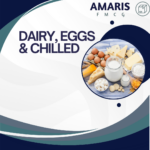
 Milk
Milk Fresh Milk (Full Cream, Toned)
 Flavored Milk
 Butter & Margarine
 Margarine
 Salted & Unsalted Butter
 Cheese
 Sliced Cheese
 Paneer (Cottage Cheese)
 Cream Cheese & Spreads
 Cheese Blocks (Cheddar, Mozzarella)
 Yogurt & Curd
 Set Curd
 Yogurt Drinks (Lassi, Chaas)
 Greek Yogurt
 Flavored Yogurt
 Cream & Desserts
 Custards & Mousses
 Fresh Cream
 Eggs
Eggs Organic Eggs
 Brown Eggs
 Farm Eggs
 Frozen Vegetables
 Peas, Corn, Mix Veg
 Frozen Snacks & Appetizers
 Samosas & Spring Rolls
 Nuggets & Finger Foods
 Frozen Meat & Poultry
 Frozen Sausages & Hot Dogs
 Frozen Pork
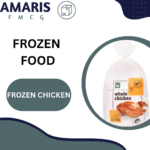 Frozen Chicken
 Frozen Beef
 Frozen Meat Blends & Mince
 Frozen Seafood
 Frozen Fish Fillets
 Frozen Seafood Mixes
 Ice Cream & Frozen Desserts
 Sorbets & Gelato
 Ice Cream Tubs
 Ice Cream Bars & Cones
 Oral Care
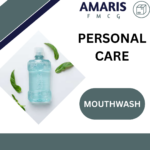 Mouthwash
 Toothpaste
 Toothbrushes (Manual & Electric)
 Bath & Body
 Deodorants & Antiperspirants
 Body Lotions & Moisturizers
 Soaps & Body Wash
 Hair Care
 Styling Products (Gel, Wax, Spray)
 Hair Oils
 Shampoo & Conditioner
 Skincare
 Lip Balm
 Moisturizers & Creams
 Face Wash & Cleansers
 Feminine Hygiene
 Tampons
 Sanitary Pads
 Shaving Needs
 Razors & Blades
 Shaving Cream & Foam
 Vitamins & Supplements
 Multivitamins
 Protein Powder
 Specialty Supplements (Omega-3, Calcium)
 Ayurveda & Herbal
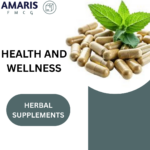 Herbal Supplements
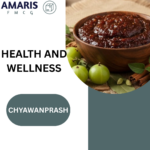 Chyawanprash
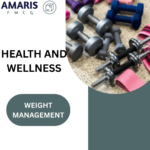 Weight Management
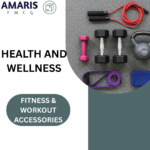 Fitness & Workout Accessories
 Protein Shakes & Powders
 Sports Nutrition
 Energy Bars & Snacks
 Electrolyte & Hydration Drinks
 Sports Multivitamins
 Protein Powders & Shakes
 Dishwashing
 Dishwashing Bars & Liquid
 Dishwasher Detergents
 Laundry
 Fabric Softeners & Whiteners
 Detergent Powder & Liquid
 Detergent Bars
 Floor & Surface Cleaners
 Glass & Mirror Cleaners
 All-Purpose Cleaners
 Floor Cleaners (Liquid, Powder)
 Toilet Cleaners
 Toilet Cleaning Tablets
 Toilet Brush & Cleaner Sets
 Liquid Toilet Cleaners
 Insecticides & Repellents
 Ant & Cockroach Killers
 Mosquito Repellents (Coils, Mats, Sprays)
 Air Fresheners & Fragrances
 Car Air Fresheners
 Essential Oils & Diffusers
 Plug-In Air Fresheners
 Scented Candles
 Room Sprays
 Paper Products
 Tissues & Napkins
 Kitchen Towels
 Toilet Paper
 Baby Food & Formula
 Cereals & Purees
 Infant Formula
 Diapers & Wipes
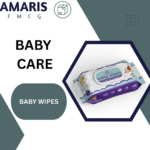 Baby Wipes
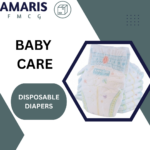 Disposable Diapers
 Baby Bath & Skincare
 Diaper Rash Cream
 Baby Soap & Shampoo
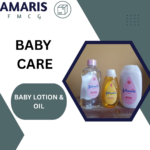 Baby Lotion & Oil
 Dog Food
 Dry Dog Food
 Dog Treats
 Wet Dog Food
 Pet Grooming
 Shampoos & Conditioners
 Brushes & Combs
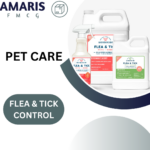 Flea & Tick Control
 Grooming Tools & Kits
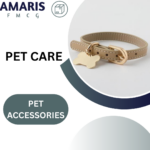 Pet Accessories
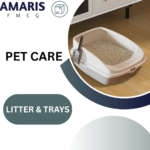 Litter & Trays (for cats)
 Collars & Leashes
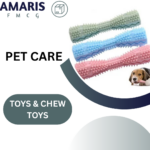 Toys & Chew Toys
 Bowls & Feeders
 Cat Food
 Wet Cat Food
 Cat Treats
 Dry Cat Food
 Organic Products
 Organic Beverages
 Organic Supplements
 Organic Food & Snacks
 Gluten-Free
 Gluten-Free Beverages
 Gluten-Free Snacks
 Gluten-Free Pasta & Grains
 Gluten-Free Breads & Bakery
 Vegan Products
 Vegan Supplements
 Vegan Food & Snacks
 Vegan Beverages
 Sugar-Free & No Added Sugar
 Sugar-Free Beverages
 Sugar-Free Snacks
 Sugar-Free Desserts & Sweets
 Keto-Friendly
 Keto Beverages
 Keto Supplements
 Keto Snacks
 Diabetic-Friendly
 Diabetic-Friendly Supplements
 Diabetic-Friendly Health Monitors & Devices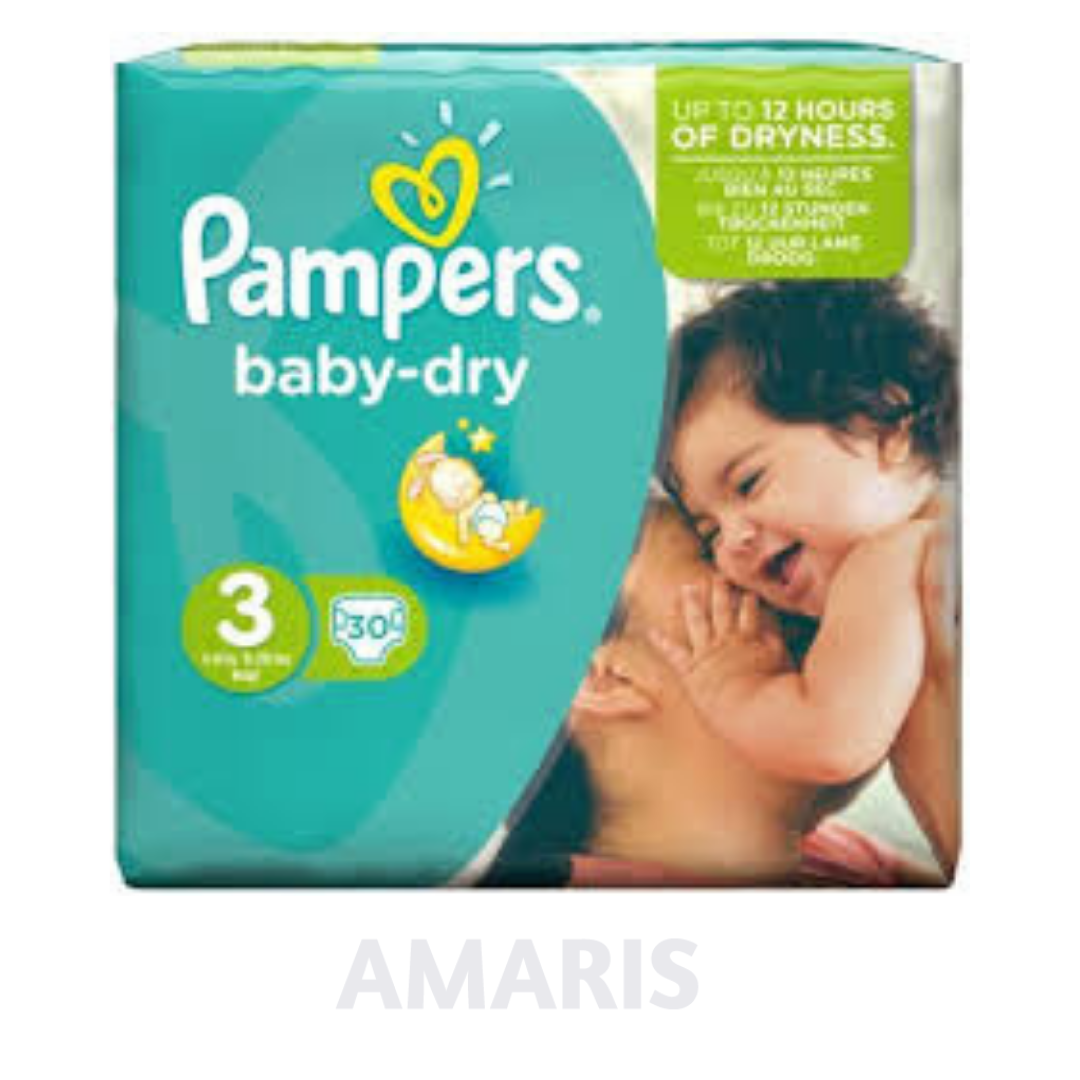
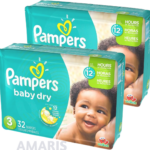
Pampers BabyDry Midi
Pampers BabyDry Midi is a disposable, super-absorbent diaper for younger infants (4-8kg / 8-17 lbs). It provides up to 12 hours of dryness with a three-layer system that locks wetness away from the skin, featuring a wetness indicator, dual leg cuffs, Extra Absorb Channels, and a breathable, re-fastenable waistband. For clinicians, it effectively reduces irritant contact dermatitis in infants with immature, sensitive skin and contains frequent loose stools. However, it is single-use, not biodegradable, contains fragrance and lotions, and poses choking hazards. Contains no latex. Discontinue use if rash develops.
PAMPERS BABY DRY MIDI
PRIMARY USES
1. Extended Overnight Protection for Younger Infants
Primary Use: Provides up to 12 hours of continuous dryness through a highly absorbent core designed to lock away wetness and prevent leakage, ensuring undisturbed sleep for infants in the Midi size range (approximately 4-8kg) who are still feeding during the night but require reliable protection for longer sleep stretches.
How it helps: For the paediatrician and child health nurse, newborns and younger infants have immature bladder control and produce frequent, small-volume voids. The BabyDry system uses a super-absorbent polymer that turns liquid into gel, preventing re-wetting and prolonged skin contact with moisture, which is particularly important for this age group as their skin barrier is still developing. The wetness indicator helps caregivers time changes without fully undressing or disturbing the sleeping infant. For the parent, this means fewer night-time disruptions, reduced risk of leaks that wake the baby, and confidence that their young infant can sleep comfortably between feeds without needing a diaper change after every waking.
2. Protection Against Diaper Rash (Irritant Contact Dermatitis) for Newborns and Young Infants
Primary Use: The combination of a wetness-wicking top sheet and a breathable outer cover actively pulls moisture away from the skin and allows air circulation, significantly reducing the maceration and ammonia contact that cause irritant diaper dermatitis in infants with exceptionally delicate, immature skin.
How it helps: For the dermatologist and general practitioner, newborn and young infant skin is thinner, more permeable, and has a less developed acid mantle compared to older babies, making them more susceptible to irritant contact dermatitis from prolonged wetness. The three-layer absorption system (top sheet, super-absorbent core, and breathable backsheet) creates a dry microclimate against the skin. The Extra Absorb Channels distribute wetness evenly to prevent pooling and sagging, which also reduces friction points on the inner thighs and groin. For the parent, this provides a proactive barrier against painful redness and irritation during the early months when diaper changes are most frequent.
3. Leakage Prevention for Newborns with Frequent, Loose Stools
Primary Use: Engineered with dual leg cuffs and a flexible, secure-fit waistband that adapts to the body shape of a Midi-sized infant (approximately 4-8kg), this diaper maintains its seal to contain the frequent, loose, breastfed or formula-fed stools that are common in young infants, preventing side and back leaks.
How it helps: For the paediatric gastroenterologist and lactation consultant, newborns and young infants typically have five to ten bowel movements per day, often liquid or semi-liquid in consistency, which can easily escape from poorly fitting diapers. The dual leg cuffs (inner and outer elasticated barriers) provide a gasket-like seal around the legs, while the elasticated, re-fastenable waistband allows for a custom, snug fit that moves with the infant’s breathing and small movements. The super-absorbent core rapidly locks away liquid stool components, reducing spread. For the parent, this eliminates the frustration of leaking stools that soil clothing, bedding, and car seats.
4. Wetness Indicator for Timely Changes in Pre-Verbal Infants
Primary Use: The built-in wetness indicator (a yellow line that turns blue when wet) provides a clear, visual signal to caregivers when the diaper is soiled, enabling timely changes without unnecessary undressing or disturbance, which is especially valuable for young infants who cannot signal discomfort verbally.
How it helps: For the neonatal nurse and child health visitor, caregivers of young infants often struggle to know when a diaper needs changing, particularly overnight or when the infant is sleeping soundly. The wetness indicator eliminates guesswork, reducing the risk of prolonged wetness exposure and the associated skin breakdown. For the parent, this means they can quickly and confidently assess whether a change is needed, avoiding unnecessary diaper changes that wake a sleeping infant or failing to change a soiled diaper that could lead to rash.
SECONDARY USES
1. Use during the transitional meconium period: In the first few days after birth, newborns pass meconium (a thick, sticky, tar-like stool). The absorbent core and secure fit of the BabyDry Midi help contain this challenging substance, making cleanup easier for parents and healthcare providers.
2. Diapering for low birth weight infants: For infants who are small for their age but have reached the Midi weight range (approximately 4kg), the soft, non-abrasive materials and gentle fit accommodate fragile skin while providing reliable absorbency.
3. Overnight protection for premature infants post-discharge: For premature infants who have been discharged from neonatal intensive care and have reached the Midi weight range, the extended overnight protection supports the longer sleep periods that develop as they approach their due date.
4. Use during phototherapy for neonatal jaundice: For infants undergoing phototherapy for jaundice, who may have loose, frequent stools as a side effect of treatment, the BabyDry Midi provides reliable containment and skin protection during this medically vulnerable period.
5. Emergency backup for cloth diaper users: For parents who primarily use cloth diapers but need a reliable, high-absorbency option for overnight, travel, or when laundry is not possible, the BabyDry Midi serves as an effective disposable backup.
1. BASIC IDENTIFICATION ATTRIBUTES
-
Device Type: Disposable, single-use, super-absorbent diaper with elasticated leg and waist cuffs.
-
Designation: Pampers BabyDry Midi, Pampers BabyDry Size 3 (depending on market: Midi typically fits 4-8kg).
-
Key Components: Non-woven polypropylene top sheet, super-absorbent polymer (SAP) core, fluff pulp, polyethylene breathable backsheet, elasticated dual leg cuffs, re-fastenable adhesive tape tabs.
-
Unique Feature: Up to 12 hours of absorbency with Extra Absorb Channels for even wetness distribution and a wetness indicator line.
2. TECHNICAL & PERFORMANCE PROPERTIES
-
Physical Form: Soft, flexible, anatomically shaped pad with elasticated leg openings and waistband.
-
Absorbency Capacity: Approximately 500-800 mL of fluid.
-
Wetness Indicator: Yellow line that turns blue when wet (not available in all markets).
-
Breathability: Breathable outer cover to reduce humidity and maintain skin health.
-
Allergen Information: Contains fragrance and lotion. Latex-free.
-
Shelf Life: Two to three years from manufacture date.
3. PHYSICAL & OPERATIONAL PROPERTIES
-
Preparation: Remove from packaging. Open to full shape. Gently fluff the inner core to activate absorbency. No washing or pre-treatment required.
-
Usage Instructions: Place diaper under infant. Secure tape tabs to front panel. Ensure leg cuffs are pulled outwards to form a seal. Monitor wetness indicator. Dispose in general waste. Do not flush.
-
Storage Conditions: Store in a cool, dry place away from humidity, heat, and direct sunlight.
-
Portion Size: One diaper per change. Change every three to four hours during the day, and one diaper for overnight use.
4. SAFETY & COMPLIANCE ATTRIBUTES
-
Allergens: May contain fragrance, aloe, or chamomile lotions. Discontinue use if contact dermatitis develops. Latex-free.
-
Choking Hazard: Keep plastic packaging away from children.
-
Suffocation Hazard: Do not allow infants to tear or chew the diaper.
-
Skin Safety: Change promptly after soiling. Newborn and young infant skin is particularly susceptible to irritant contact dermatitis.
-
Umbilical Cord Stump Care: For newborns with an intact umbilical cord stump, ensure the diaper is folded down or positioned below the stump to allow air circulation.
-
Quality Assurance: ISO 9001 certified. Dermatologically tested. Manufactured under GMP.
5. STORAGE & HANDLING ATTRIBUTES
-
Storage: Keep in original packaging in a cool, dry cupboard away from high-humidity areas.
-
Inspection: Discard if packaging is torn, diapers show signs of mould, have unusual odour, or if absorbent material feels hard or clumped.
-
Shelf Life: Two to three years. Check expiration date on package.
1. SAFETY PRECAUTIONS
-
Plastic bag suffocation hazard: Keep packaging away from children. Discard immediately after opening.
-
Ingestion of super-absorbent polymer (SAP): If ingested, seek medical advice immediately.
-
Choking on torn diaper pieces: Do not allow infants to chew on diaper pieces.
-
Allergic contact dermatitis: Stop use immediately if rash with blistering or intense itching appears. Consult a paediatrician.
-
Irritant contact dermatitis (diaper rash): Change diapers frequently. Clean gently, air dry, and apply barrier cream.
-
Not reusable: Do not wash or reuse. This destroys the absorbent core and creates infection risk.
-
Disposal: Do not flush. Dispose in general waste or sealed bag.
2. FIRST AID MEASURES
-
Skin rash (mild irritant): Change more frequently. Clean with warm water. Apply barrier cream. If rash persists for 48 hours, consult a healthcare professional.
-
Severe allergic rash: Discontinue use immediately. Clean with water only. Consult a paediatrician or dermatologist.
-
Ingestion of SAP gel: Do not induce vomiting. Seek medical attention if symptoms develop.
-
Eye contact with SAP powder or gel: Rinse with lukewarm water for 15 minutes. Seek ophthalmologic advice if irritation persists.
3. FIRE FIGHTING MEASURES
-
Flammability: Combustible. Will burn if exposed to open flame.
-
Extinguishing Media: Use water, foam, dry chemical, or CO₂.
-
Fire Response: For large fires, evacuate. Burning plastic releases toxic fumes. Firefighters should wear SCBA and full protective gear.
Related products
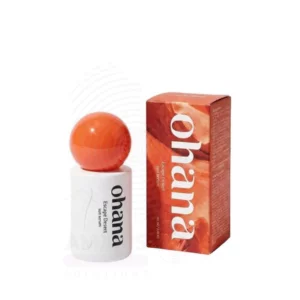
Ohana Escape Desert Sun Serum
Ohana Escape Desert Sun Serum is a dual function cosmetic formulated for UV protection and wrinkle improvement, featuring SPF50+ PA++++ broad spectrum protection. Infused with 75% moisture serum, this innovative sun care doubles as skincare for effortless hydration and protection in one step.
The patented Triple Sun ti Aging Technology provides comprehensive anti aging care against photoaging, heat aging, and oxidative stress with a triple layer coating formula. Clinical testing demonstrates an instant 423% boost in moisture, with 40% hydration retained even after 24 hours. Just one swipe in 5 seconds helps prevent UV induced skin damage by up to 597%.
The semi dewy moisture film creates a glowing finish that helps makeup adhere better, making it your perfect makeup friendly sunscreen. Made with a reef safe formula, it's safe for oceans and kind to the planet. Primary skin irritation test completed on sensitive skin, confirmed non irritating. Ideal for those seeking effortless daily protection that hydrates, preps makeup, and protects the planet.
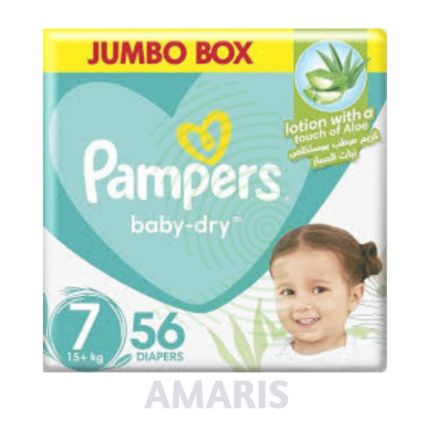
Pampers Baby Dry Maxi
Pampers Baby Dry Maxi is a disposable, super-absorbent diaper for growing babies (7-12kg / 15-26 lbs). It provides up to 12 hours of dryness with a three-layer system that locks wetness away from the skin, featuring a wetness indicator, dual leg cuffs, Extra Absorb Channels, and a breathable, re-fasten able waistband. For clinicians, it effectively reduces irritant contact dermatitis and prevents leakage during crawling, rolling, and sitting activities. However, it is single-use, not biodegradable, contains fragrance and lotions, and poses choking hazards. Contains no latex. Discontinue use if rash develops.
Pampers BabyDry Junior
Pampers BabyDry Junior is a disposable, super-absorbent diaper for active toddlers (12-18kg / 26-40 lbs). It provides up to 12 hours of dryness with a three-layer system that locks wetness away from the skin, featuring a wetness indicator, dual leg cuffs, Extra Absorb Channels, and a breathable, re-fastenable waistband. For clinicians, it effectively reduces irritant contact dermatitis and prevents leakage during high-mobility activities. However, it is single-use, not biodegradable, contains fragrance and lotions, and poses choking hazards. Contains no latex. Discontinue use if rash develops.
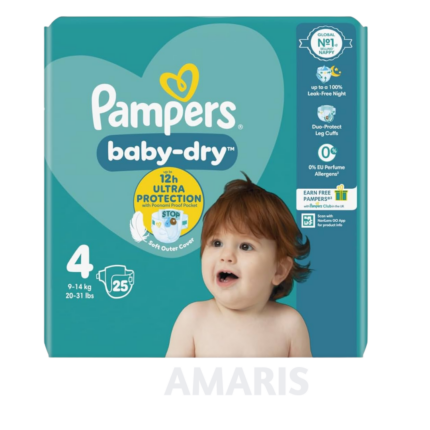
Pampers BabyDry Junior
Pampers BabyDry Junior is a disposable, super-absorbent diaper for active toddlers (12-18kg / 26-40 lbs). It provides up to 12 hours of dryness with a three-layer system that locks wetness away from the skin, featuring a wetness indicator, dual leg cuffs, Extra Absorb Channels, and a breathable, re-fastenable waistband. For clinicians, it effectively reduces irritant contact dermatitis and prevents leakage during high-mobility activities. However, it is single-use, not biodegradable, contains fragrance and lotions, and poses choking hazards. Contains no latex. Discontinue use if rash develops.
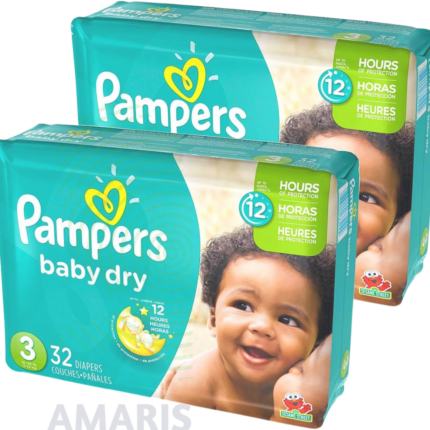
Pampers BabyDry Mini
Pampers BabyDry Mini is a disposable, super-absorbent diaper for newborns and small infants (2-5kg / 4-11 lbs). It provides up to 12 hours of dryness with a three-layer system that locks wetness away from delicate newborn skin. Features include a wetness indicator, dual leg cuffs, Extra Absorb Channels, and an umbilical cord cut-out for stump protection. For clinicians, it effectively reduces irritant contact dermatitis in infants with thin, permeable skin and contains frequent liquid stools. However, it is single-use, not biodegradable, contains fragrance and lotions, and poses choking hazards. Contains no latex. Discontinue use if rash develops. is a disposable, super-absorbent diaper for newborns and small infants (2-5kg / 4-11 lbs). It provides up to 12 hours of dryness with a three-layer system that locks wetness away from delicate newborn skin. Features include a wetness indicator, dual leg cuffs, Extra Absorb Channels, and an umbilical cord cut-out for stump protection. For clinicians, it effectively reduces irritant contact dermatitis in infants with thin, permeable skin and contains frequent liquid stools. However, it is single-use, not biodegradable, contains fragrance and lotions, and poses choking hazards. Contains no latex. Discontinue use if rash develops.
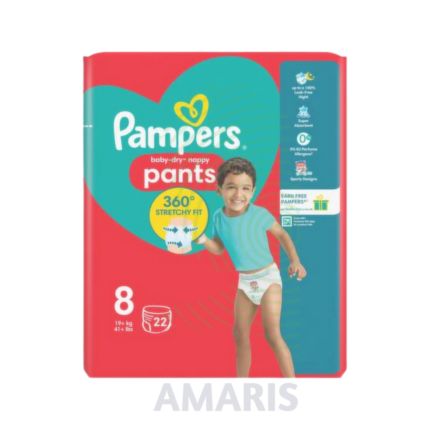
Pampers Pants Junior
Pampers Pants Junior is a disposable, pant-style, super-absorbent nappy for active toddlers (12-18kg / 26-40 lbs, or 16+kg depending on region). Designed to be pulled on like underwear, it features a 360-degree stretchy waistband, tear-away sides, Absorbent Micro Pearls, and 3 Extra Absorb Channels that distribute wetness evenly for up to 12 hours of dryness. Infused with aloe vera lotion and made with breathable, cotton-like materials, it protects against diaper rash. For clinicians, it supports standing changes, reduces leakage during high-mobility activities, and aids potty training transitions. Contains no latex. Discontinue use if rash develops.
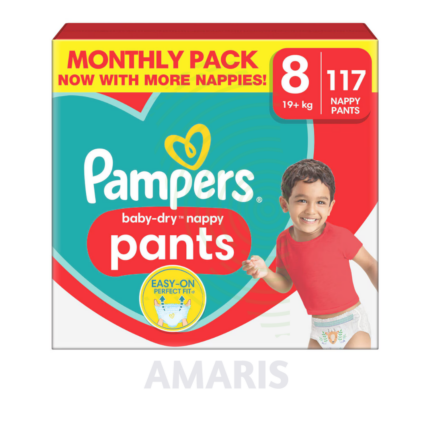
Pampers Pants Maxi
Pampers Pants Maxi is a disposable, pant-style, super-absorbent nappy for growing, mobile babies (approximately 9-15kg depending on market). Designed to be pulled on like underwear, it features a 360-degree stretchy waistband, tear-away sides, Absorbent Micro Pearls, and 3 Extra Absorb Channels that distribute wetness evenly for up to 12 hours of dryness. Infused with aloe vera lotion and made with breathable, cotton-like materials, it protects against diaper rash. For clinicians, it supports standing changes, reduces leakage during crawling and standing activities, and aids potty training readiness. Contains no latex. Discontinue use if rash develops.
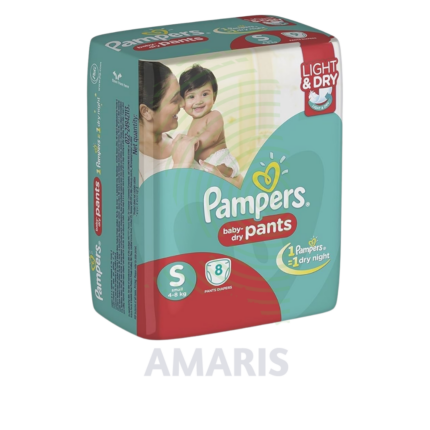
Pampers Pants Midi
Pampers Pants Midi is a disposable, pant-style, super-absorbent nappy for younger, mobile infants (approximately 5-9kg or 6-11kg depending on market). Designed to be pulled on like underwear, it features a 360-degree stretchy waistband, tear-away sides, Absorbent Micro Pearls, and 3 Extra Absorb Channels that distribute wetness evenly for up to 12 hours of dryness. Infused with aloe vera lotion and made with breathable, cotton-like materials, it protects against diaper rash. For clinicians, it supports standing changes, reduces leakage during rolling and sitting activities, and adapts to increasingly mobile infants. Contains no latex. Discontinue use if rash develops.